National Research Centre for the Working Environment, Lersø Parkallé 105, Copenhagen Ø DK-2100, Denmark.
Mutagenesis. 2013 Nov;28(6):699-707. doi: 10.1093/mutage/get049. Epub 2013 Oct 17.
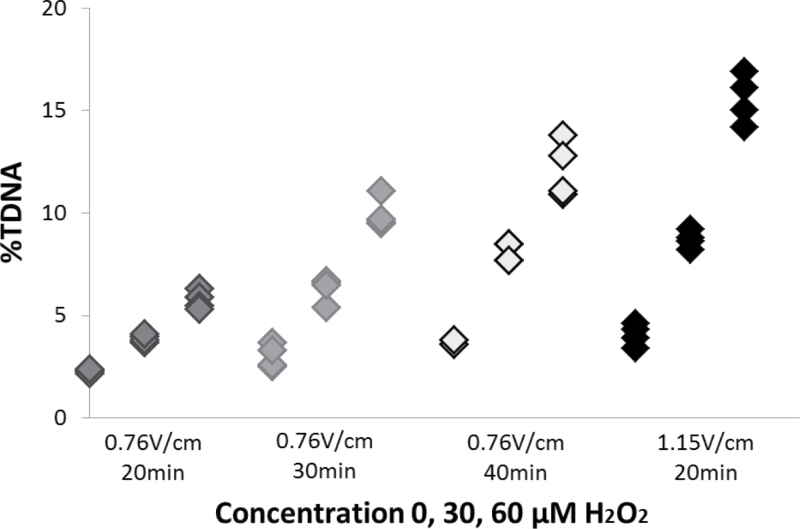
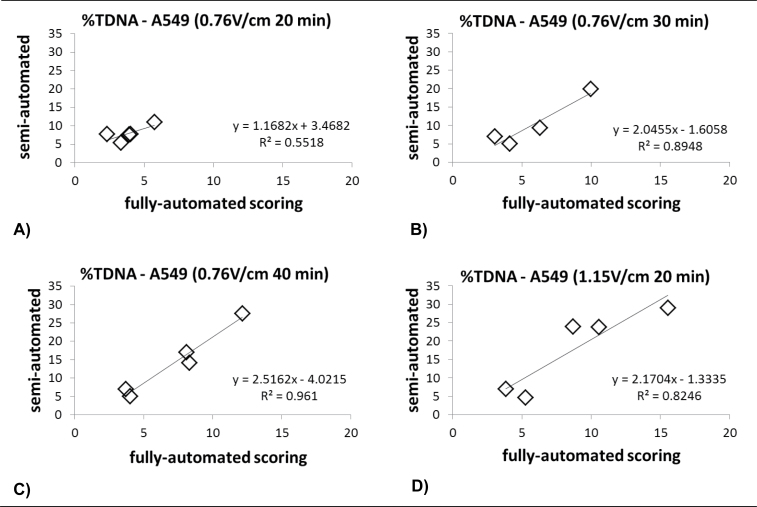
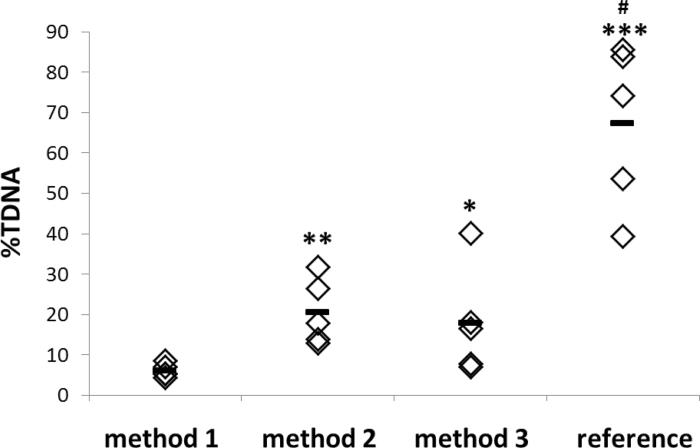
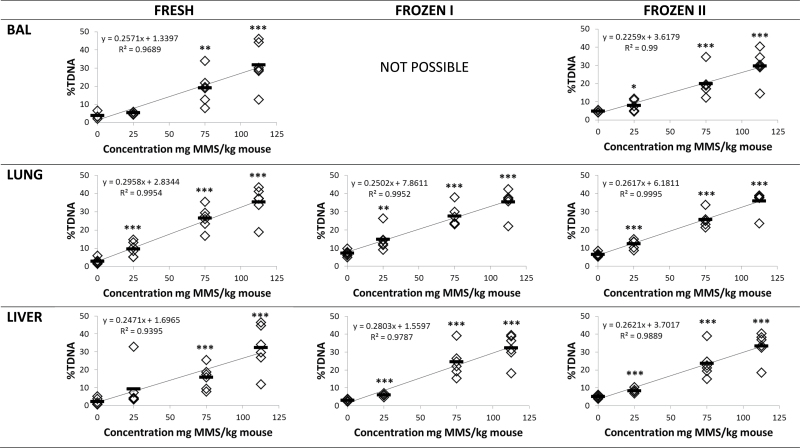
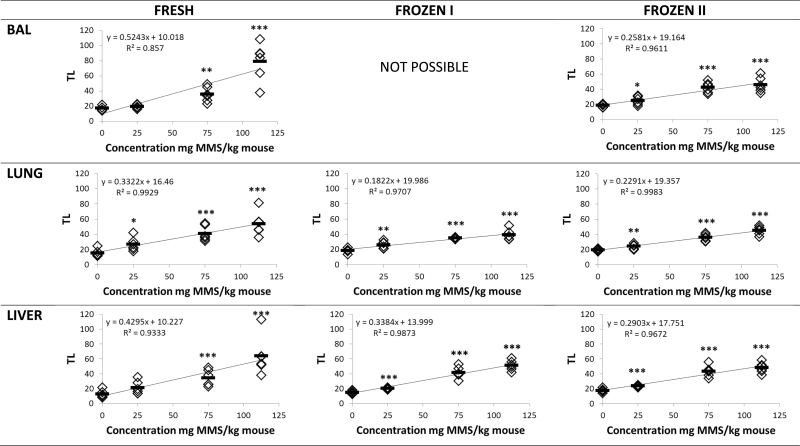
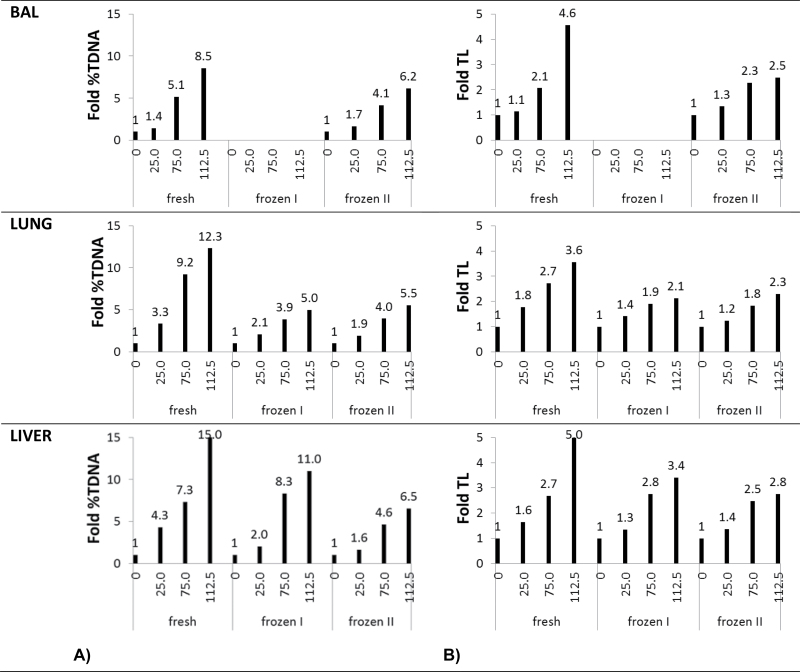
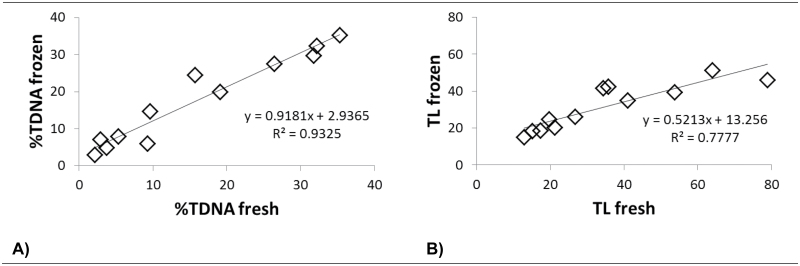
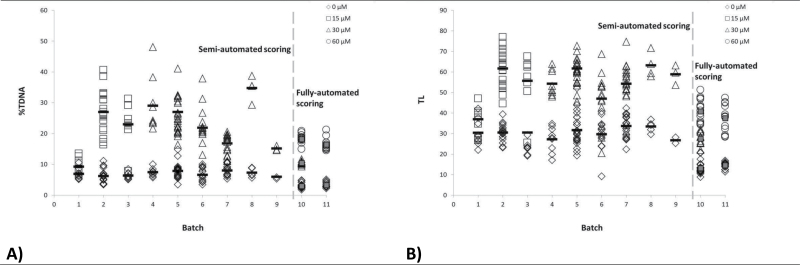
The comet analysis of DNA strand break levels in tissues and cells has become a common method of screening for genotoxicity. The large majority of published studies have used fresh tissues and cells processed immediately after collection. However, we have used frozen tissues and cells for more than 10 years, and we believe that freezing samples improve efficiency of the method. We compared DNA strand break levels measured in fresh and frozen bronchoalveolar cells, and lung and liver tissues from mice exposed to the known mutagen methyl methanesulphonate (0, 25, 75, 112.5mg/kg). We used a high-throughput comet protocol with fully automated scoring of DNA strand break levels. The overall results from fresh and frozen samples were in agreement [R (2) = 0.93 for %DNA in tail (%TDNA) and R (2) = 0.78 for tail length (TL)]. A slightly increased %TDNA was observed in lung and liver tissue from vehicle controls; and TL was slightly reduced in bronchoalveolar lavage cells from the high-dose group. In our comet protocol, a small block of tissue designated for comet analysis is frozen immediately at tissue collection and kept deep frozen until rapidly homogenised and embedded in agarose. To demonstrate the feasibility of long-term freezing of samples, we analysed the day-to-day variation of our internal historical negative and positive comet assay controls collected over a 10-year period (1128 observations, 11 batches of frozen untreated and H2O2-treated A549 lung epithelial cells). The H2O2 treatment explained most of the variation 57-77% and the day-to-day variation was only 2-12%. The presented protocol allows analysis of samples collected over longer time span, at different locations, with reduced variation by reducing number of electrophoreses and is suitable for both toxicological and epidemiological studies. The use of frozen tissues; however, requires great care during preparation before analysis, with handling as a major risk factor.
彗星分析技术已广泛应用于组织和细胞的 DNA 链断裂水平检测,以筛选遗传毒性。绝大多数已发表的研究都使用新鲜组织和细胞,这些样本是在采集后立即进行处理的。然而,我们已经使用冷冻组织和细胞超过 10 年,并且我们认为冷冻样本可以提高该方法的效率。我们比较了新鲜和冷冻的支气管肺泡细胞、暴露于已知诱变剂甲磺酸甲酯(0、25、75、112.5mg/kg)的小鼠的肺和肝组织中的 DNA 链断裂水平。我们使用高通量彗星分析方案,对 DNA 链断裂水平进行全自动评分。新鲜和冷冻样本的总体结果一致[用于尾部 DNA 百分比(%TDNA)的 R2=0.93,用于尾部长度(TL)的 R2=0.78]。在对照组的肺和肝组织中观察到稍高的%TDNA;在高剂量组的支气管肺泡灌洗液细胞中 TL 略有降低。在我们的彗星分析方案中,在组织采集时立即将指定用于彗星分析的小块组织冷冻,并将其保持在深冻状态,直至快速匀浆并嵌入琼脂糖中。为了证明长期冷冻样本的可行性,我们分析了在 10 年期间(1128 次观察,11 批冷冻未处理和 H2O2 处理的 A549 肺上皮细胞)收集的内部历史阴性和阳性彗星分析对照的日常变化。H2O2 处理解释了大部分变化(57-77%),日常变化仅为 2-12%。该方案通过减少电泳次数,减少了变异性,适用于毒理学和流行病学研究,允许分析更长时间跨度、不同地点的样本。然而,冷冻组织的使用需要在分析前进行仔细的准备,处理是主要的风险因素。