Department of Psychiatry and Human Behavior, Functional Genomics Laboratory, University of California, Irvine, CA 92697-4260, USA.
Dis Markers. 2013;35(1):11-21. doi: 10.1155/2013/748095. Epub 2013 Jul 21.
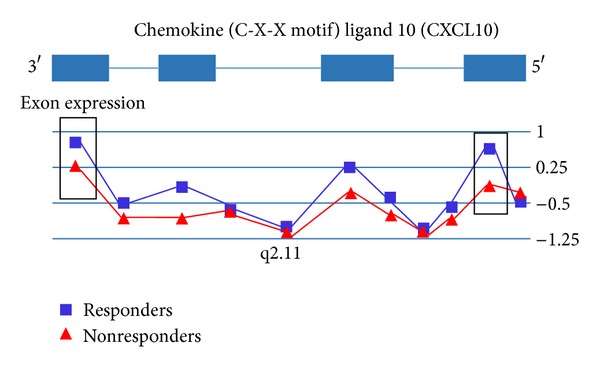
Mood disorders and schizophrenia are common and complex disorders with consistent evidence of genetic and environmental influences on predisposition. It is generally believed that the consequences of disease, gene expression, and allelic heterogeneity may be partly the explanation for the variability observed in treatment response. Correspondingly, while effective treatments are available for some patients, approximately half of the patients fail to respond to current neuropsychiatric treatments. A number of peripheral gene expression studies have been conducted to understand these brain-based disorders and mechanisms of treatment response with the aim of identifying suitable biomarkers and perhaps subgroups of patients based upon molecular fingerprint. In this review, we summarize the results from blood-derived gene expression studies implemented with the aim of discovering biomarkers for treatment response and classification of disorders. We include data from a biomarker study conducted in first-episode subjects with schizophrenia, where the results provide insight into possible individual biological differences that predict antipsychotic response. It is concluded that, while peripheral studies of expression are generating valuable results in pathways involving immune regulation and response, larger studies are required which hopefully will lead to robust biomarkers for treatment response and perhaps underlying variations relevant to these complex disorders.
心境障碍和精神分裂症是常见且复杂的疾病,有充分的证据表明其易感性受到遗传和环境因素的影响。人们普遍认为,疾病的后果、基因表达和等位基因异质性可能部分解释了治疗反应中观察到的可变性。相应地,虽然一些患者有有效的治疗方法,但大约一半的患者对现有的神经精神治疗没有反应。已经进行了许多外周基因表达研究,以了解这些基于大脑的疾病和治疗反应的机制,目的是确定合适的生物标志物,也许还可以根据分子指纹识别患者亚组。在这篇综述中,我们总结了旨在发现治疗反应和疾病分类生物标志物的血液衍生基因表达研究的结果。我们包括了一项针对首发精神分裂症患者的生物标志物研究的数据,该研究结果提供了对可能预测抗精神病反应的个体生物学差异的深入了解。结论是,虽然外周表达研究在涉及免疫调节和反应的途径中产生了有价值的结果,但需要进行更大规模的研究,希望这些研究能够为治疗反应提供强有力的生物标志物,并为这些复杂疾病的潜在变化提供依据。