Nishino Jinsuke, Kim Sunjung, Zhu Yuan, Zhu Hao, Morrison Sean J
Children's Research Institute, University of Texas Southwestern Medical Center, Dallas, United States.
Elife. 2013 Nov 5;2:e00924. doi: 10.7554/eLife.00924.
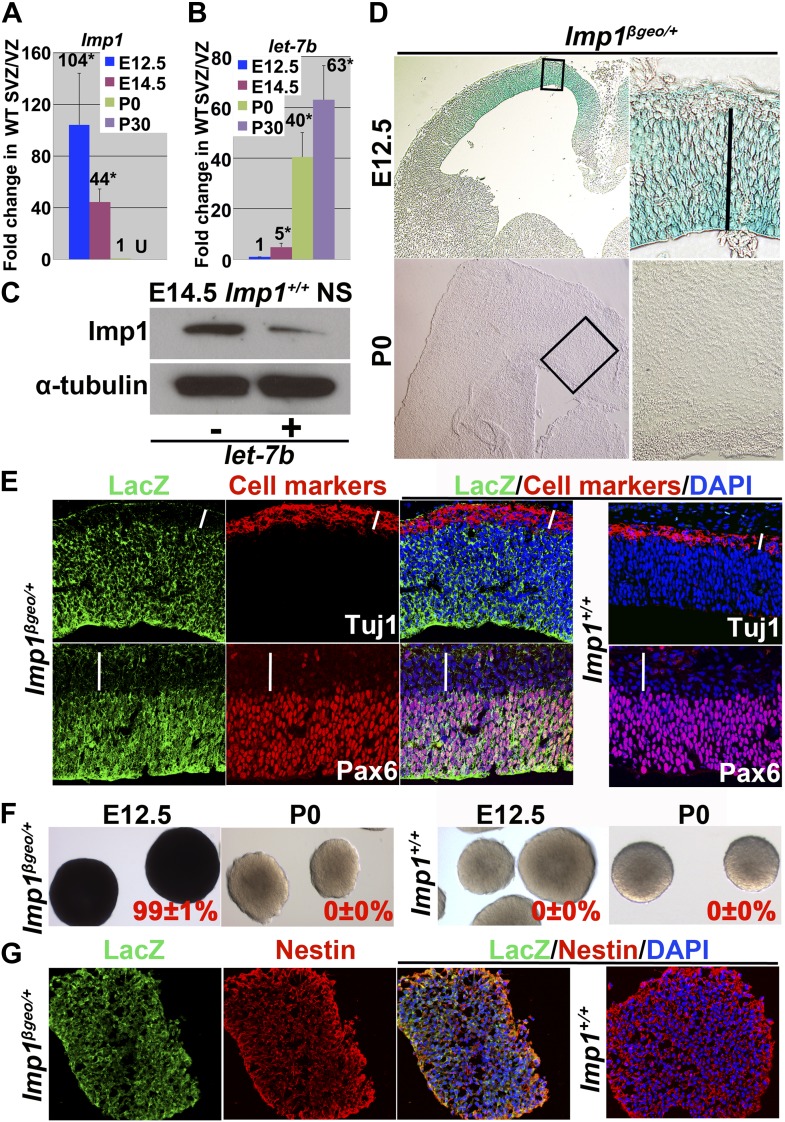
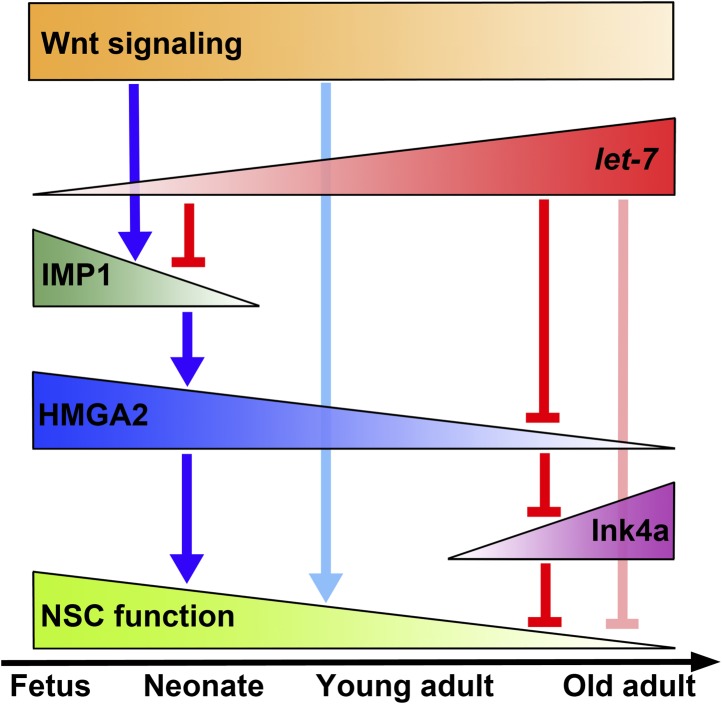
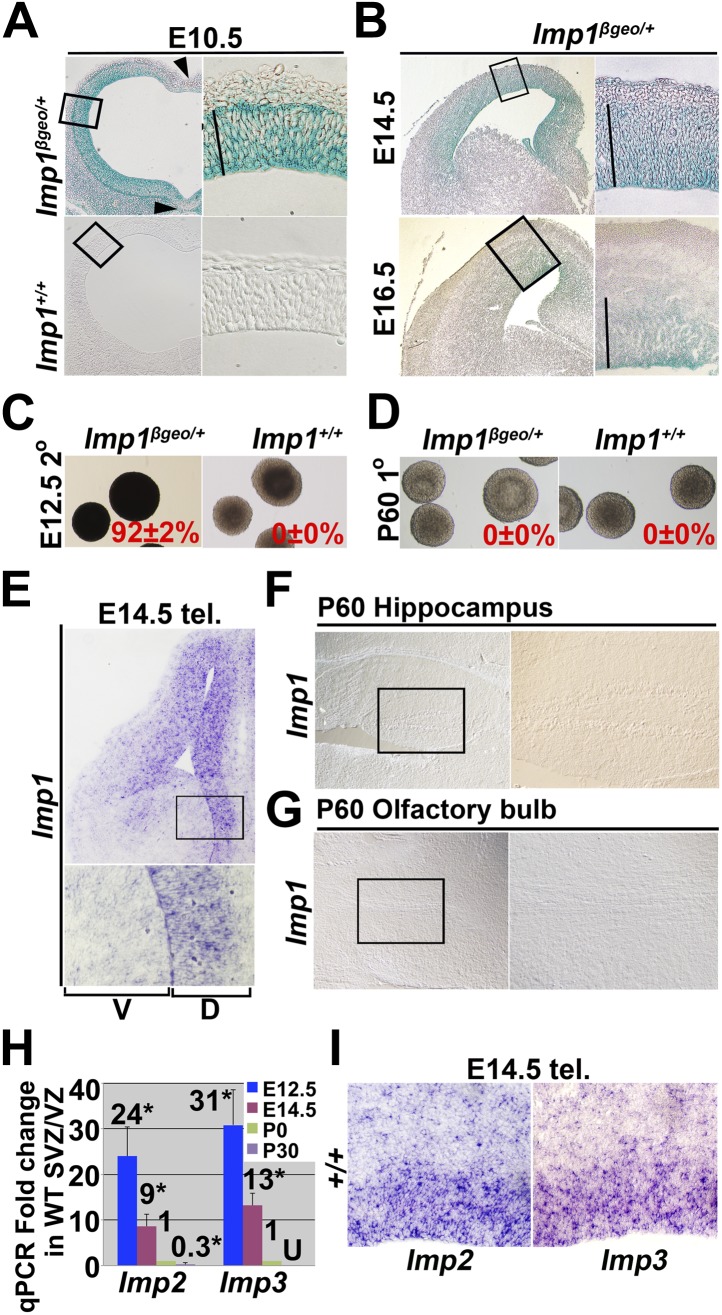
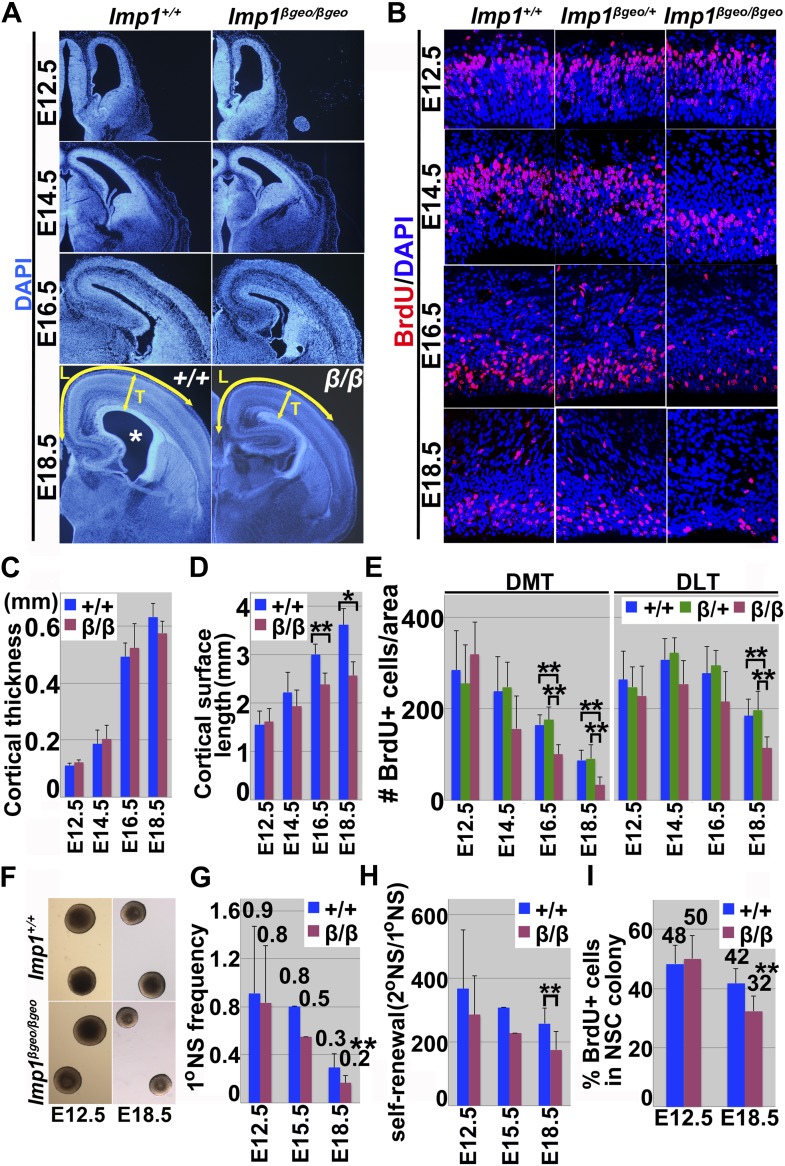
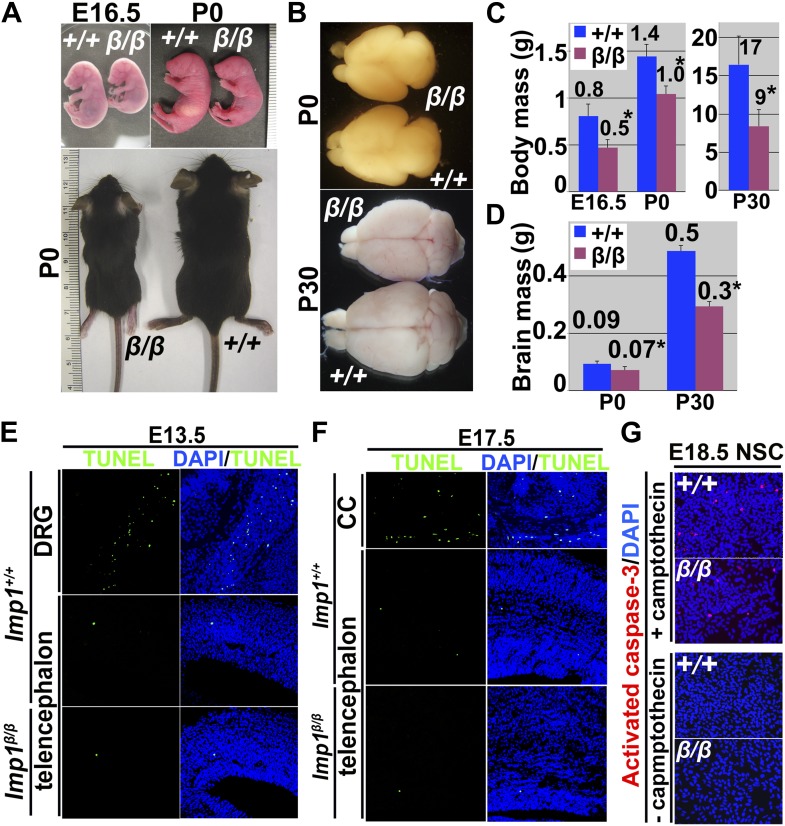
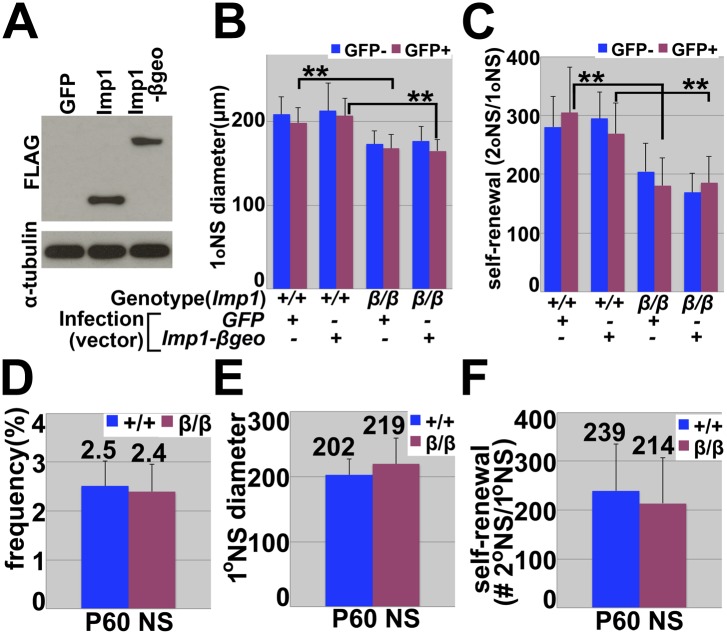
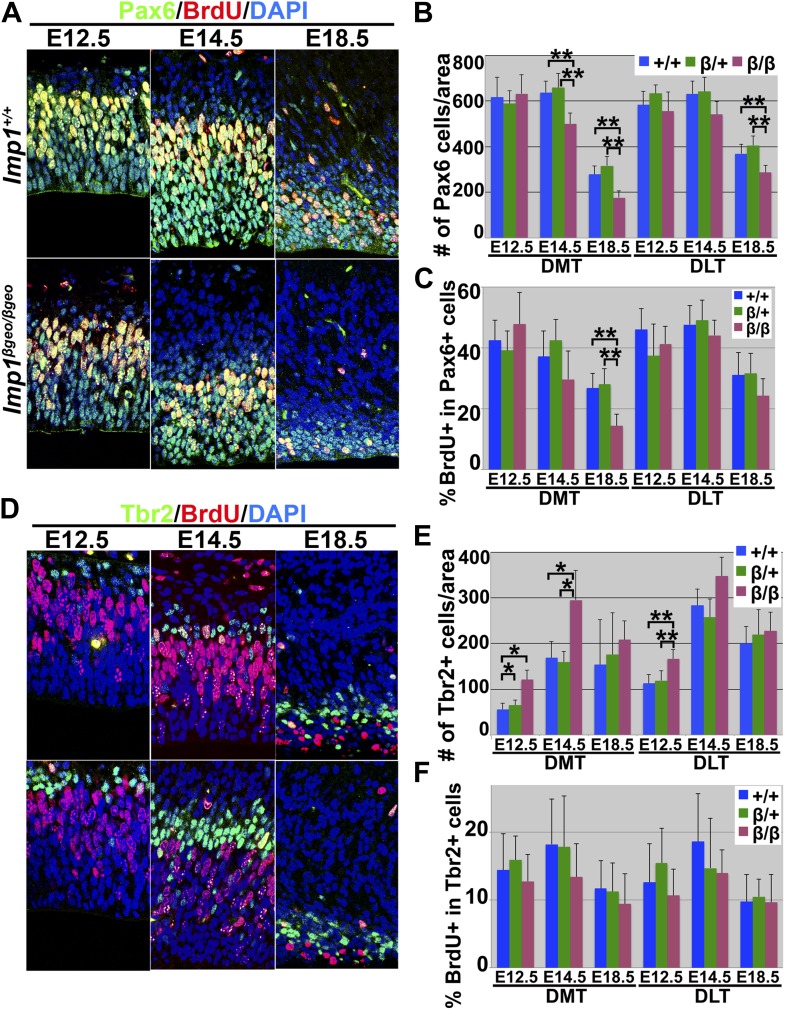
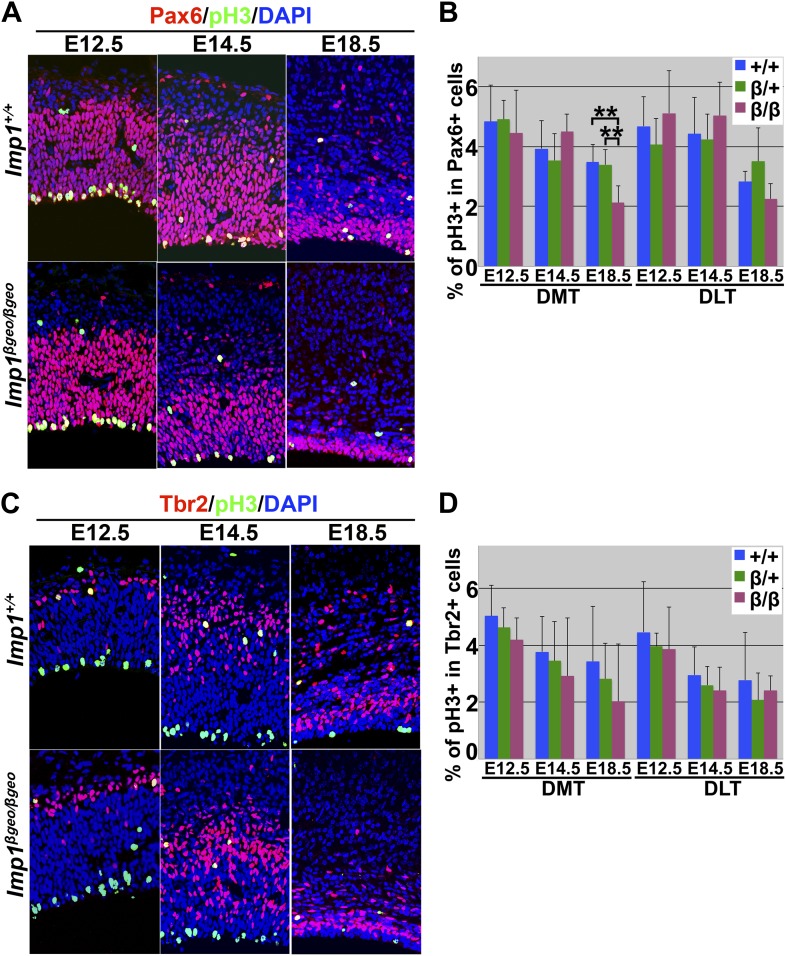
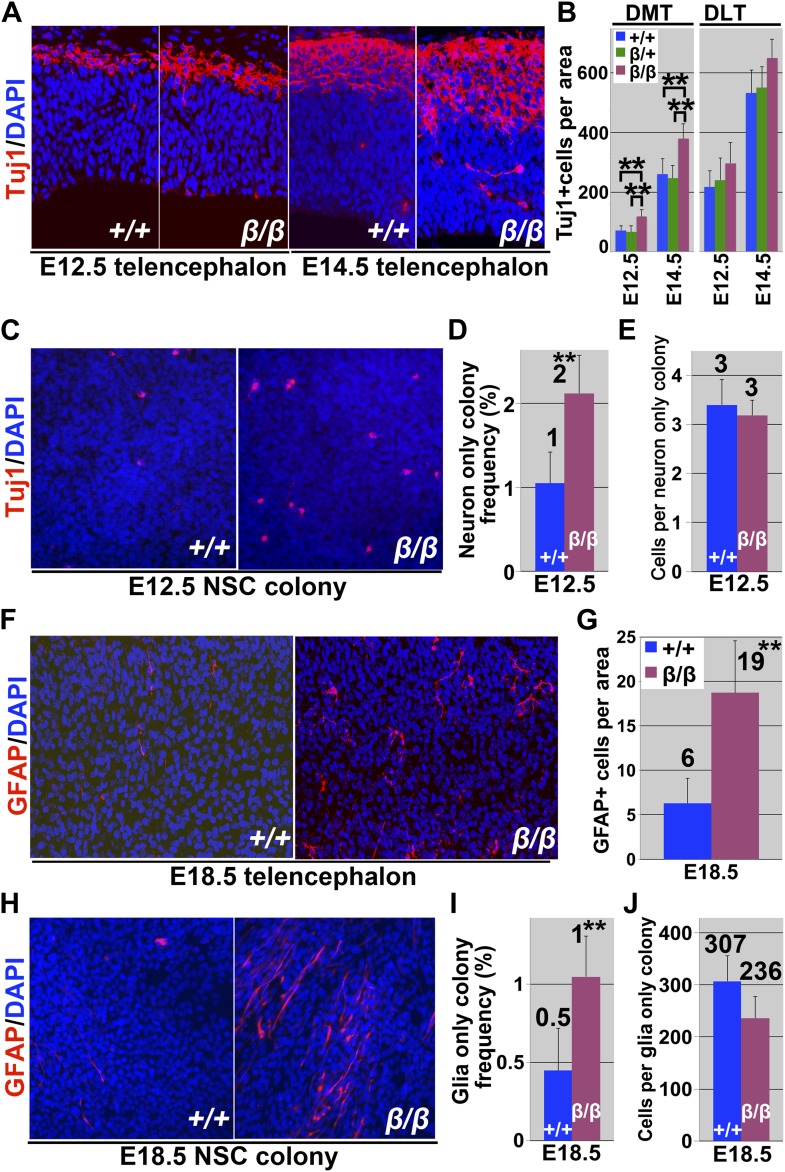
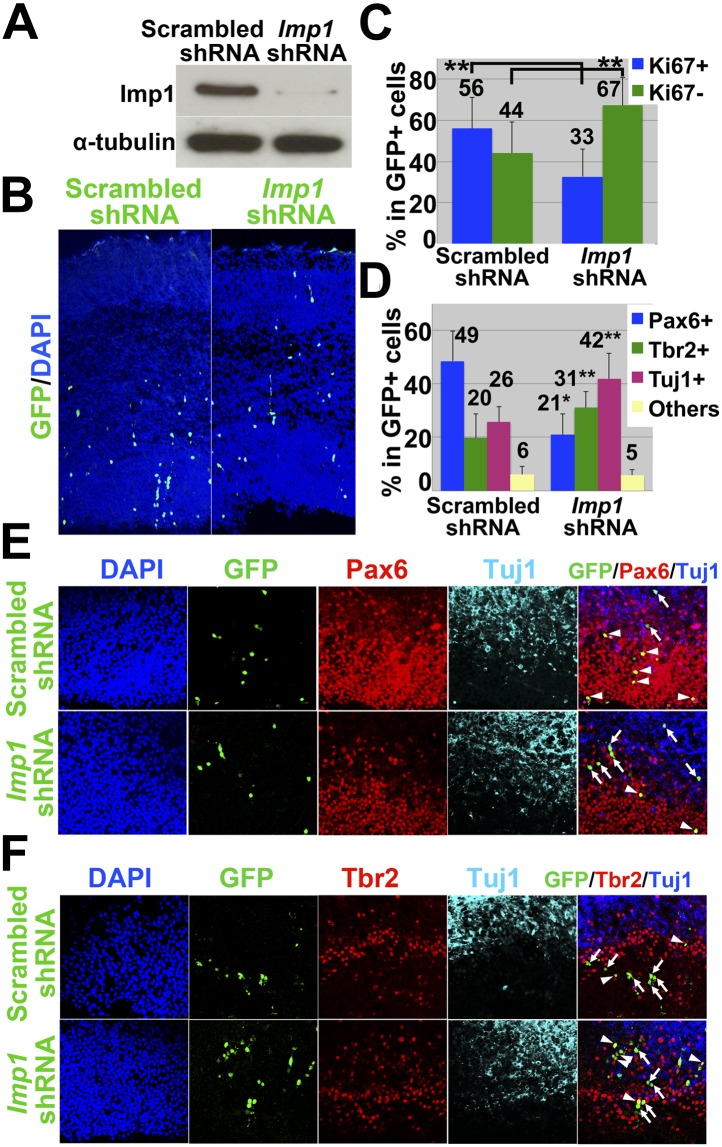
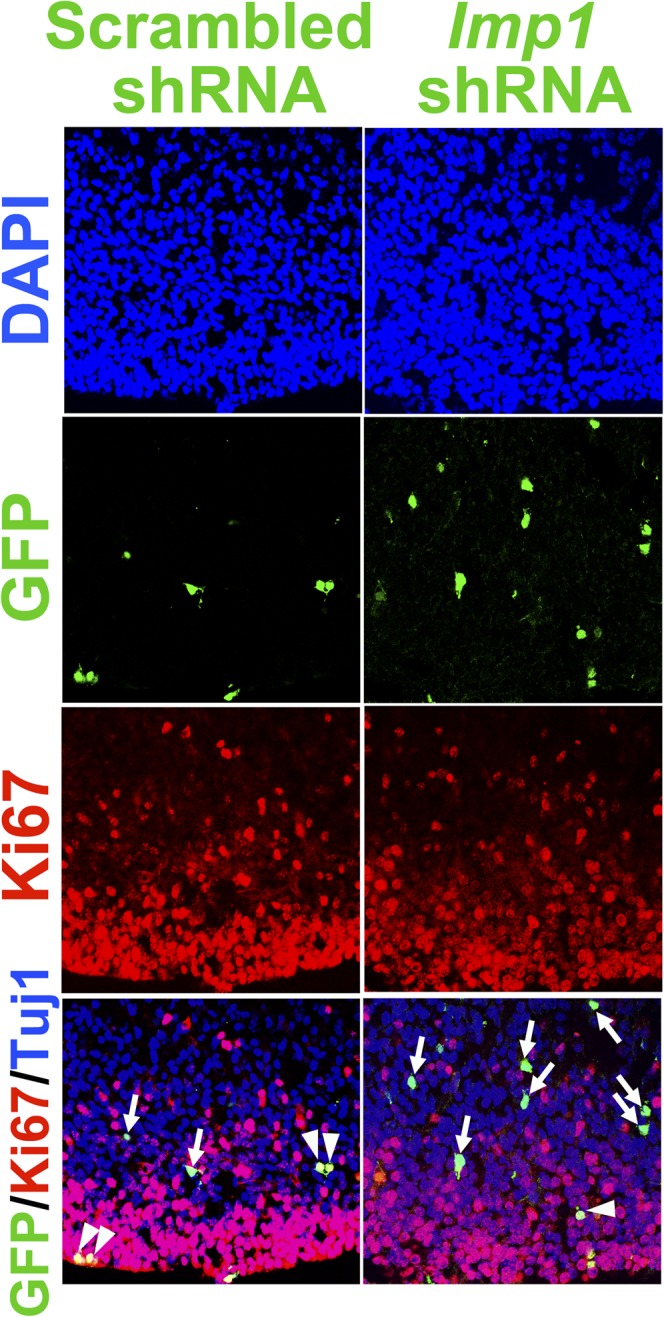
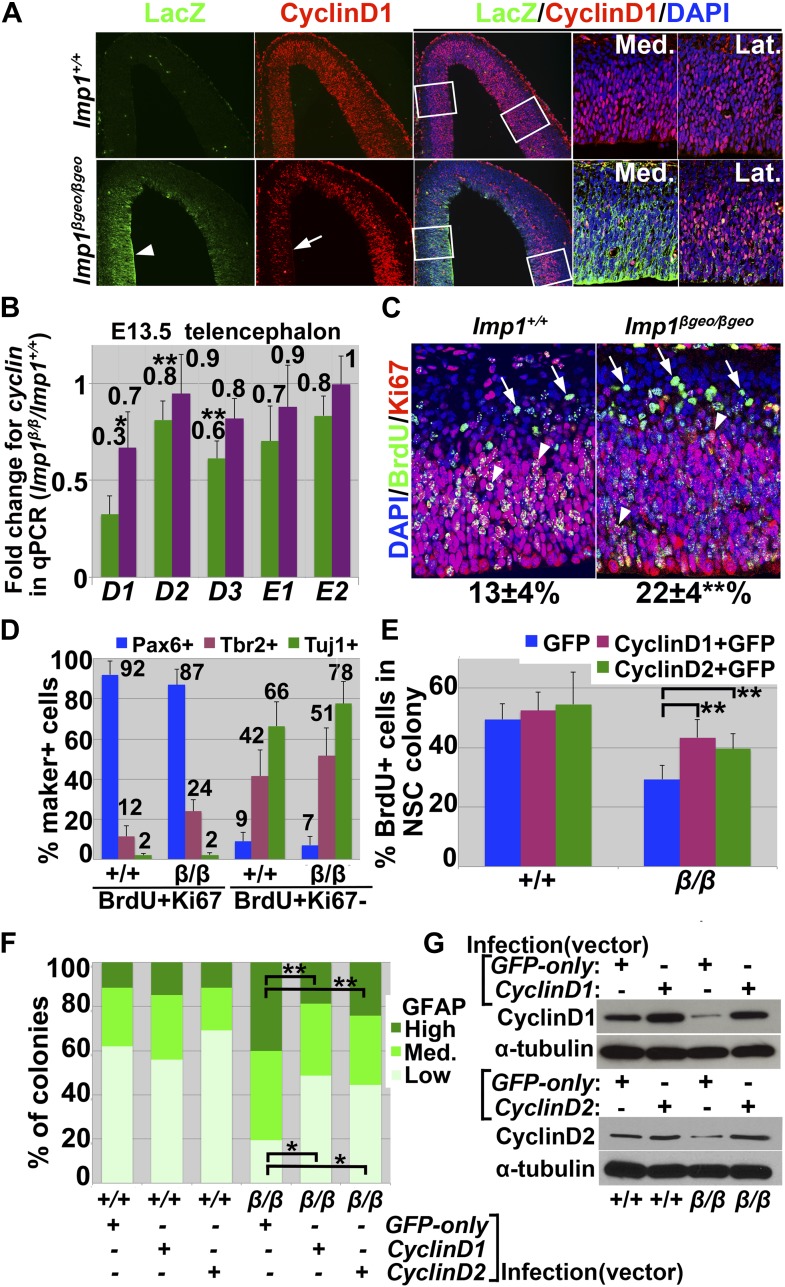
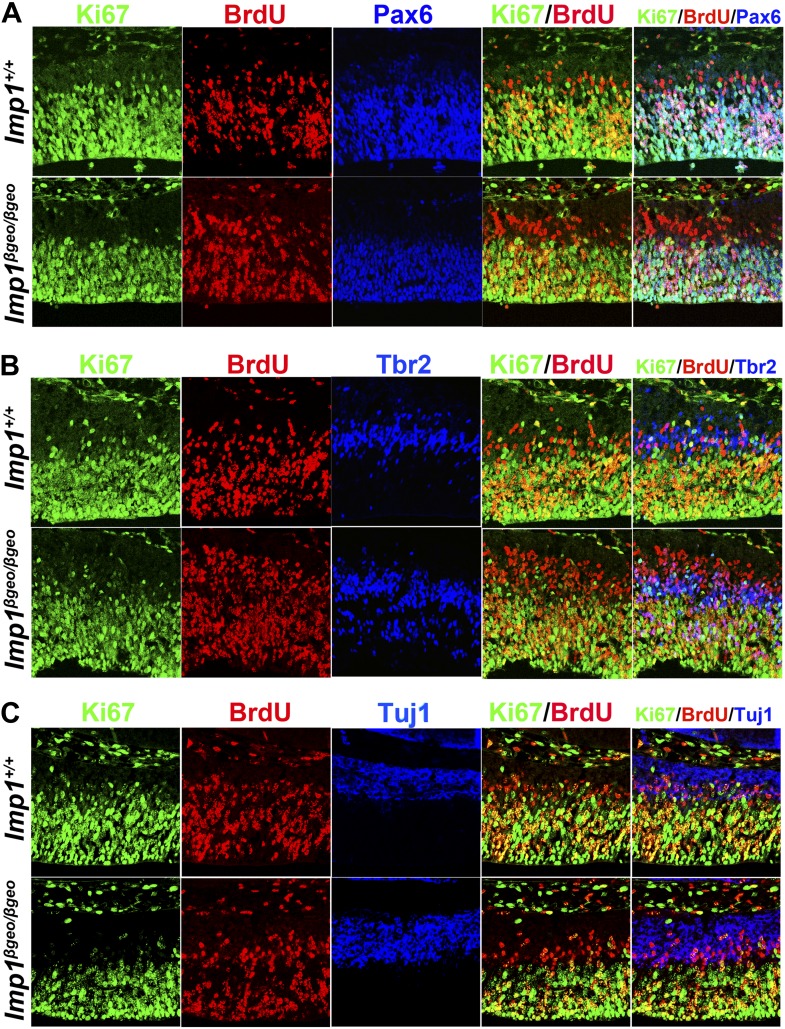
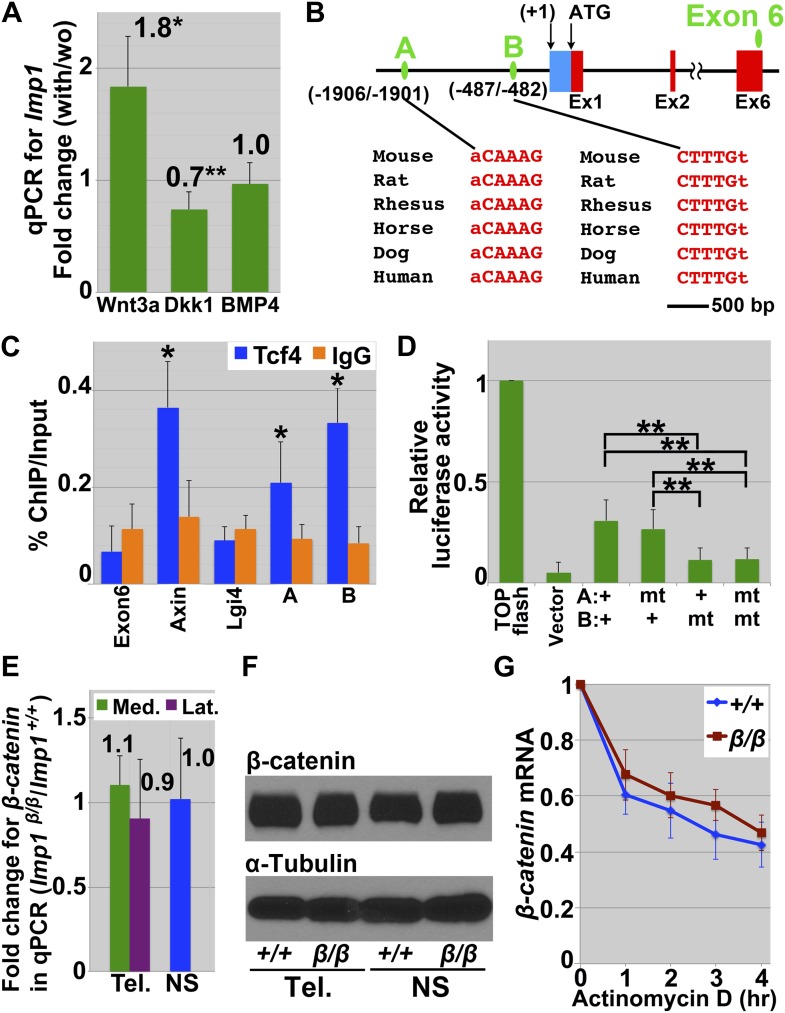
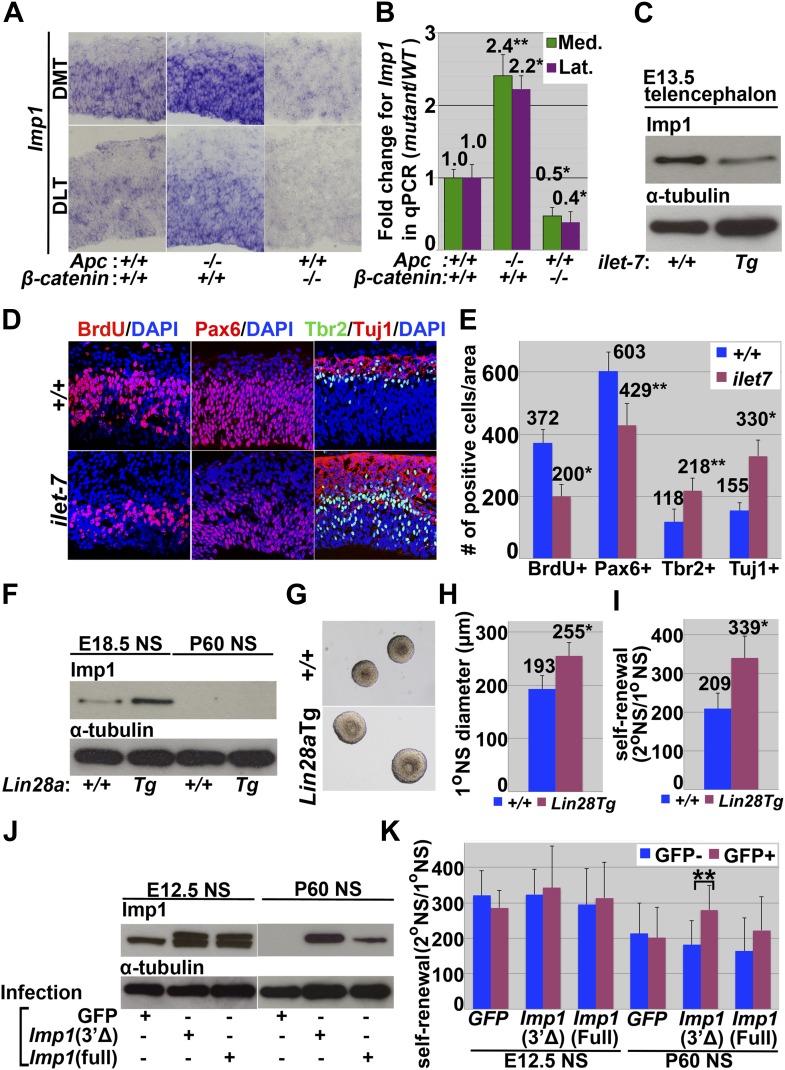
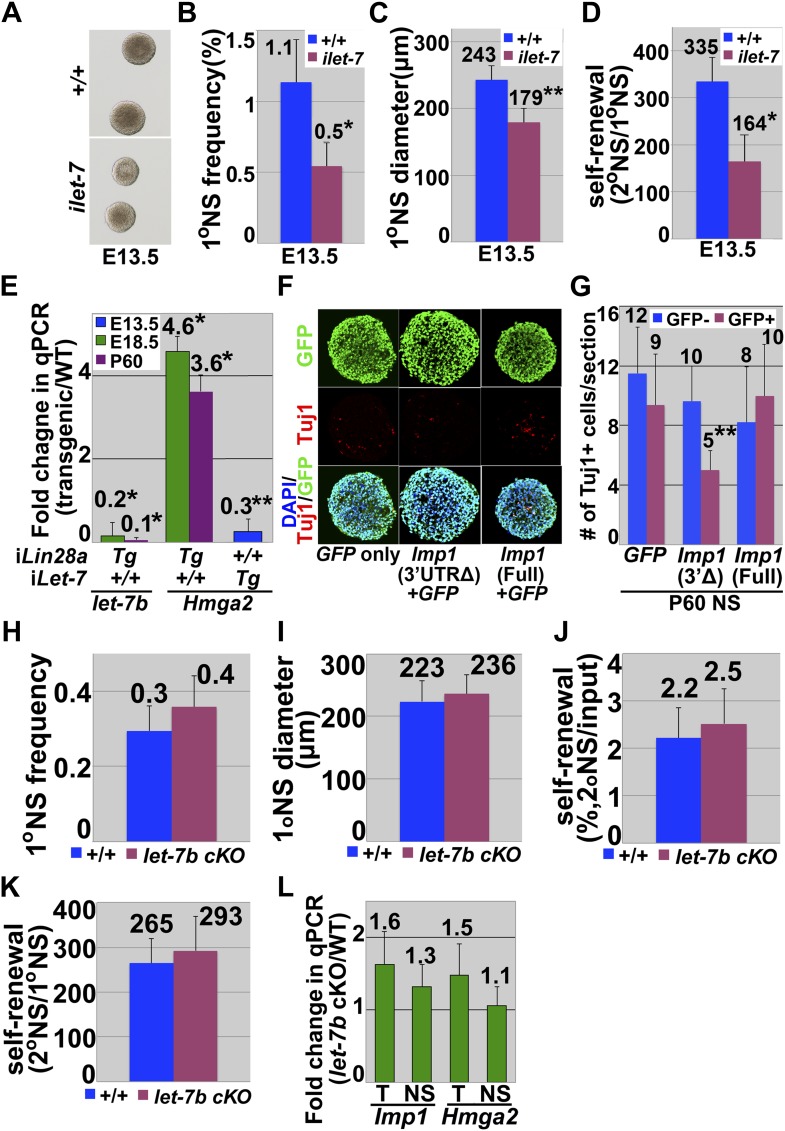
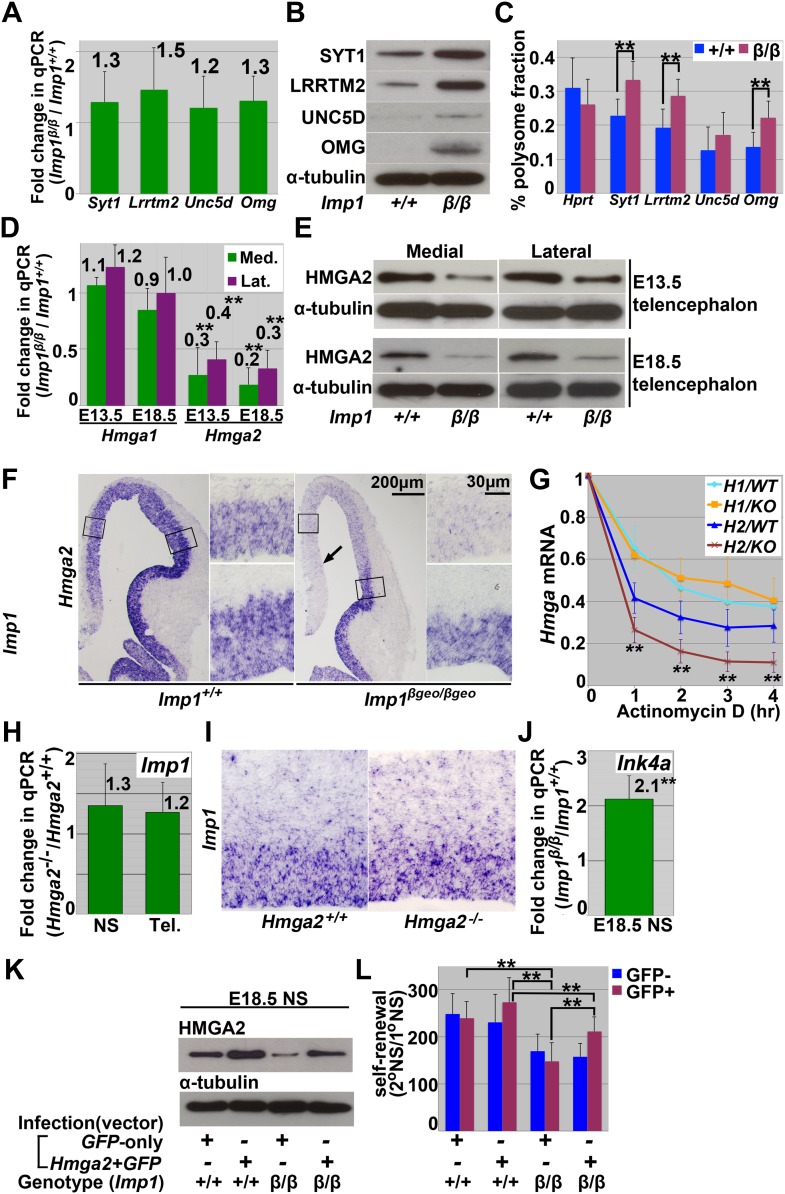
Stem cell properties change over time to match the changing growth and regeneration demands of tissues. We showed previously that adult forebrain stem cell function declines during aging because of increased expression of let-7 microRNAs, evolutionarily conserved heterochronic genes that reduce HMGA2 expression. Here we asked whether let-7 targets also regulate changes between fetal and adult stem cells. We found a second let-7 target, the RNA binding protein IMP1, that is expressed by fetal, but not adult, neural stem cells. IMP1 expression was promoted by Wnt signaling and Lin28a expression and opposed by let-7 microRNAs. Imp1-deficient neural stem cells were prematurely depleted in the dorsal telencephalon due to accelerated differentiation, impairing pallial expansion. IMP1 post-transcriptionally inhibited the expression of differentiation-associated genes while promoting the expression of self-renewal genes, including Hmga2. A network of heterochronic gene products including Lin28a, let-7, IMP1, and HMGA2 thus regulates temporal changes in stem cell properties. DOI: http://dx.doi.org/10.7554/eLife.00924.001.
干细胞特性会随时间变化,以适应组织不断变化的生长和再生需求。我们之前表明,由于let-7微小RNA(一种进化上保守的异时性基因,可降低HMGA2表达)表达增加,成年前脑干细胞功能在衰老过程中会下降。在这里,我们探讨了let-7的靶标是否也调控胎儿和成年干细胞之间的变化。我们发现了let-7的另一个靶标——RNA结合蛋白IMP1,它由胎儿神经干细胞而非成年神经干细胞表达。IMP1的表达受Wnt信号和Lin28a表达的促进,并受到let-7微小RNA的抑制。由于分化加速,Imp1基因缺陷的神经干细胞在背侧端脑过早耗尽,损害了大脑皮层的扩展。IMP1在转录后抑制分化相关基因的表达,同时促进包括Hmga2在内的自我更新基因的表达。因此,包括Lin28a、let-7、IMP1和HMGA2在内的异时性基因产物网络调控着干细胞特性的时间变化。DOI: http://dx.doi.org/10.7554/eLife.00924.001