Institute of Cancer Therapeutics, University of Bradford, Bradford, United Kingdom.
PLoS One. 2013 Oct 18;8(10):e78744. doi: 10.1371/journal.pone.0078744. eCollection 2013.
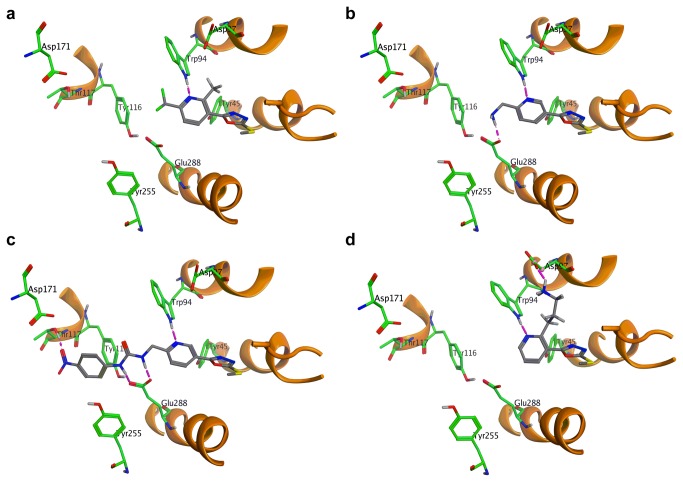
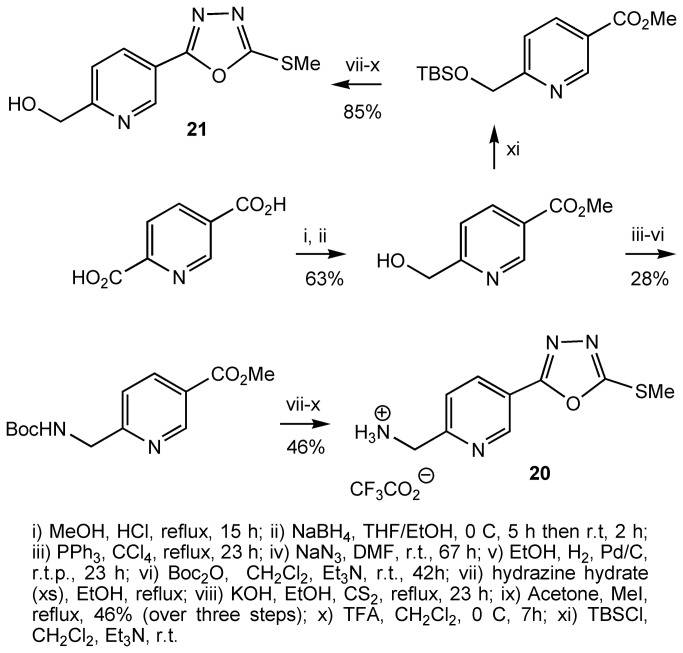
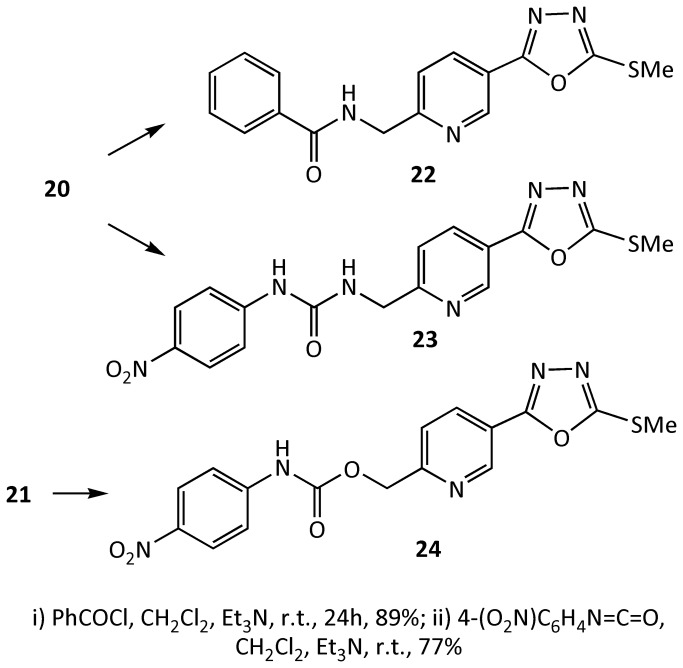
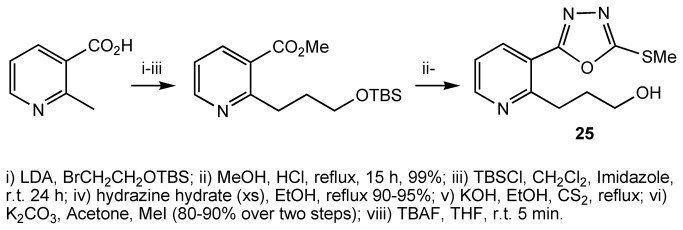
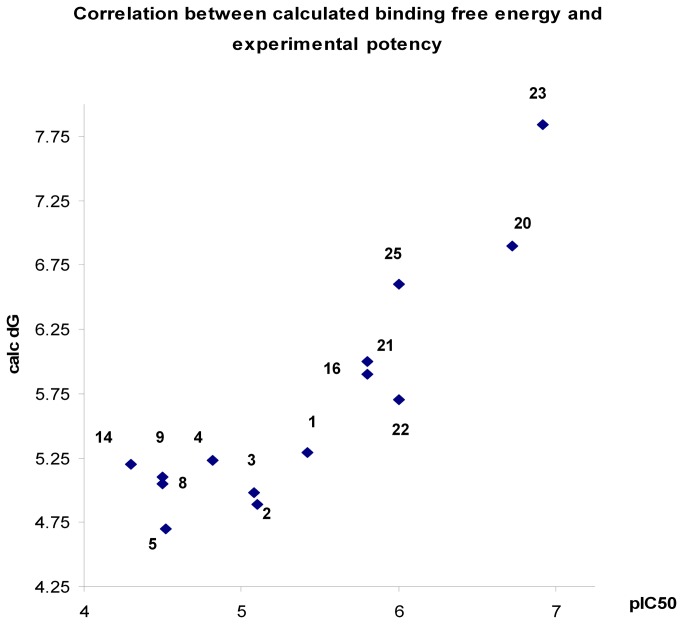
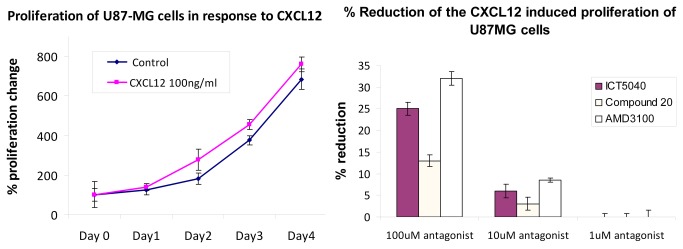
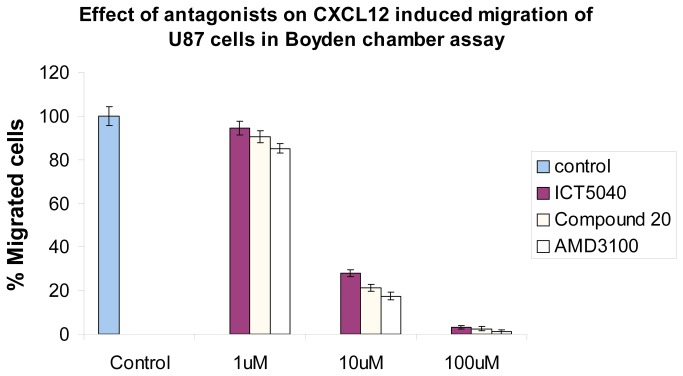
Amongst the chemokine signalling axes involved in cancer, chemokine CXCL12 acting on chemokine receptor CXCR4 is particularly significant since it orchestrates migration of cancer cells in a tissue-specific metastatic process. High CXCR4 tumour expression is associated with poor prognosis of lung, brain, CNS, blood and breast cancers. We have identified a new class of small molecule CXCR4 antagonists based on the use of computational modelling studies in concert with experimental determination of in vitro activity against CXCL12-induced intracellular calcium mobilisation, proliferation and chemotaxis. Molecular modelling proved to be a useful tool in rationalising our observed potencies, as well as informing the direction of the synthetic efforts aimed at producing more potent compounds.
在涉及癌症的趋化因子信号轴中,趋化因子 CXCL12 作用于趋化因子受体 CXCR4 尤为重要,因为它在组织特异性转移过程中协调癌细胞的迁移。高 CXCR4 肿瘤表达与肺癌、脑癌、中枢神经系统癌、血液癌和乳腺癌的预后不良有关。我们已经基于使用计算建模研究以及体外活性测定的协同作用,鉴定了一类新的小分子 CXCR4 拮抗剂,该测定针对 CXCL12 诱导的细胞内钙动员、增殖和趋化作用。分子建模被证明是一种有用的工具,可以合理地解释我们观察到的效力,以及为旨在产生更有效化合物的合成努力提供信息。