Department of Pathology, University of Chicago, Chicago, IL 60637;
J Immunol. 2013 Dec 15;191(12):5973-83. doi: 10.4049/jimmunol.1301521. Epub 2013 Nov 15.
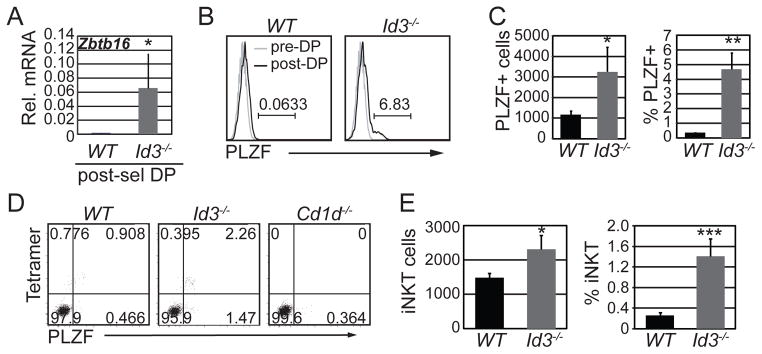
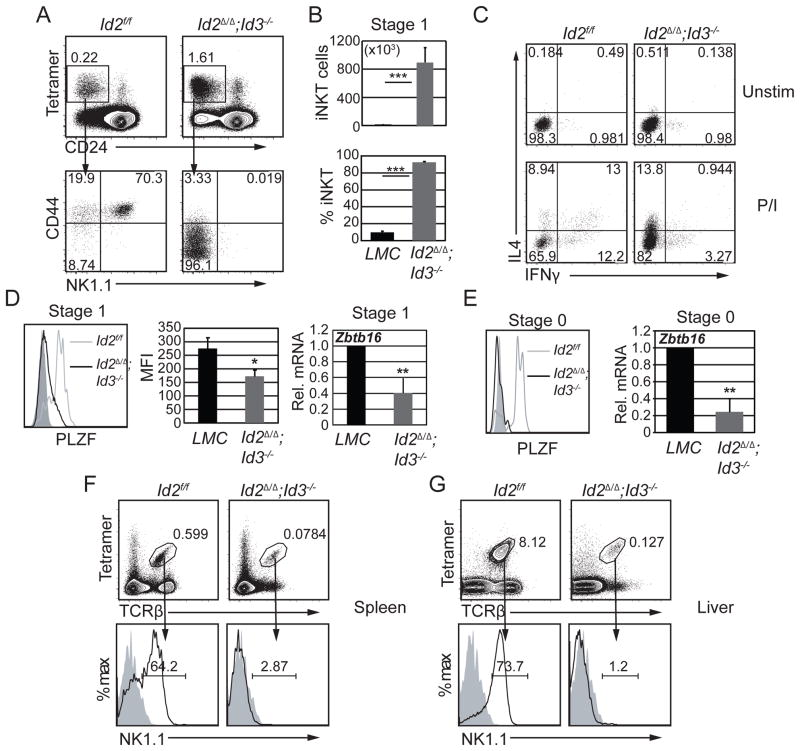
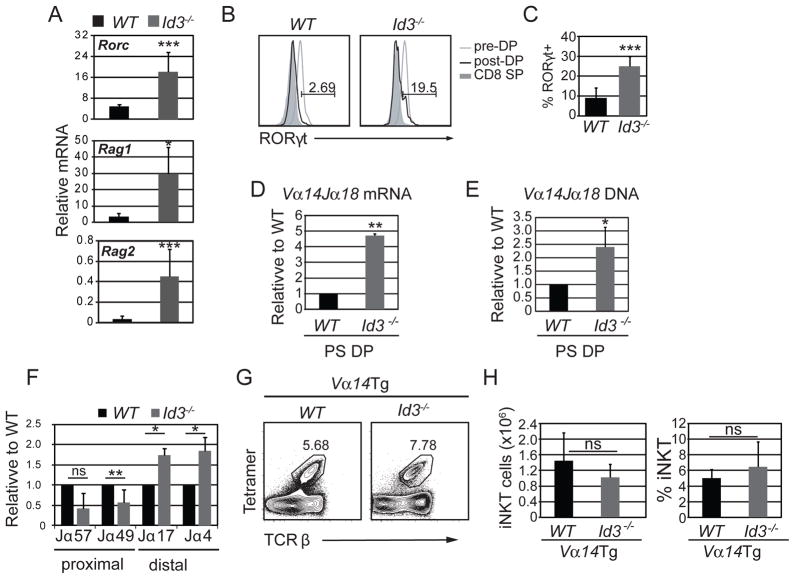
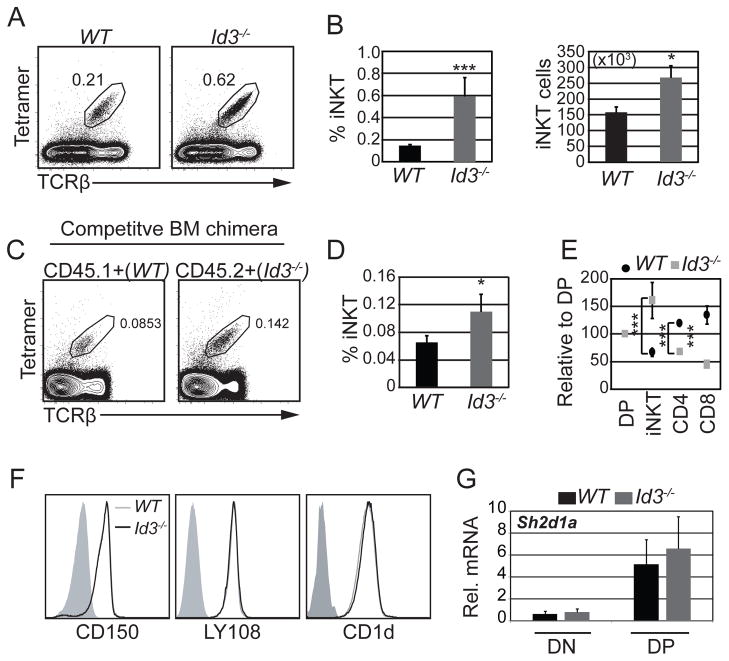
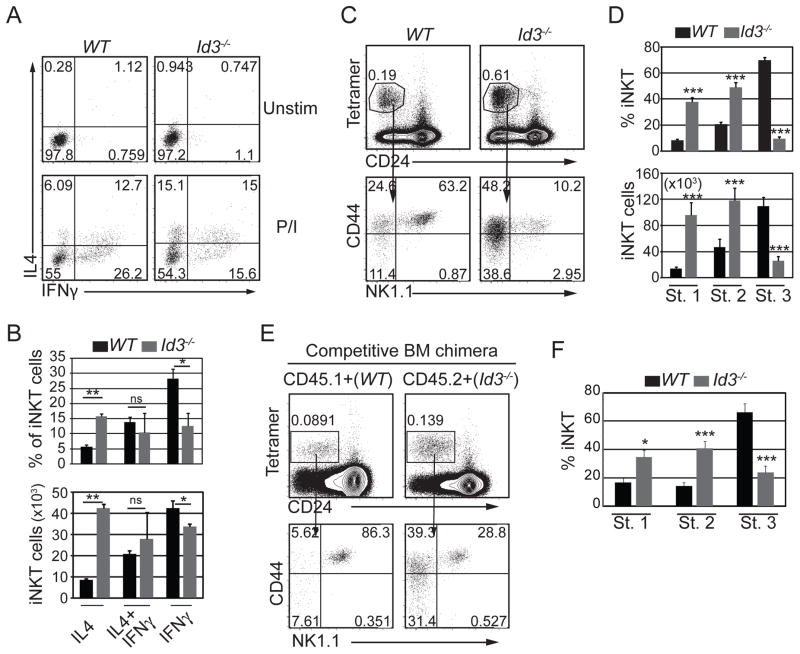
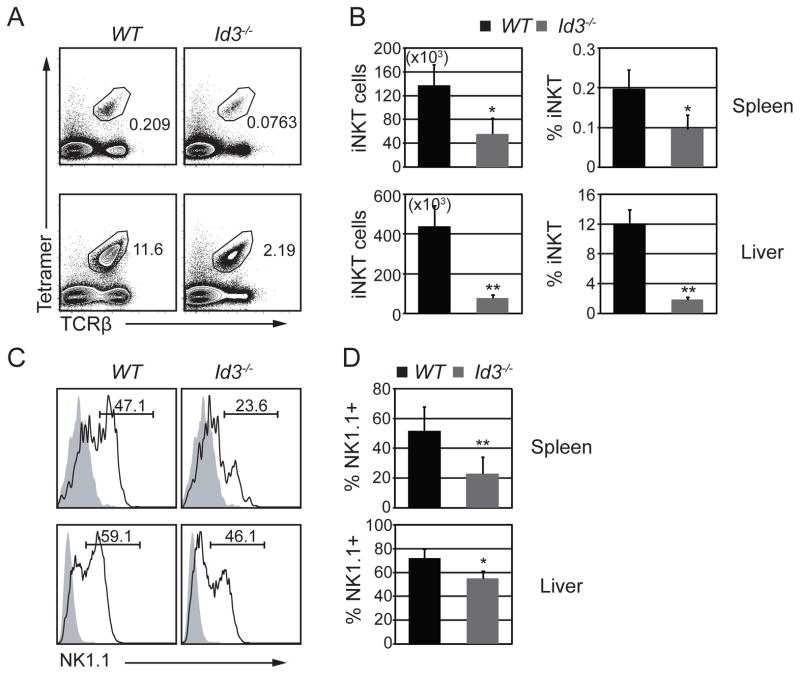
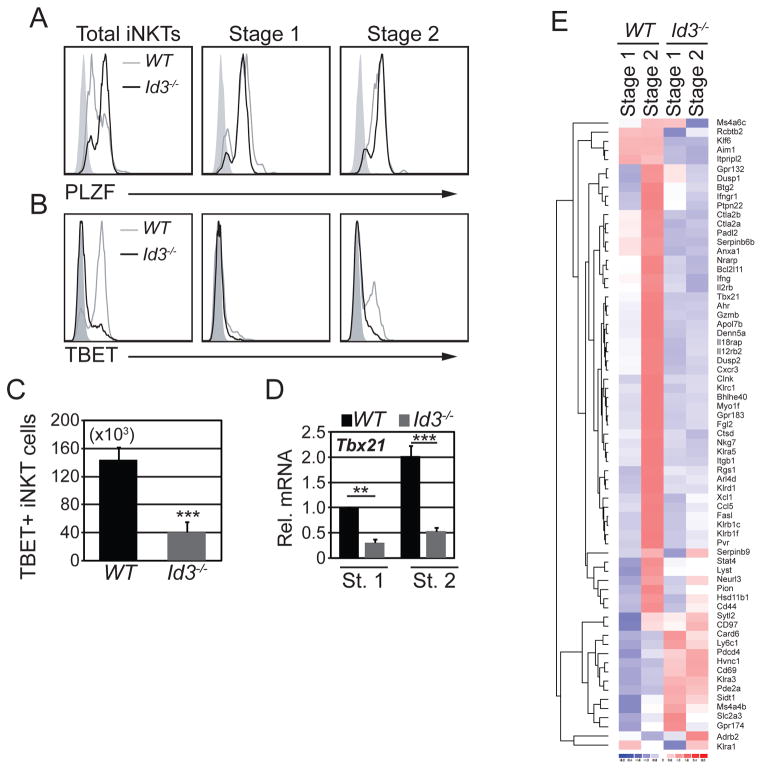
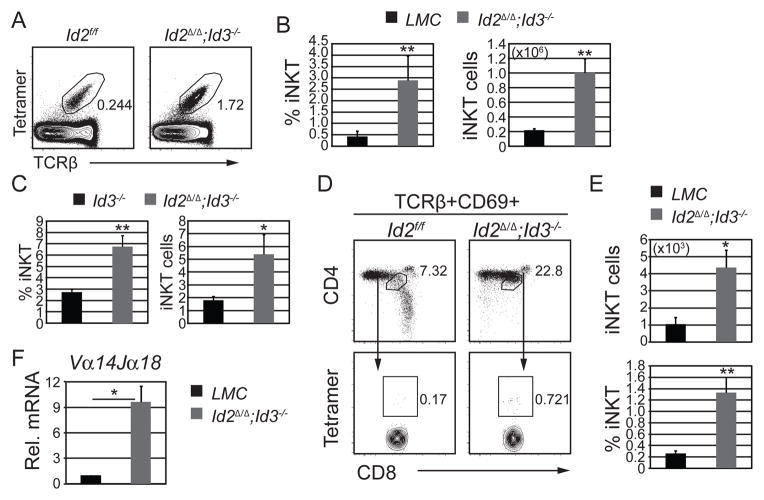
Invariant NKT (iNKT) cells display characteristics of both adaptive and innate lymphoid cells (ILCs). Like other ILCs, iNKT cells constitutively express ID proteins, which antagonize the E protein transcription factors that are essential for adaptive lymphocyte development. However, unlike ILCs, ID2 is not essential for thymic iNKT cell development. In this study, we demonstrated that ID2 and ID3 redundantly promoted iNKT cell lineage specification involving the induction of the signature transcription factor PLZF and that ID3 was critical for development of TBET-dependent NKT1 cells. In contrast, both ID2 and ID3 limited iNKT cell numbers by enforcing the postselection checkpoint in conventional thymocytes. Therefore, iNKT cells show both adaptive and innate-like requirements for ID proteins at distinct checkpoints during iNKT cell development.
不变自然杀伤 T(iNKT)细胞兼具适应性和先天淋巴细胞(ILC)的特征。与其他 ILC 一样,iNKT 细胞持续表达 ID 蛋白,其拮抗对适应性淋巴细胞发育至关重要的 E 蛋白转录因子。然而,与 ILC 不同的是,ID2 对胸腺 iNKT 细胞的发育并非必需。在这项研究中,我们证明 ID2 和 ID3 可通过诱导特征性转录因子 PLZF 来促进 iNKT 细胞谱系的特化,并且 ID3 对依赖 TBET 的 NKT1 细胞的发育至关重要。相比之下,ID2 和 ID3 通过在常规胸腺细胞中强制执行后选择检查点,从而限制 iNKT 细胞的数量。因此,iNKT 细胞在 iNKT 细胞发育的不同检查点表现出对 ID 蛋白的适应性和先天样需求。