Department of Surgery, 2 Department of Developmental Biology, and 3 Department of Pathology, Memorial Sloan-Kettering Cancer Center, New York, NY 10065.
J Exp Med. 2013 Dec 16;210(13):2873-86. doi: 10.1084/jem.20130875. Epub 2013 Dec 9.
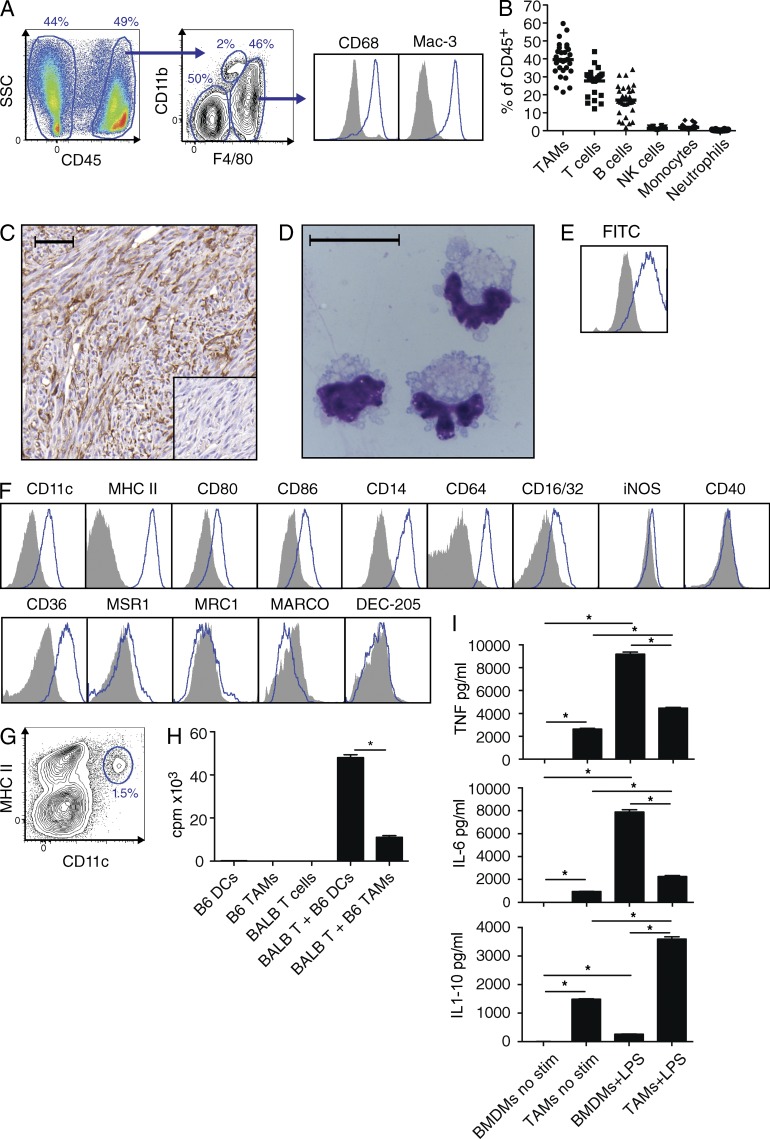
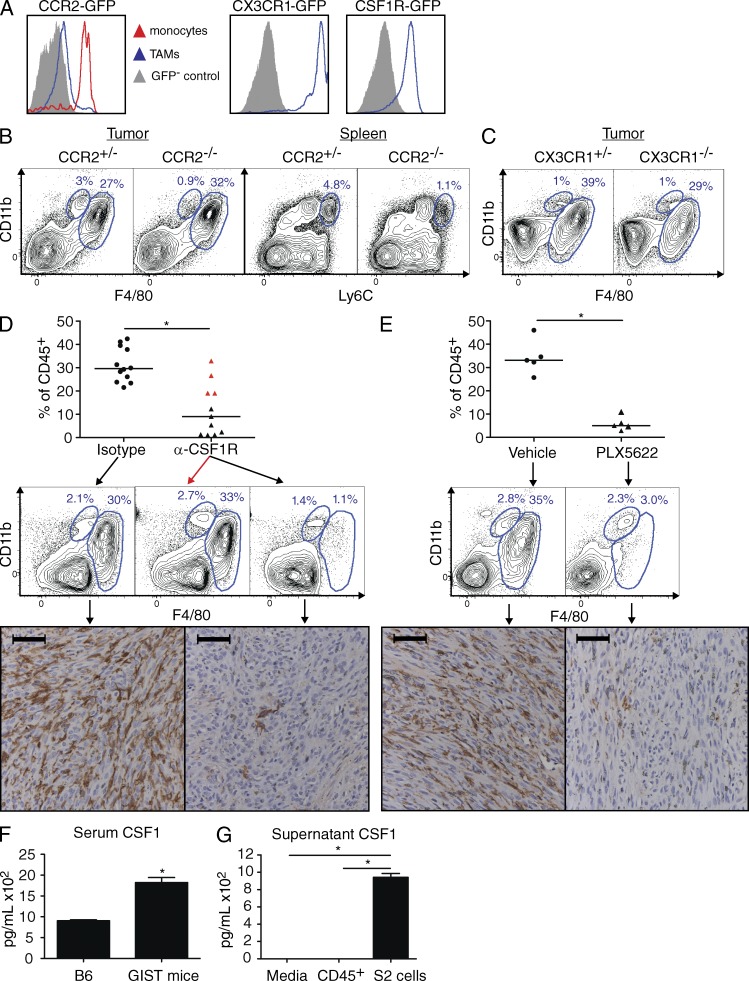
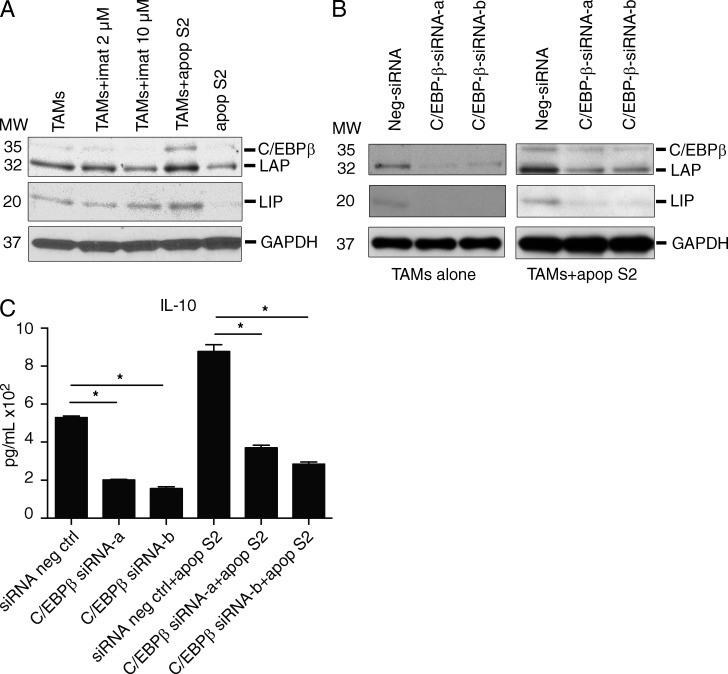
Tumor-associated macrophages (TAMs) are a major component of the cancer microenvironment. Modulation of TAMs is under intense investigation because they are thought to be nearly always of the M2 subtype, which supports tumor growth. Gastrointestinal stromal tumor (GIST) is the most common human sarcoma and typically results from an activating mutation in the KIT oncogene. Using a spontaneous mouse model of GIST and 57 freshly procured human GISTs, we discovered that TAMs displayed an M1-like phenotype and function at baseline. In both mice and humans, the KIT oncoprotein inhibitor imatinib polarized TAMs to become M2-like, a process which involved TAM interaction with apoptotic tumor cells leading to the induction of CCAAT/enhancer binding protein (C/EBP) transcription factors. In human GISTs that eventually developed resistance to imatinib, TAMs reverted to an M1-like phenotype and had a similar gene expression profile as TAMs from untreated human GISTs. Therefore, TAM polarization depends on tumor cell oncogene activity and has important implications for immunotherapeutic strategies in human cancers.
肿瘤相关巨噬细胞(TAMs)是癌症微环境的主要组成部分。由于 TAMs 几乎总是 M2 亚型,支持肿瘤生长,因此对 TAMs 的调节受到了强烈的研究。胃肠道间质瘤(GIST)是最常见的人类肉瘤,通常源于 KIT 癌基因的激活突变。我们使用 GIST 的自发性小鼠模型和 57 个新采集的人类 GIST 发现,TAMs 在基线时表现出 M1 样表型和功能。在小鼠和人类中,KIT 癌蛋白抑制剂伊马替尼使 TAMs 极化成为 M2 样,这一过程涉及 TAM 与凋亡肿瘤细胞的相互作用,导致 CCAAT/增强子结合蛋白(C/EBP)转录因子的诱导。在最终对伊马替尼产生耐药性的人类 GIST 中,TAMs 恢复为 M1 样表型,并且与未治疗的人类 GIST 的 TAMs 具有相似的基因表达谱。因此,TAM 极化取决于肿瘤细胞癌基因活性,这对人类癌症的免疫治疗策略具有重要意义。