Koduru Janardhan Reddy, Chang Yoon-Young, Yang Jae-Kyu, Kim Im-Soon
Graduate School of Environmental Studies, Kwangwoon University, Wolgye-Dong, Nowon-Gu, Seoul 139-701, Republic of Korea.
ScientificWorldJournal. 2013 Nov 10;2013:917146. doi: 10.1155/2013/917146. eCollection 2013.
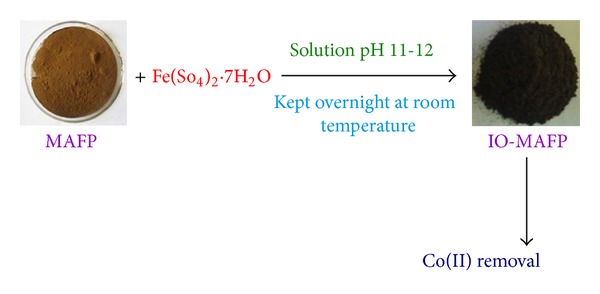
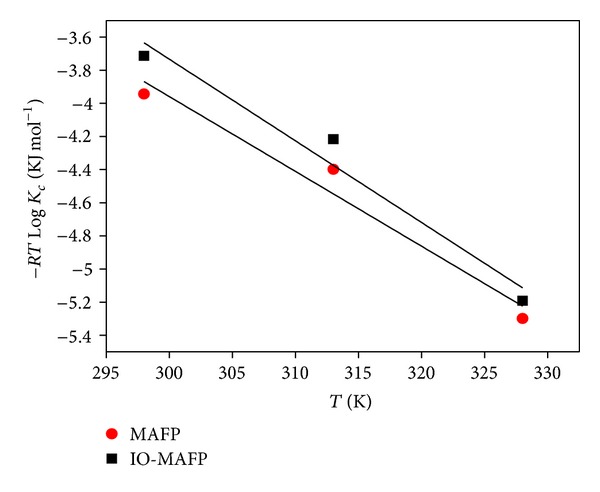
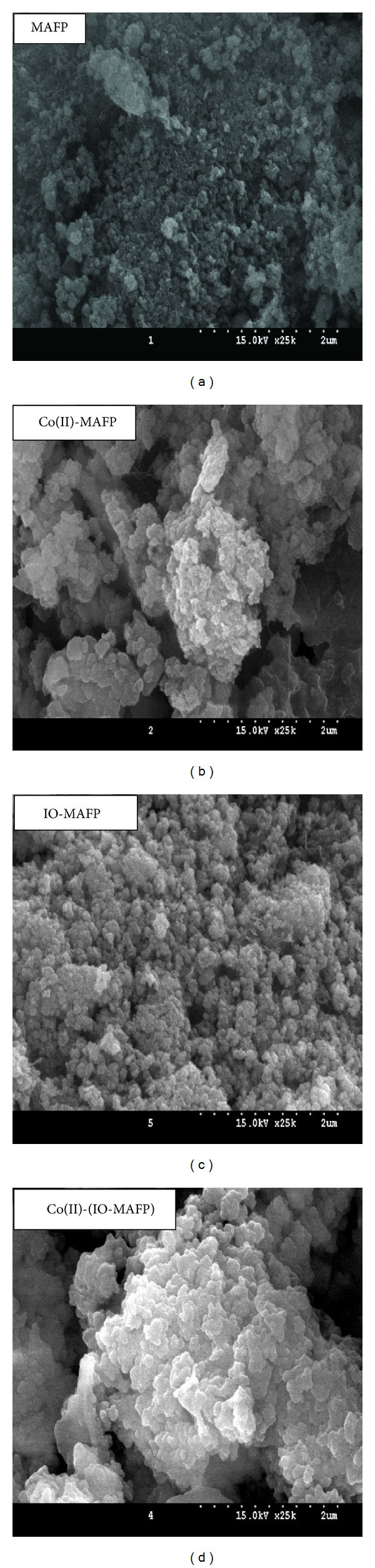
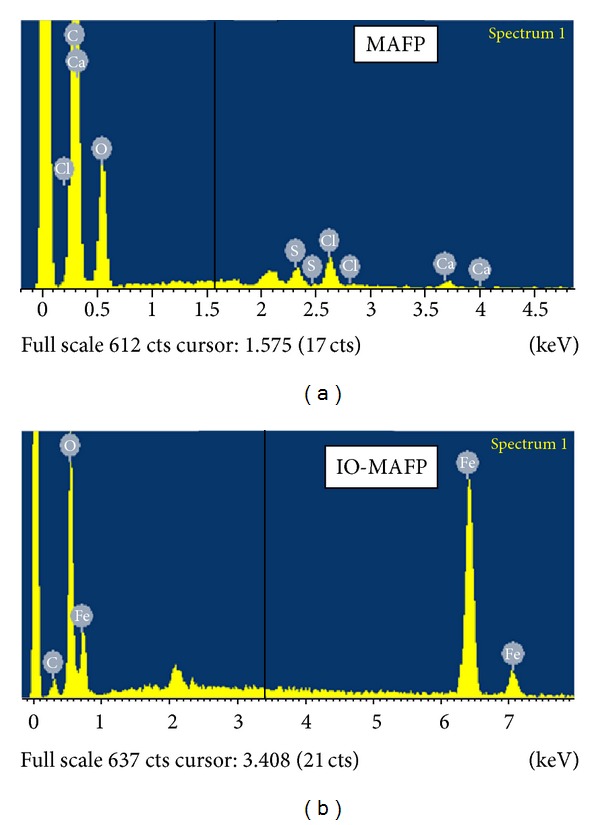
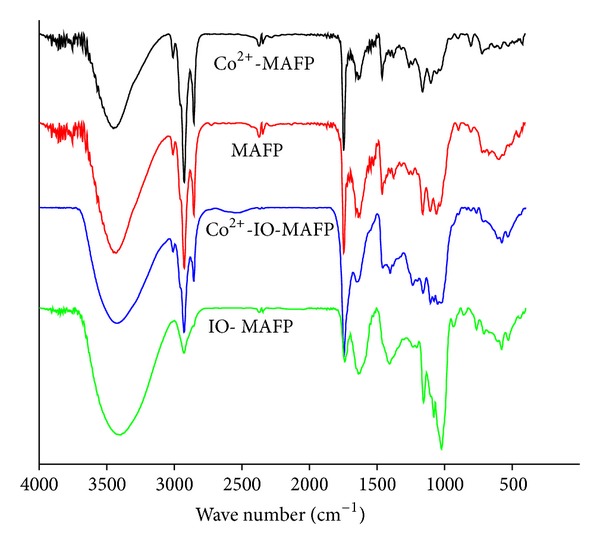
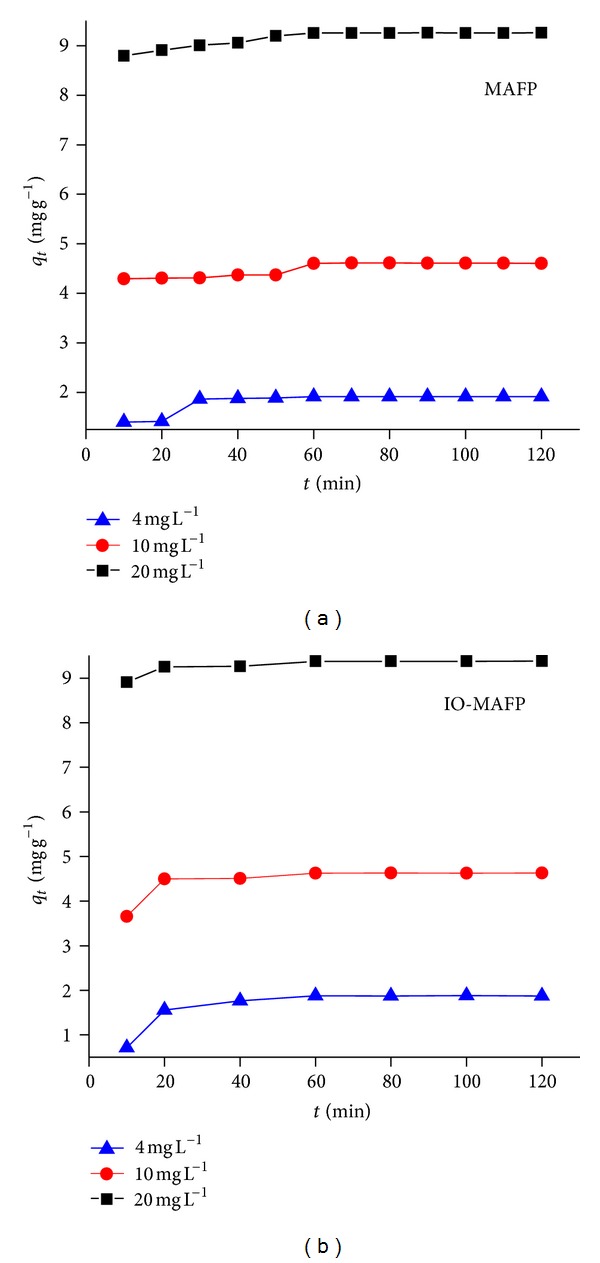
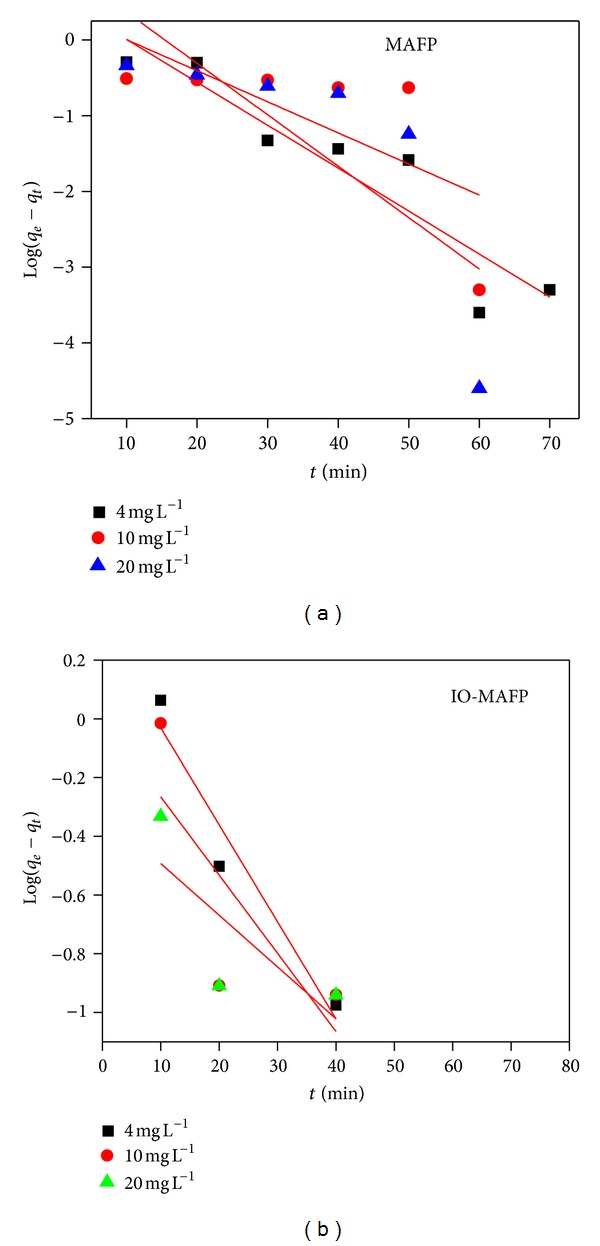
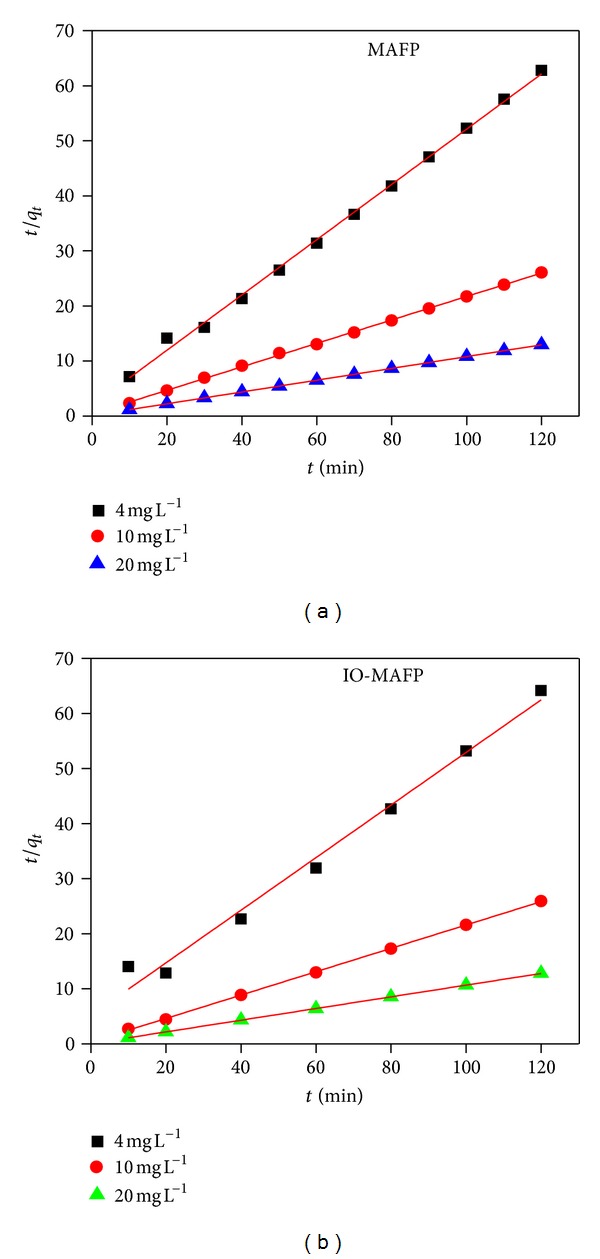
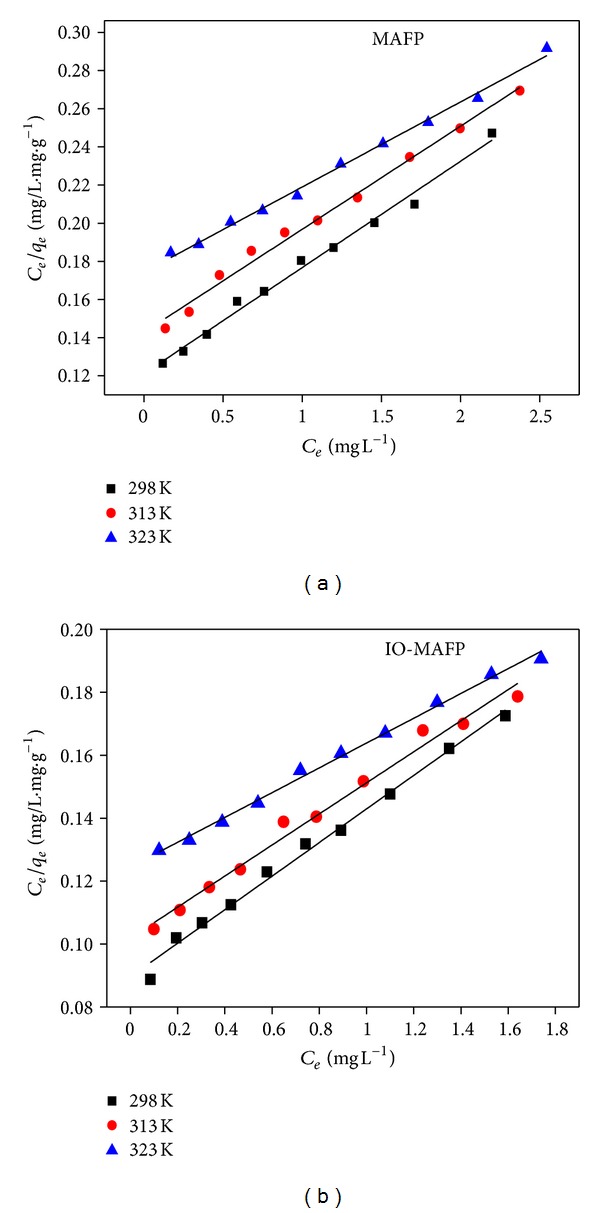
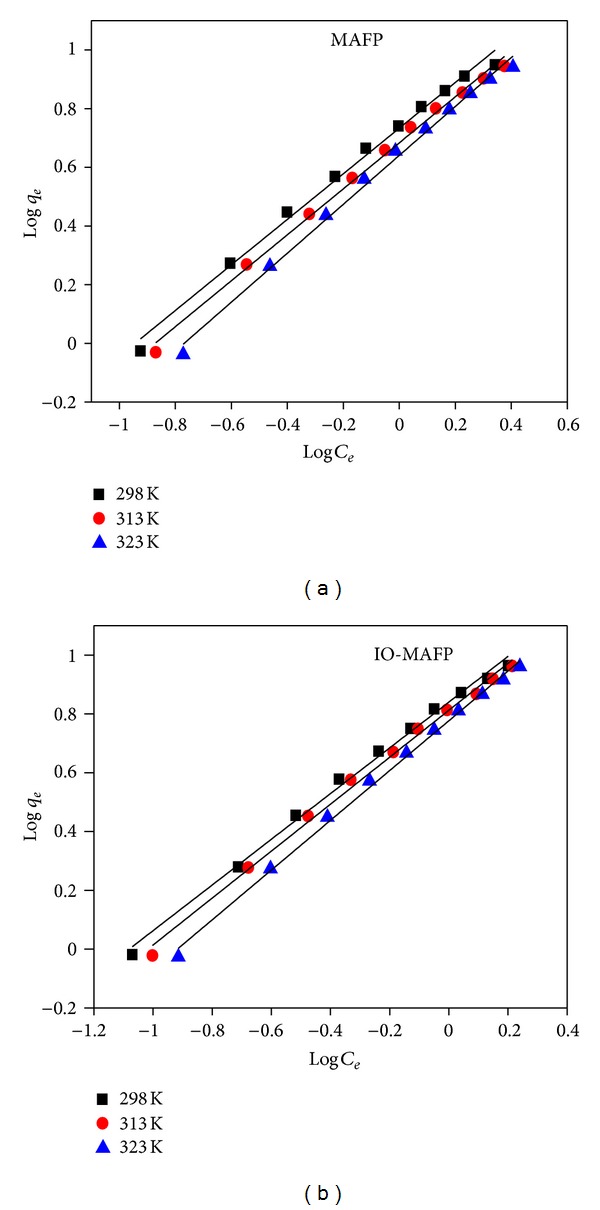
Biosorption is an ecofriendly wastewater treatment technique with high efficiency and low operating cost involving simple process for the removal of heavy metal ions from aqueous solution. In the present investigation, Morus alba L. fruit peel powder (MAFP) and iron oxide impregnated Morus alba L. fruit peel powder (IO-MAFP) were prepared and used for treating Co(II) contaminated aqueous solutions. Further the materials were characterized by using FTIR and SEM-EDX analysis. From FT-IR analysis it was found that hydroxyl, methoxy, and carbonyl groups are responsible for Co(II) biosorption. The kinetic data obtained for both biosorbents was well fitted with pseudo-second-order kinetic model. The equilibrium data was in tune with the Langmuir and Freundlich isotherm models. The thermodynamic studies were also carried and it was observed that sorption process was endothermic at 298-328 K. These studies demonstrated that both biosorbents were promising, efficient, economic, and biodegradable sorbents.
生物吸附是一种环保的废水处理技术,具有高效率和低运行成本,其过程简单,可用于从水溶液中去除重金属离子。在本研究中,制备了桑椹果皮粉末(MAFP)和氧化铁浸渍的桑椹果皮粉末(IO-MAFP),并用于处理钴(II)污染的水溶液。此外,通过傅里叶变换红外光谱(FTIR)和扫描电子显微镜-能谱分析(SEM-EDX)对材料进行了表征。通过FT-IR分析发现,羟基、甲氧基和羰基是钴(II)生物吸附的原因。两种生物吸附剂获得的动力学数据均与伪二级动力学模型拟合良好。平衡数据与朗缪尔等温线模型和弗伦德利希等温线模型相符。还进行了热力学研究,观察到在298-328K下吸附过程是吸热的。这些研究表明,两种生物吸附剂都是有前景、高效、经济且可生物降解的吸附剂。