Da Sacco Stefano, Lemley Kevin V, Sedrakyan Sargis, Zanusso Ilenia, Petrosyan Astgik, Peti-Peterdi Janos, Burford James, De Filippo Roger E, Perin Laura
GOFARR Laboratory for Organ Regenerative Research and Cell Therapeutics, Saban Research Institute, Children's Hospital Los Angeles; Department of Urology, University of Southern California, Los Angeles, California, United States of America.
Children's Hospital Los Angeles, Division of Nephrology; Department of Pediatrics, University of Southern California, Los Angeles, California, United States of America.
PLoS One. 2013 Dec 12;8(12):e81812. doi: 10.1371/journal.pone.0081812. eCollection 2013.
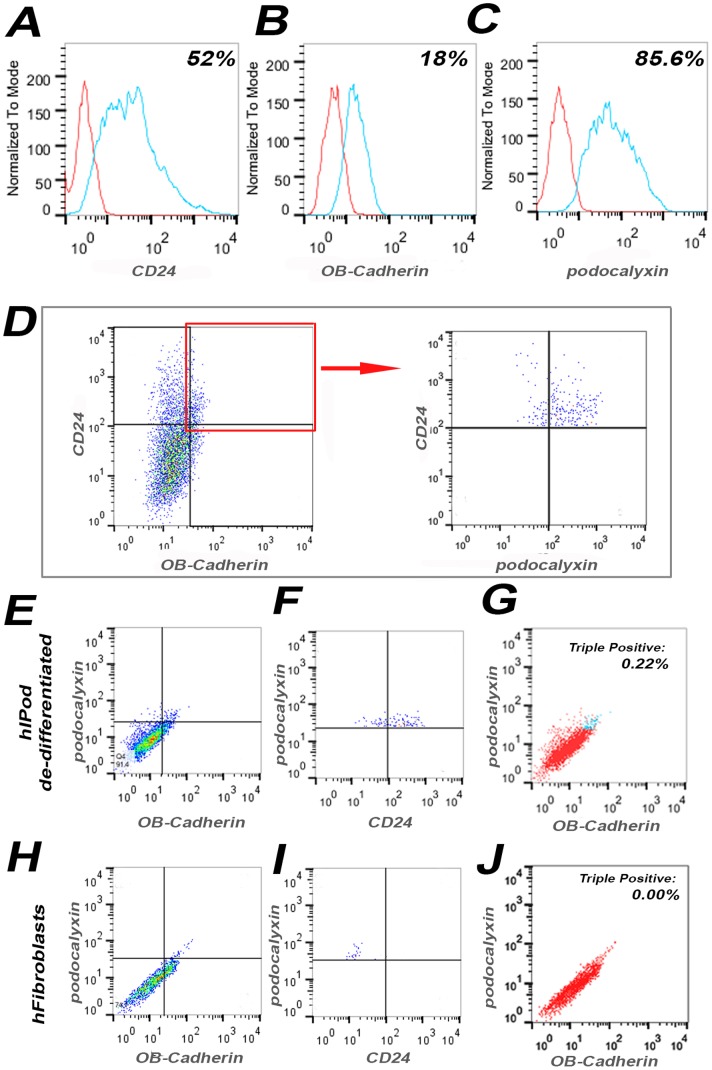
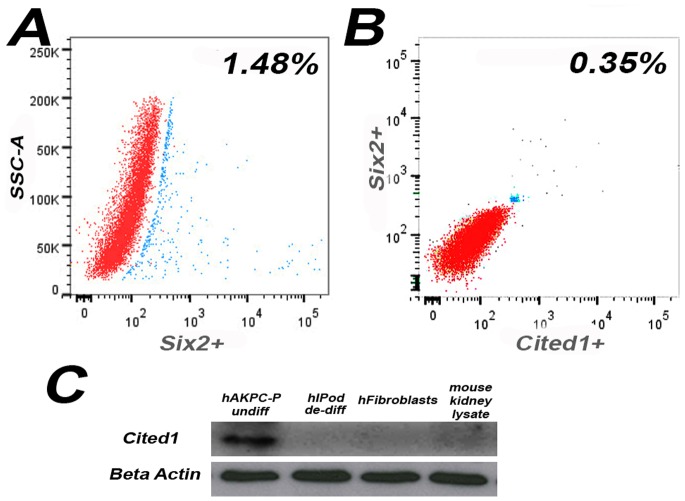
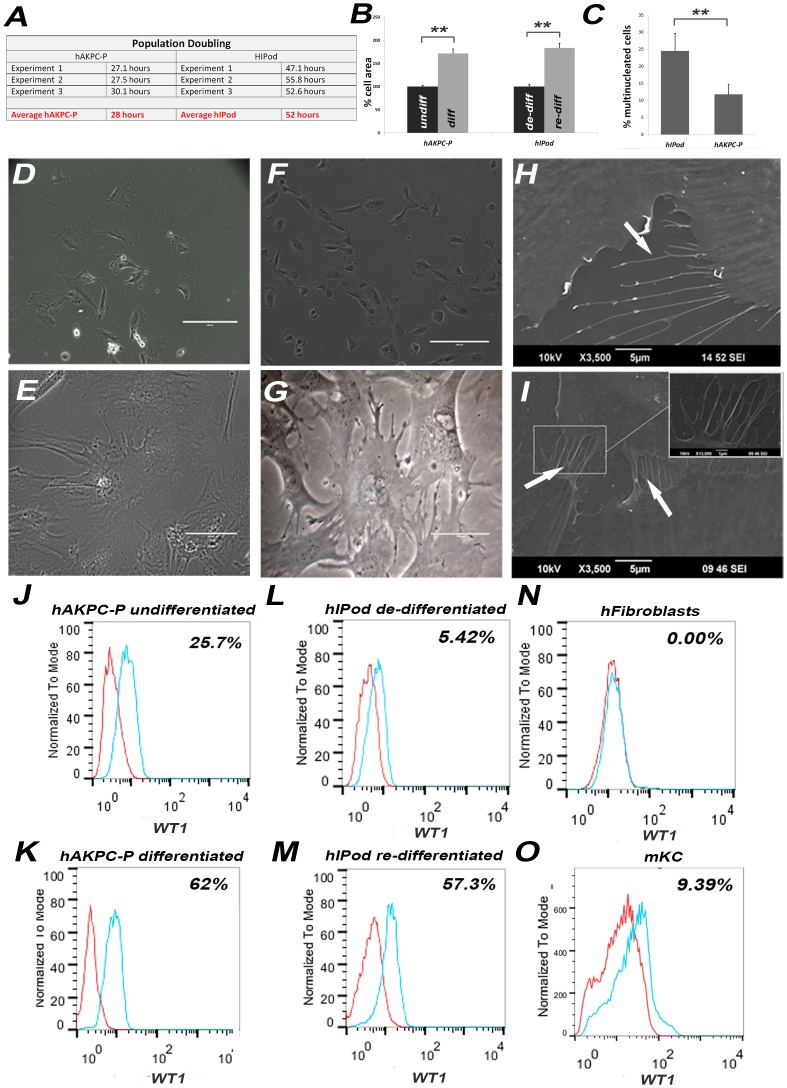
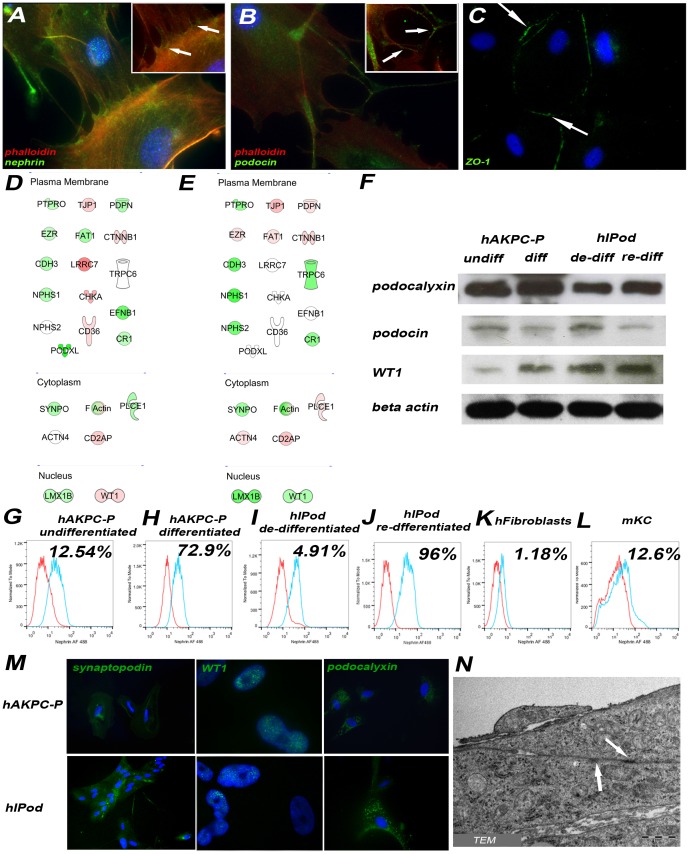
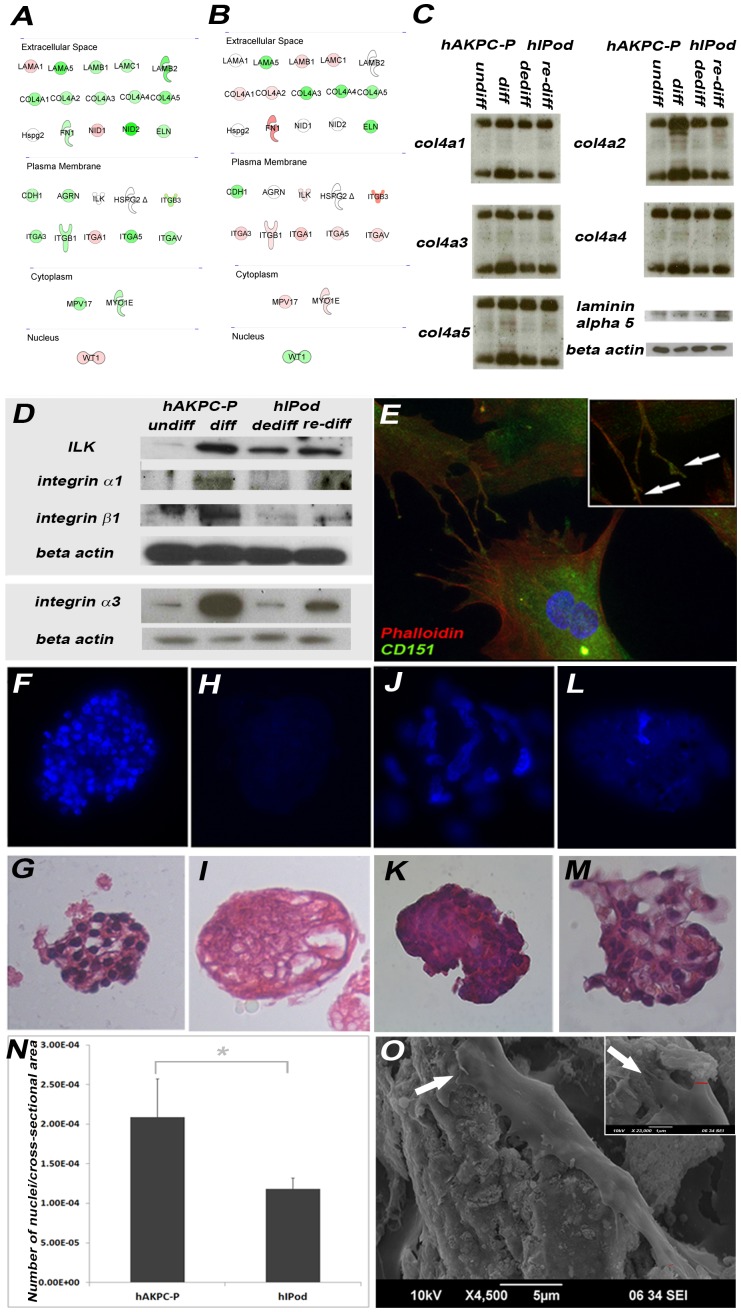
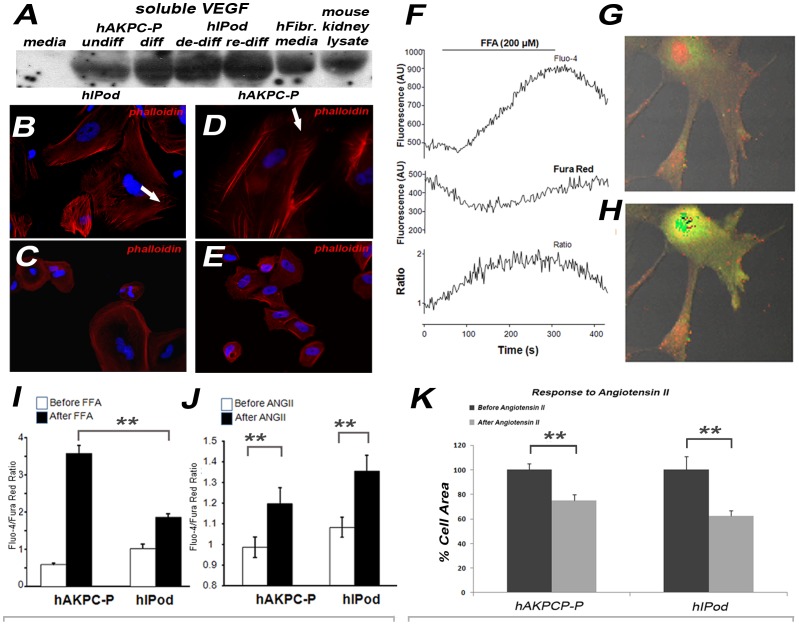
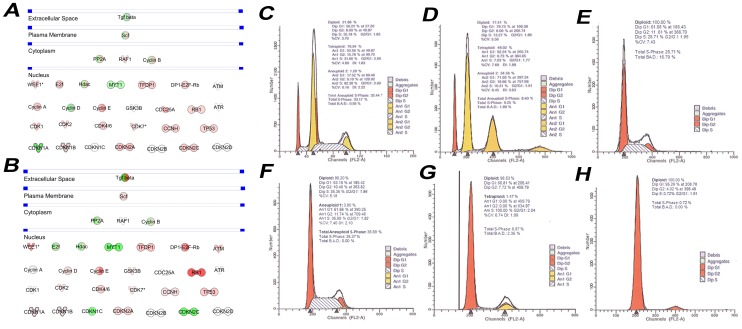
Amniotic fluid is in continuity with multiple developing organ systems, including the kidney. Committed, but still stem-like cells from these organs may thus appear in amniotic fluid. We report having established for the first time a stem-like cell population derived from human amniotic fluid and possessing characteristics of podocyte precursors. Using a method of triple positive selection we obtained a population of cells (hAKPC-P) that can be propagated in vitro for many passages without immortalization or genetic manipulation. Under specific culture conditions, these cells can be differentiated to mature podocytes. In this work we compared these cells with conditionally immortalized podocytes, the current gold standard for in vitro studies. After in vitro differentiation, both cell lines have similar expression of the major podocyte proteins, such as nephrin and type IV collagen, that are characteristic of mature functional podocytes. In addition, differentiated hAKPC-P respond to angiotensin II and the podocyte toxin, puromycin aminonucleoside, in a way typical of podocytes. In contrast to immortalized cells, hAKPC-P have a more nearly normal cell cycle regulation and a pronounced developmental pattern of specific protein expression, suggesting their suitability for studies of podocyte development for the first time in vitro. These novel progenitor cells appear to have several distinct advantages for studies of podocyte cell biology and potentially for translational therapies.
羊水与包括肾脏在内的多个正在发育的器官系统相连。因此,来自这些器官的定向但仍具有干细胞样特性的细胞可能会出现在羊水中。我们报告首次建立了一种源自人羊水的具有足细胞前体特征的干细胞样细胞群。通过三重阳性选择法,我们获得了一群细胞(hAKPC-P),它们可以在体外传代培养许多次而无需永生化或基因操作。在特定培养条件下,这些细胞可以分化为成熟的足细胞。在这项工作中,我们将这些细胞与条件性永生化足细胞(目前体外研究的金标准)进行了比较。体外分化后,两种细胞系主要足细胞蛋白(如nephrin和IV型胶原蛋白)的表达相似,这些蛋白是成熟功能性足细胞的特征。此外,分化后的hAKPC-P对血管紧张素II和足细胞毒素嘌呤霉素氨基核苷的反应方式与足细胞典型反应方式相同。与永生化细胞不同,hAKPC-P具有更接近正常的细胞周期调控和特定蛋白表达的明显发育模式,表明它们首次在体外适用于足细胞发育研究。这些新型祖细胞在足细胞生物学研究以及潜在的转化治疗方面似乎具有几个明显的优势。