Institute of Cellular Neurosciences, Medical Faculty, University of Bonn, Bonn, Germany.
Institute of Physiology I, Medical Faculty, Life and Brain Center, Bonn, Germany.
PLoS One. 2013 Dec 9;8(12):e82818. doi: 10.1371/journal.pone.0082818. eCollection 2013.
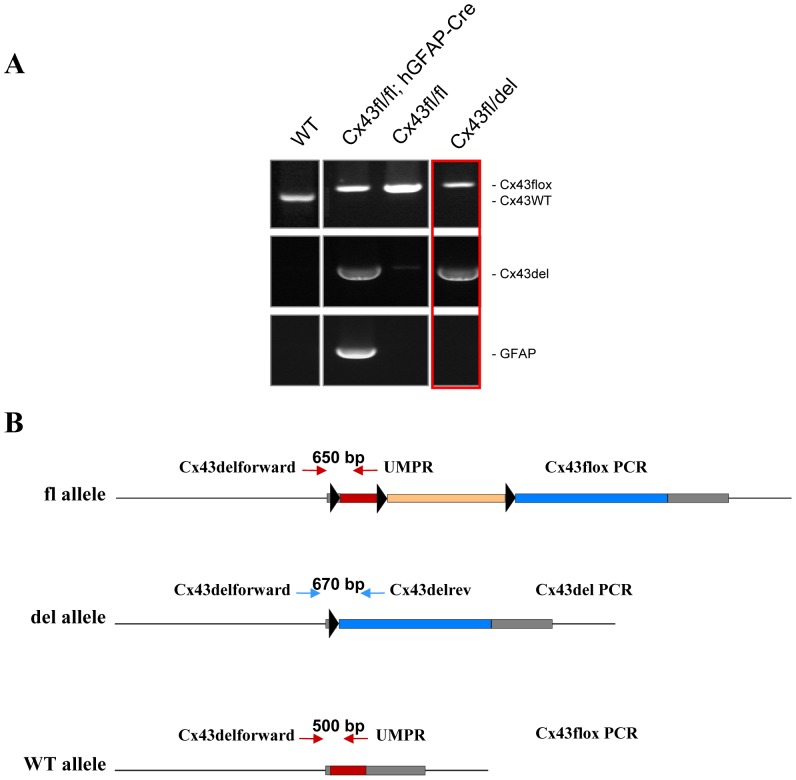
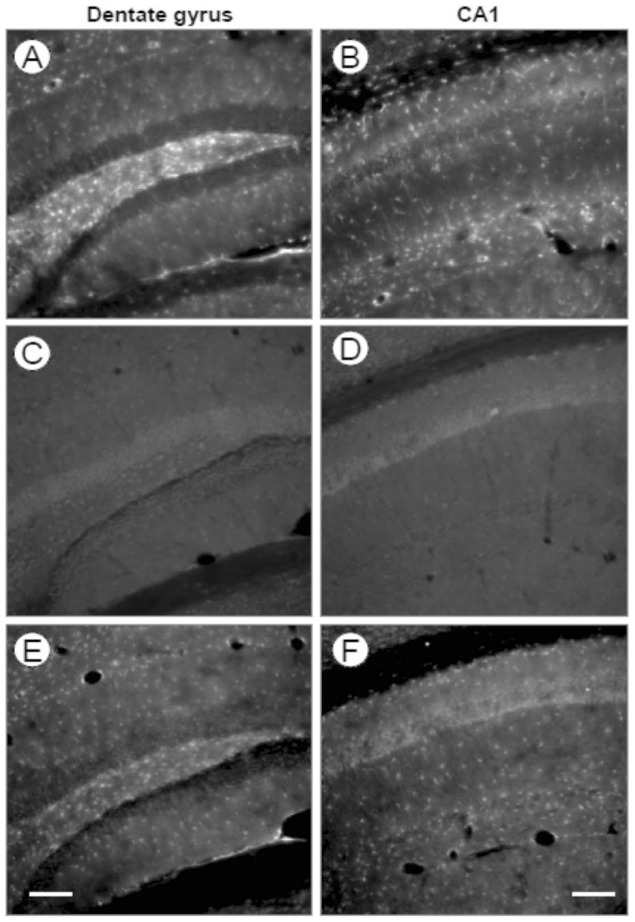
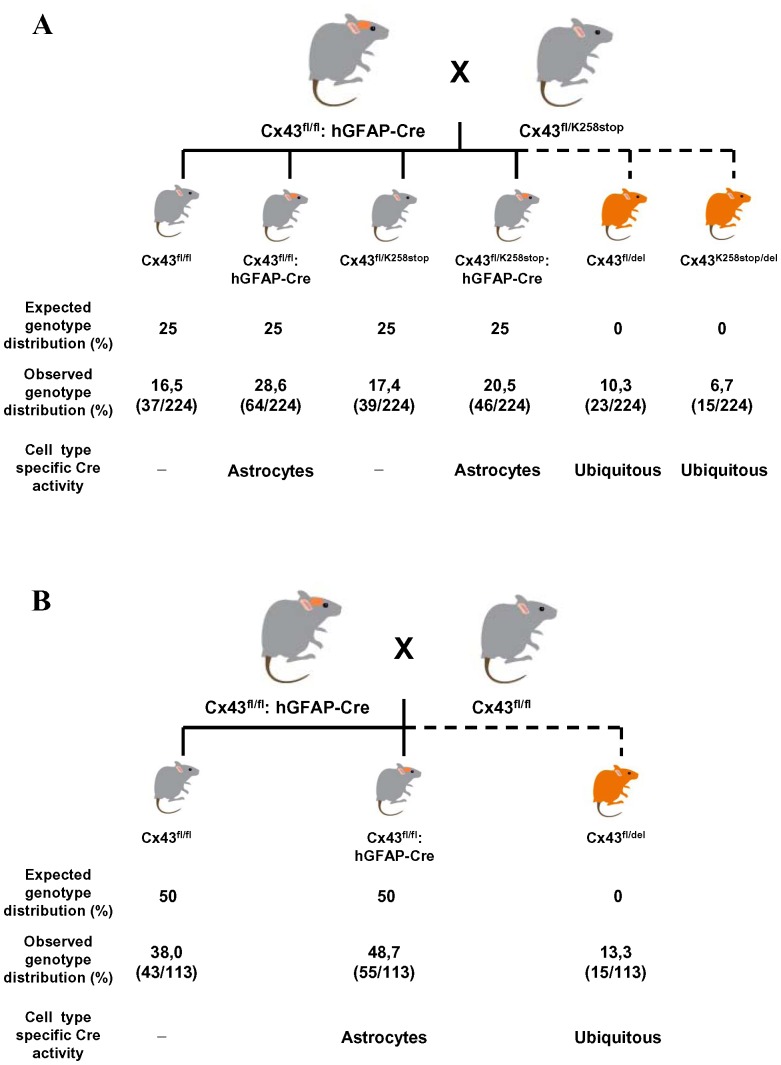
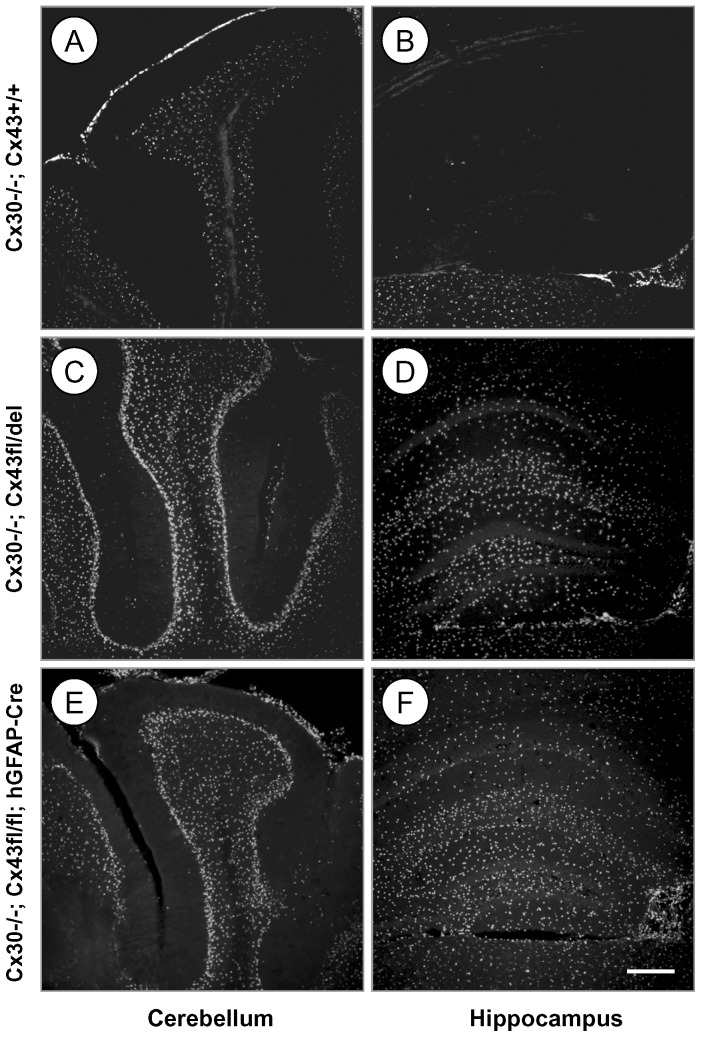
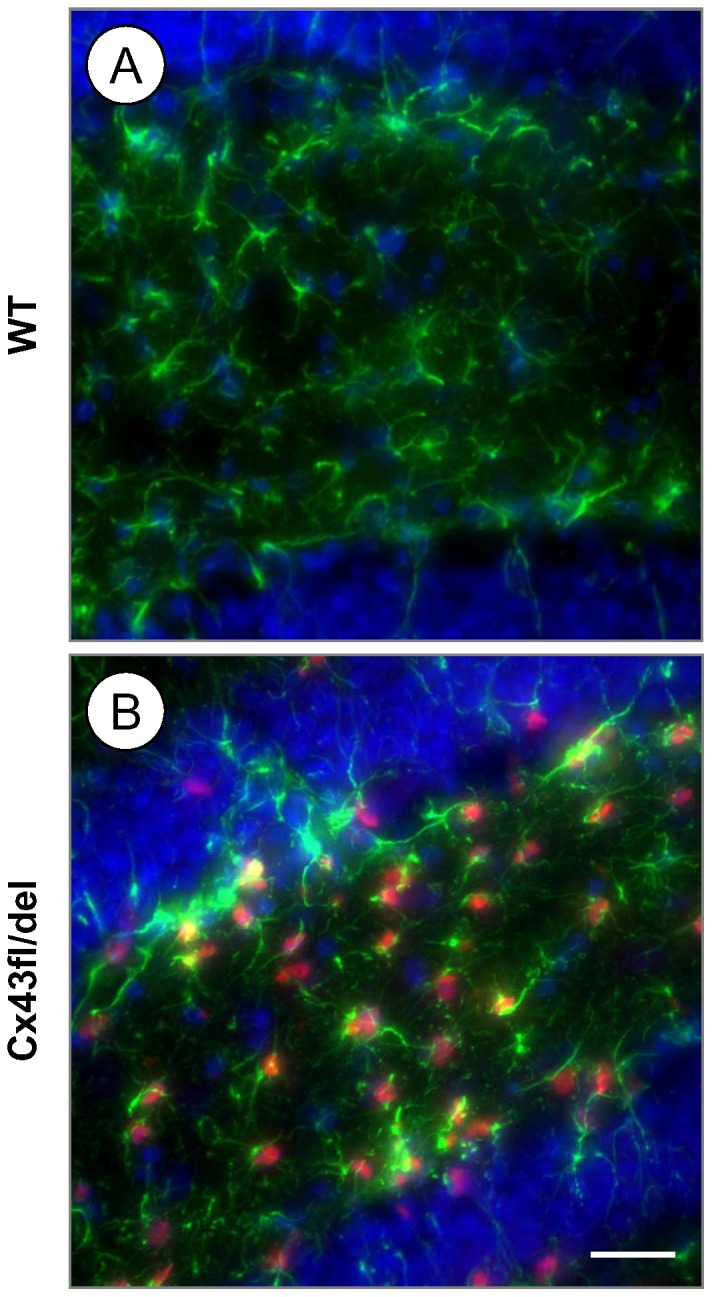
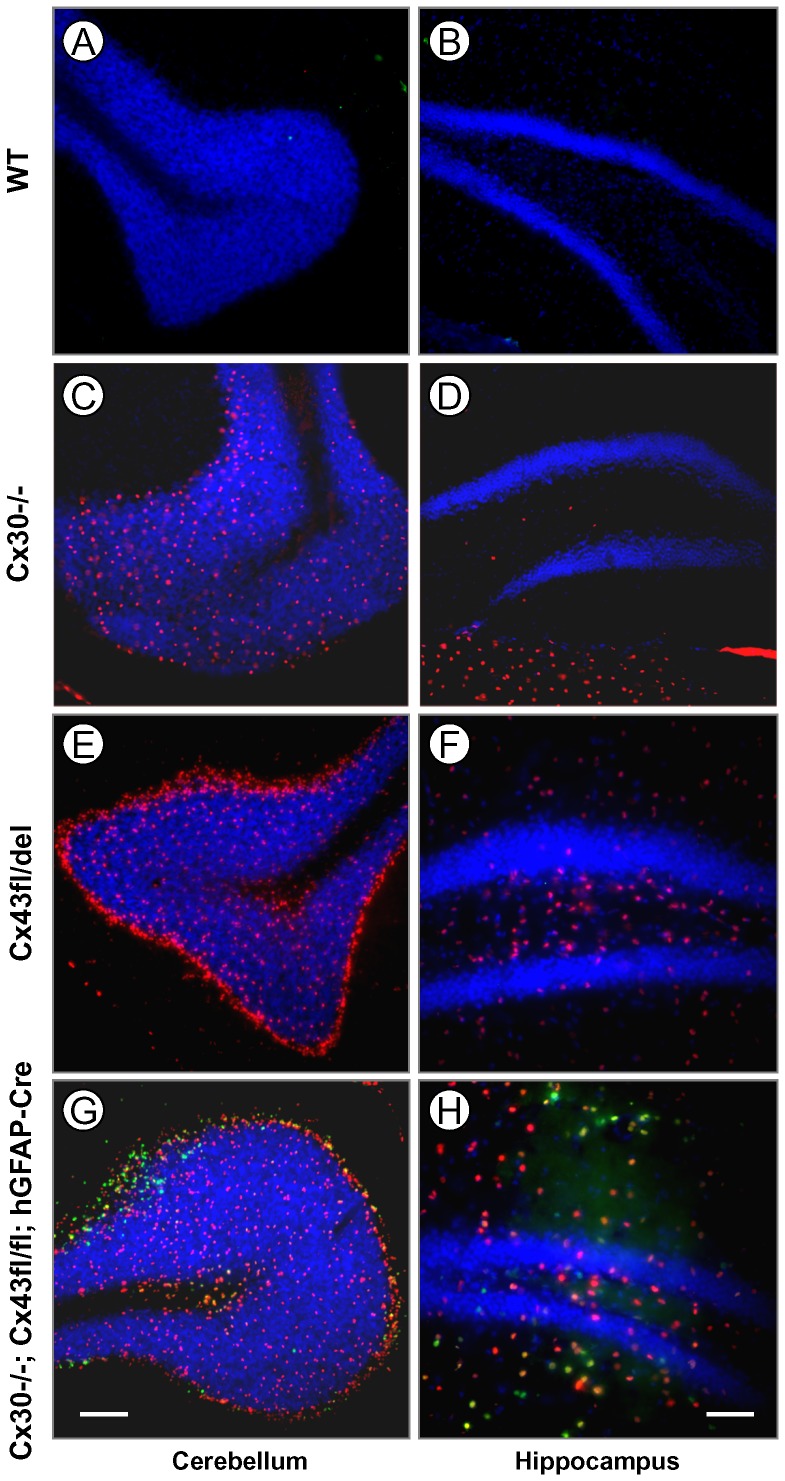
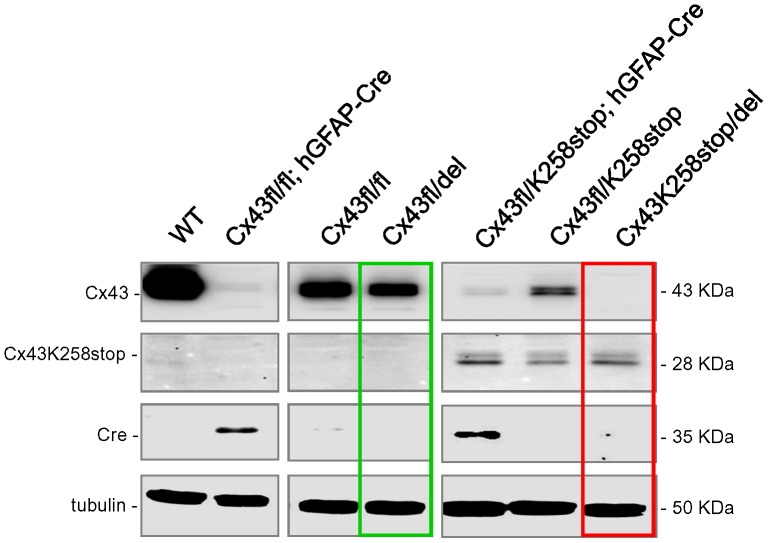
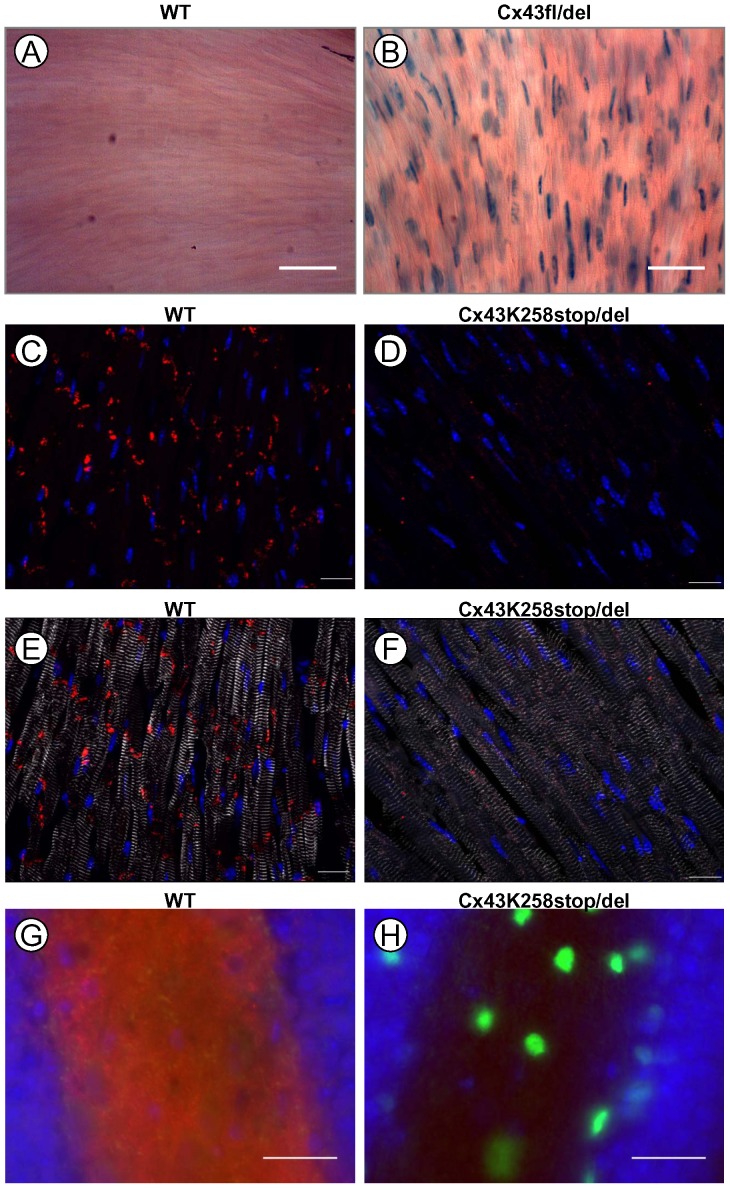
Herein we demonstrate with PCR, immunodetection and reporter gene approaches that the widely used human Glial Fibrillary Acidic Protein (hGFAP)-Cre transgene exhibits spontaneous germ-line recombination activity in leading to deletion in brain, heart and tail tissue with high frequency. The ectopic activity of hGFAP-Cre requires a rigorous control. We likewise observed that a second widely used nestin-Cre transgene shows germ-line deletion. Here we describe procedures to identify mice with germ-line recombination mediated by the hGFAP-Cre and nestin-Cre transgenes. Such control is essential to avoid pleiotropic effects due to germ-line deletion of loxP-flanked target genes and to maintain the CNS-restricted deletion status in transgenic mouse colonies.
在此,我们通过 PCR、免疫检测和报告基因方法证明,广泛使用的人类胶质纤维酸性蛋白 (hGFAP)-Cre 转基因在导致大脑、心脏和尾巴组织中高频缺失时表现出自发的种系重组活性。hGFAP-Cre 的异位活性需要严格控制。我们同样观察到第二个广泛使用的巢蛋白-Cre 转基因也显示出种系缺失。在这里,我们描述了鉴定由 hGFAP-Cre 和巢蛋白-Cre 转基因介导的种系重组的小鼠的程序。这种控制对于避免由于loxP 侧翼靶基因的种系缺失而导致的多效性效应以及维持转基因小鼠群体中的中枢神经系统特异性缺失状态是必不可少的。