Department of Microbiology and Immunology, University of California at San Francisco, San Francisco, California, United States of America.
Institute for Virus Research, Kyoto University, Kyoto, Japan.
PLoS Biol. 2013 Dec;11(12):e1001735. doi: 10.1371/journal.pbio.1001735. Epub 2013 Dec 17.
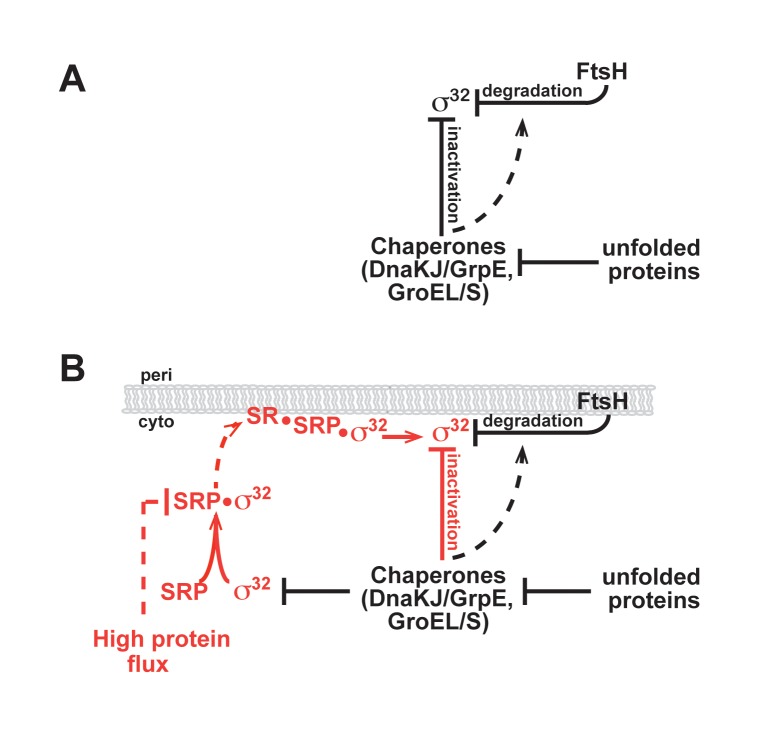
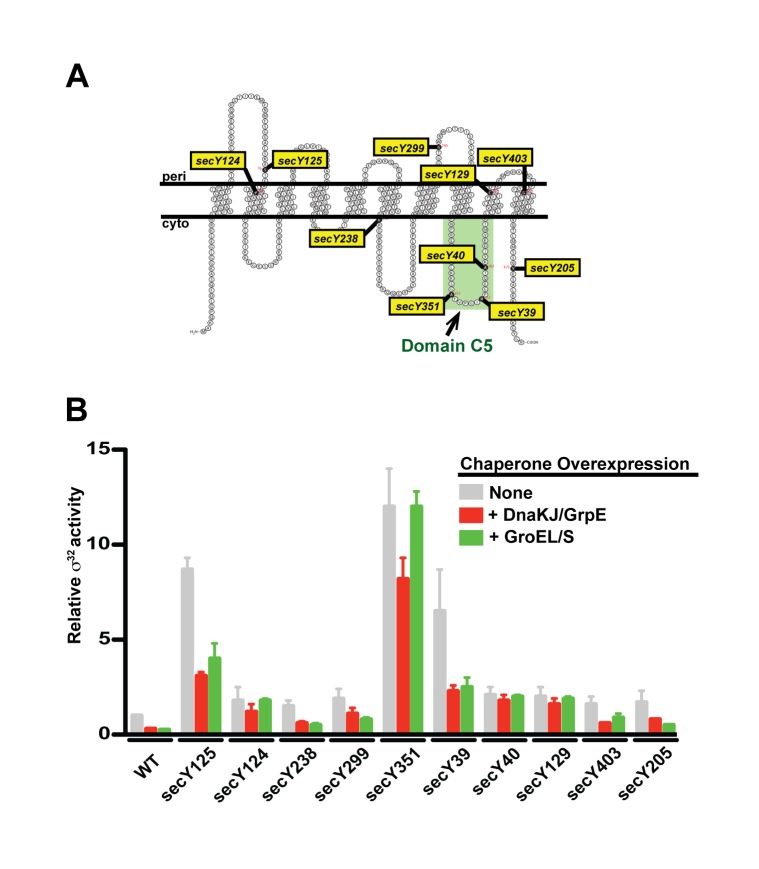
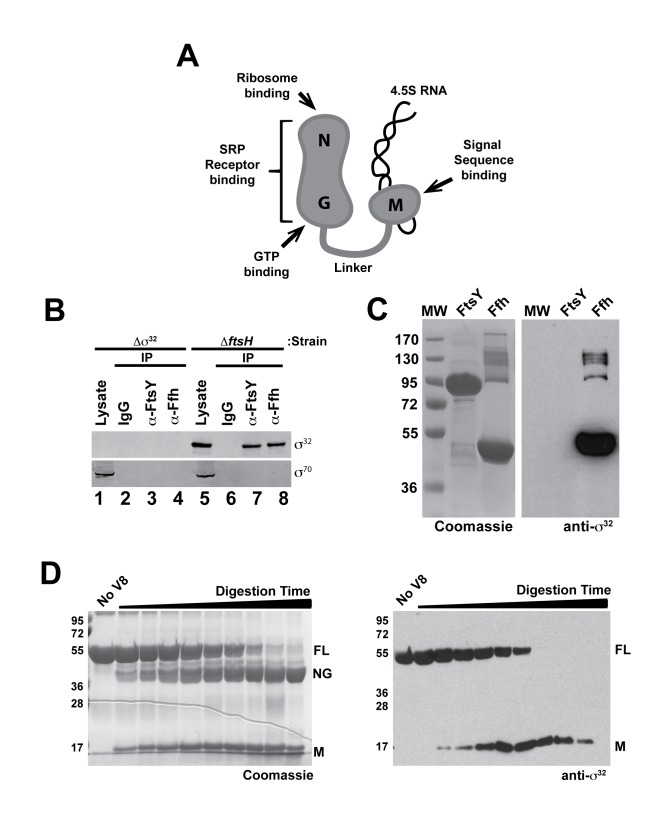
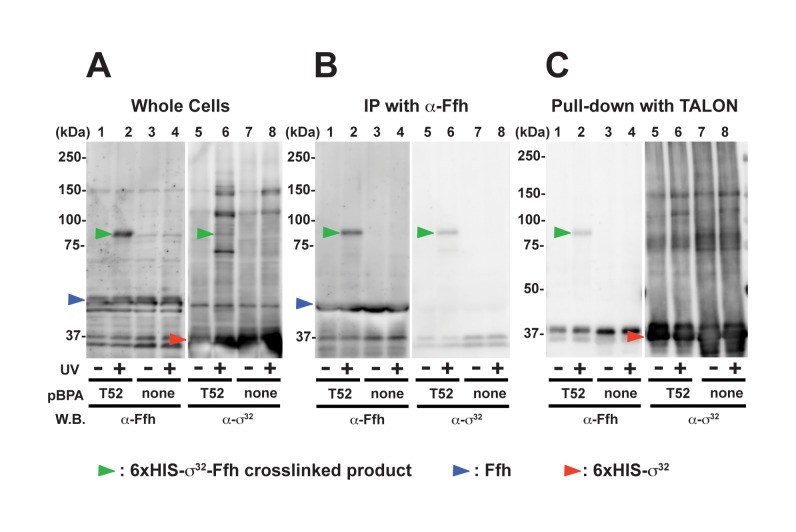
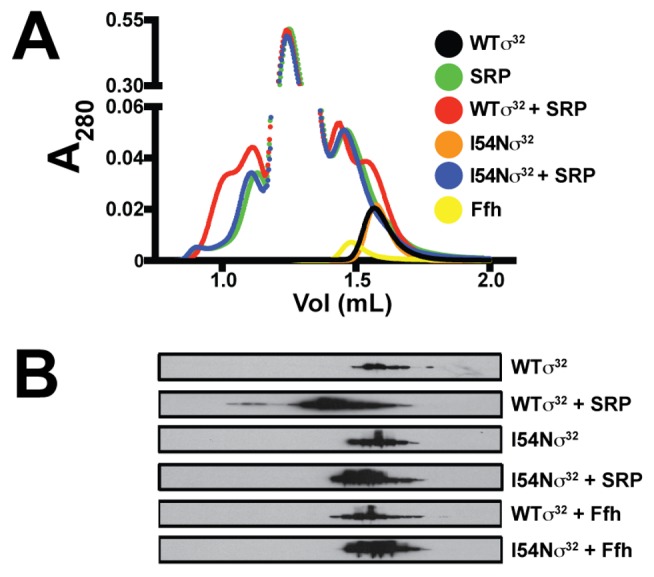
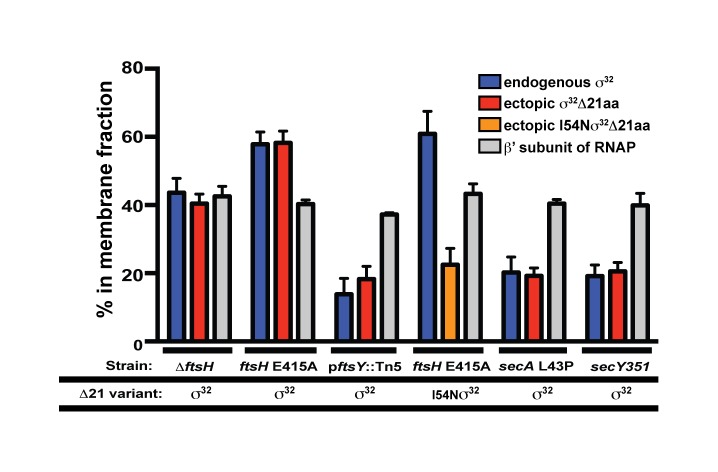
All cells must adapt to rapidly changing conditions. The heat shock response (HSR) is an intracellular signaling pathway that maintains proteostasis (protein folding homeostasis), a process critical for survival in all organisms exposed to heat stress or other conditions that alter the folding of the proteome. Yet despite decades of study, the circuitry described for responding to altered protein status in the best-studied bacterium, E. coli, does not faithfully recapitulate the range of cellular responses in response to this stress. Here, we report the discovery of the missing link. Surprisingly, we found that σ(32), the central transcription factor driving the HSR, must be localized to the membrane rather than dispersed in the cytoplasm as previously assumed. Genetic analyses indicate that σ(32) localization results from a protein targeting reaction facilitated by the signal recognition particle (SRP) and its receptor (SR), which together comprise a conserved protein targeting machine and mediate the cotranslational targeting of inner membrane proteins to the membrane. SRP interacts with σ(32) directly and transports it to the inner membrane. Our results show that σ(32) must be membrane-associated to be properly regulated in response to the protein folding status in the cell, explaining how the HSR integrates information from both the cytoplasm and bacterial cell membrane.
所有细胞都必须适应快速变化的环境。热休克反应(HSR)是一种细胞内信号通路,可维持蛋白质的稳定性(蛋白质折叠的动态平衡),这对于所有暴露于热应激或其他改变蛋白质组折叠的条件下的生物体的生存至关重要。然而,尽管经过了几十年的研究,在研究最充分的细菌大肠杆菌中,用于响应蛋白质状态改变的电路描述并没有忠实地再现细胞对这种应激的一系列反应。在这里,我们报告了缺失环节的发现。令人惊讶的是,我们发现,作为驱动 HSR 的核心转录因子,σ(32)必须定位于膜上,而不是像以前假设的那样分散在细胞质中。遗传分析表明,σ(32)的定位是由信号识别颗粒(SRP)及其受体(SR)介导的蛋白质靶向反应的结果,SRP 和 SR 共同构成了一个保守的蛋白质靶向机器,并介导了内膜蛋白的共翻译靶向到膜上。SRP 与 σ(32)直接相互作用,并将其运输到内膜。我们的结果表明,σ(32)必须与膜相关,才能在细胞内蛋白质折叠状态发生变化时得到正确的调节,从而解释了 HSR 如何整合来自细胞质和细菌细胞膜的信息。