Ben-Moshe Zohar, Alon Shahar, Mracek Philipp, Faigenbloom Lior, Tovin Adi, Vatine Gad D, Eisenberg Eli, Foulkes Nicholas S, Gothilf Yoav
George S. Wise Faculty of Life Sciences, Department of Neurobiology, Tel-Aviv University, Tel-Aviv 69978, Israel, Sagol School of Neuroscience, Tel-Aviv University, Tel-Aviv 69978, Israel, Institute of Toxicology and Genetics, Karlsruhe Institute of Technology, Eggenstein-Leopoldshafen 76344, Germany and Raymond and Beverly Sackler School of Physics and Astronomy, Tel-Aviv University, Tel-Aviv 69978, Israel.
Nucleic Acids Res. 2014 Apr;42(6):3750-67. doi: 10.1093/nar/gkt1359. Epub 2014 Jan 13.
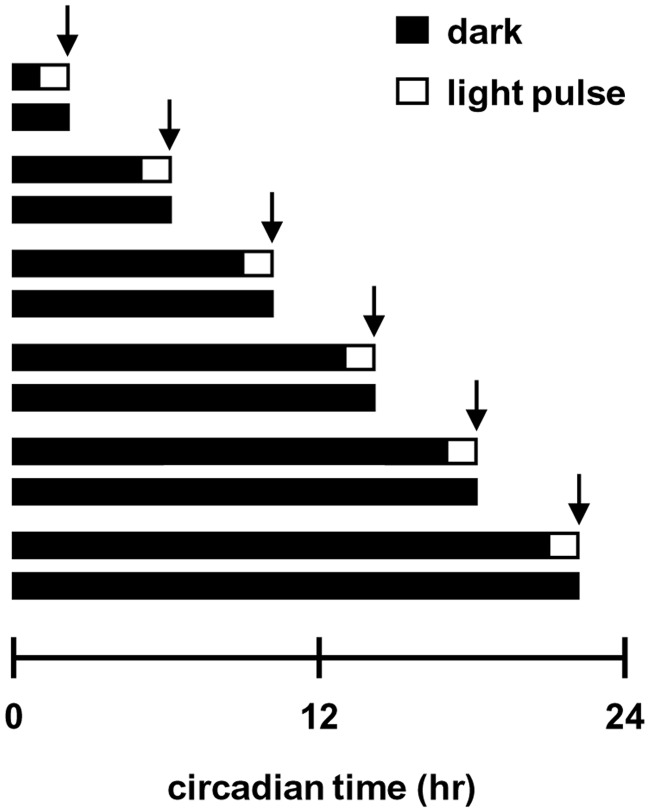
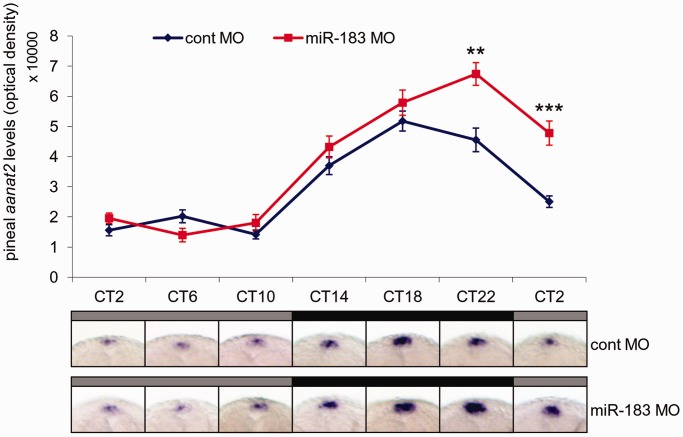
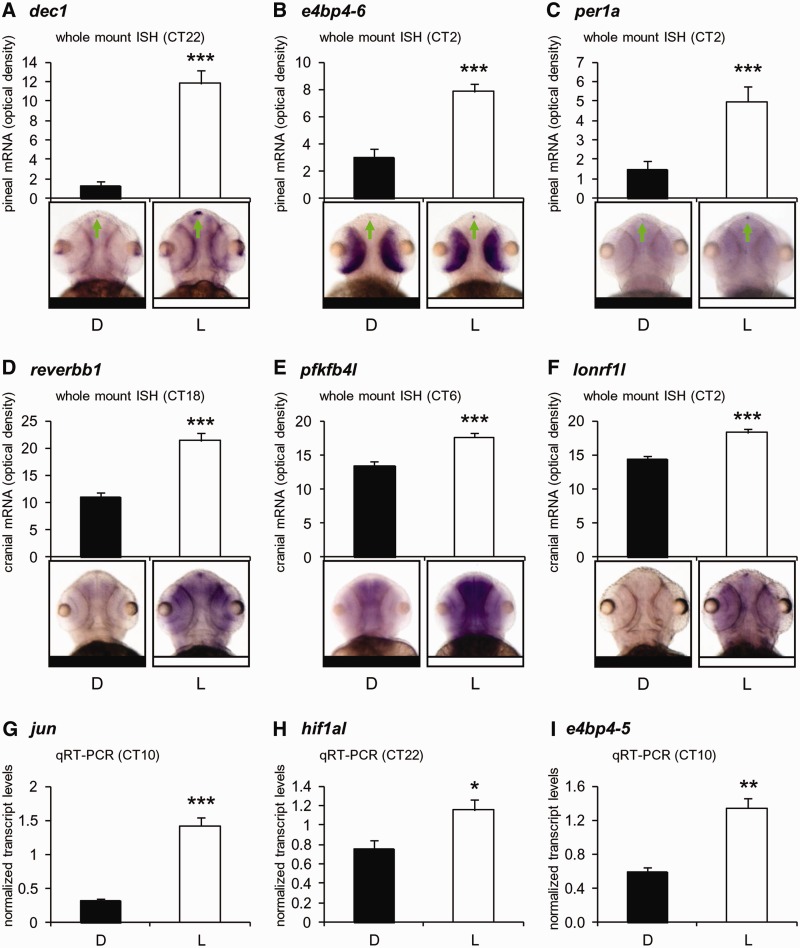
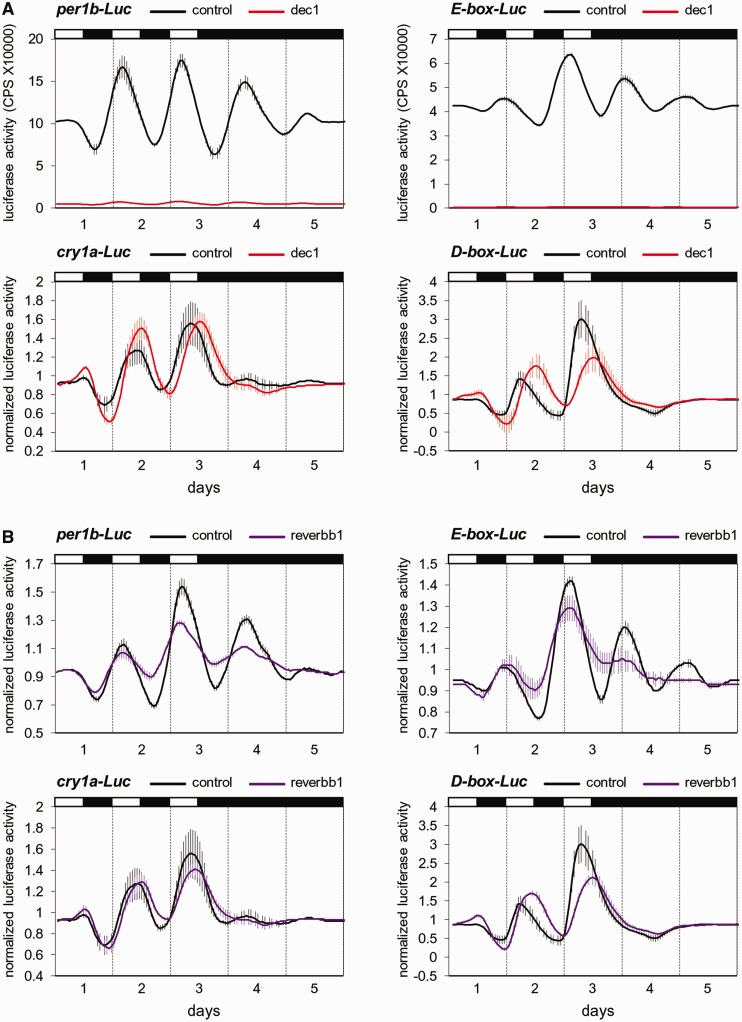
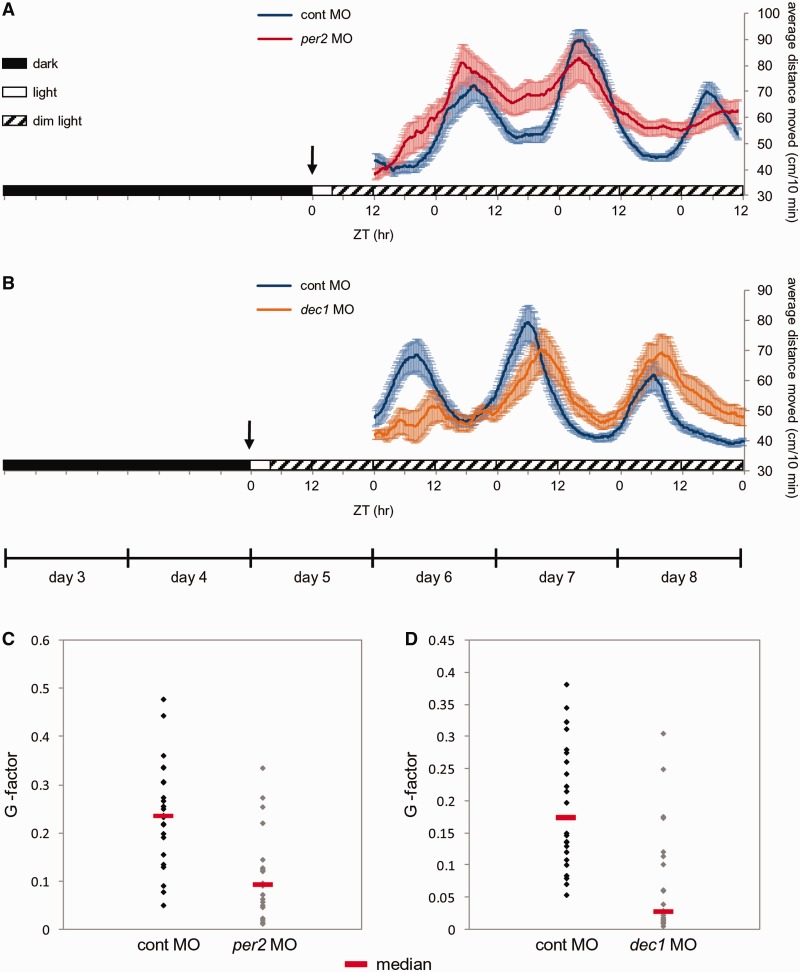
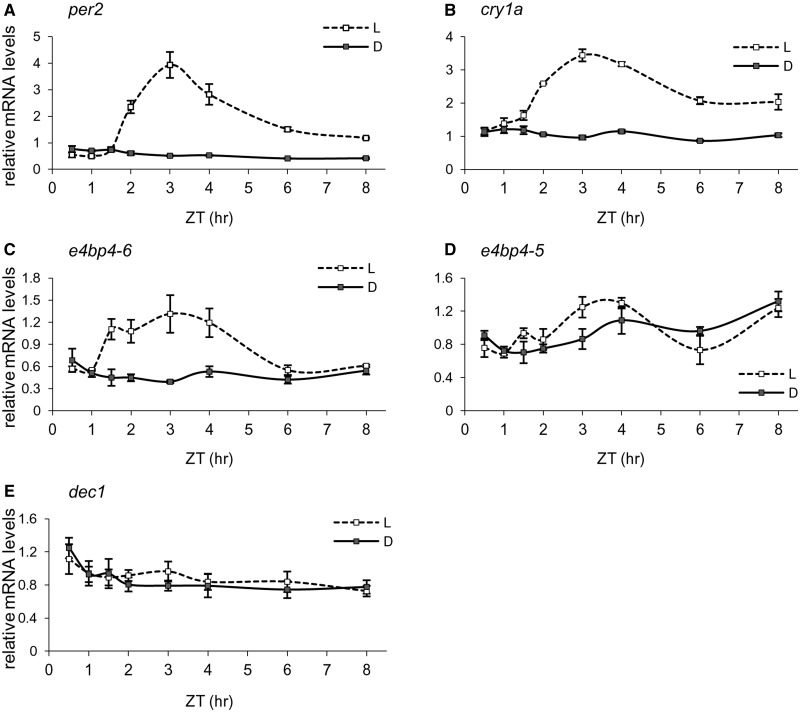
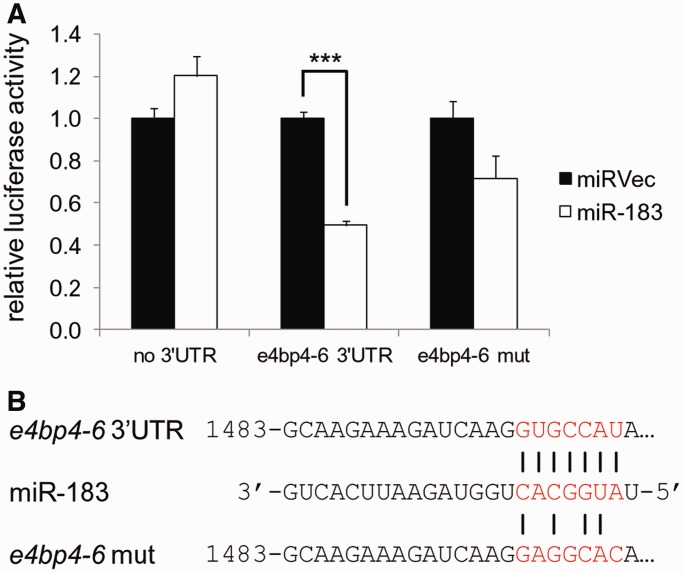
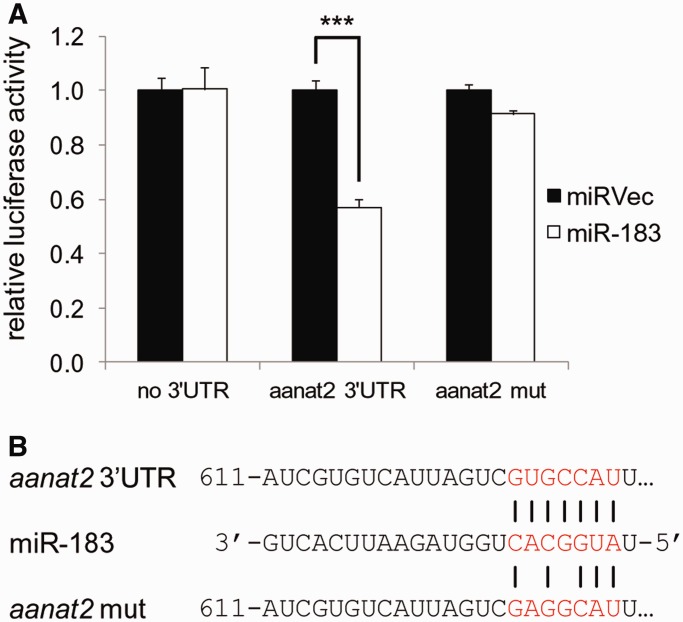
Light constitutes a primary signal whereby endogenous circadian clocks are synchronized ('entrained') with the day/night cycle. The molecular mechanisms underlying this vital process are known to require gene activation, yet are incompletely understood. Here, the light-induced transcriptome in the zebrafish central clock organ, the pineal gland, was characterized by messenger RNA (mRNA) sequencing (mRNA-seq) and microarray analyses, resulting in the identification of multiple light-induced mRNAs. Interestingly, a considerable portion of the molecular clock (14 genes) is light-induced in the pineal gland. Four of these genes, encoding the transcription factors dec1, reverbb1, e4bp4-5 and e4bp4-6, differentially affected clock- and light-regulated promoter activation, suggesting that light-input is conveyed to the core clock machinery via diverse mechanisms. Moreover, we show that dec1, as well as the core clock gene per2, is essential for light-entrainment of rhythmic locomotor activity in zebrafish larvae. Additionally, we used microRNA (miRNA) sequencing (miR-seq) and identified pineal-enhanced and light-induced miRNAs. One such miRNA, miR-183, is shown to downregulate e4bp4-6 mRNA through a 3'UTR target site, and importantly, to regulate the rhythmic mRNA levels of aanat2, the key enzyme in melatonin synthesis. Together, this genome-wide approach and functional characterization of light-induced factors indicate a multi-level regulation of the circadian clockwork by light.
光构成一种主要信号,通过它内源性生物钟与昼夜循环同步(“受调”)。已知这一重要过程背后的分子机制需要基因激活,但尚未完全了解。在这里,通过信使核糖核酸(mRNA)测序(mRNA-seq)和微阵列分析对斑马鱼中央生物钟器官松果体中的光诱导转录组进行了表征,从而鉴定出多个光诱导的mRNA。有趣的是,相当一部分分子钟(14个基因)在松果体中是光诱导的。其中四个基因,编码转录因子dec1、reverbb1、e4bp4-5和e4bp4-6,对生物钟和光调节的启动子激活有不同影响,这表明光输入通过多种机制传递到核心生物钟机制。此外,我们表明dec1以及核心生物钟基因per2对斑马鱼幼体节律性运动活动的光同步至关重要。此外,我们使用了微RNA(miRNA)测序(miR-seq)并鉴定出松果体增强和光诱导的miRNA。一种这样的miRNA,即miR-183,被证明通过一个3'非翻译区靶位点下调e4bp4-6 mRNA,重要的是,它调节褪黑素合成关键酶aanat2的节律性mRNA水平。总之,这种全基因组方法和光诱导因子的功能表征表明光对昼夜生物钟有多层次调节。