Zhang Yunxia, Wang Jing, Ren Mulan, Li Miao, Chen Dengyu, Chen Junsong, Shi Fangfang, Wang Xiaoying, Dou Jun
Department of Gynecology & Obstetrics, Zhongda Hospital, Medical School, Southeast University, Nanjing 210009, China.
J Ovarian Res. 2014 Jan 20;7:8. doi: 10.1186/1757-2215-7-8.
The human umbilical cord mesenchymal stem cells (hUCMSCs) have the ability to migrate into tumors and therefore have been considered as an alternative source of mesenchymal progenitors for the therapy of malignant diseases. The present study was aimed to investigate effect of hUCMSCs as vehicles for a constant source of transgenic interleukin-21 (IL-21) on ovarian cancer in vivo.
The hUCMSCs were engineered to express IL-21 via lentiviral vector- designated 'hUCMSCs-LV-IL-21', and then were transplanted into SKOV3 ovarian cancer xenograft-bearing nude mice. The therapeutic efficacy and mechanisms of this procedure on ovarian cancer was evaluated.
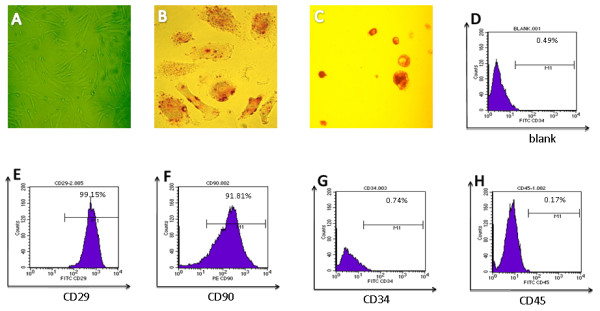
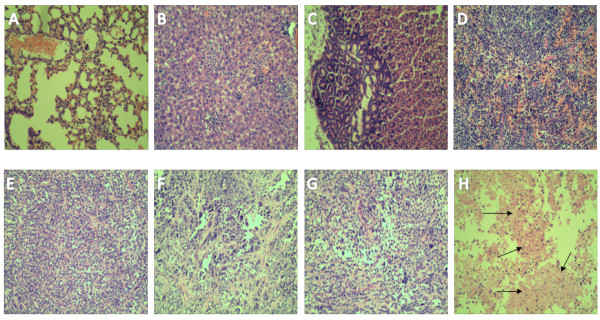
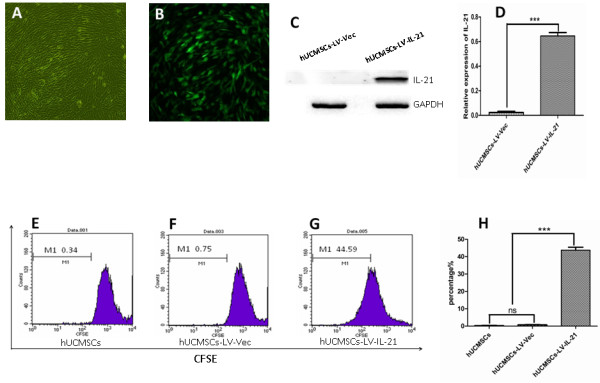
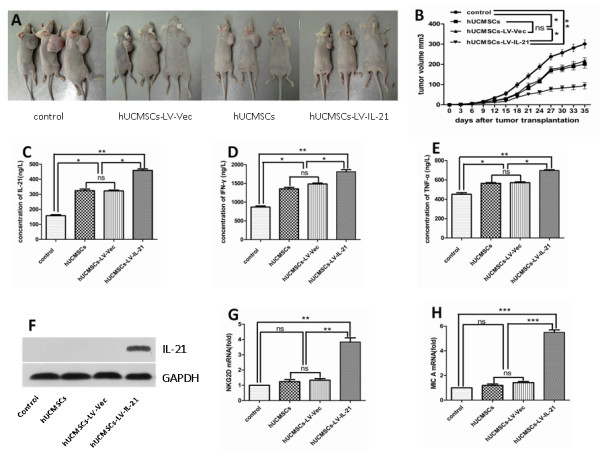
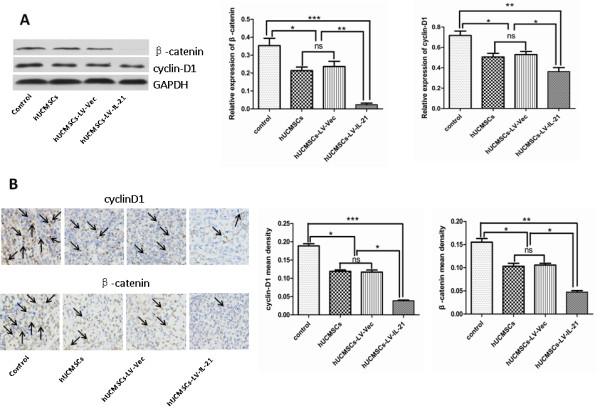
The isolated hUCMSCs were induced to differentiate efficiently into osteoblast and adipocyte lineages in vitro. The expressed IL-21 in the supernatant from hUCMSCs-LV-IL-21 obviously stimulated splenocyte's proliferation. The hUCMSCs-LV-IL-21 significantly reduced SKOV3 ovarian cancer burden in mice indicated by tumor sizes compared with control mice. The expressed IL-21 not only regulated the levels of IFN-γ and TNF-α in the mouse serum but also increased the expression of NKG2D and MIC A molecules in the tumor tissues. The down regulation of β-catenin and cyclin-D1 in the tumor tissues may refer to the inhibition of SKOV3 ovarian cancer growth in mice. In addition, hUCMSCs did not form gross or histological teratomas up to 60 days posttransplantation in murine lung, liver, stomach and spleen.
These results clearly indicate a safety and usability of hUCMSCs-LV- IL-21 in ovarian cancer gene therapy, suggesting the strategy may be a promising new method for clinical treatment of ovarian cancer.
人脐带间充质干细胞(hUCMSCs)具有迁移至肿瘤的能力,因此被视为用于恶性疾病治疗的间充质祖细胞的替代来源。本研究旨在探讨hUCMSCs作为转基因白细胞介素-21(IL-21)持续来源载体对体内卵巢癌的影响。
通过慢病毒载体构建工程化表达IL-21的hUCMSCs,命名为“hUCMSCs-LV-IL-21”,然后将其移植到荷SKOV3卵巢癌异种移植瘤的裸鼠体内。评估该方法对卵巢癌的治疗效果及机制。
体外分离的hUCMSCs能高效诱导分化为成骨细胞和脂肪细胞谱系。hUCMSCs-LV-IL-21上清液中表达的IL-21明显刺激脾细胞增殖。与对照小鼠相比,hUCMSCs-LV-IL-21显著减轻了小鼠体内SKOV3卵巢癌负担,以肿瘤大小表示。表达的IL-21不仅调节小鼠血清中IFN-γ和TNF-α水平,还增加肿瘤组织中NKG2D和MIC A分子的表达。肿瘤组织中β-连环蛋白和细胞周期蛋白D1的下调可能与小鼠体内SKOV3卵巢癌生长受抑制有关。此外,移植后60天内,hUCMSCs在小鼠肺、肝、胃和脾中未形成肉眼可见或组织学上的畸胎瘤。
这些结果清楚地表明hUCMSCs-LV-IL-21在卵巢癌基因治疗中的安全性和可用性,提示该策略可能是一种有前景的卵巢癌临床治疗新方法。