Munera Diana, Ritchie Jennifer M, Hatzios Stavroula K, Bronson Rod, Fang Gang, Schadt Eric E, Davis Brigid M, Waldor Matthew K
1] Division of Infectious Diseases, Brigham & Women's Hospital, Boston, Massachusetts 02115, USA [2] Department of Microbiology and Immunobiology, Harvard Medical School, Boston, Massachusetts 02115, USA [3] HHMI, Boston, Massachusetts 02115, USA.
1] Division of Infectious Diseases, Brigham & Women's Hospital, Boston, Massachusetts 02115, USA [2] Department of Microbiology and Immunobiology, Harvard Medical School, Boston, Massachusetts 02115, USA [3].
Nat Commun. 2014;5:3080. doi: 10.1038/ncomms4080.
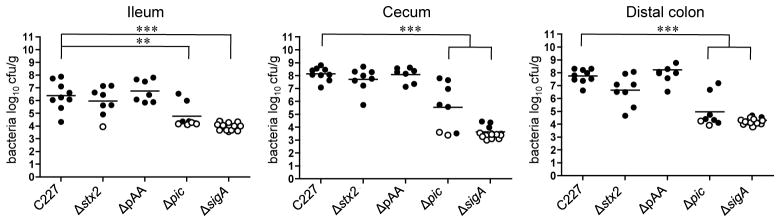
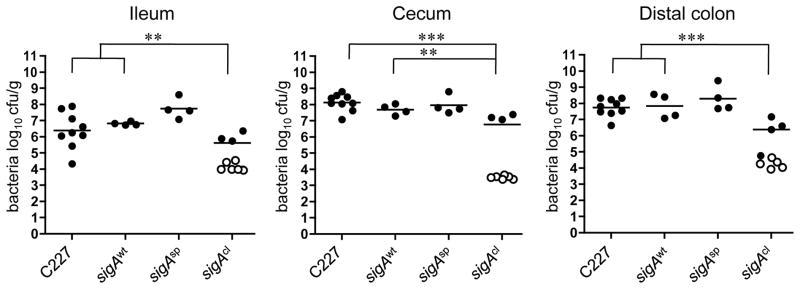
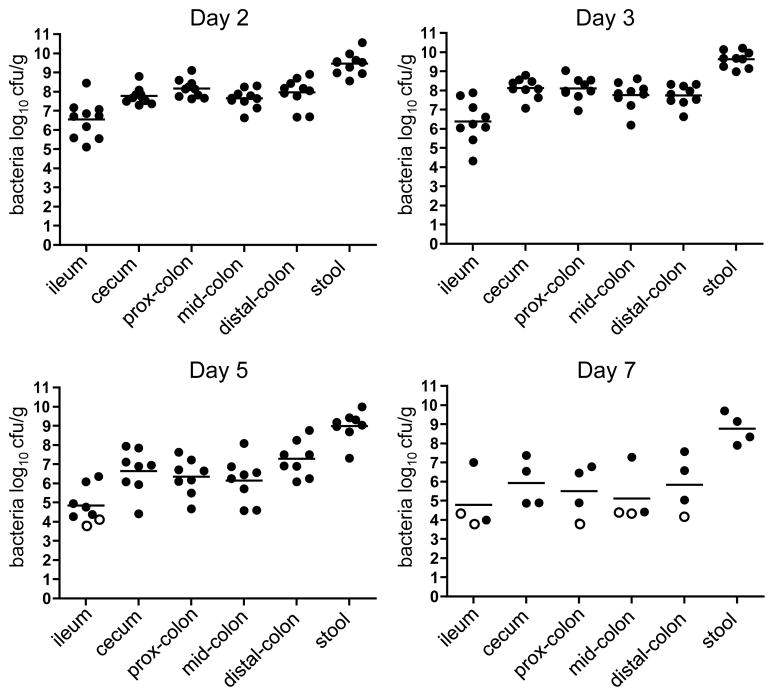
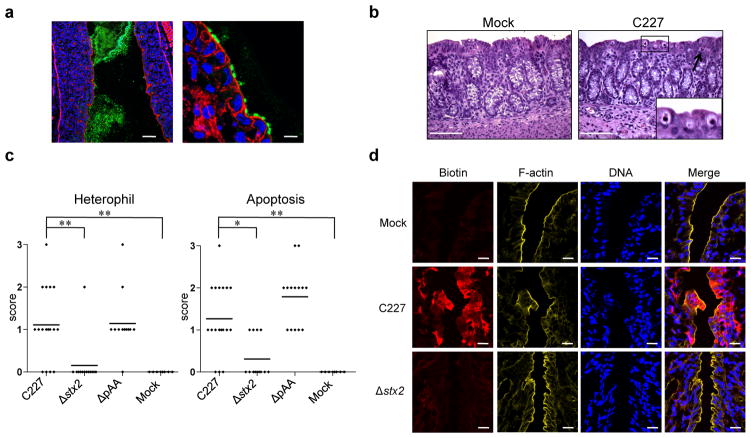
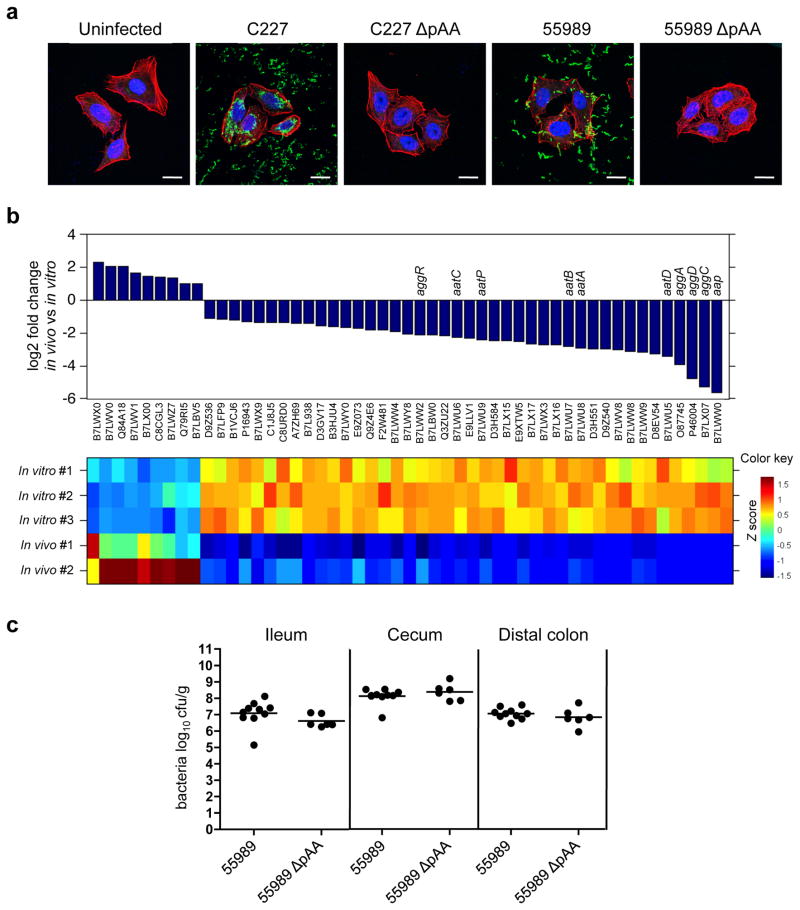
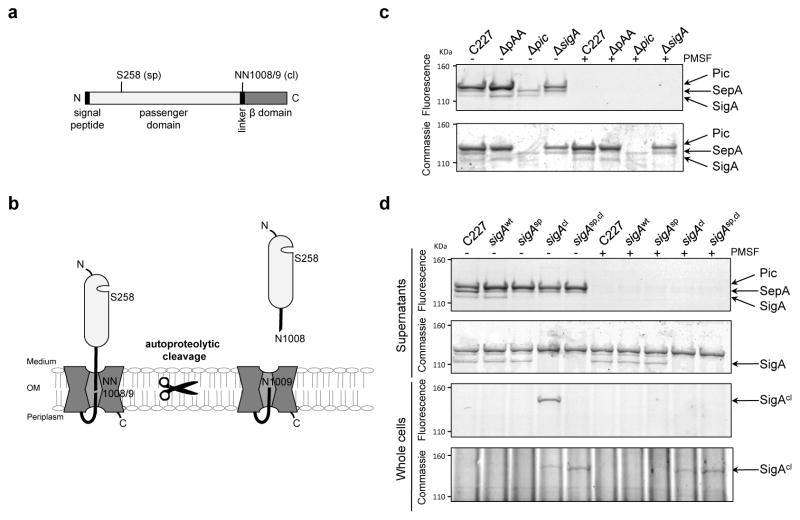
The outbreak of diarrhoea and haemolytic uraemic syndrome that occurred in Germany in 2011 was caused by a Shiga toxin-producing enteroaggregative Escherichia coli (EAEC) strain. The strain was classified as EAEC owing to the presence of a plasmid (pAA) that mediates a characteristic pattern of aggregative adherence on cultured cells, the defining feature of EAEC that has classically been associated with virulence. Here we describe an infant rabbit-based model of intestinal colonization and diarrhoea caused by the outbreak strain, which we use to decipher the factors that mediate the pathogen's virulence. Shiga toxin is the key factor required for diarrhoea. Unexpectedly, we observe that pAA is dispensable for intestinal colonization and development of intestinal pathology. Instead, chromosome-encoded autotransporters are critical for robust colonization and diarrhoeal disease in this model. Our findings suggest that conventional wisdom linking aggregative adherence to EAEC intestinal colonization is false for at least a subset of strains.
2011年在德国爆发的腹泻和溶血尿毒综合征是由一株产志贺毒素的肠集聚性大肠杆菌(EAEC)引起的。该菌株被归类为EAEC是因为存在一个质粒(pAA),它介导了在培养细胞上的一种特征性集聚性粘附模式,这是EAEC的决定性特征,传统上一直与毒力相关。在此,我们描述了一种基于幼兔的由该爆发菌株引起的肠道定植和腹泻模型,我们用它来解析介导病原体毒力的因素。志贺毒素是腹泻所需的关键因素。出乎意料的是,我们观察到pAA对于肠道定植和肠道病理发展并非必需。相反,在该模型中,染色体编码的自转运蛋白对于强大的定植和腹泻病至关重要。我们的研究结果表明,将集聚性粘附与EAEC肠道定植联系起来的传统观念至少对一部分菌株是错误的。