Collaborative Innovation Center for Diagnosis and Treatment of Infectious Diseases, State Key Laboratory for Infectious Diseases Diagnosis and Therapy, The First Affiliated Hospital, Zhejiang University School of Medicine, Hangzhou, China ; Department of Toxicology, Zhejiang University School of Public Health, Hangzhou, China ; Zhejiang Academy of Medical Sciences, Hangzhou, China.
Collaborative Innovation Center for Diagnosis and Treatment of Infectious Diseases, State Key Laboratory for Infectious Diseases Diagnosis and Therapy, The First Affiliated Hospital, Zhejiang University School of Medicine, Hangzhou, China ; Department of Toxicology, Zhejiang University School of Public Health, Hangzhou, China.
PLoS One. 2014 Jan 14;9(1):e84974. doi: 10.1371/journal.pone.0084974. eCollection 2014.
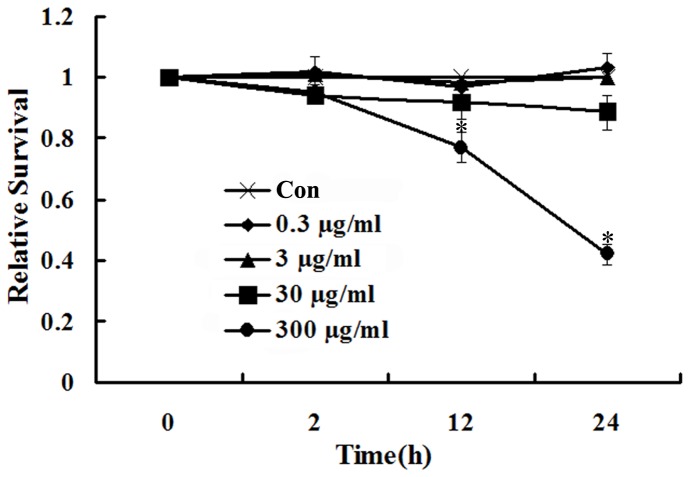
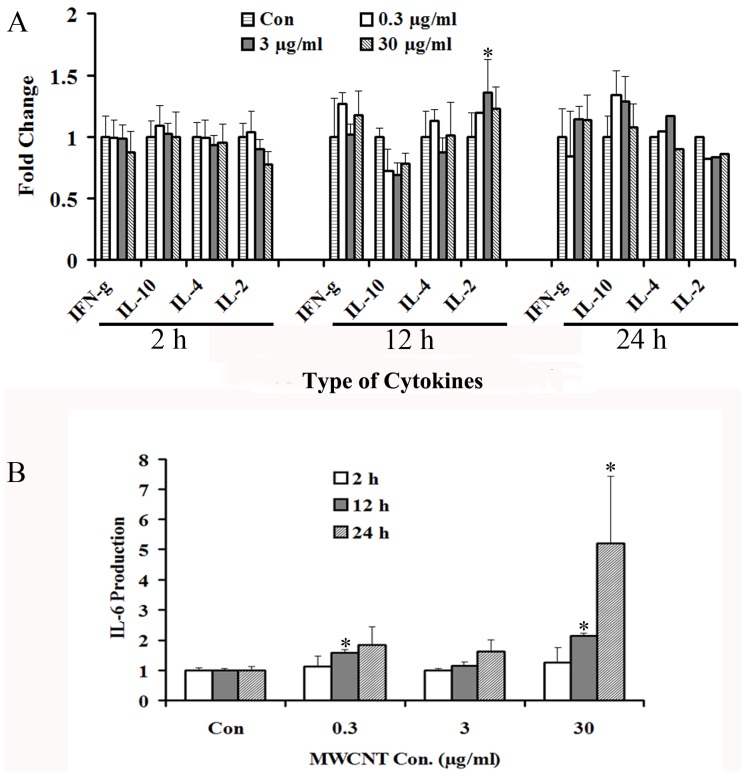
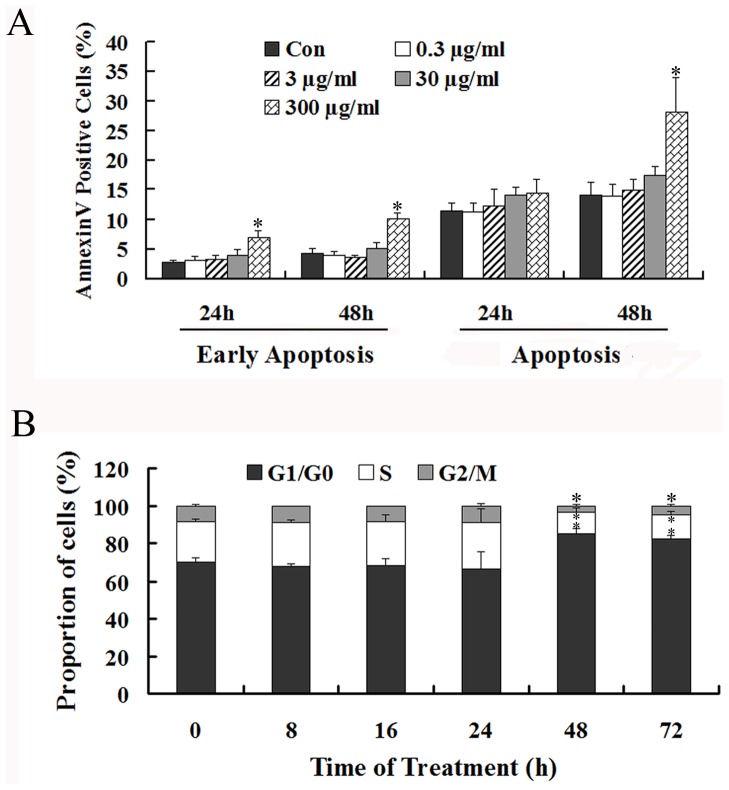
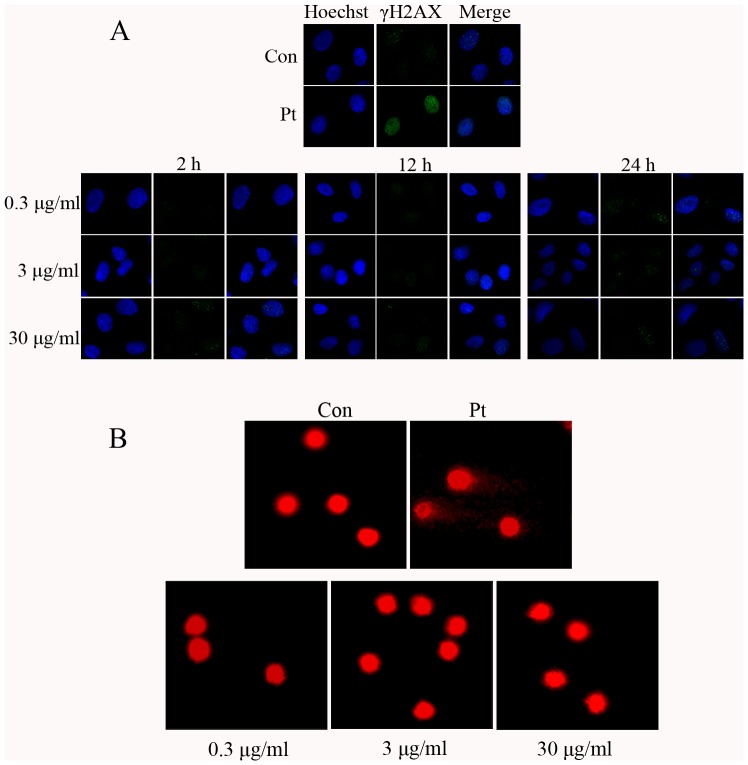
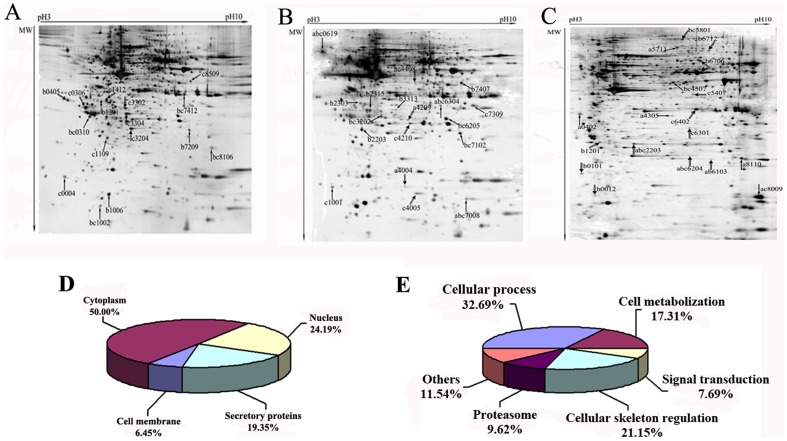
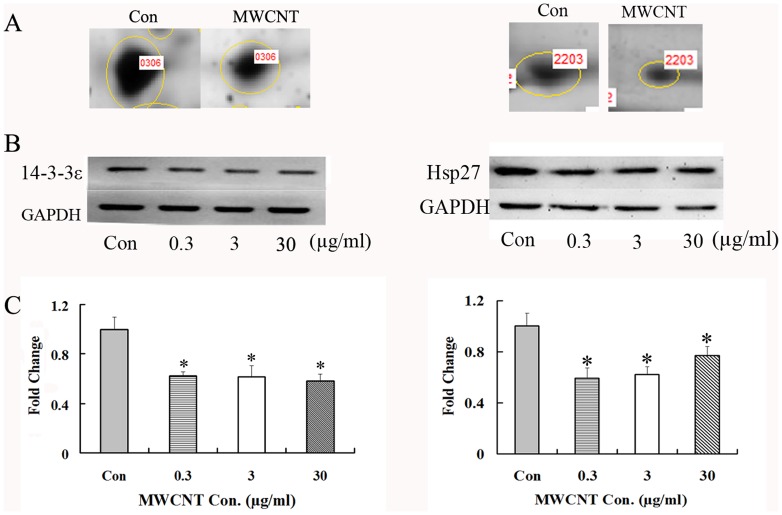
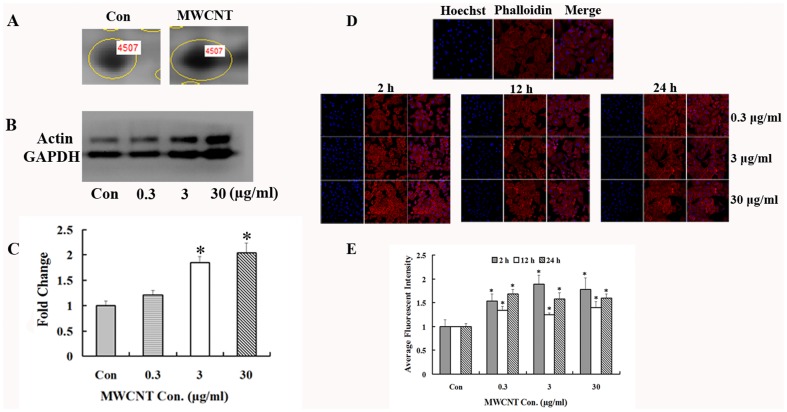
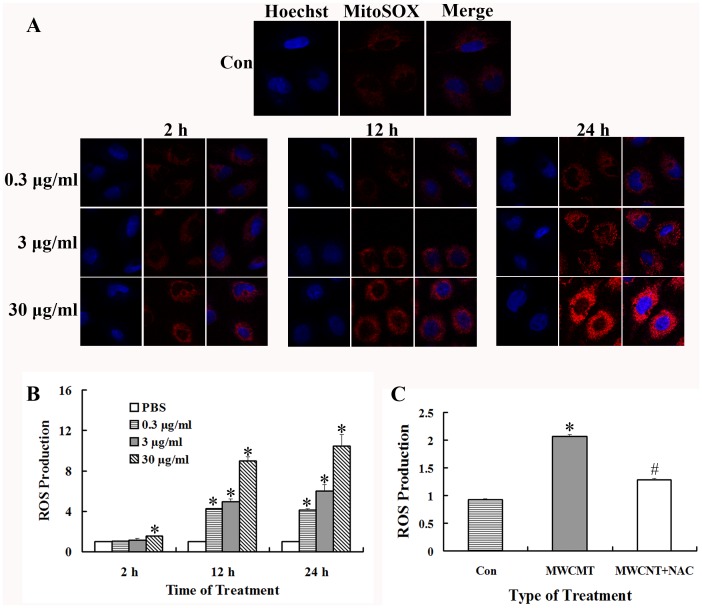
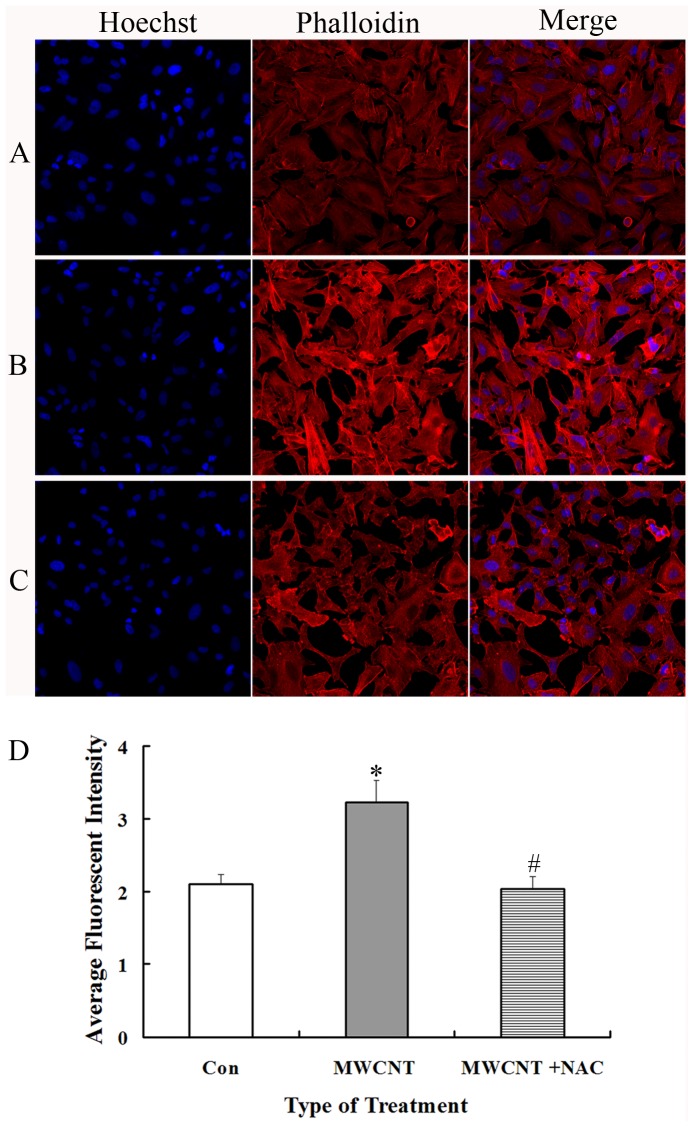
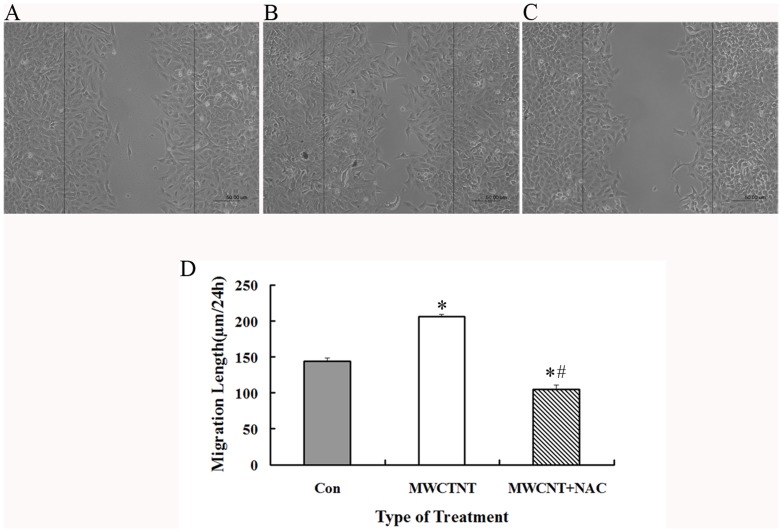
The wide application of multi-walled carbon nanotubes (MWCNT) has raised serious concerns about their safety on human health and the environment. However, the potential harmful effects of MWCNT remain unclear and contradictory. To clarify the potentially toxic effects of MWCNT and to elucidate the associated underlying mechanisms, the effects of MWCNT on human lung adenocarcinoma A549 cells were examined at both the cellular and the protein level. Cytotoxicity and genotoxicity were examined, followed by a proteomic analysis (2-DE coupled with LC-MS/MS) of the cellular response to MWCNT. Our results demonstrate that MWCNT induces cytotoxicity in A549 cells only at relatively high concentrations and longer exposure time. Within a relatively low dosage range (30 µg/ml) and short time period (24 h), MWCNT treatment does not induce significant cytotoxicity, cell cycle changes, apoptosis, or DNA damage. However, at these low doses and times, MWCNT treatment causes significant changes in protein expression. A total of 106 proteins show altered expression at various time points and dosages, and of these, 52 proteins were further identified by MS. Identified proteins are involved in several cellular processes including proliferation, stress, and cellular skeleton organization. In particular, MWCNT treatment causes increases in actin expression. This increase has the potential to contribute to increased migration capacity and may be mediated by reactive oxygen species (ROS).
多壁碳纳米管(MWCNT)的广泛应用引起了人们对其人类健康和环境安全性的严重关注。然而,MWCNT 的潜在有害影响尚不清楚且存在矛盾。为了阐明 MWCNT 的潜在毒性作用,并阐明相关的潜在机制,我们在细胞和蛋白质水平上研究了 MWCNT 对人肺腺癌细胞 A549 的影响。检测了细胞毒性和遗传毒性,然后对 MWCNT 诱导的细胞反应进行了蛋白质组学分析(2-DE 结合 LC-MS/MS)。我们的结果表明,MWCNT 仅在相对较高的浓度和较长的暴露时间下才会诱导 A549 细胞的细胞毒性。在相对较低的剂量范围(30 µg/ml)和较短的时间内(24 小时),MWCNT 处理不会引起明显的细胞毒性、细胞周期变化、细胞凋亡或 DNA 损伤。然而,在这些低剂量和时间下,MWCNT 处理会导致蛋白质表达发生显著变化。在不同的时间点和剂量下,共有 106 种蛋白质的表达发生改变,其中 52 种蛋白质通过 MS 进一步鉴定。鉴定出的蛋白质参与包括增殖、应激和细胞骨架组织在内的几种细胞过程。特别是,MWCNT 处理会导致肌动蛋白表达增加。这种增加有可能导致迁移能力增强,并且可能由活性氧(ROS)介导。