State Key Laboratory of Power Transmission Equipment & System Security and New Technology, Chongqing University, 174 Shazhengjie, Shapingba, Chongqing 400044, China.
School of Science and Technology, Nottingham Trent University, Clifton Lane, Nottingham, NG11 8NS, UK.
Sensors (Basel). 2014 Jan 24;14(2):2028-35. doi: 10.3390/s140202028.
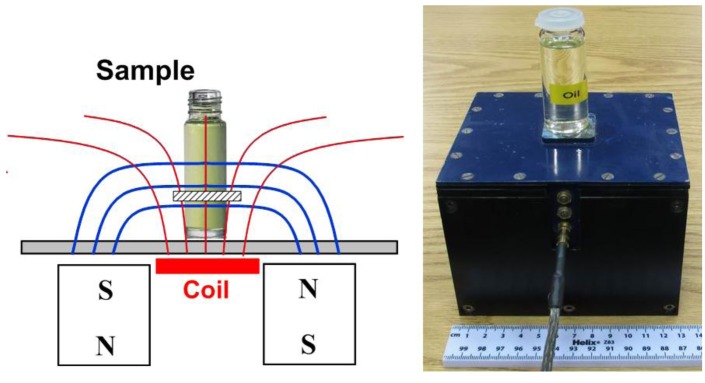
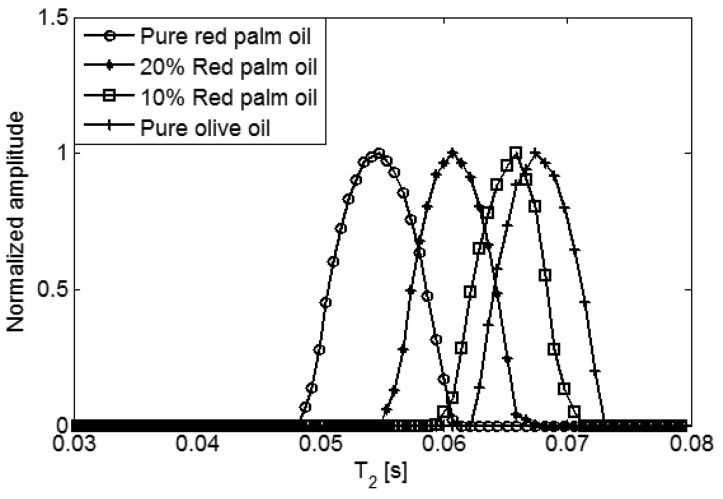
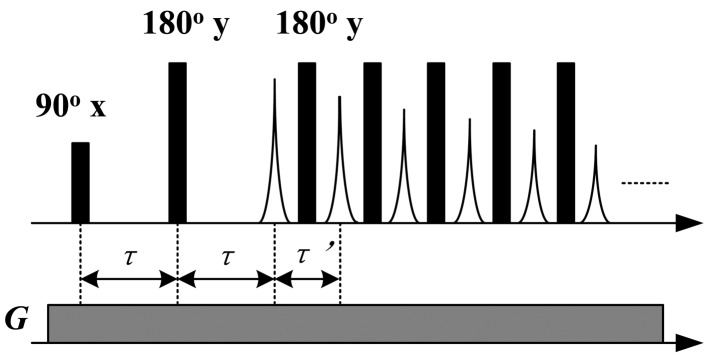
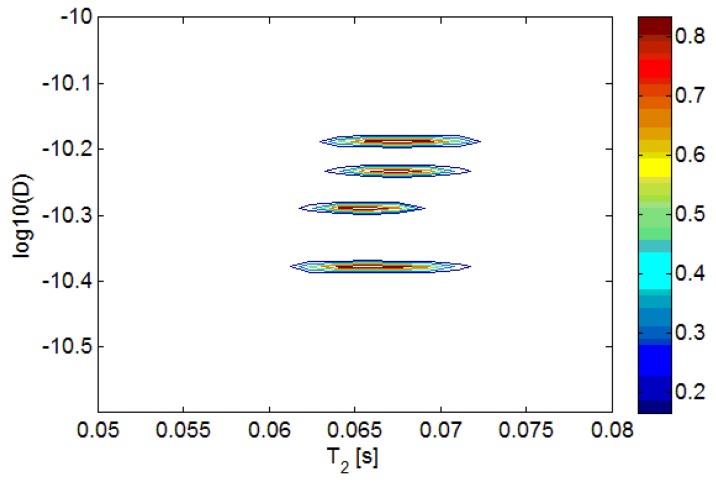
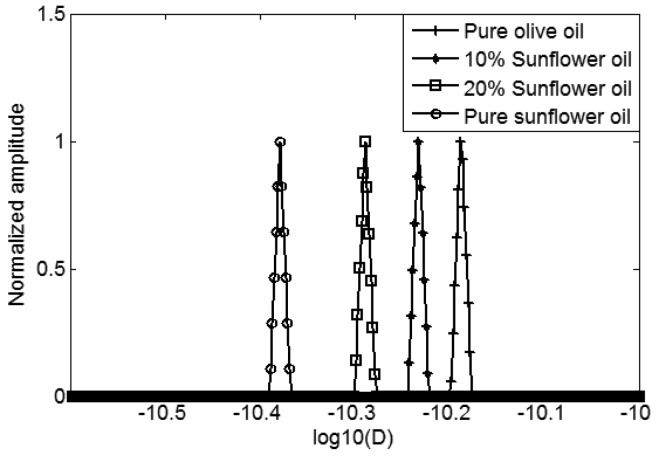
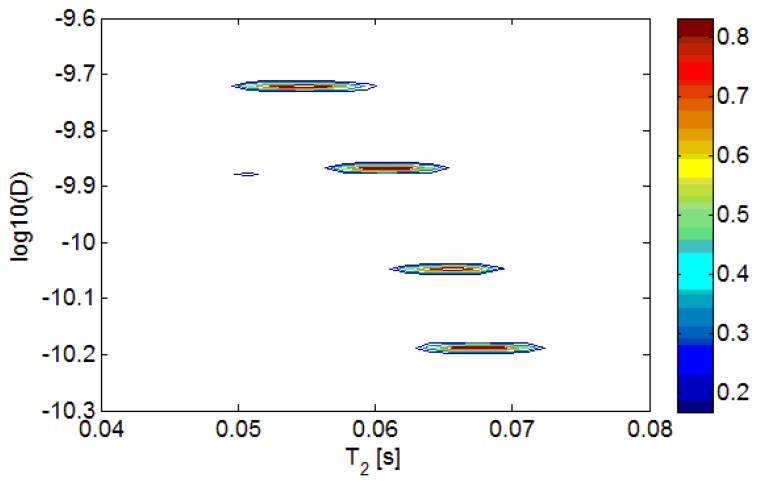
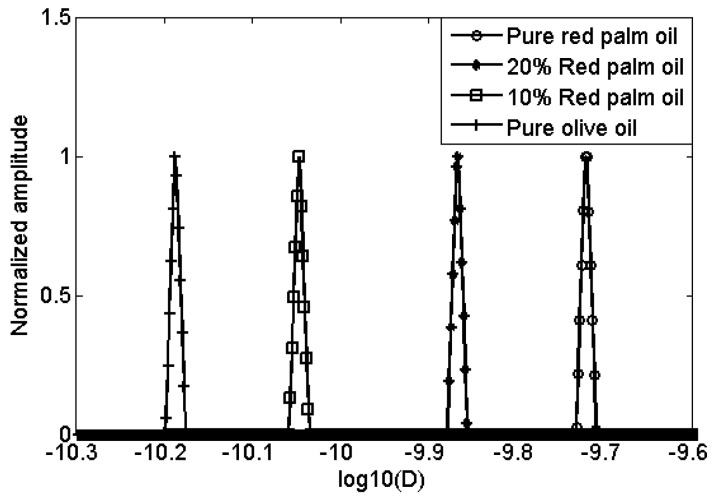
The detection of adulteration in edible oils is a concern in the food industry, especially for the higher priced virgin olive oils. This article presents a low field unilateral nuclear magnetic resonance (NMR) method for the detection of the adulteration of virgin olive oil that can be performed through sealed bottles providing a non-destructive screening technique. Adulterations of an extra virgin olive oil with different percentages of sunflower oil and red palm oil were measured with a commercial unilateral instrument, the profile NMR-Mouse. The NMR signal was processed using a 2-dimensional Inverse Laplace transformation to analyze the transverse relaxation and self-diffusion behaviors of different oils. The obtained results demonstrated the feasibility of detecting adulterations of olive oil with percentages of at least 10% of sunflower and red palm oils.
食用油掺假的检测是食品工业关注的问题,尤其是对于较高价的特级初榨橄榄油。本文提出了一种低场单边核磁共振(NMR)方法,用于检测特级初榨橄榄油的掺假情况,该方法可以通过密封瓶进行,提供一种非破坏性的筛选技术。使用商用单边仪器 NMR-Mouse 对特级初榨橄榄油中不同比例的葵花籽油和棕榈油进行了掺假测量。通过二维反拉普拉斯变换对 NMR 信号进行处理,分析了不同油的横向弛豫和自扩散行为。结果表明,该方法能够检测出至少 10%的葵花籽油和棕榈油的橄榄油掺假情况。