Wallat Gregor D, Huang Qinfeng, Wang Wenjian, Dong Haohao, Ly Hinh, Liang Yuying, Dong Changjiang
Biomedical Science Research Complex, School of Chemistry, University of St. Andrews, Fife, St. Andrews, United Kingdom.
Department of Veterinary and Biomedical Sciences, University of Minnesota, Twin Cities, Saint Paul, Minnesota, United States of America.
PLoS One. 2014 Feb 7;9(2):e87577. doi: 10.1371/journal.pone.0087577. eCollection 2014.
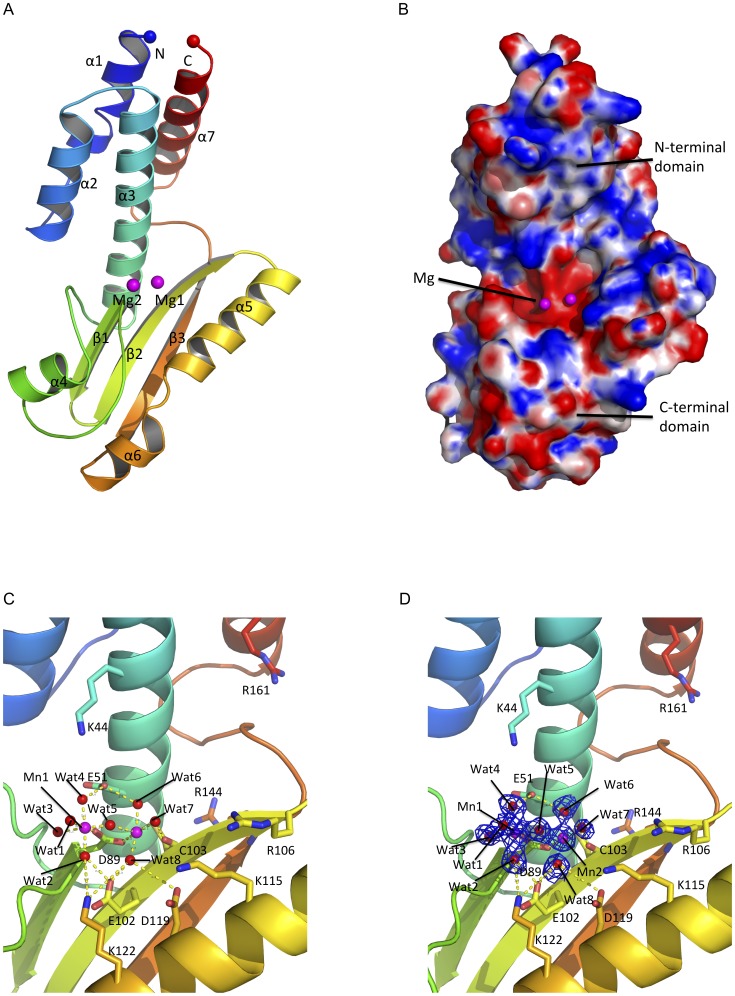
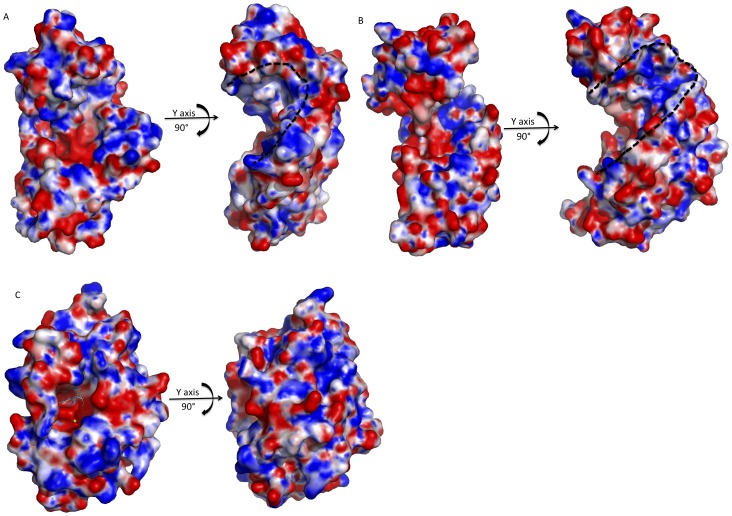
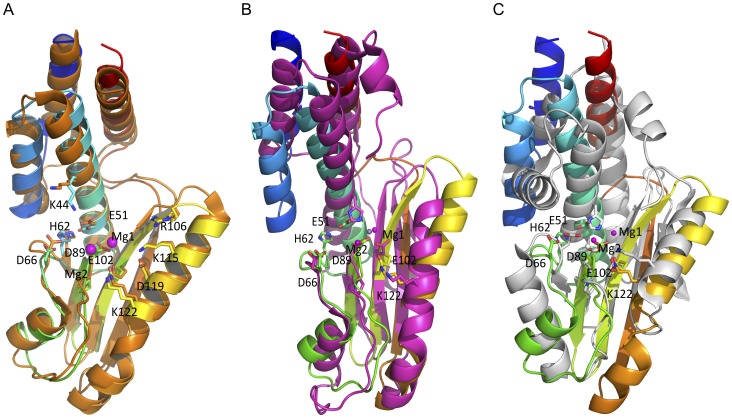
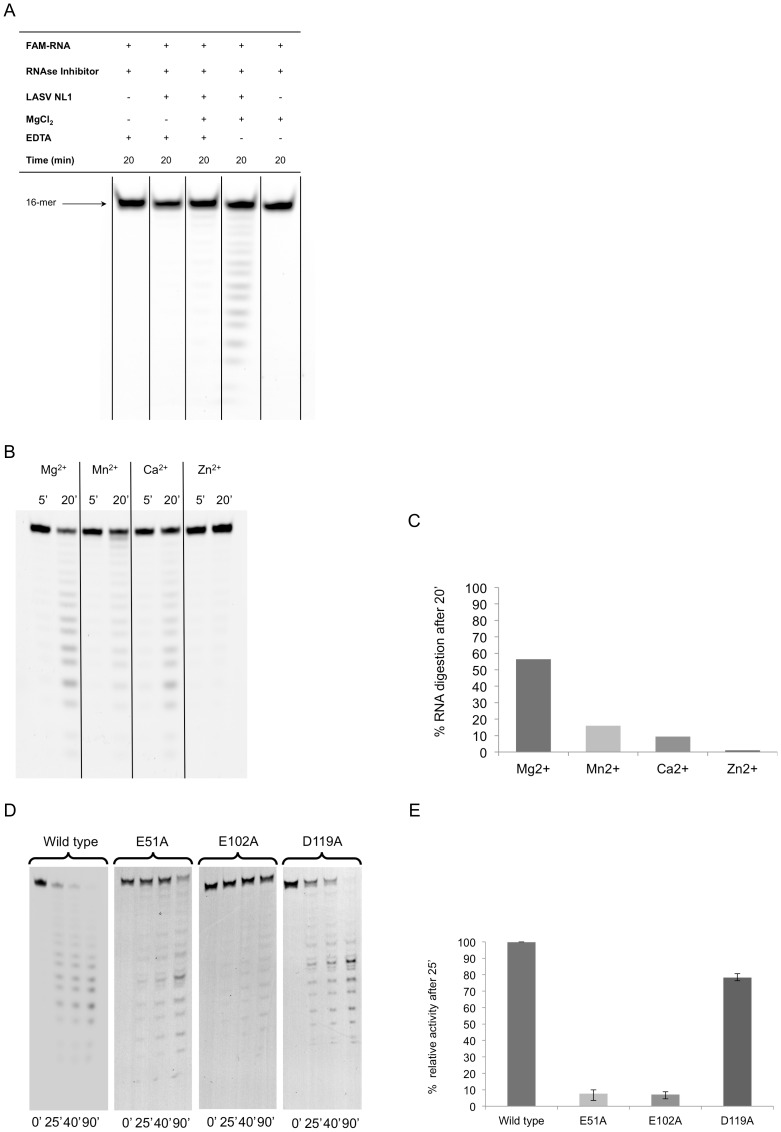
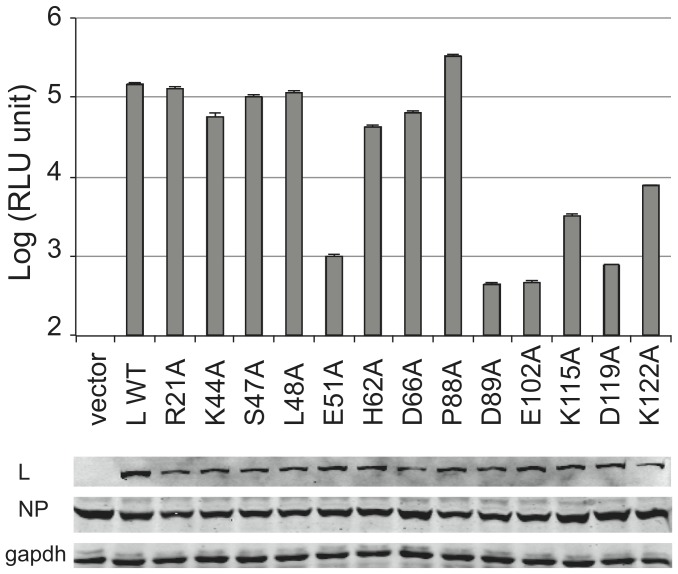
Lassa virus (LASV) causes deadly hemorrhagic fever disease for which there are no vaccines and limited treatments. LASV-encoded L polymerase is required for viral RNA replication and transcription. The functional domains of L-a large protein of 2218 amino acid residues-are largely undefined, except for the centrally located RNA-dependent RNA polymerase (RdRP) motif. Recent structural and functional analyses of the N-terminal region of the L protein from lymphocytic choriomeningitis virus (LCMV), which is in the same Arenaviridae family as LASV, have identified an endonuclease domain that presumably cleaves the cap structures of host mRNAs in order to initiate viral transcription. Here we present a high-resolution crystal structure of the N-terminal 173-aa region of the LASV L protein (LASV L173) in complex with magnesium ions at 1.72 Å. The structure is highly homologous to other known viral endonucleases of arena- (LCMV NL1), orthomyxo- (influenza virus PA), and bunyaviruses (La Crosse virus NL1). Although the catalytic residues (D89, E102 and K122) are highly conserved among the known viral endonucleases, LASV L endonuclease structure shows some notable differences. Our data collected from in vitro endonuclease assays and a reporter-based LASV minigenome transcriptional assay in mammalian cells confirm structural prediction of LASV L173 as an active endonuclease. The high-resolution structure of the LASV L endonuclease domain in complex with magnesium ions should aid the development of antivirals against lethal Lassa hemorrhagic fever.
拉沙病毒(LASV)可引发致命的出血热疾病,目前尚无疫苗,治疗手段也有限。病毒RNA复制和转录需要LASV编码的L聚合酶。L蛋白是一种由2218个氨基酸残基组成的大蛋白,其功能结构域大多尚未明确,仅知位于中央的依赖RNA的RNA聚合酶(RdRP)基序。淋巴细胞性脉络丛脑膜炎病毒(LCMV)与LASV同属沙粒病毒科,近期对其L蛋白N端区域的结构和功能分析确定了一个核酸内切酶结构域,推测该结构域可切割宿主mRNA的帽结构以启动病毒转录。在此,我们展示了LASV L蛋白N端173个氨基酸区域(LASV L173)与镁离子结合的高分辨率晶体结构,分辨率为1.72 Å。该结构与沙粒病毒(LCMV NL1)、正粘病毒(流感病毒PA)和布尼亚病毒(拉克罗斯病毒NL1)的其他已知病毒核酸内切酶高度同源。尽管催化残基(D89、E102和K122)在已知病毒核酸内切酶中高度保守,但LASV L核酸内切酶结构仍存在一些显著差异。我们从体外核酸内切酶测定以及哺乳动物细胞中基于报告基因的LASV微型基因组转录测定收集的数据证实,LASV L173的结构预测为一种活性核酸内切酶。LASV L核酸内切酶结构域与镁离子结合的高分辨率结构应有助于开发针对致命拉沙出血热的抗病毒药物。