Department of Molecular Microbiology and Immunology, Keck School of Medicine, University of Southern California, Los Angeles, CA 90033, USA.
Department of Biological Sciences, Korea Advanced Institute of Science and Technology, Daejeon 305-701, Republic of Korea.
Cell Host Microbe. 2014 Feb 12;15(2):228-38. doi: 10.1016/j.chom.2014.01.009.
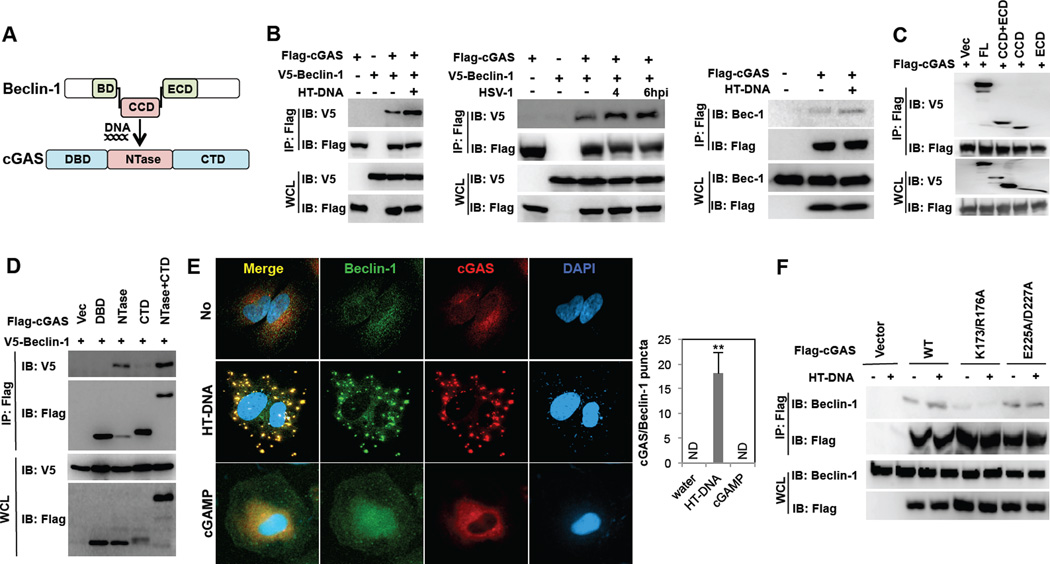
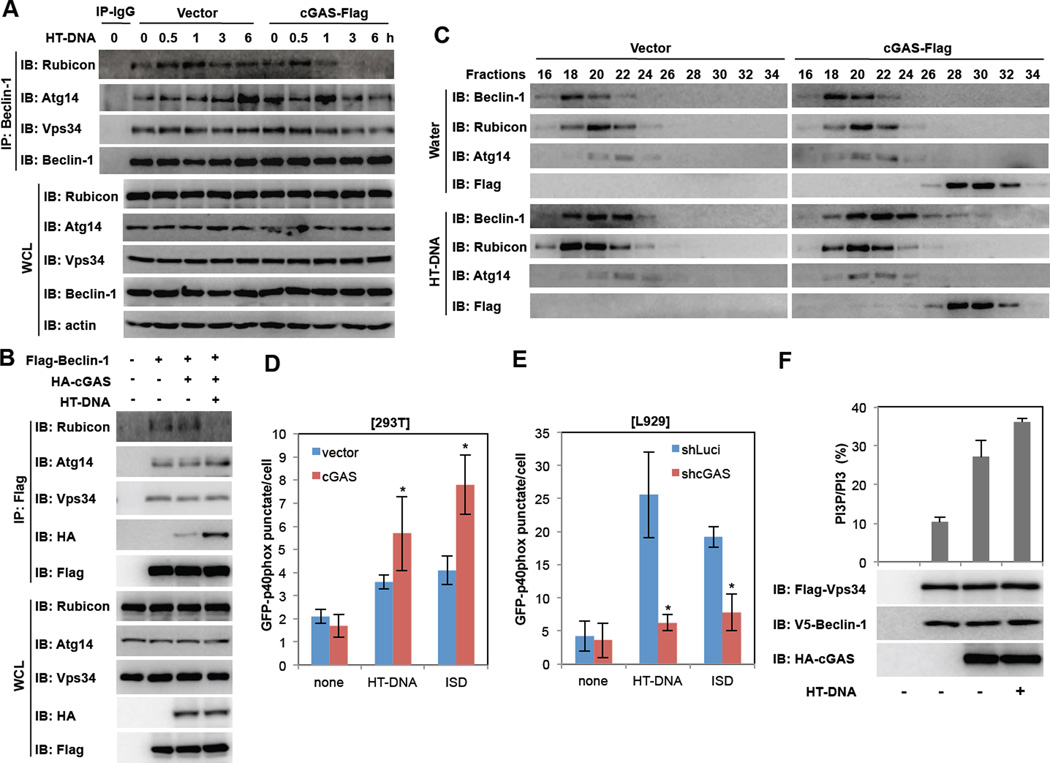
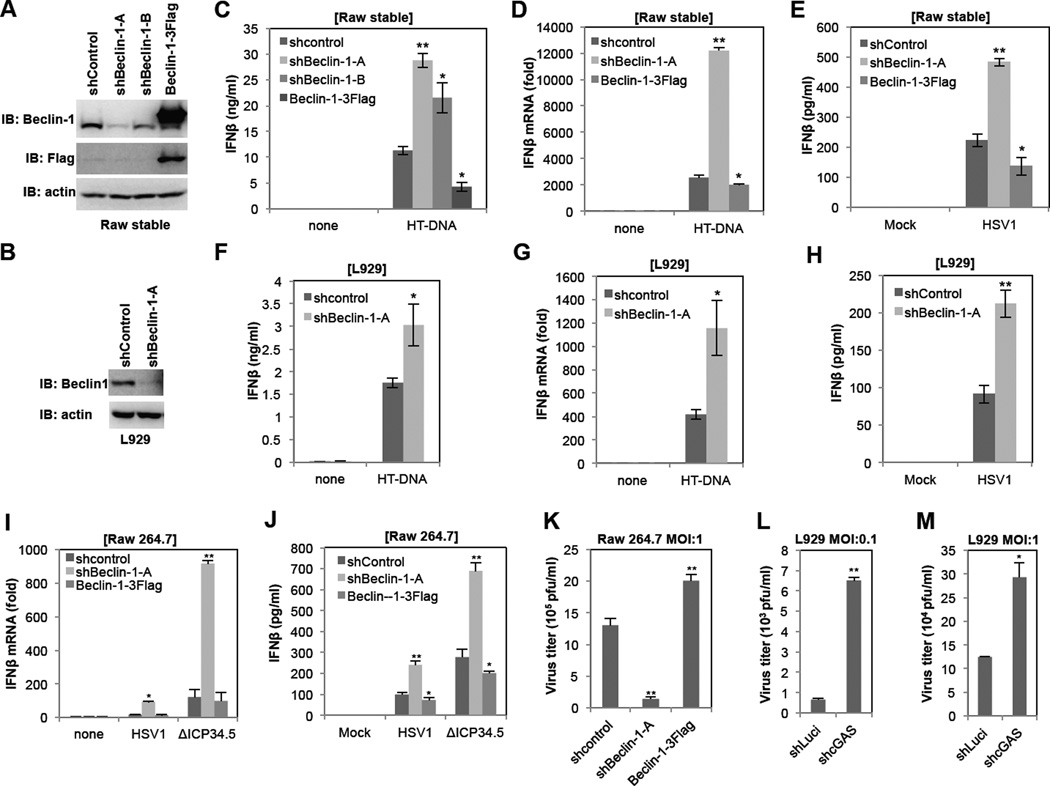
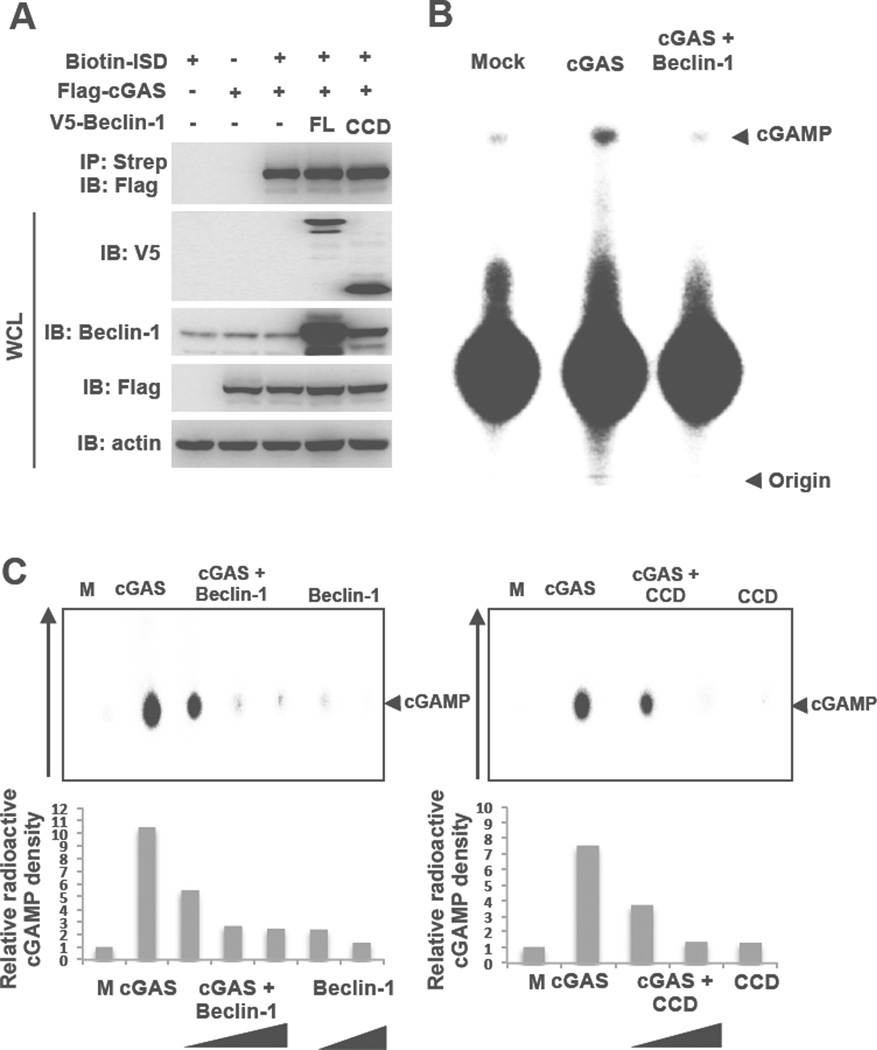
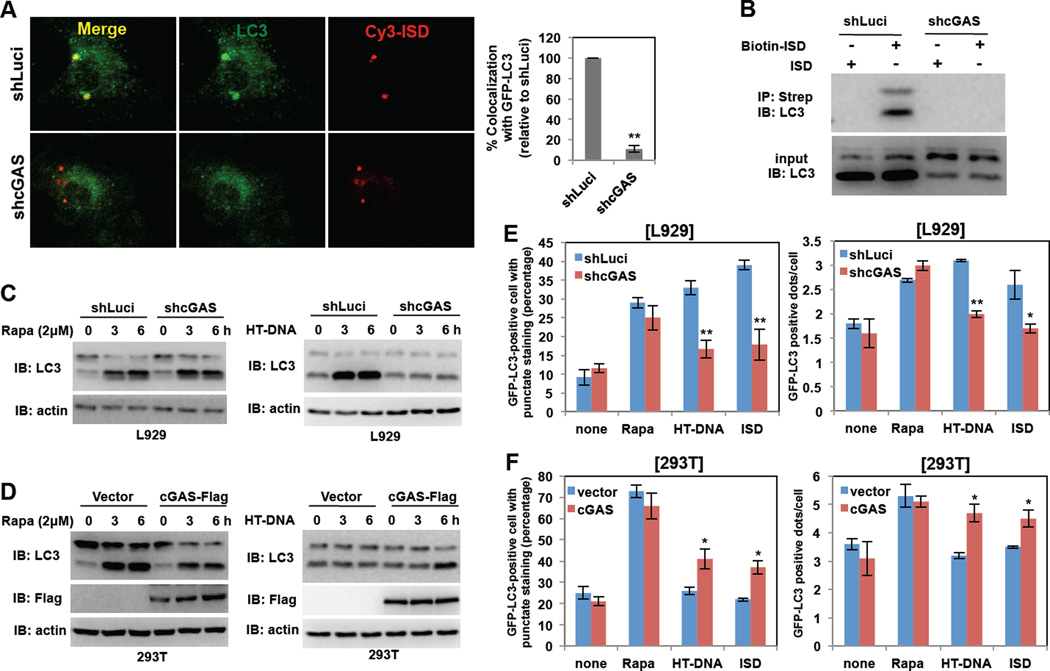
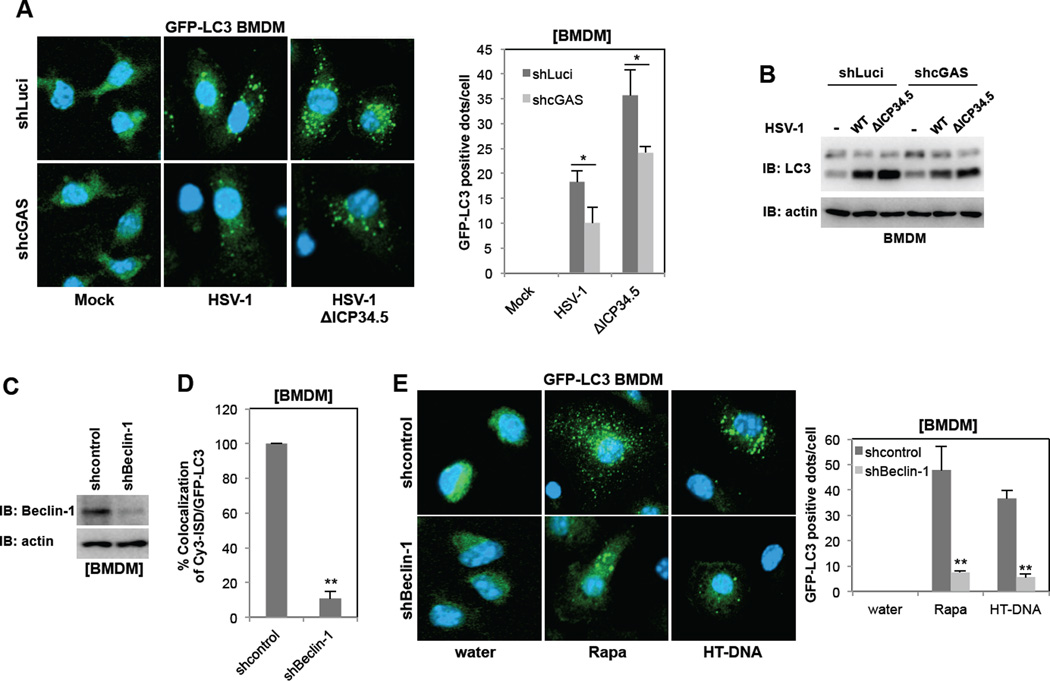
Robust immune responses are essential for eliminating pathogens but must be metered to avoid prolonged immune activation and potential host damage. Upon recognition of microbial DNA, the cytosolic DNA sensor cyclic GMP-AMP (cGAMP) synthetase (cGAS) produces the second messenger cGAMP to initiate the stimulator of interferon genes (STING) pathway and subsequent interferon (IFN) production. We report that the direct interaction between cGAS and the Beclin-1 autophagy protein not only suppresses cGAMP synthesis to halt IFN production upon double-stranded DNA (dsDNA) stimulation or herpes simplex virus-1 infection, but also enhances autophagy-mediated degradation of cytosolic pathogen DNA to prevent excessive cGAS activation and persistent immune stimulation. Specifically, this interaction releases Rubicon, a negative autophagy regulator, from the Beclin-1 complex, activating phosphatidylinositol 3-kinase class III activity and thereby inducing autophagy to remove cytosolic pathogen DNA. Thus, the cGAS-Beclin-1 interaction shapes innate immune responses by regulating both cGAMP production and autophagy, resulting in well-balanced antimicrobial immune responses.
强大的免疫反应对于消除病原体至关重要,但必须加以控制,以避免免疫持续激活和潜在的宿主损伤。在识别微生物 DNA 后,细胞质 DNA 传感器环鸟苷酸-腺苷酸(cGAMP)合成酶(cGAS)产生第二信使 cGAMP,启动干扰素基因刺激物(STING)途径和随后的干扰素(IFN)产生。我们报告说,cGAS 与 Beclin-1 自噬蛋白的直接相互作用不仅抑制 cGAMP 的合成,从而在双链 DNA(dsDNA)刺激或单纯疱疹病毒-1 感染时停止 IFN 产生,而且还增强了细胞质病原体 DNA 的自噬介导降解,以防止 cGAS 过度激活和持续的免疫刺激。具体来说,这种相互作用将负自噬调节剂 Rubicon 从 Beclin-1 复合物中释放出来,激活磷脂酰肌醇 3-激酶 III 活性,从而诱导自噬去除细胞质病原体 DNA。因此,cGAS-Beclin-1 相互作用通过调节 cGAMP 产生和自噬来塑造先天免疫反应,从而产生平衡的抗菌免疫反应。