Department of Oncology, Lombardi Comprehensive Cancer Center, Georgetown University Medical Center, Washington, DC 20057, USA.
Br J Cancer. 2014 Mar 18;110(6):1488-96. doi: 10.1038/bjc.2014.50. Epub 2014 Feb 18.
Oestrogen (E2) induces apoptosis in long-term E2-deprived MCF7 cells (MCF7:5C). Taxanes have been used extensively in the treatment of early and advanced breast cancer. We have interrogated the sequence of events that involve the apoptotic signalling pathway induced by E2 in comparison with paclitaxel.
DNA quantification and cell cycle analysis were used to assess proliferation of cancer cells. Apoptosis was evaluated using annexin V and DNA staining methods. Regulation of apoptotic genes was determined by performing PCR-based arrays and RT-PCR.
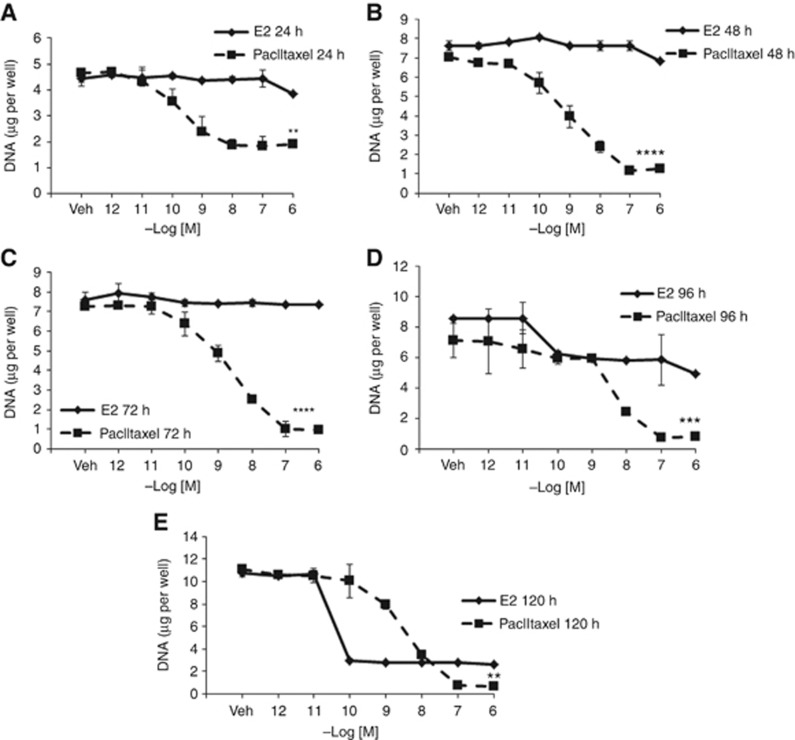
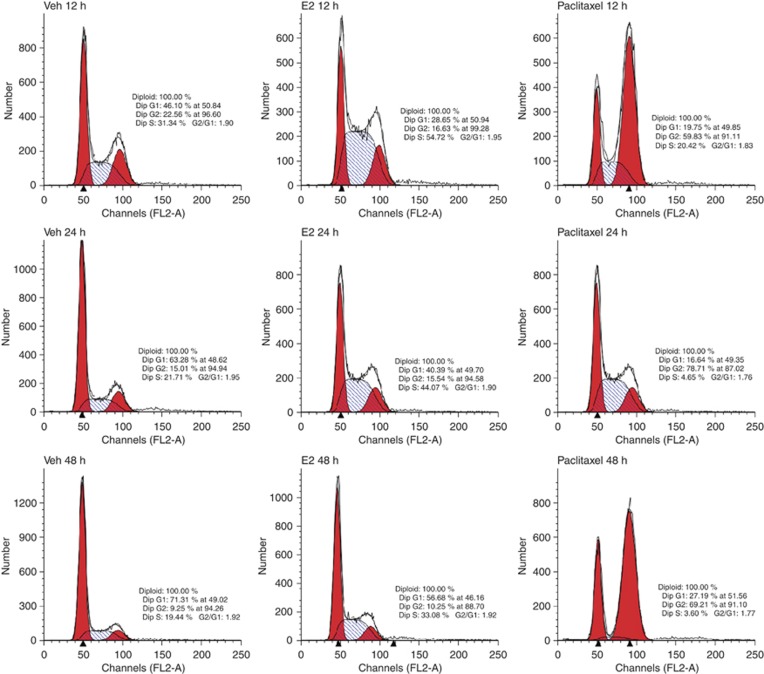
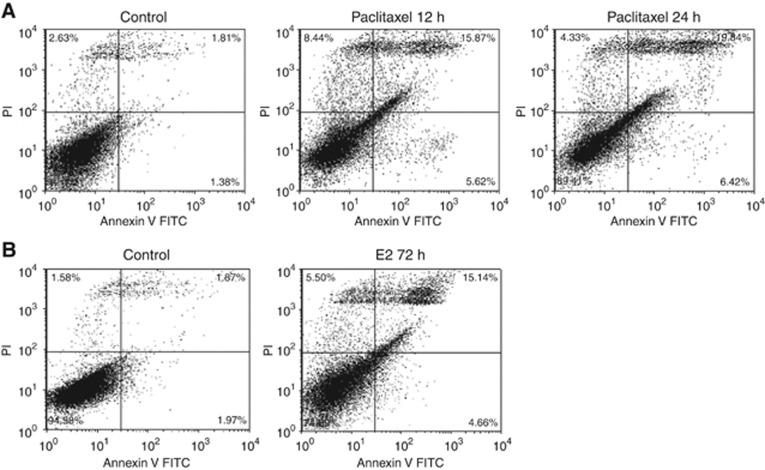
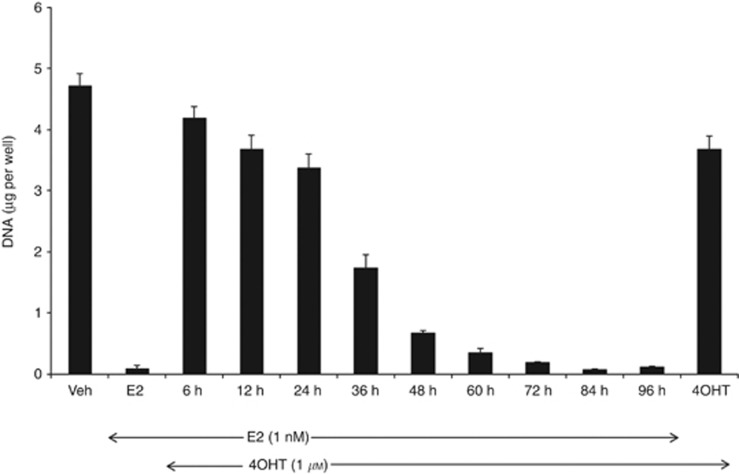
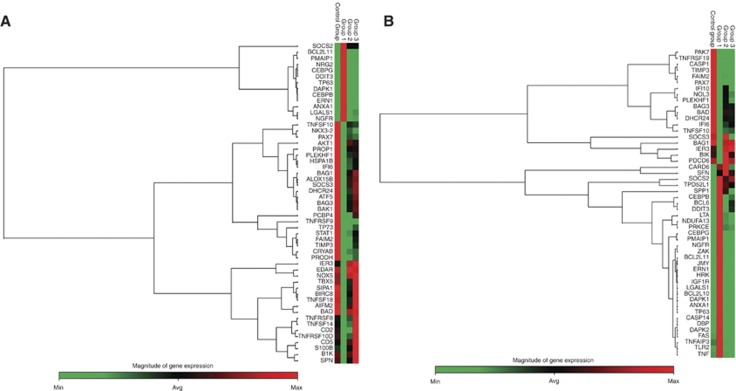
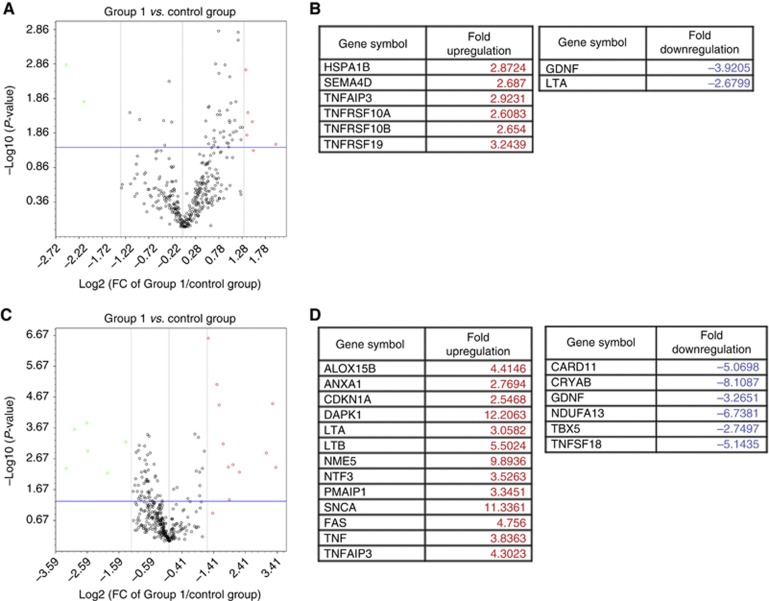
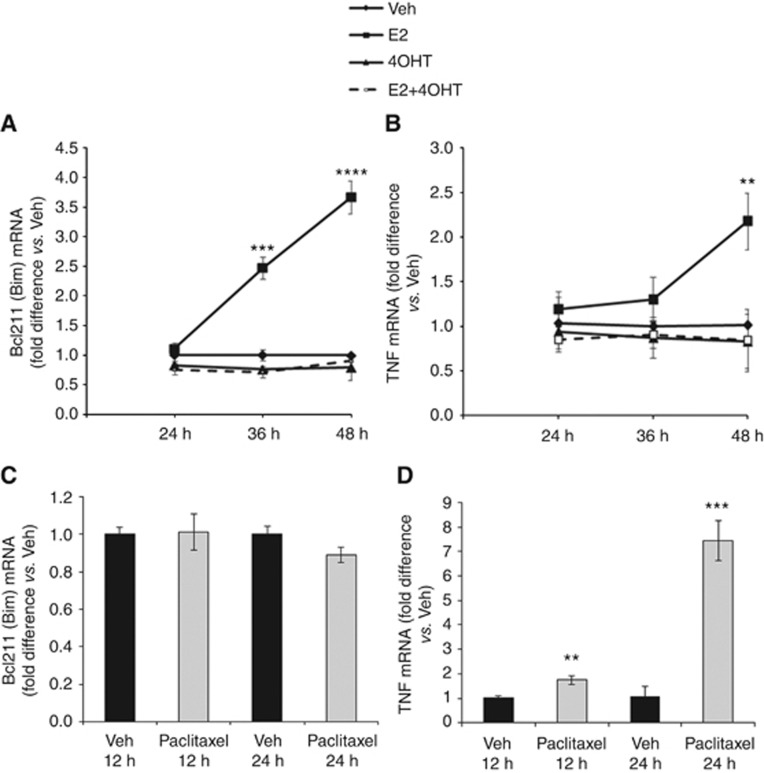
E2-induced apoptosis is a delayed process, whereas paclitaxel immediately inhibits the growth and induces death of MCF7:5C cells. The cellular commitment for E2-triggered apoptosis occur after 24 h. Activation of the intrinsic pathway was observed by 36 h of E2 treatment with subsequent induction of the extrinsic apoptotic pathway by 48 h. Paclitaxel exclusively activated extramitochondrial apoptotic genes and caused rapid G2/M blockade by 12 h of treatment. By contrast, E2 causes an initial proliferation with elevated S phase of cell cycles followed by apoptosis of the MCF7:5C cells. Most importantly, we are the first to document that E2-induced apoptosis can be reversed after 24 h treatment.
These data indicate that E2-induced apoptosis involves a novel, multidynamic process that is distinctly different from that of a classic cytotoxic chemotherapeutic drug used in breast cancer.
雌激素(E2)可诱导长期缺乏 E2 的 MCF7 细胞(MCF7:5C)凋亡。紫杉醇已广泛用于治疗早期和晚期乳腺癌。我们比较了 E2 与紫杉醇诱导的凋亡信号通路中的一系列事件,探讨了 E2 诱导的凋亡信号通路。
采用 DNA 定量和细胞周期分析评估癌细胞的增殖情况。采用 Annexin V 和 DNA 染色法评估细胞凋亡。通过进行基于 PCR 的阵列和 RT-PCR 确定凋亡基因的调控。
E2 诱导的细胞凋亡是一个延迟的过程,而紫杉醇可立即抑制 MCF7:5C 细胞的生长并诱导其死亡。E2 触发的细胞凋亡的细胞决定发生在 24 小时后。E2 处理 36 小时后观察到内在途径的激活,随后在 48 小时内诱导外在凋亡途径。紫杉醇仅激活外线粒体凋亡基因,并在 12 小时的治疗后导致快速 G2/M 阻断。相比之下,E2 导致 MCF7:5C 细胞的初始增殖,细胞周期的 S 期升高,随后发生细胞凋亡。重要的是,我们首次证明 E2 诱导的细胞凋亡在 24 小时治疗后可以逆转。
这些数据表明,E2 诱导的细胞凋亡涉及一种新颖的、多动态的过程,与用于乳腺癌的经典细胞毒性化疗药物明显不同。