Nanaiah K Pallavi, Nagarathna D V, Manjunath Nandini
Department of Periodontics, Dayananda Sagar College of Dental Sciences, Bangalore, Karnataka, India.
Department of Periodontics, A. J. Institute of Dental Sciences, Mangalore, Karnataka, India.
J Indian Soc Periodontol. 2013 Nov;17(6):784-9. doi: 10.4103/0972-124X.124507.
Periodontitis is a group of inflammatory diseases affecting the supporting tissues of the tooth. Both aggressive periodontitis (AP) and chronic periodontitis (CP) have a multifactorial etiology, with dental plaque as the initiating factor. However, the initiation and progression of periodontitis are influenced by other factors including microbiologic, social and behavioral and systemic and genetic factors. The prevalence of periodontal diseases varies in different regions of the world according to the definition of periodontitis and the study population, and there are indications that they may be more prevalent in developing than in developed countries.
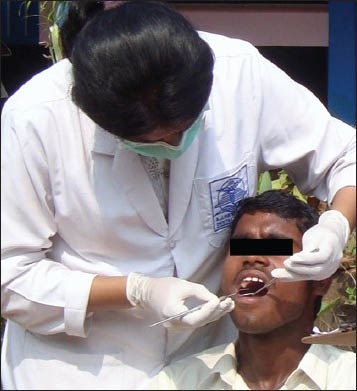
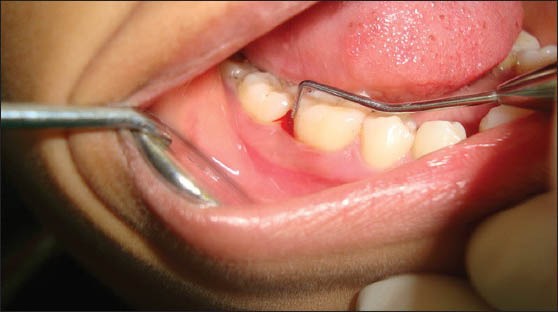
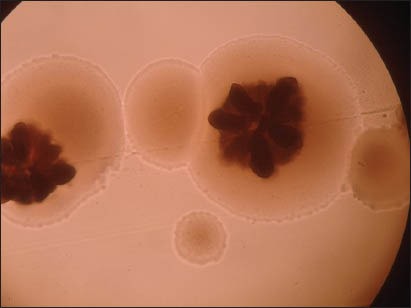
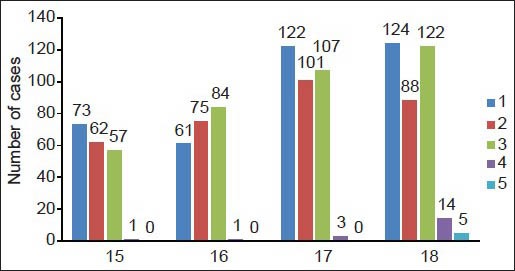
A cross-sectional study was conducted among the adolescents of 15-18 years of age in Mangalore City. One thousand one hundred students aged 15-18 years were selected for the study from the schools and colleges in Mangalore City using a convenient sampling method. The prevalence of AP and CP were assessed in the study using a community periodontal index. Students who were diagnosed clinically and radiographically were subjected to microbiological examination to confirm AP.
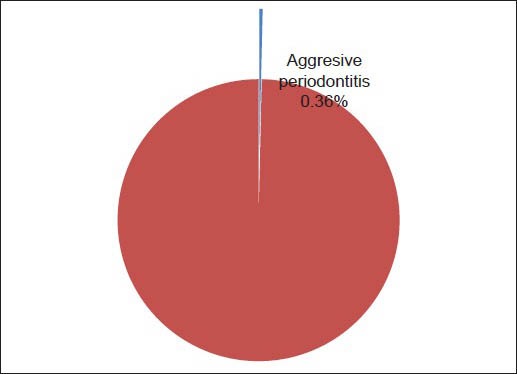
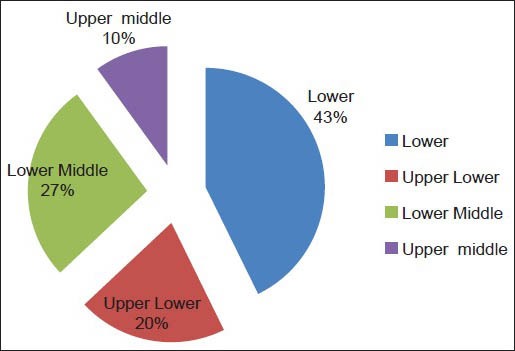
A high prevalence of gingivitis and periodontitis was found in students belonging to the lower socioeconomic status group compared with the higher socioeconomic groups, which were associated with poor oral hygiene habits. The prevalence of AP was found to be 0.36% and that of CP was found to be 1.5%.
Oral diseases have a significant impact on the social and psychological aspects of an individual's life. Exposure to risk factors, such as age, low socio-economic status, poor education, low dental care utilization, poor oral hygiene levels, smoking, psychosocial stress and genetic factors are significantly associated with an increased risk of periodontitis among adolescents. Although genetic factors play a major role in periodontitis, the treatment outcome will still be influenced by environmental and behavioral factors.
牙周炎是一组影响牙齿支持组织的炎症性疾病。侵袭性牙周炎(AP)和慢性牙周炎(CP)均具有多因素病因,牙菌斑是起始因素。然而,牙周炎的发生和进展受其他因素影响,包括微生物、社会行为、全身和遗传因素。根据牙周炎的定义和研究人群的不同,牙周疾病在世界不同地区的患病率有所差异,有迹象表明,它们在发展中国家可能比在发达国家更为普遍。
在芒格洛尔市对15至18岁的青少年进行了一项横断面研究。采用方便抽样法从芒格洛尔市的学校和学院中选取了1100名15至18岁的学生进行研究。在该研究中使用社区牙周指数评估AP和CP的患病率。对临床和影像学诊断的学生进行微生物学检查以确诊AP。
与社会经济地位较高的群体相比,社会经济地位较低的群体中的学生牙龈炎和牙周炎患病率较高,这与不良的口腔卫生习惯有关。发现AP的患病率为0.36%,CP的患病率为1.5%。
口腔疾病对个人生活的社会和心理方面有重大影响。暴露于年龄、社会经济地位低、教育程度低、牙科护理利用率低、口腔卫生水平差、吸烟、心理社会压力和遗传因素等风险因素与青少年牙周炎风险增加显著相关。虽然遗传因素在牙周炎中起主要作用,但治疗结果仍将受环境和行为因素影响。