Nair Harish, Lau Eva, Brooks W, Seong Ang, Theodoratou Evropi, Zgaga Lina, Huda Tanvir, Jadhav Suresh S, Rudan Igor, Campbell Harry
BMC Public Health. 2013;13 Suppl 3(Suppl 3):S14. doi: 10.1186/1471-2458-13-S3-S14. Epub 2013 Sep 17.
Influenza is an under-appreciated cause of acute lower respiratory infections (ALRI) in children. It is estimated to cause approximately 20 million new episodes of ALRI in children annually, 97% of these occurring in developing countries. It is also estimated to result in 28000 to 112000 deaths annually in young children. Apart from hospitalisations and deaths, influenza has significant economic consequences. The current egg-based inactivated influenza vaccines have several limitations: annual vaccination, high production costs, and cannot respond adequately to meet the demand during pandemics.
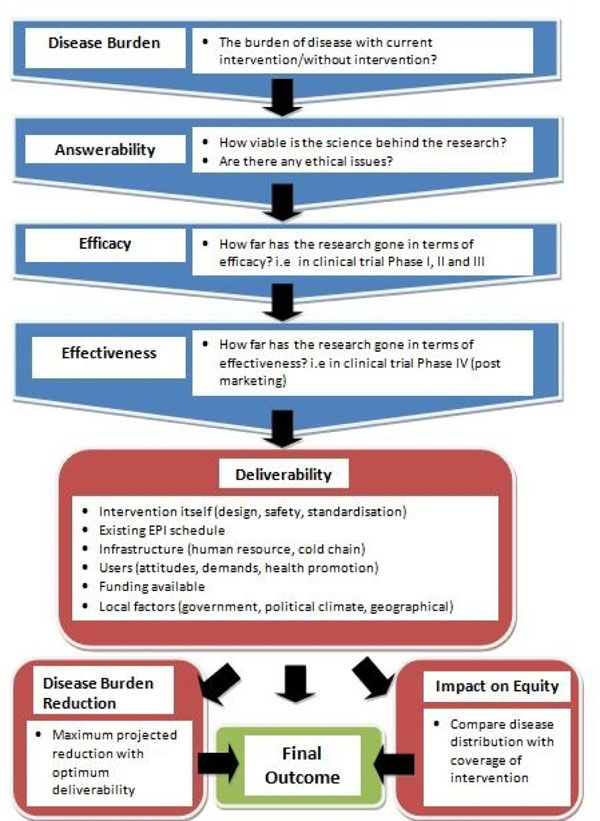
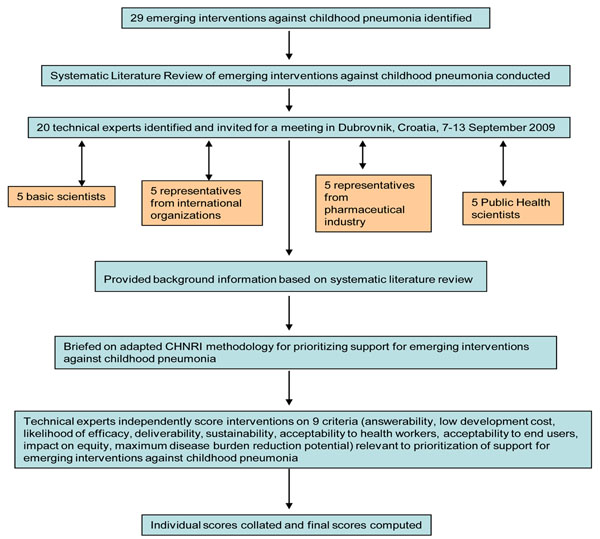
We used a modified CHNRI methodology for setting priorities in health research investments. This was done in two stages. In Stage I, we systematically reviewed the literature related to emerging cross-protective vaccines against influenza relevant to several criteria of interest: answerability; cost of development, production and implementation; efficacy and effectiveness; deliverability, affordability and sustainability; maximum potential impact on disease burden reduction; acceptability to the end users and health workers; and effect on equity. In Stage II, we conducted an expert opinion exercise by inviting 20 experts (leading basic scientists, international public health researchers, international policy makers and representatives of pharmaceutical companies). They answered questions from the CHNRI framework and their "collective optimism" towards each criterion was documented on a scale from 0 to 100%.
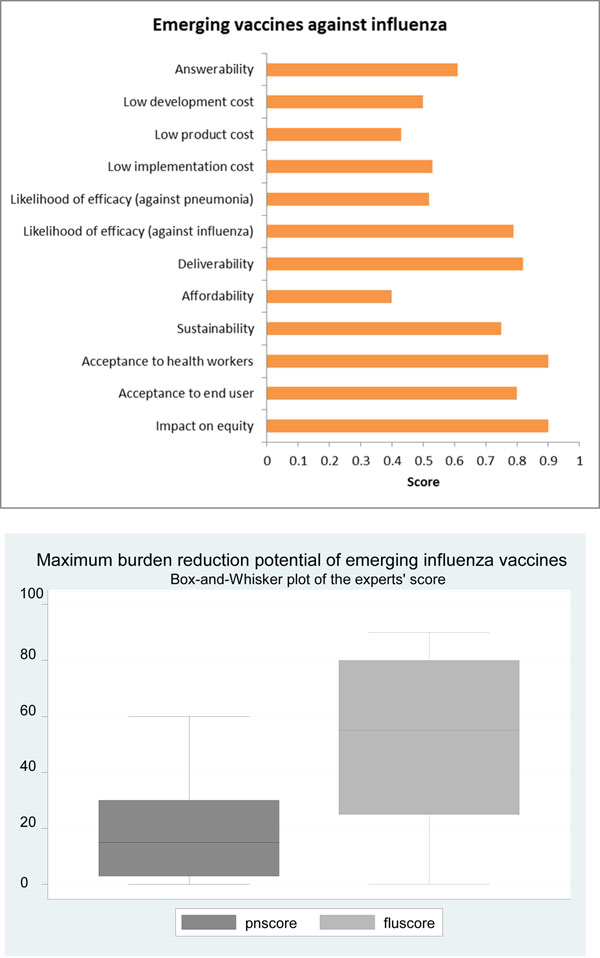
The experts expressed very high level of optimism for deliverability, impact on equity, and acceptability to health workers and end users. However, they expressed concerns over the criteria of answerability, low development cost, low product cost, low implementation cost, affordability and, to a lesser extent sustainability. In addition they felt that the vaccine would have higher efficacy and impact on disease burden reduction on overall influenza-associated disease rather than specifically influenza-associated pneumonia.
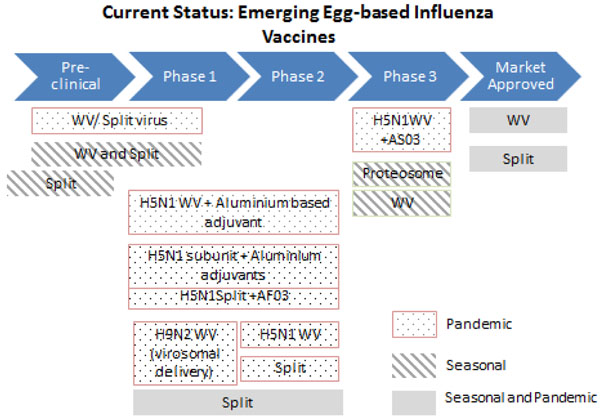
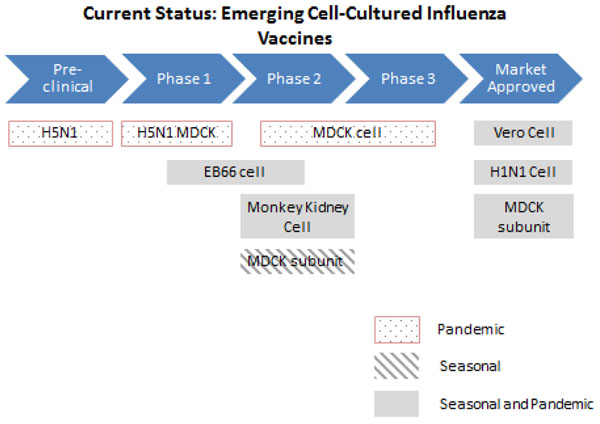
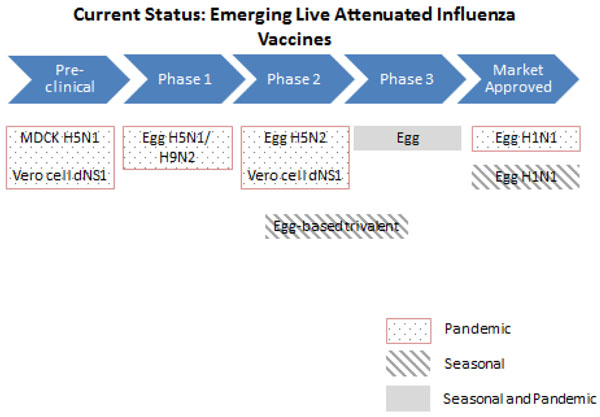
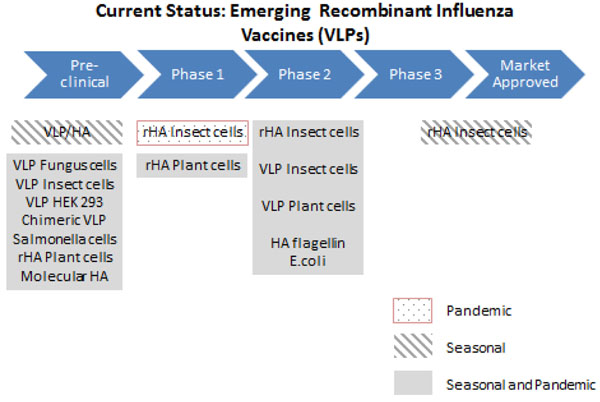
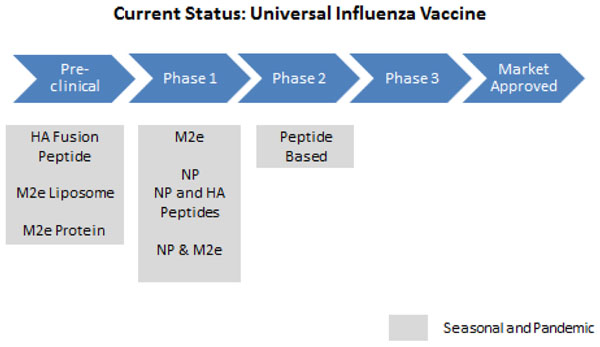
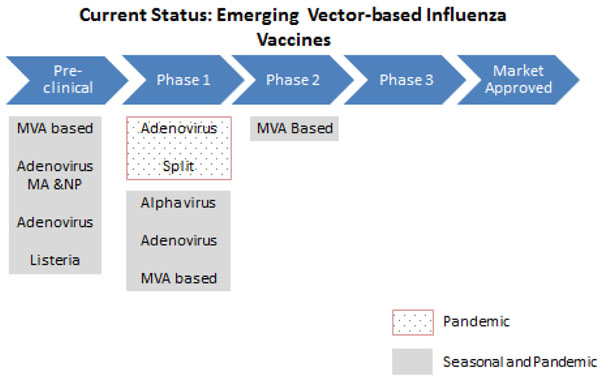
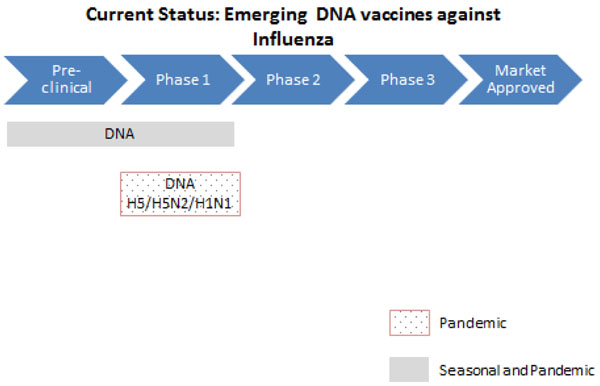
Although the landscape of emerging influenza vaccines shows several promising candidates, it is unlikely that the advancements in the newer vaccine technologies will be able to progress through to large scale production in the near future. The combined effects of continued investments in researching new vaccines and improvements of available vaccines will hopefully shorten the time needed to the development of an effective seasonal and pandemic influenza vaccine suitable for large scale production.
流感是儿童急性下呼吸道感染(ALRI)一个未得到充分重视的病因。据估计,每年流感导致儿童约2000万例新发ALRI,其中97%发生在发展中国家。据估计,每年还导致幼儿28000至112000人死亡。除了住院和死亡,流感还会产生重大经济后果。目前基于鸡蛋的灭活流感疫苗有几个局限性:需每年接种、生产成本高,且在大流行期间无法充分满足需求。
我们采用改良的CHNRI方法来确定卫生研究投资的优先事项。这分两个阶段进行。在第一阶段,我们系统回顾了与新兴的流感交叉保护疫苗相关的文献,涉及几个感兴趣的标准:可回答性;研发、生产和实施成本;疗效和有效性;可交付性、可承受性和可持续性;对减少疾病负担的最大潜在影响;终端用户和卫生工作者的可接受性;以及对公平性的影响。在第二阶段,我们邀请了20位专家(顶尖基础科学家、国际公共卫生研究人员、国际政策制定者和制药公司代表)进行专家意见调查。他们回答了CHNRI框架中的问题,并对每个标准的“集体乐观程度”进行了0至100%的评分记录。
专家们对可交付性、对公平性的影响以及卫生工作者和终端用户的可接受性表示非常高的乐观程度。然而,他们对可回答性、低研发成本、低产品成本、低实施成本、可承受性以及在较小程度上对可持续性的标准表示担忧。此外,他们认为该疫苗对总体流感相关疾病的疗效和对减少疾病负担的影响将高于对特定流感相关肺炎的影响。
尽管新兴流感疫苗领域有几种有前景的候选疫苗,但新疫苗技术的进展近期不太可能进入大规模生产阶段。持续投资研发新疫苗和改进现有疫苗的综合效果有望缩短开发出适合大规模生产的有效季节性和大流行性流感疫苗所需的时间。