Department of Cardiology, Medical University Vienna, Vienna, Austria.
J Am Heart Assoc. 2014 Feb 28;3(1):e000772. doi: 10.1161/JAHA.113.000772.
Splenectomy is a clinical risk factor for complicated thrombosis. We hypothesized that the loss of the mechanical filtering function of the spleen may enrich for thrombogenic phospholipids in the circulation, thereby affecting the vascular remodeling of thrombosis.
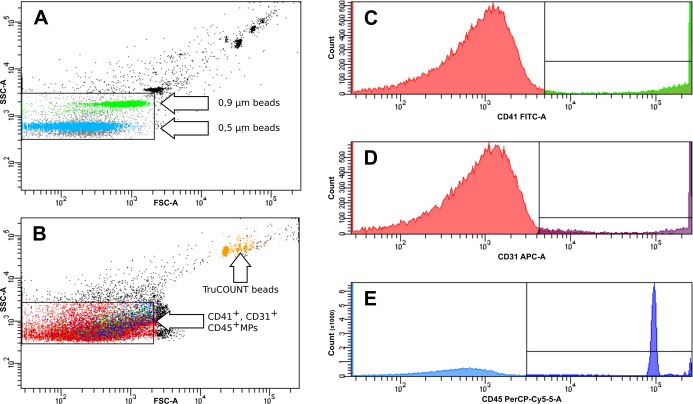
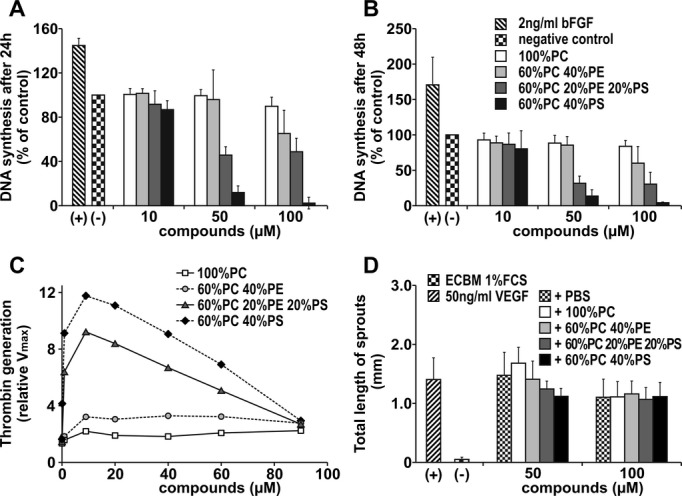
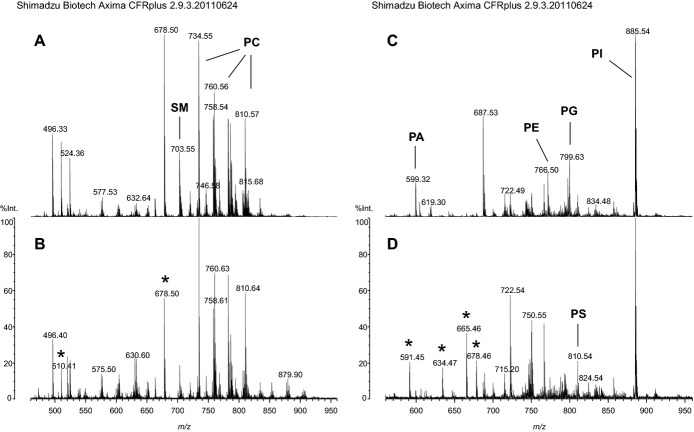
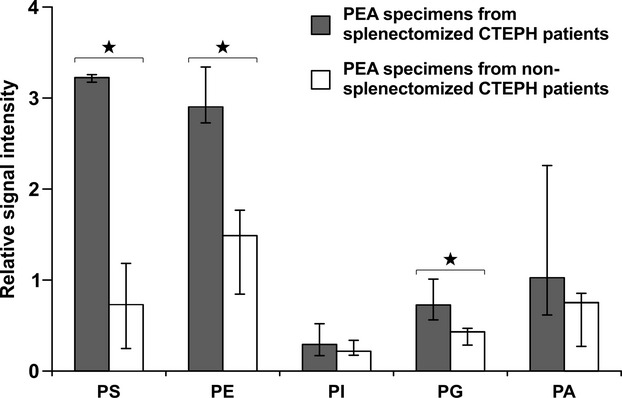
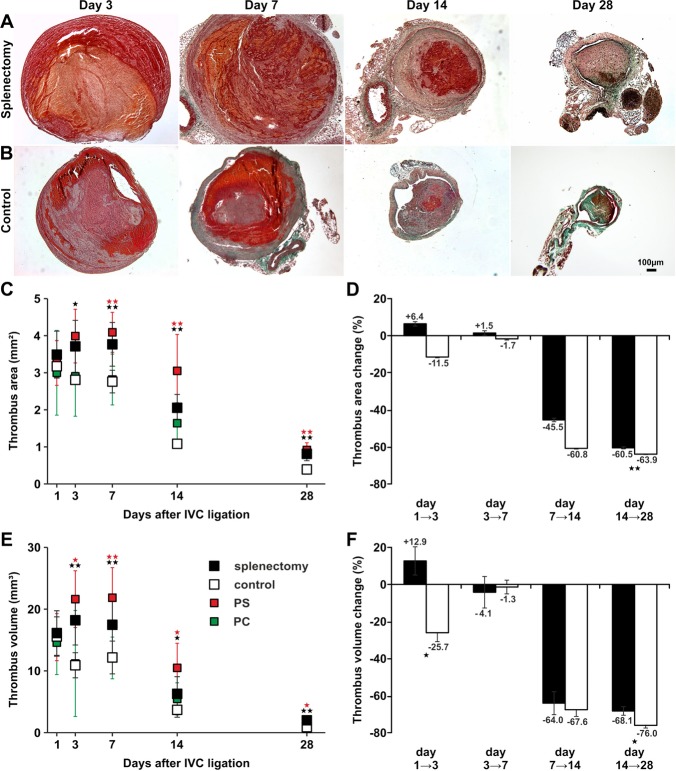
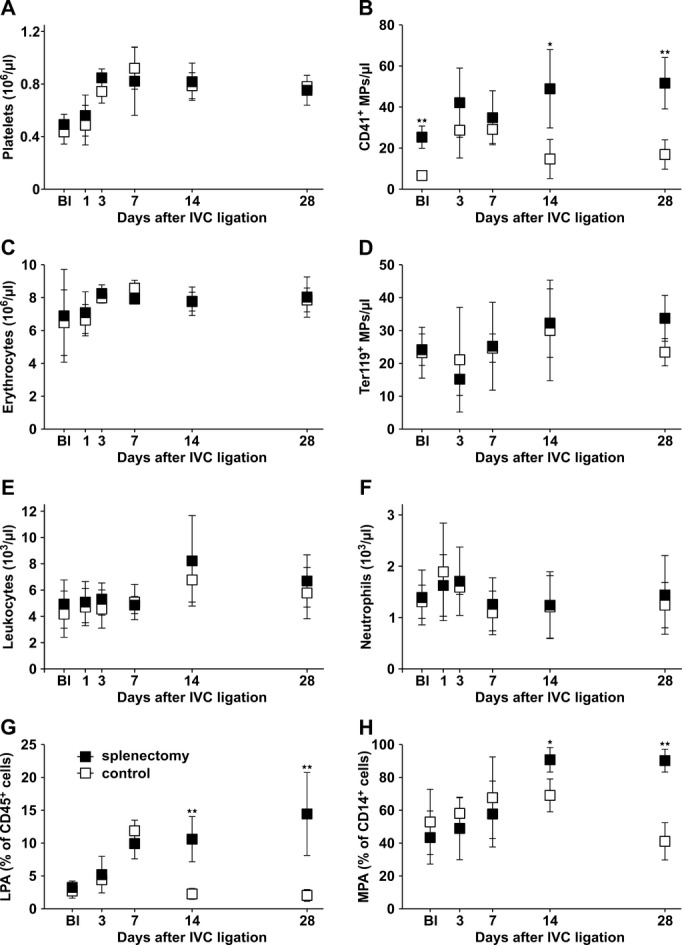
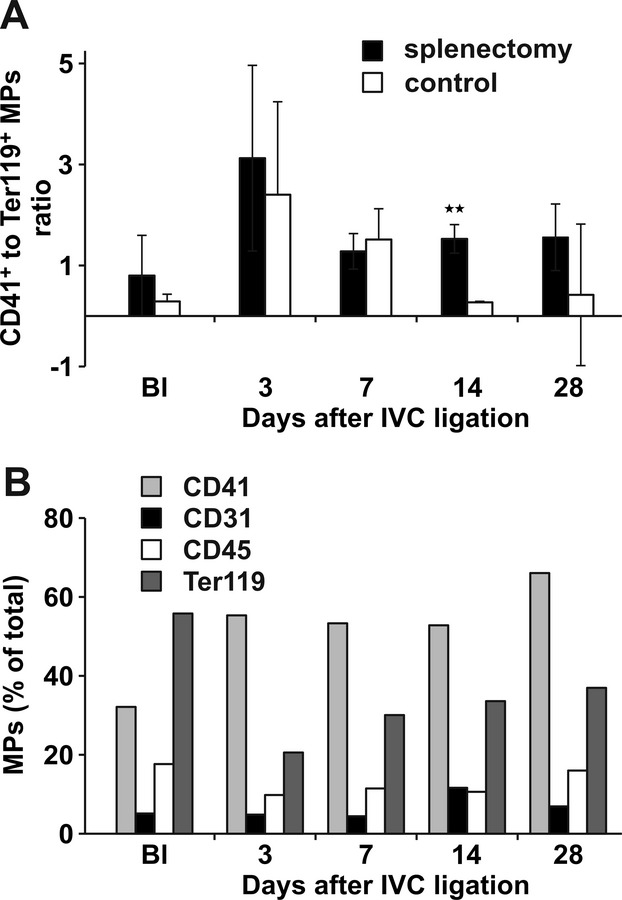
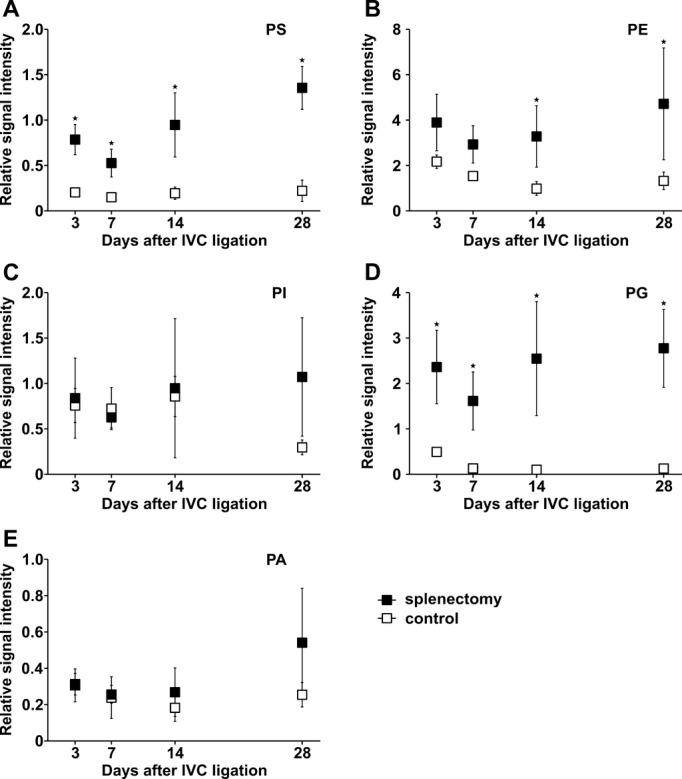
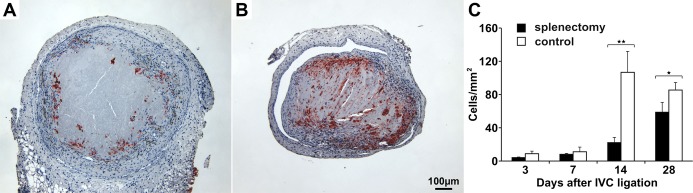
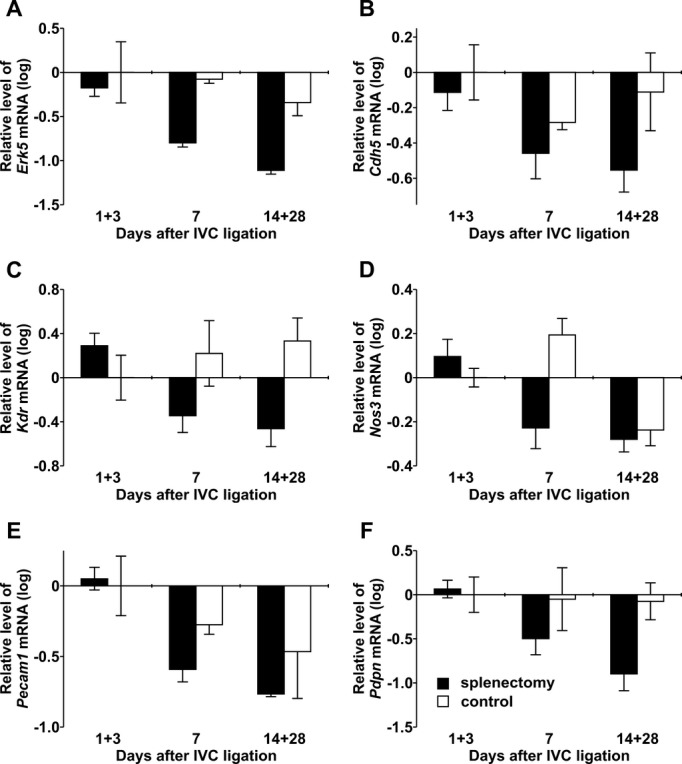
We investigated the effects of splenectomy both in chronic thromboembolic pulmonary hypertension (CTEPH), a human model disease for thrombus nonresolution, and in a mouse model of stagnant flow venous thrombosis mimicking deep vein thrombosis. Surgically excised thrombi from rare cases of CTEPH patients who had undergone previous splenectomy were enriched for anionic phospholipids like phosphatidylserine. Similar to human thrombi, phosphatidylserine accumulated in thrombi after splenectomy in the mouse model. A postsplenectomy state was associated with larger and more persistent thrombi. Higher counts of procoagulant platelet microparticles and increased leukocyte-platelet aggregates were observed in mice after splenectomy. Histological inspection revealed a decreased number of thrombus vessels. Phosphatidylserine-enriched phospholipids specifically inhibited endothelial proliferation and sprouting.
After splenectomy, an increase in circulating microparticles and negatively charged phospholipids is enhanced by experimental thrombus induction. The initial increase in thrombus volume after splenectomy is due to platelet activation, and the subsequent delay of thrombus resolution is due to inhibition of thrombus angiogenesis. The data illustrate a potential mechanism of disease in CTEPH.
脾切除术是导致血栓形成并发症的临床危险因素。我们假设脾脏的机械过滤功能丧失可能会使循环中富含促血栓形成的磷脂,从而影响血栓的血管重塑。
我们研究了脾切除术对慢性血栓栓塞性肺动脉高压(CTEPH)的影响,CTEPH 是血栓形成无法解决的人类模型疾病,以及模拟深静脉血栓形成的停滞血流小鼠静脉血栓形成模型。从罕见的 CTEPH 患者的手术切除的血栓中,我们发现经过脾切除术的患者的阴离子磷脂,如磷脂酰丝氨酸含量丰富。类似于人类血栓,在小鼠模型中脾切除后,磷脂酰丝氨酸在血栓中积累。脾切除后会出现更大和更持久的血栓。脾切除后的小鼠中观察到促凝血小板微颗粒的计数增加和白细胞-血小板聚集体增加。组织学检查显示血栓血管数量减少。富含磷脂酰丝氨酸的磷脂特异性抑制内皮细胞增殖和发芽。
脾切除后,实验性血栓形成诱导会增加循环中的微颗粒和带负电荷的磷脂。脾切除后血栓体积的最初增加是由于血小板激活,随后血栓溶解的延迟是由于血栓血管生成的抑制。这些数据说明了 CTEPH 疾病的潜在机制。