1] Malignant and Therapeutic Stem Cell Models Laboratory, INSERM, U935, Poitiers, France [2] Malignant and Therapeutic Stem Cell Models Laboratory, University of Poitiers, U935, Poitiers, France [3] Department of Oncology and Hematology, University Hospital of Poitiers, Poitiers, France.
1] Malignant and Therapeutic Stem Cell Models Laboratory, University of Paris Sud 11, U935, Villejuif, France [2] Malignant and Therapeutic Stem Cell Models Laboratory, Paul Brousse-AP-HP Hospital, U935, Villejuif, France.
Oncogenesis. 2014 Mar 17;3(3):e91. doi: 10.1038/oncsis.2014.5.
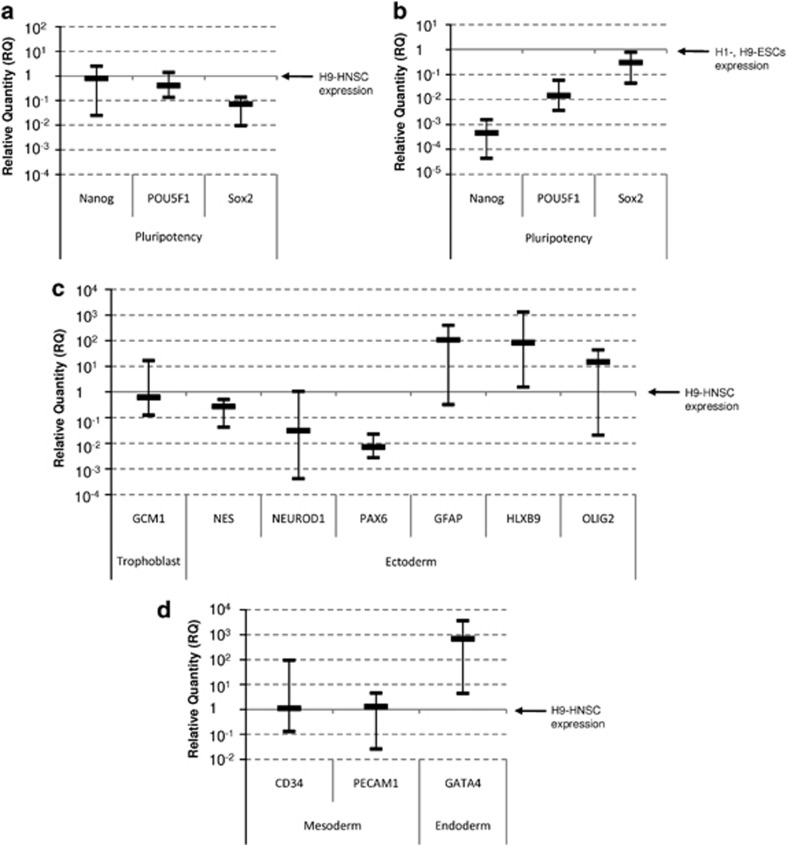
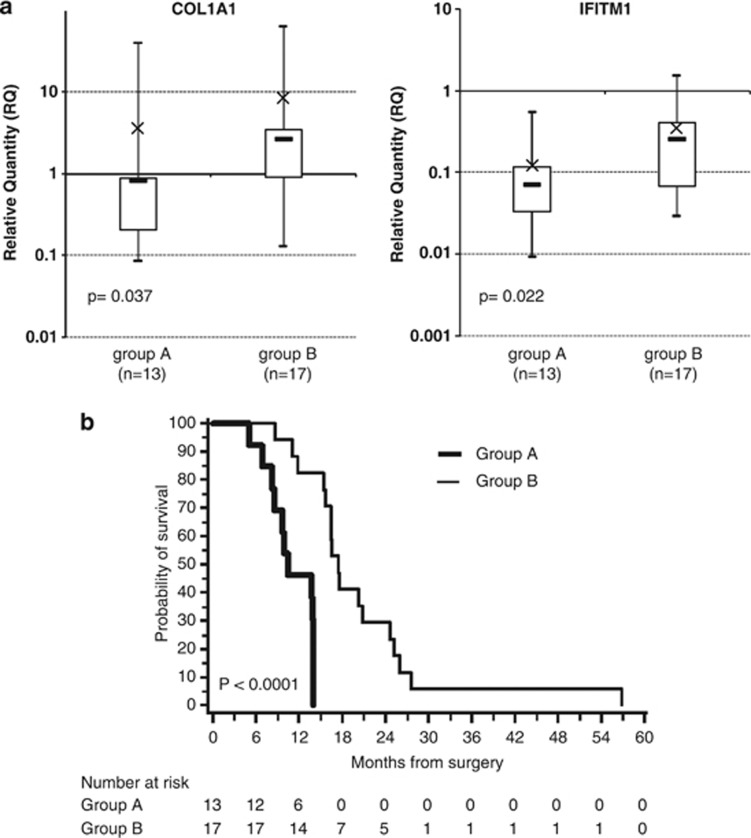
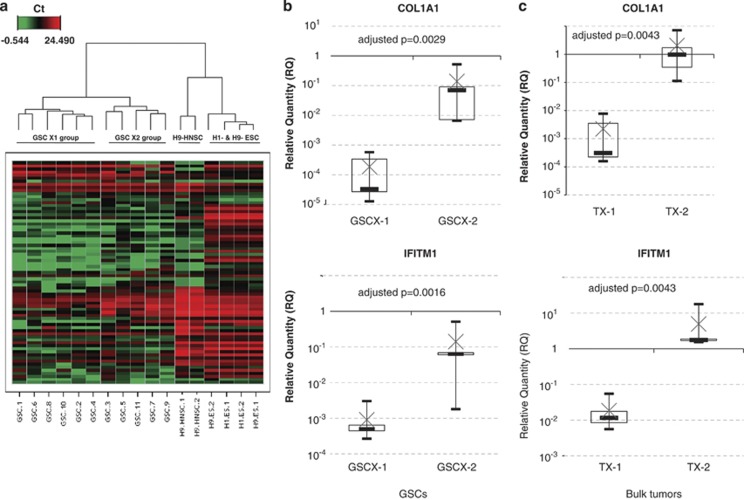
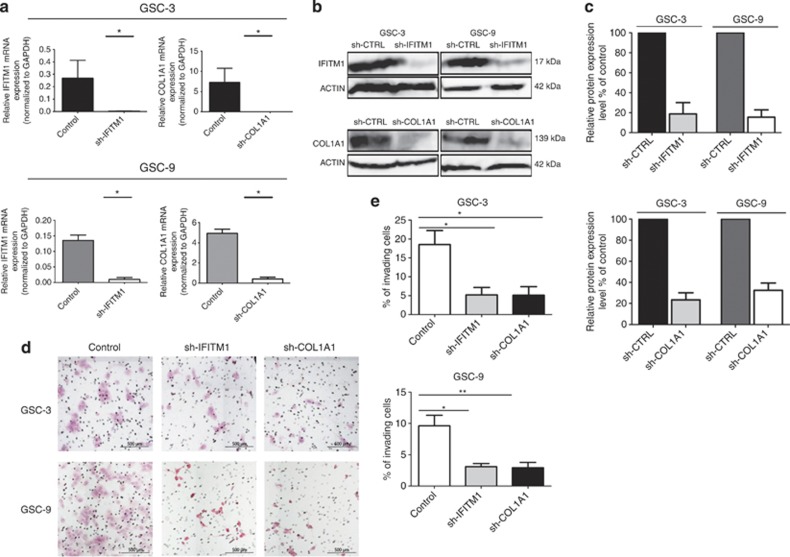
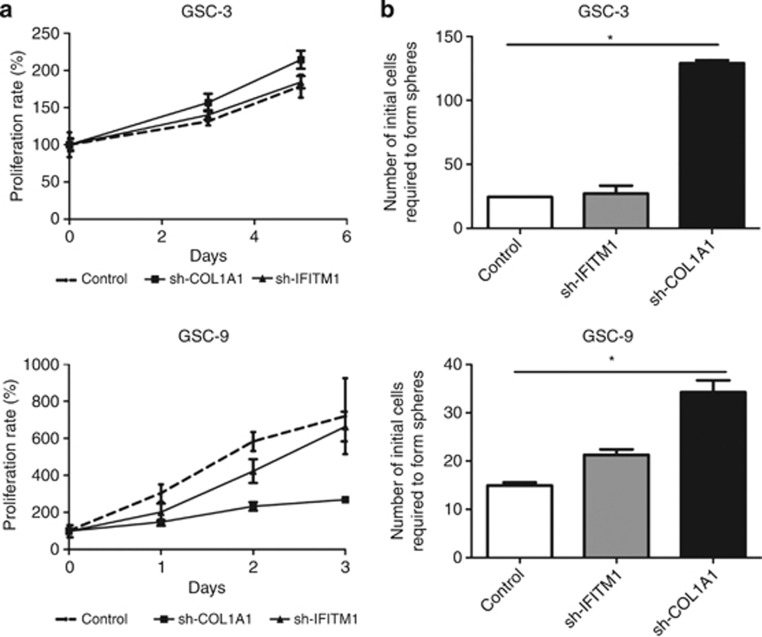
Recent studies have demonstrated a relationship between the expression of stem cell-associated genes and relapses in glioblastoma (GBM), suggesting a key role for tumor stem cells in this process. Although there is increasing interest in this field, glioma stem cells (GSCs) are still poorly characterized, their 'stemness' state and factors maintaining these properties remain largely unknown. We performed an expression profiling analysis of pluripotency in gliomaspheres derived from 11 patients. Comparative analysis between GSCs and H1 and H9 human embryonic stem cells as well as H9-derived neural stem cells indicates major variations in gene expression of pluripotency factors Nanog and OCT4, but a stable pattern for SOX2 suggesting its important function in maintaining pluripotency in GSCs. Our results also showed that all GSC lines have the capacity to commit to neural differentiation and express mesenchymal or endothelial differentiation markers. In addition, hierarchical clustering analysis revealed two groups of GSCs reflecting their heterogeneity and identified COL1A1 and IFITM1 as the most discriminating genes. Similar patterns have been observed in tumors from which gliomaspheres have been established. To determine whether this heterogeneity could be clinically relevant, the expression of both genes was further analyzed in an independent cohort of 30 patients with GBM and revealed strong correlation with overall survival. In vitro silencing of COL1A1 and IFTM1 confirmed the effect of these mesenchymal-associated genes on cell invasion and gliomasphere initiation. Our results indicate that COL1A1 and IFITM1 genes could be considered for use in stratifying patients with GBM into subgroups for risk of recurrence at diagnosis, as well as for prognostic and therapeutic evolution.
最近的研究表明,干细胞相关基因的表达与胶质母细胞瘤(GBM)的复发之间存在关联,这表明肿瘤干细胞在这一过程中起着关键作用。尽管人们对这一领域越来越感兴趣,但神经胶质瘤干细胞(GSCs)的特征仍然很差,它们的“干性”状态和维持这些特性的因素在很大程度上仍然未知。我们对 11 名患者来源的神经球进行了多能性表达谱分析。将 GSCs 与 H1 和 H9 人胚胎干细胞以及 H9 衍生的神经干细胞进行比较分析表明,多能性因子 Nanog 和 OCT4 的基因表达存在较大差异,但 SOX2 的表达模式稳定,提示其在维持 GSCs 多能性中的重要作用。我们的研究结果还表明,所有 GSC 系均具有向神经分化的能力,并表达间充质或内皮分化标志物。此外,层次聚类分析显示,GSCs 存在两个亚群,反映了其异质性,并确定 COL1A1 和 IFITM1 为最具区分能力的基因。在建立神经球的肿瘤中也观察到了类似的模式。为了确定这种异质性是否具有临床相关性,我们在一个独立的 30 名 GBM 患者队列中进一步分析了这两个基因的表达,结果表明它们的表达与总生存期呈强相关。体外沉默 COL1A1 和 IFITM1 证实了这些间充质相关基因对细胞侵袭和神经球形成的影响。我们的研究结果表明,COL1A1 和 IFITM1 基因可用于将 GBM 患者分为亚组,以预测诊断时的复发风险,以及预后和治疗进展。