Systems Neurophysiology, The Florey Institute of Neuroscience and Mental Health, University of Melbourne, Parkville, Victoria, Australia; Department of Florey Neuroscience, University of Melbourne, Parkville, Victoria, Australia.
Neurodegeneration, The Florey Institute of Neuroscience and Mental Health, University of Melbourne, Parkville, Victoria, Australia; Départment de Biologie, Ecole Normale Supérieure de Lyon, Lyon, France.
PLoS One. 2014 Mar 19;9(3):e90451. doi: 10.1371/journal.pone.0090451. eCollection 2014.
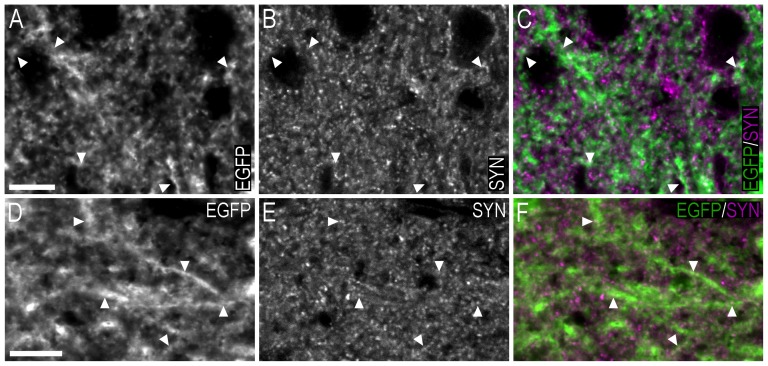
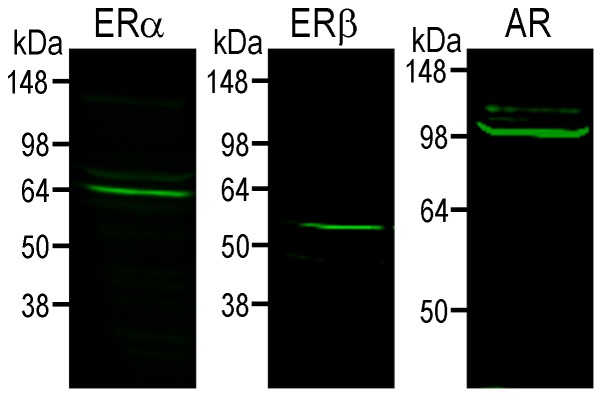
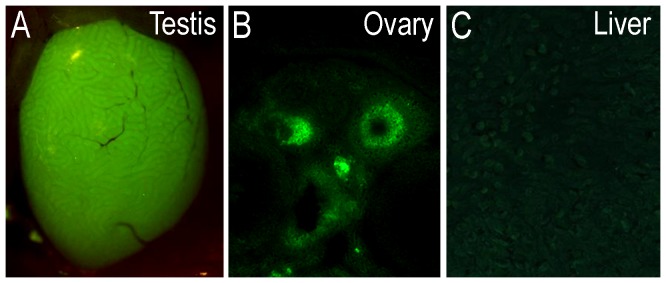
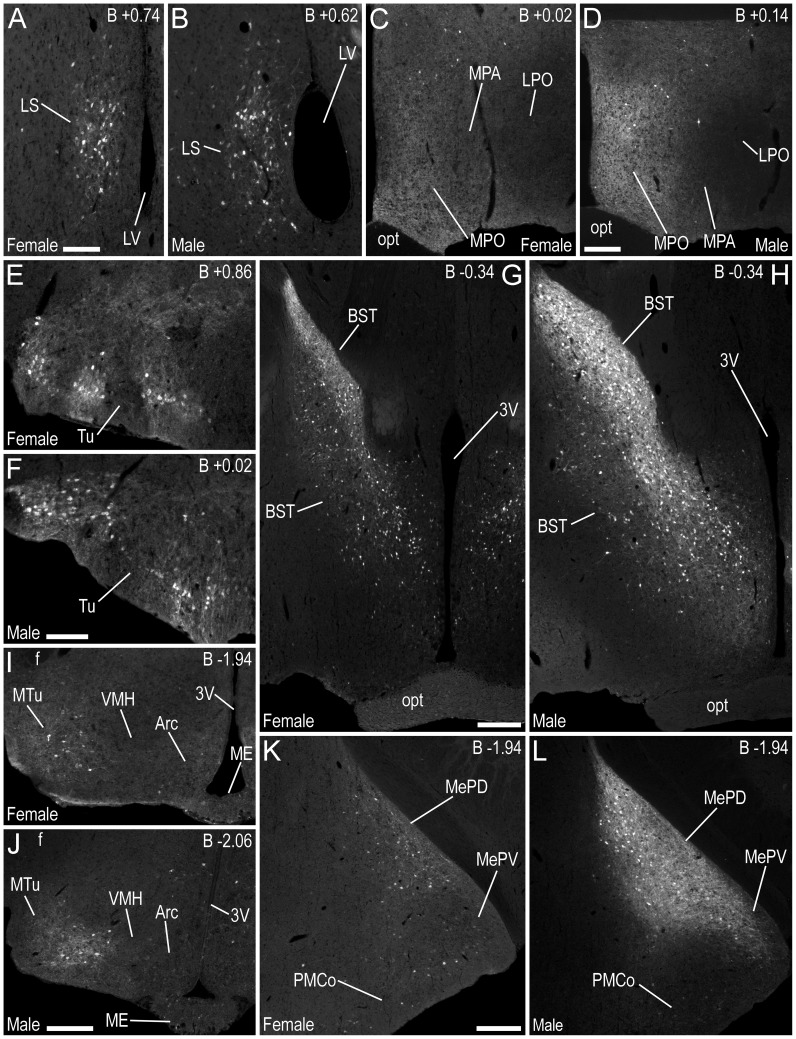
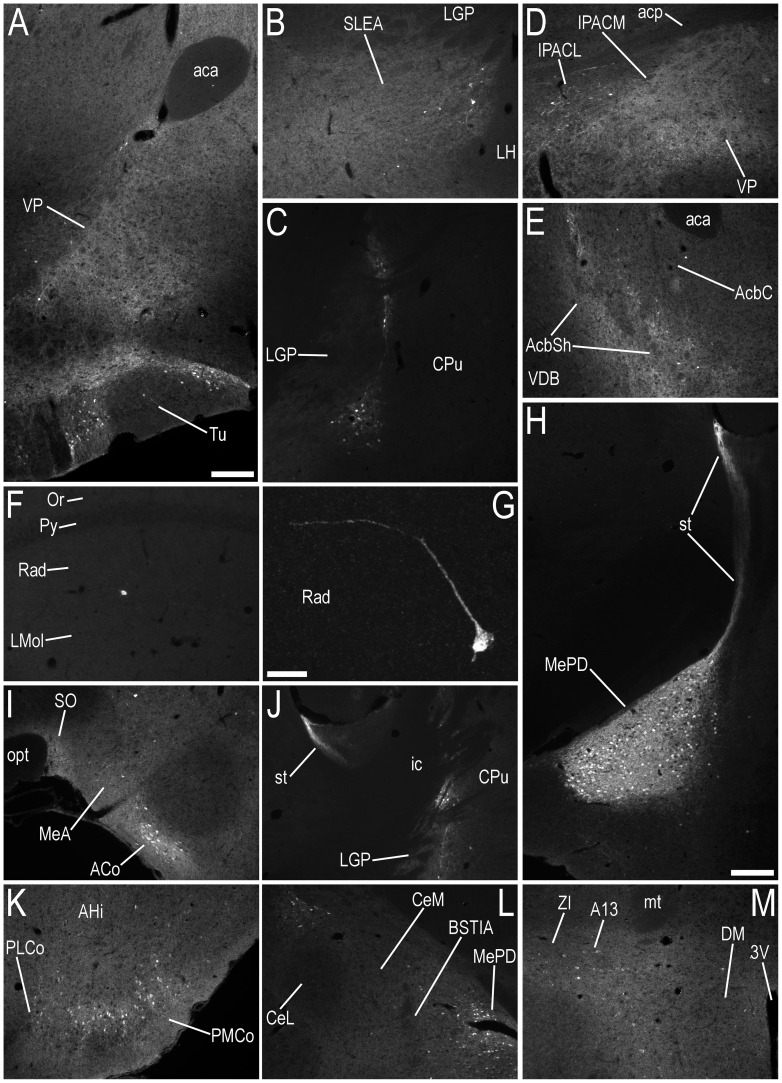
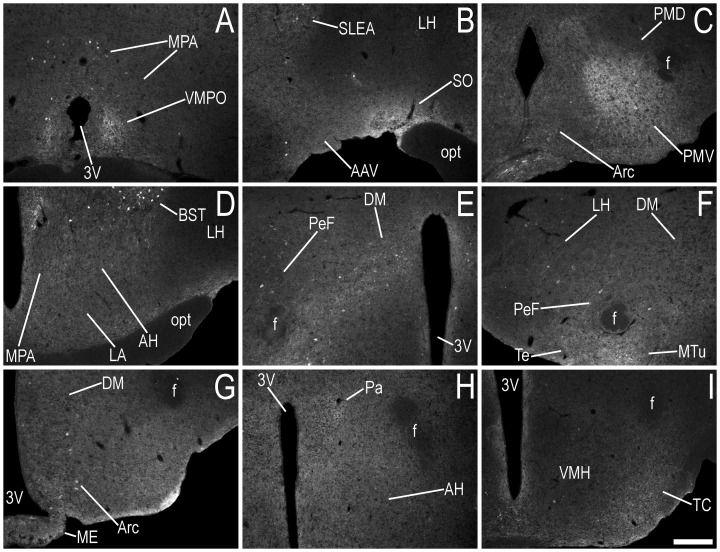
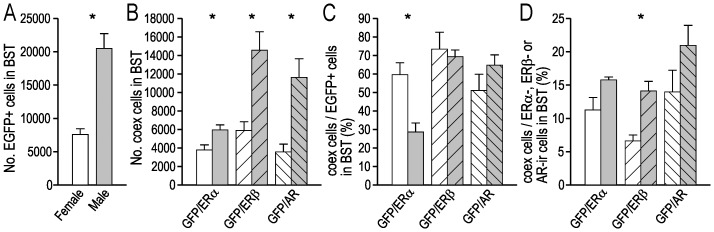
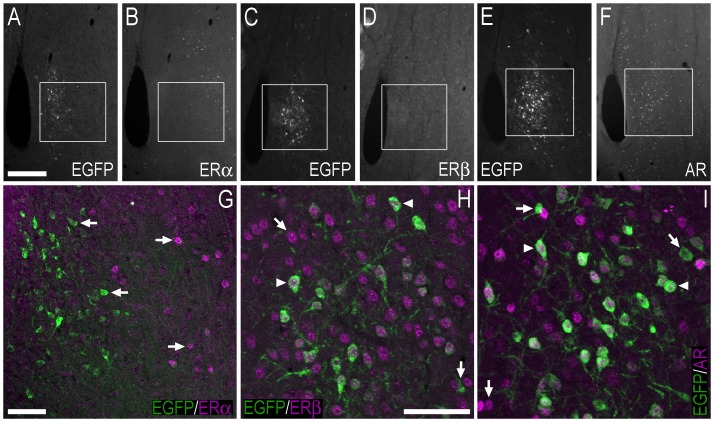
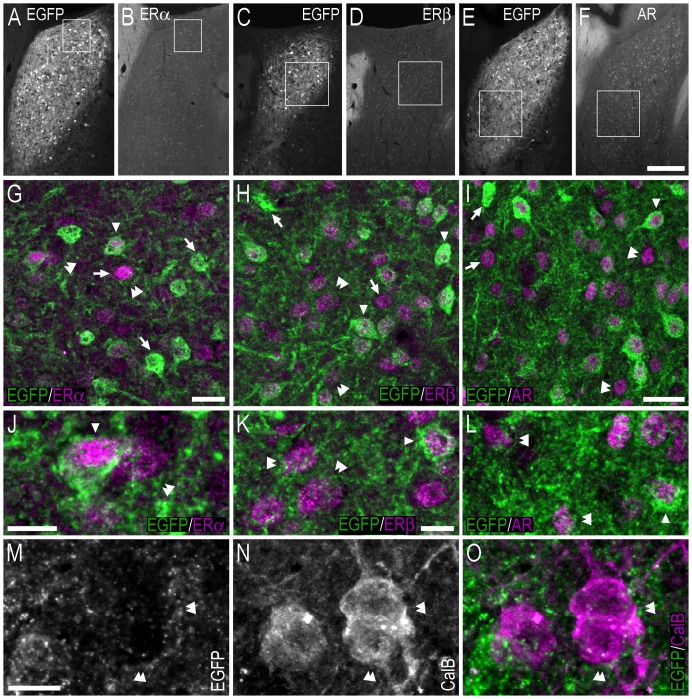
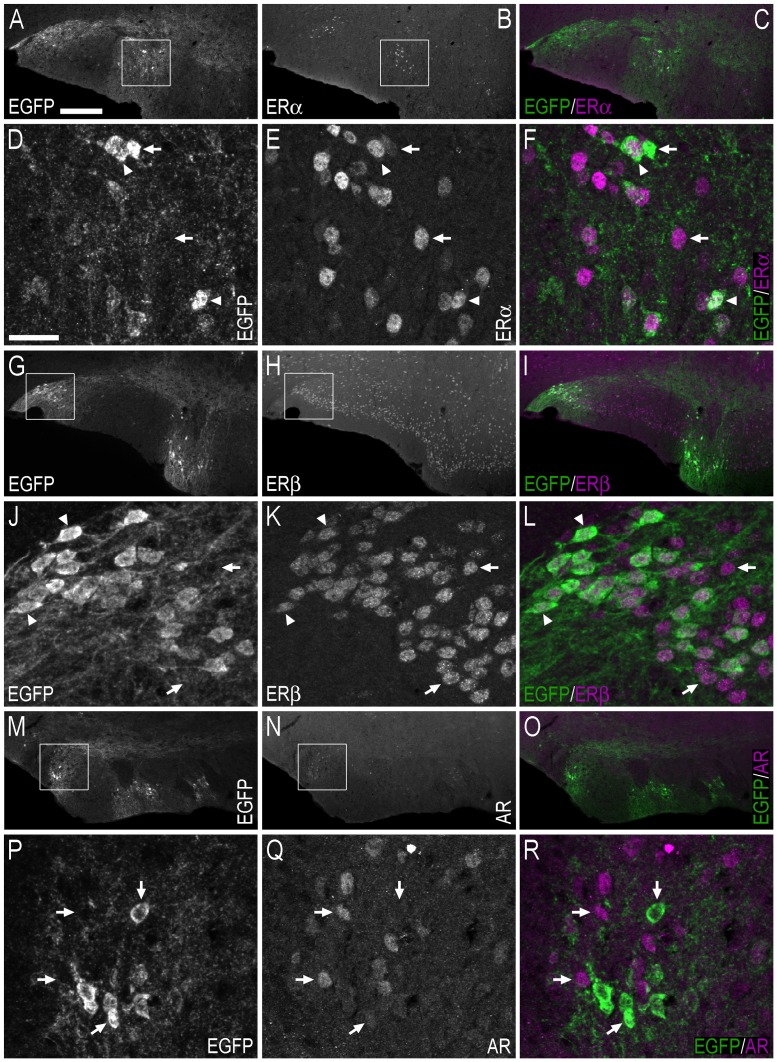
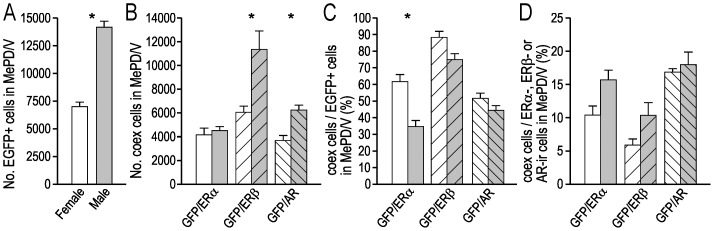
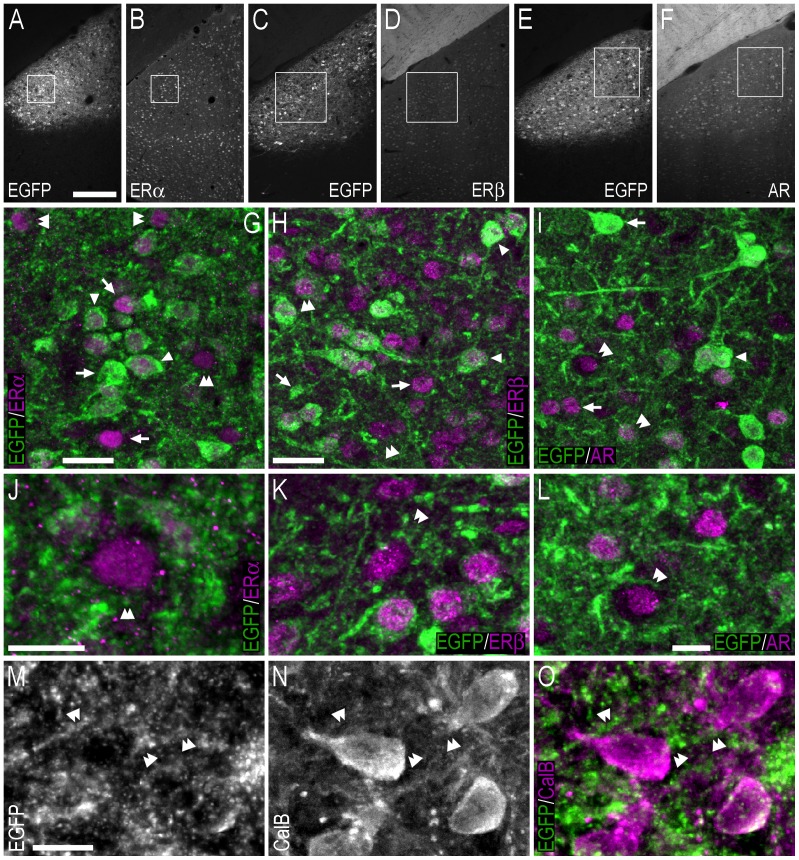
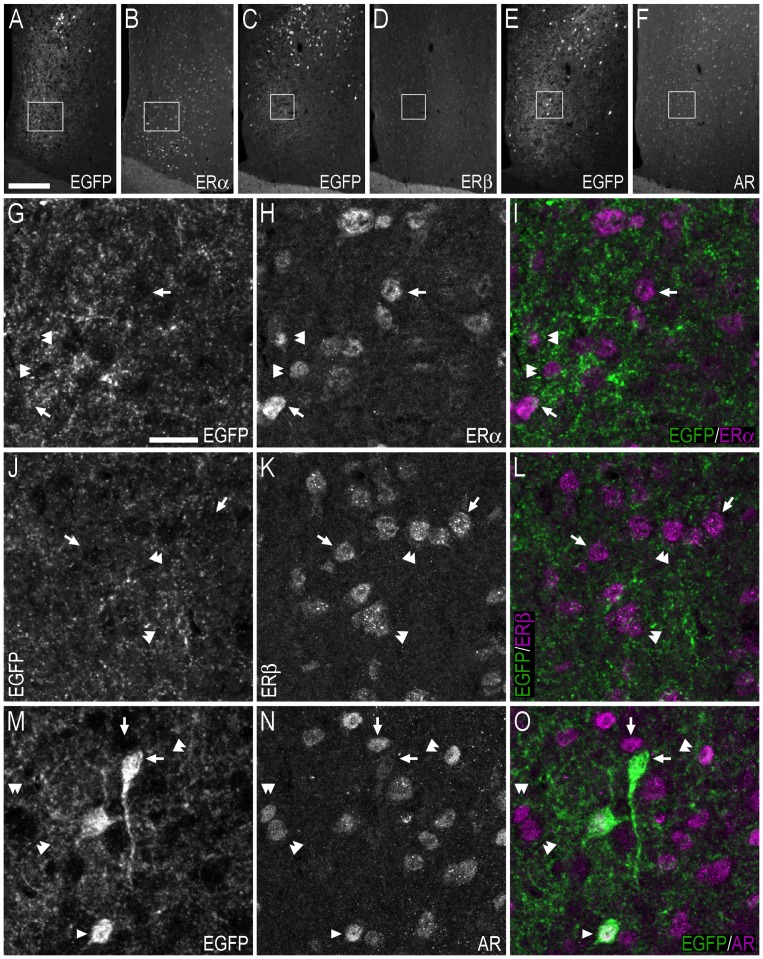
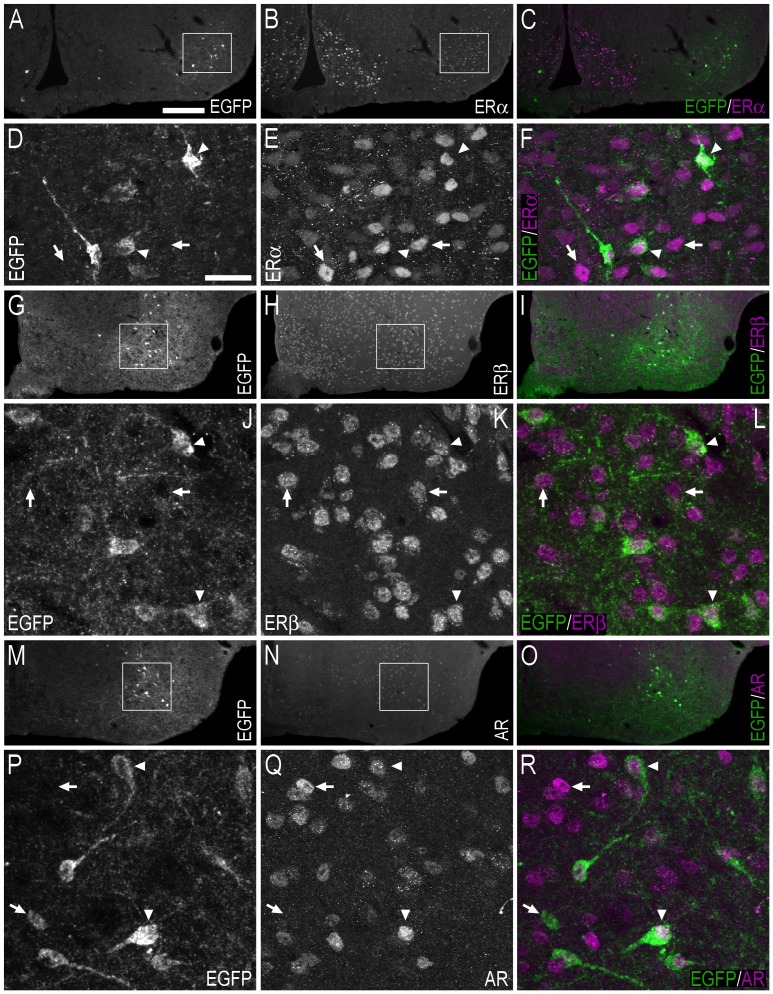
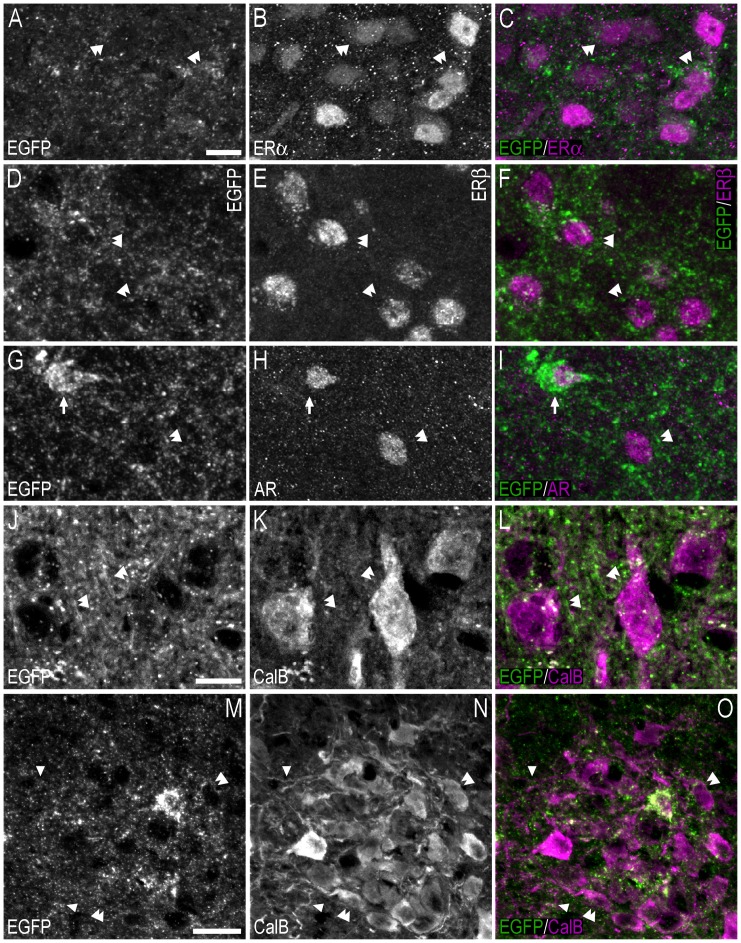
Aromatase catalyses the last step of oestrogen synthesis. There is growing evidence that local oestrogens influence many brain regions to modulate brain development and behaviour. We examined, by immunohistochemistry, the expression of aromatase in the adult male and female mouse brain, using mice in which enhanced green fluorescent protein (EGFP) is transcribed following the physiological activation of the Cyp19A1 gene. EGFP-immunoreactive processes were distributed in many brain regions, including the bed nucleus of the stria terminalis, olfactory tubercle, medial amygdaloid nucleus and medial preoptic area, with the densest distributions of EGFP-positive cell bodies in the bed nucleus and medial amygdala. Differences between male and female mice were apparent, with the density of EGFP-positive cell bodies and fibres being lower in some brain regions of female mice, including the bed nucleus and medial amygdala. EGFP-positive cell bodies in the bed nucleus, lateral septum, medial amygdala and hypothalamus co-expressed oestrogen receptor (ER) α and β, or the androgen receptor (AR), although single-labelled EGFP-positive cells were also identified. Additionally, single-labelled ERα-, ERβ- or AR-positive cell bodies often appeared to be surrounded by EGFP-immunoreactive nerve fibres/terminals. The widespread distribution of EGFP-positive cell bodies and fibres suggests that aromatase signalling is common in the mouse brain, and that locally synthesised brain oestrogens could mediate biological effects by activating pre- and post-synaptic oestrogen α and β receptors, and androgen receptors. The higher number of EGFP-positive cells in male mice may indicate that the autocrine and paracrine effects of oestrogens are more prominent in males than females.
芳香酶催化雌激素合成的最后一步。越来越多的证据表明,局部雌激素影响许多脑区来调节脑发育和行为。我们通过免疫组织化学检查了 Cyp19A1 基因生理激活后转录增强型绿色荧光蛋白 (EGFP) 的雄性和雌性小鼠大脑中的芳香酶表达。EGFP-免疫反应性过程分布在许多脑区,包括终纹床核、嗅结节、杏仁内侧核和视前内侧区,其中 EGFP 阳性细胞体在床核和杏仁内侧核中的分布最为密集。雄性和雌性小鼠之间存在明显差异,雌性小鼠一些脑区的 EGFP 阳性细胞体和纤维密度较低,包括床核和杏仁内侧核。床核、外侧隔核、杏仁内侧核和下丘脑的 EGFP 阳性细胞体共同表达雌激素受体 (ER)α 和 β,或雄激素受体 (AR),尽管也鉴定出了单标记 EGFP 阳性细胞。此外,单标记的 ERα、ERβ 或 AR 阳性细胞体周围通常似乎有 EGFP 免疫反应性神经纤维/末梢。EGFP 阳性细胞体和纤维的广泛分布表明,芳香酶信号在小鼠大脑中很常见,并且局部合成的脑雌激素可以通过激活突触前和突触后雌激素 α 和 β 受体以及雄激素受体来介导生物学效应。雄性小鼠中更多的 EGFP 阳性细胞可能表明雌激素的自分泌和旁分泌作用在雄性中比在雌性中更为明显。