Kuhajda F P, Katumuluwa A I, Pasternack G R
Department of Pathology, Johns Hopkins University School of Medicine, Baltimore, MD 21205.
Proc Natl Acad Sci U S A. 1989 Feb;86(4):1188-92. doi: 10.1073/pnas.86.4.1188.
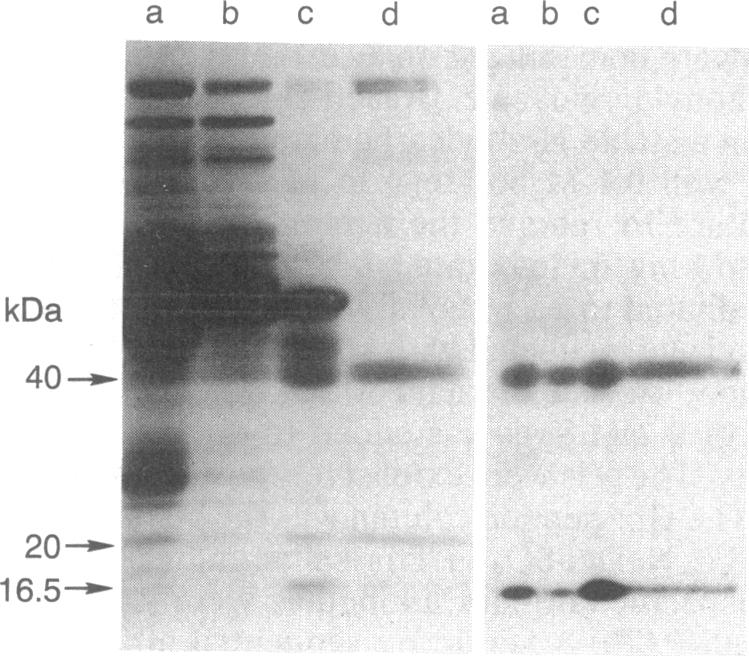
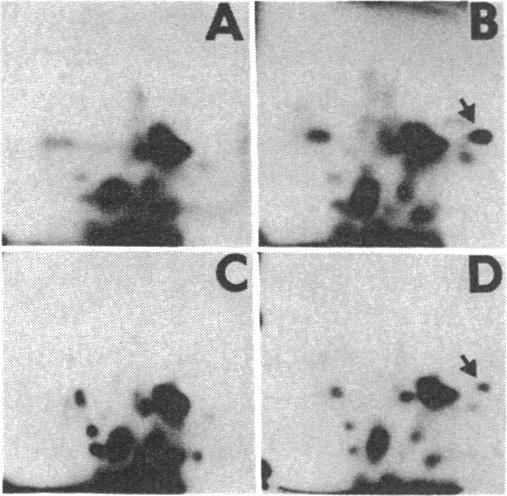
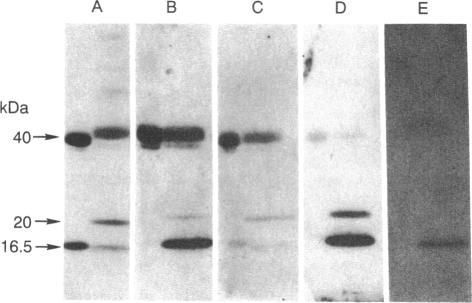
These studies describe the detection of a haptoglobin species, its characterization as the HPR gene product, and its association with both pregnancy and neoplasia. Previous work showed that the early recurrence of human breast cancer correlated with immunohistochemical staining with a commercial antiserum ostensibly directed against pregnancy-associated plasma protein A (PAPP-A). Use of this antiserum to guide purification of the putative antigen led to the present identification and purification of a strongly immunoreactive protein species distinct from PAPP-A that was present in the plasma of pregnant women at term. Unlike PAPP-A, a homotetramer of 200-kDa polypeptides, the immunoreactive protein consists of a light (alpha) chain (16.5 kDa) and a heavy (beta) chain (40 kDa); protein microsequencing of the beta chain showed it to be a member of the haptoglobin family. The alpha chain of this haptoglobin species differs from ordinary haptoglobin 1 and 2 alpha chains both structurally and immunologically and represents the product of the HPR gene, haptoglobin-related protein (Hpr), since (i) the apparent molecular mass is the same as that predicted for Hpr alpha chain, (ii) the peptide map differs from that of haptoglobin 1 in a manner predicted by the HPR nucleotide sequence, (iii) monospecific antibodies that react with epitopes shared by the unique alpha chain and a synthetic peptide derived from the HPR nucleotide sequence do not detect these epitopes in either haptoglobin 1 or 2, and (iv) sequences of alpha-chain peptides were consistent with this identification, excluding haptoglobin 1 but not haptoglobin 2. The immunohistochemical reactivity of antibodies raised to the synthetic Hpr peptide is similar to that of anti-PAPP-A. Moreover, staining of neoplastic breast tissue is abolished by preincubation with purified Hpr.
这些研究描述了一种触珠蛋白物种的检测、其作为HPR基因产物的特征以及它与妊娠和肿瘤形成的关联。先前的研究表明,人类乳腺癌的早期复发与使用一种表面上针对妊娠相关血浆蛋白A(PAPP-A)的商业抗血清进行的免疫组织化学染色相关。使用这种抗血清来指导假定抗原的纯化,导致了目前对一种与PAPP-A不同的强免疫反应性蛋白物种的鉴定和纯化,该物种存在于足月孕妇的血浆中。与由200-kDa多肽组成的同四聚体PAPP-A不同,这种免疫反应性蛋白由一条轻(α)链(16.5 kDa)和一条重(β)链(40 kDa)组成;β链的蛋白质微量测序表明它是触珠蛋白家族的一员。这种触珠蛋白物种的α链在结构和免疫方面与普通的触珠蛋白1和2的α链不同,并且代表HPR基因(触珠蛋白相关蛋白,Hpr)的产物,因为(i)表观分子量与预测的Hprα链相同,(ii)肽图谱以HPR核苷酸序列预测的方式不同于触珠蛋白1的肽图谱,(iii)与独特α链和源自HPR核苷酸序列的合成肽共有的表位发生反应的单特异性抗体在触珠蛋白1或2中均未检测到这些表位,并且(iv)α链肽的序列与该鉴定一致,排除了触珠蛋白1但不排除触珠蛋白2。针对合成Hpr肽产生的抗体的免疫组织化学反应性与抗PAPP-A的相似。此外,用纯化的Hpr预孵育可消除肿瘤性乳腺组织的染色。