Talluri Anil Kumar, Alluri Krishnam Raju, Gudipudi Deleep Kumar, Ahamed Shabbir, Sresty Madhusudhana M, Reddy Aparna Yarrama
Department of Radiation Oncology, Basavatarakam Indo American Cancer Hospital and Research Institute, Hyderabad, Andhra Pradesh, India.
Department of Physics, Jawaharlal Nehru Technological University, Kukatpally, Hyderabad, Andhra Pradesh, India.
J Med Phys. 2013 Oct;38(4):178-84. doi: 10.4103/0971-6203.121195.
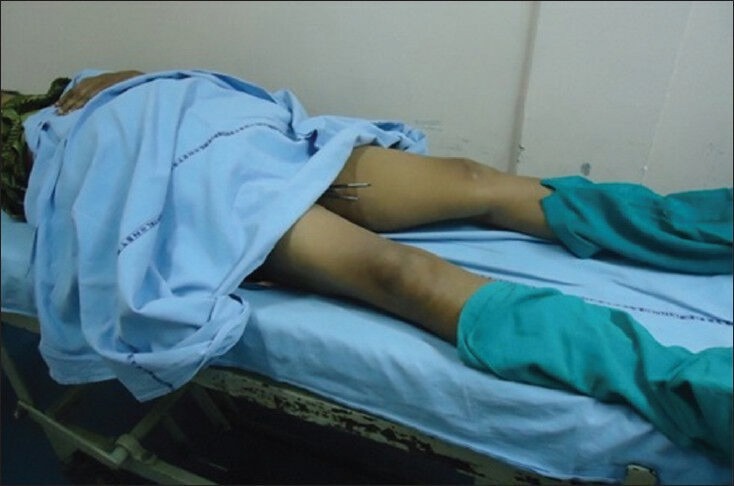
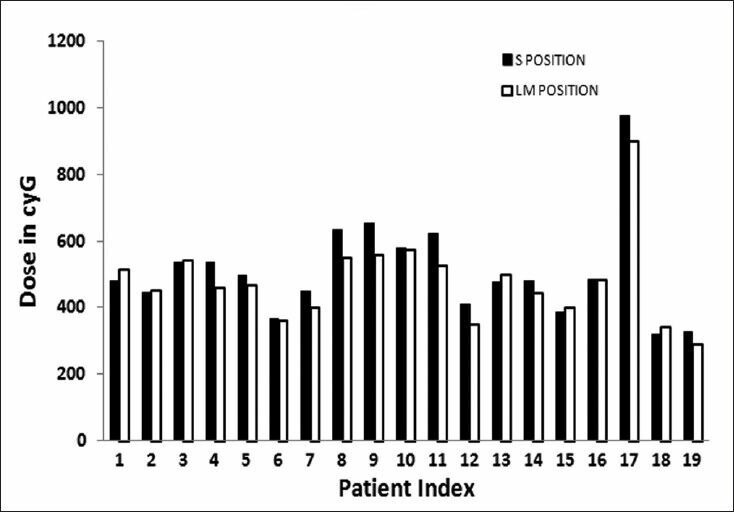
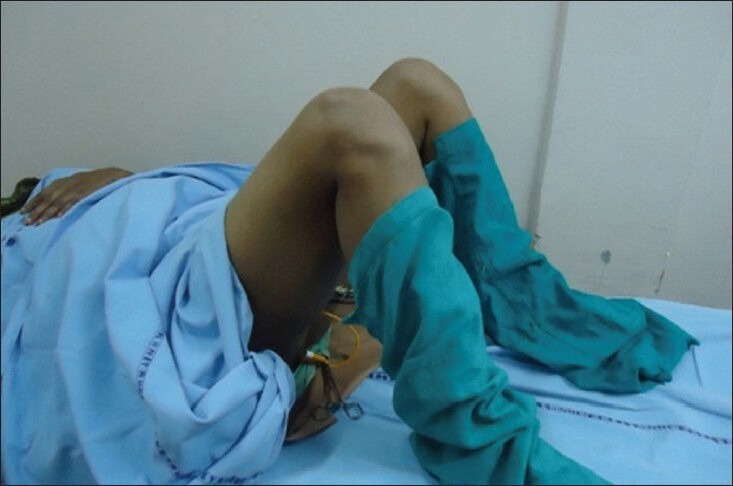
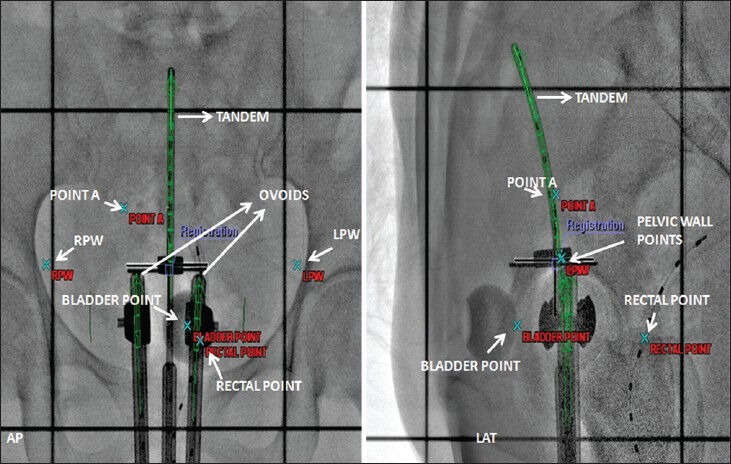
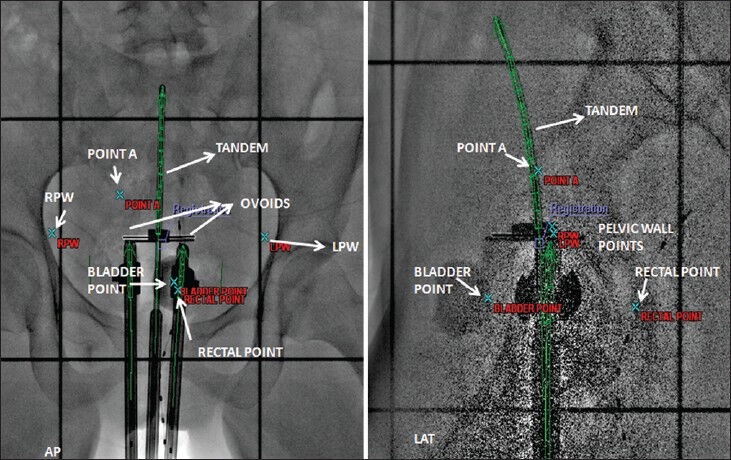
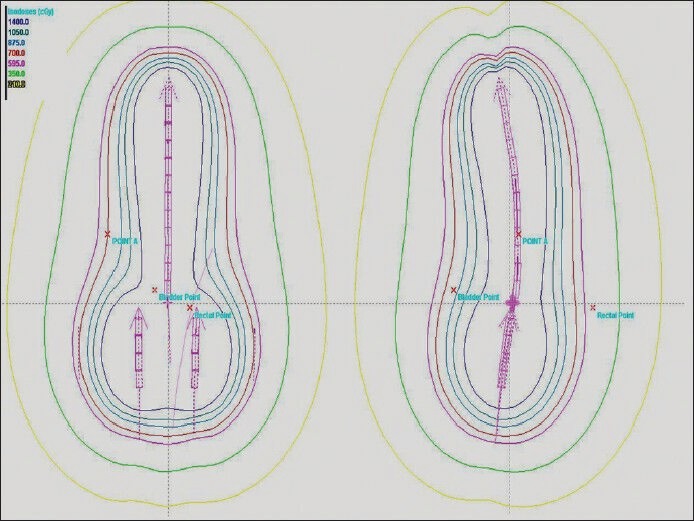
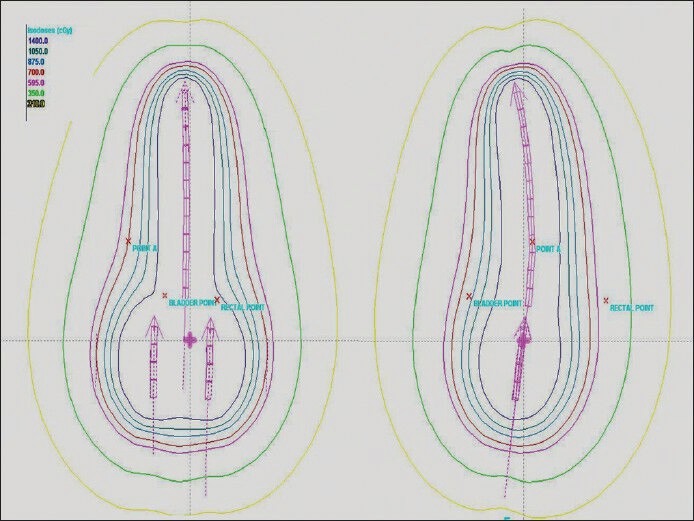
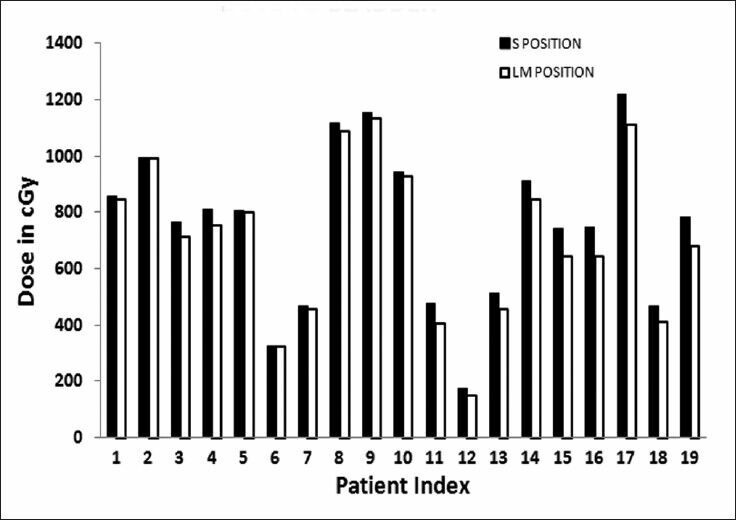
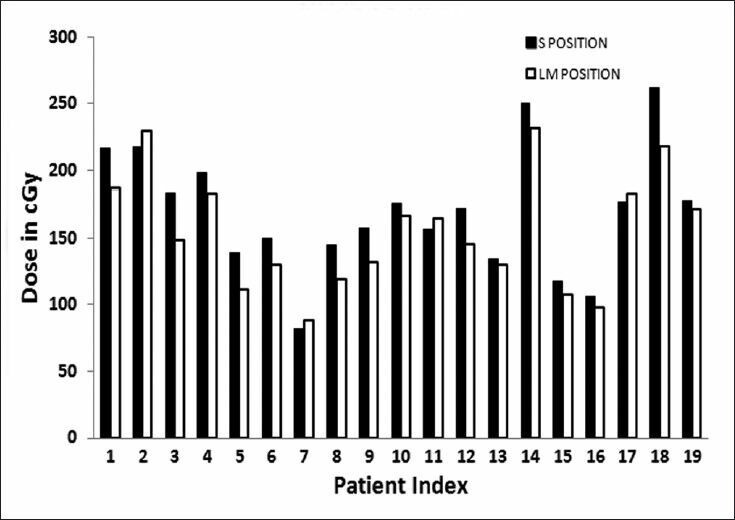
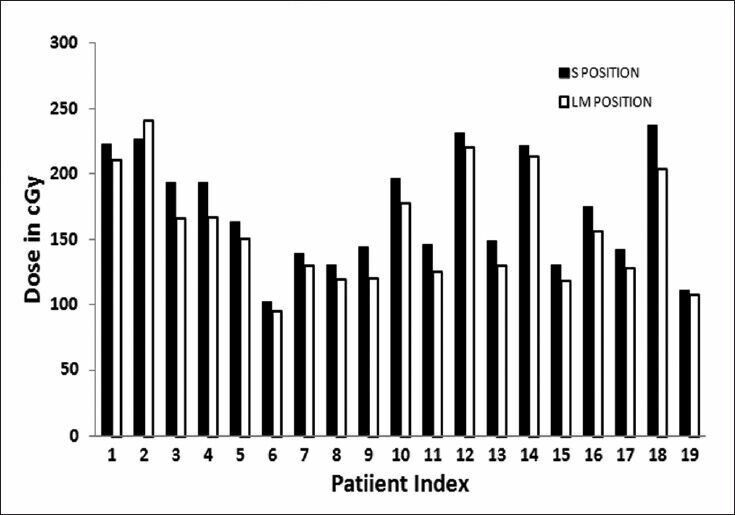
The objective of the study is to examine the variation in doses to, Bladder, pelvic wall and Rectal Points when a patient is simulated in Supine (S Position) and Lithotomy M shaped positions (LM Position), respectively as part of Intracavitary Brachytherapy in Cervical Cancer patients. Patients (n = 19) were simulated and orthogonal images were taken in S Position and LM Positions on a physical simulator. Digital orthogonal X-ray images were transferred to Brachyvision Treatment Planning System via Dicom to generate treatment plans. Radio opaque dye of 7 ml was injected into the Foley bulb for identification and digitization of International Commission on Radiological Units and Measurements (ICRU) Bladder point. Pelvic side wall points were marked in accordance with ICRU 38 recommendations. A Rectal tube containing dummy source marker wire was used to identify Rectal Point. Students't-test was used to analyze the results. Doses in LM Position were lower and statistically significant when compared to S Position for ICRU Bladder Point, pelvic walls and Rectal Point. It was observed that movement of applicator could be the reason for the variations in doses between the two positions. Bladder, pelvic wall and rectal points systematically registered lower doses in LM Position as compared to S Position.
本研究的目的是,作为宫颈癌患者腔内近距离放射治疗的一部分,分别检查患者在仰卧位(S位)和截石位M形(LM位)模拟时,膀胱、盆腔壁和直肠点的剂量变化。对19例患者进行了模拟,并在物理模拟器上于S位和LM位拍摄了正交图像。数字正交X射线图像通过Dicom传输到近距离放射治疗计划系统以生成治疗计划。向Foley球囊注入7 ml不透射线染料,以识别和数字化国际放射单位与测量委员会(ICRU)膀胱点。根据ICRU 38建议标记盆腔侧壁点。使用装有虚拟源标记线的直肠管来识别直肠点。采用学生t检验分析结果。与S位相比,ICRU膀胱点、盆腔壁和直肠点在LM位时的剂量更低且具有统计学意义。观察到施源器的移动可能是两个位置之间剂量变化的原因。与S位相比,膀胱、盆腔壁和直肠点在LM位时系统记录的剂量更低。