Lin C-J, Chen T-H, Yang L-Y, Shih C-M
1] Graduate Institute of Medical Sciences, College of Medicine, Taipei Medical University, Taipei 110, Taiwan [2] Department of Biochemistry, College of Medicine, Taipei Medical University, Taipei 110, Taiwan.
Division of Cardiovascular Surgery, Department of Surgery, Cathay General Hospital, Taipei 106, Taiwan.
Cell Death Dis. 2014 Mar 27;5(3):e1147. doi: 10.1038/cddis.2014.123.
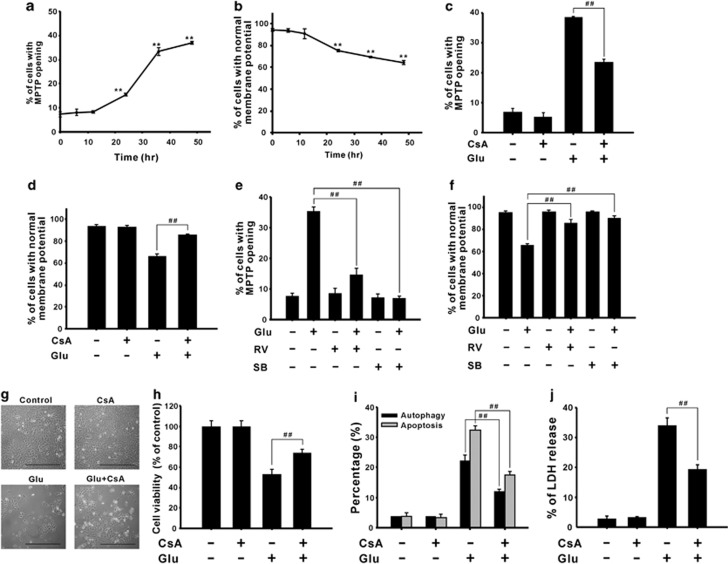
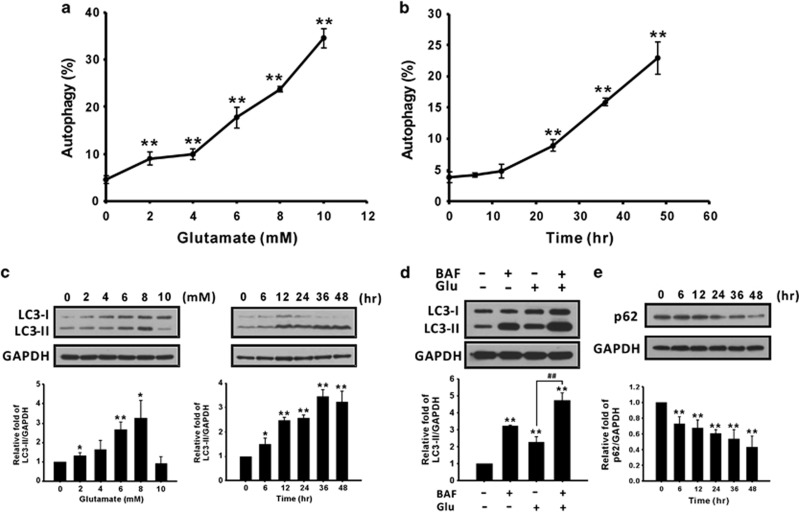
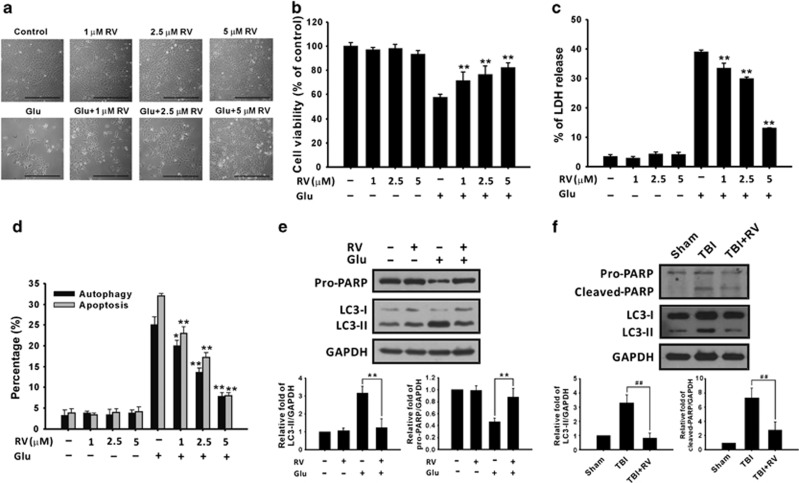
Traumatic brain injury (TBI) is often caused by accidents that damage the brain. TBI can induce glutamate excitotoxicity and lead to neuronal and glial cell death. In this study, we investigated the mechanism of cell death during the secondary damage caused by TBI in vivo and in vitro, as well as the protective effect of resveratrol (RV). Here we report that glycogen synthase kinase-3β (GSK-3β) activation and microtubule-associated protein light chain 3 processing were induced in rat brains exposed to TBI. In the in vitro TBI model, apoptotic and autophagic cell death were induced through glutamate-mediated GSK-3β activation in normal CTX TNA2 astrocytes. The GSK-3β inhibitor SB216763 or transfection of GSK-3β small-interfering RNA increases cell survival. By contrast, overexpression of GSK-3β enhanced glutamate excitotoxicity. Administration of RV reduced cell death in CTX TNA2 astrocytes by suppressing reactive oxygen species (ROS)-mediated GSK-3β activation, the mechanism by which RV also exerted protective effects in vivo. Mitochondrial damages, including the opening of mitochondrial permeability transition pore (MPTP) and mitochondrial depolarization, were induced by glutamate through the ROS/GSK-3β pathway. Moreover, cyclosporine A, an MPTP inhibitor, suppressed mitochondrial damage and the percentages of cells undergoing autophagy and apoptosis and thereby increased cell survival. Taken together, our results demonstrated that cell death occurring after TBI is induced through the ROS/GSK-3β/mitochondria signaling pathway and that administration of RV can increase cell survival by suppressing GSK-3β-mediated autophagy and apoptosis. Therefore, the results indicated that resveratrol may serve as a potential therapeutic agent in the treatment of TBI.
创伤性脑损伤(TBI)通常由损伤大脑的事故引起。TBI可诱发谷氨酸兴奋性毒性并导致神经元和神经胶质细胞死亡。在本研究中,我们调查了TBI在体内和体外造成继发性损伤期间的细胞死亡机制,以及白藜芦醇(RV)的保护作用。在此我们报告,暴露于TBI的大鼠大脑中诱导了糖原合酶激酶-3β(GSK-3β)激活和微管相关蛋白轻链3加工。在体外TBI模型中,正常CTX TNA2星形胶质细胞通过谷氨酸介导的GSK-3β激活诱导凋亡和自噬性细胞死亡。GSK-3β抑制剂SB216763或转染GSK-3β小干扰RNA可提高细胞存活率。相比之下,GSK-3β的过表达增强了谷氨酸兴奋性毒性。给予RV通过抑制活性氧(ROS)介导的GSK-3β激活减少了CTX TNA2星形胶质细胞中的细胞死亡,这也是RV在体内发挥保护作用的机制。谷氨酸通过ROS/GSK-3β途径诱导线粒体损伤,包括线粒体通透性转换孔(MPTP)开放和线粒体去极化。此外,MPTP抑制剂环孢素A抑制线粒体损伤以及自噬和凋亡细胞的百分比,从而提高细胞存活率。综上所述,我们的结果表明,TBI后发生的细胞死亡是通过ROS/GSK-3β/线粒体信号通路诱导的,并且给予RV可通过抑制GSK-3β介导的自噬和凋亡来提高细胞存活率。因此,结果表明白藜芦醇可能作为治疗TBI的潜在治疗药物。