Departments of †Pharmacology, ‡Pathology, and §Medicine, Vanderbilt University , Nashville, Tennessee 37232, United States.
Biochemistry. 2014 Apr 22;53(15):2436-41. doi: 10.1021/bi401673b. Epub 2014 Apr 11.
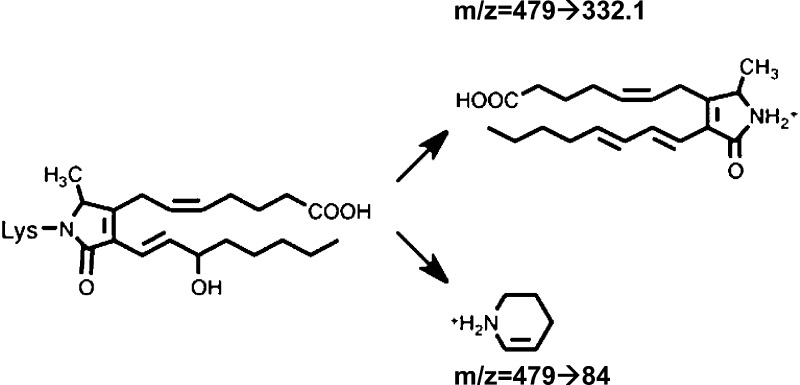
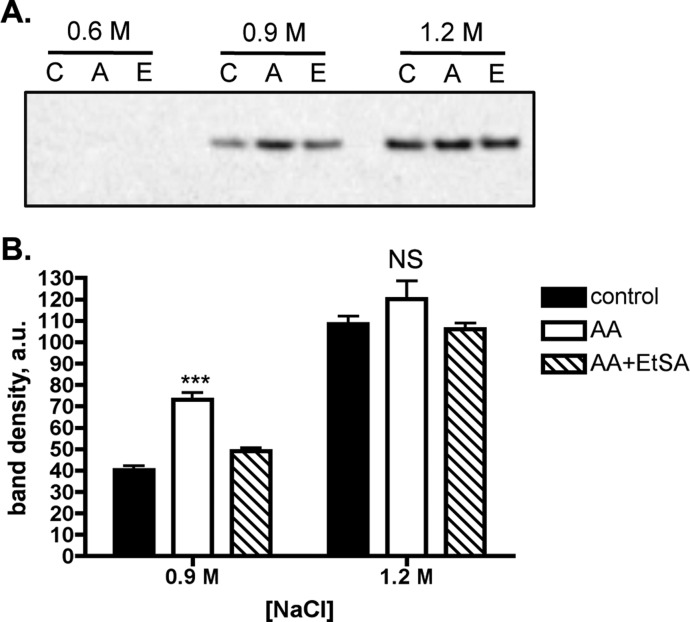
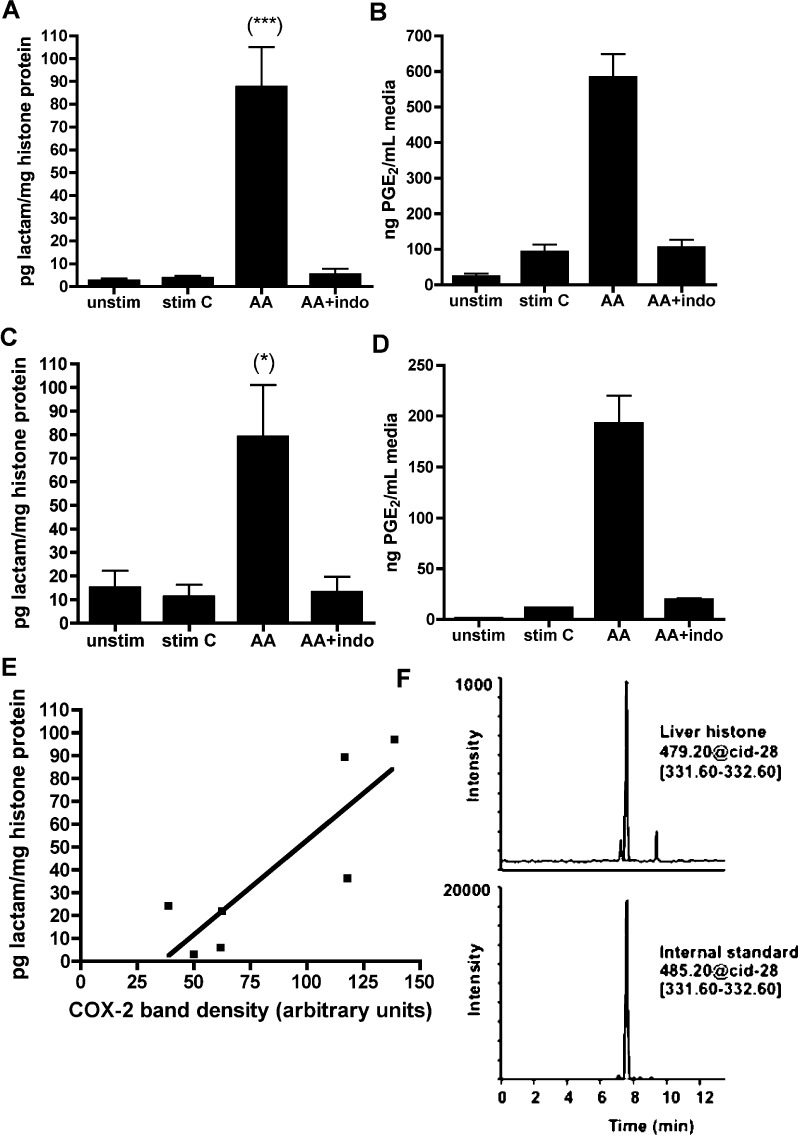
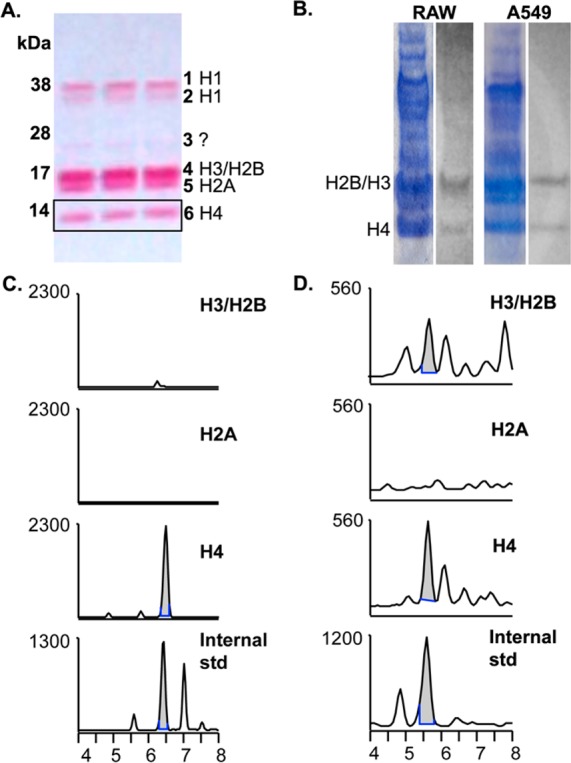
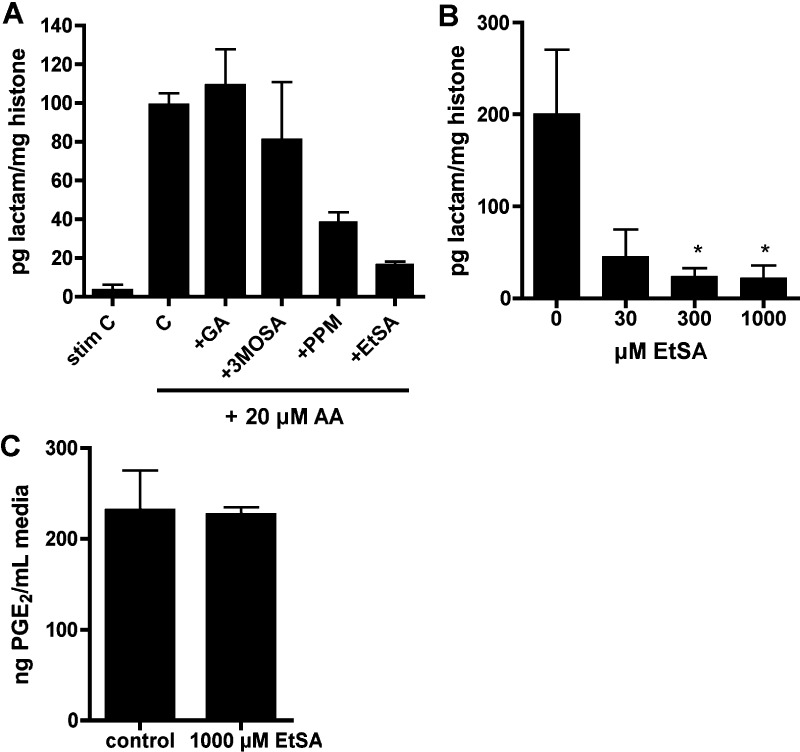
Inflammation and subsequent cyclooxygenase-2 (COX-2) activity has long been linked with the development of cancer, although little is known about any epigenetic effects of COX-2. A product of COX-2 activation, levuglandin (LG) quickly forms covalent bonds with nearby primary amines, such as those in lysine, which leads to LG-protein adducts. Here, we demonstrate that COX-2 activity causes LG-histone adducts in cultured cells and liver tissue, detectable through LC-MS, with the highest incidence in histone H4. Adduction is blocked by a γ-ketoaldehyde scavenger, which has no effect on COX-2 activity as measured by PGE2 production. Formation of the LG-histone adduct is associated with an increased histone solubility in NaCl, indicating destabilization of the nucleosome structure; this is also reversed with scavenger treatment. These data demonstrate that COX-2 activity can cause histone adduction and loosening of the nucleosome complex, which could lead to altered transcription and contribute to carcinogenesis.
炎症和随后的环氧化酶-2(COX-2)活性一直与癌症的发展有关,尽管人们对 COX-2 的任何表观遗传效应知之甚少。COX-2 激活的产物,莱格格兰丁(LG)会迅速与附近的伯胺(如赖氨酸中的伯胺)形成共价键,导致 LG-蛋白加合物。在这里,我们证明 COX-2 活性会导致培养细胞和肝组织中的 LG-组蛋白加合物,可通过 LC-MS 检测到,其中组蛋白 H4 的发生率最高。加合物被γ-酮醛清除剂阻断,该清除剂对 PGE2 产生所测量的 COX-2 活性没有影响。LG-组蛋白加合物的形成与 NaCl 中组蛋白溶解度的增加有关,表明核小体结构不稳定;用清除剂处理也可以逆转。这些数据表明,COX-2 活性可导致组蛋白加合物形成和核小体复合物松动,这可能导致转录改变并促进癌症发生。