Hotta Kinya, Ranganathan Soumya, Liu Ruchuan, Wu Fei, Machiyama Hiroaki, Gao Rong, Hirata Hiroaki, Soni Neelesh, Ohe Takashi, Hogue Christopher W V, Madhusudhan M S, Sawada Yasuhiro
Department of Biological Sciences, National University of Singapore, Singapore; School of Biosciences, The University of Nottingham Malaysia Campus, Selangor, Malaysia.
Department of Biological Sciences, National University of Singapore, Singapore; Mechanobiology Institute, National University of Singapore, Singapore.
PLoS Comput Biol. 2014 Apr 10;10(4):e1003532. doi: 10.1371/journal.pcbi.1003532. eCollection 2014 Apr.
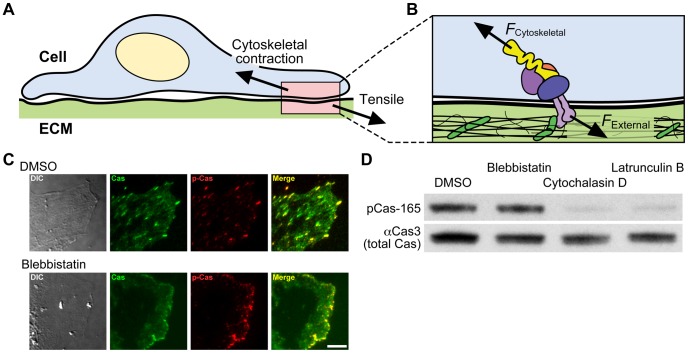
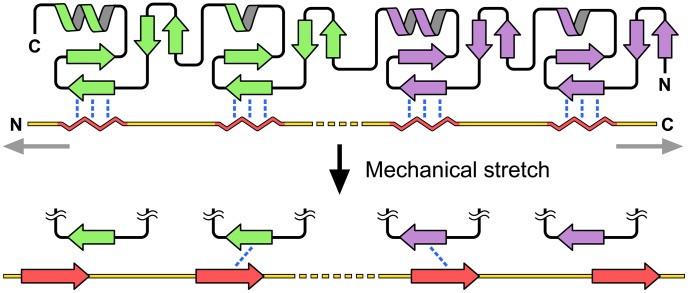
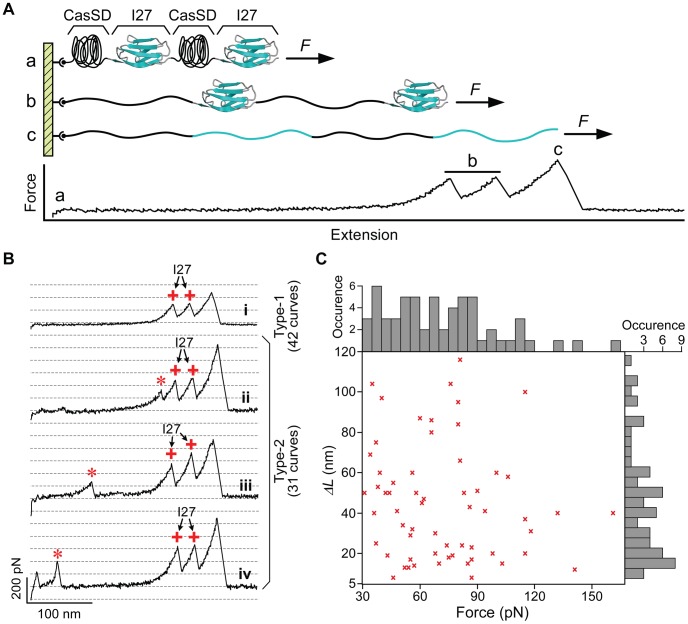
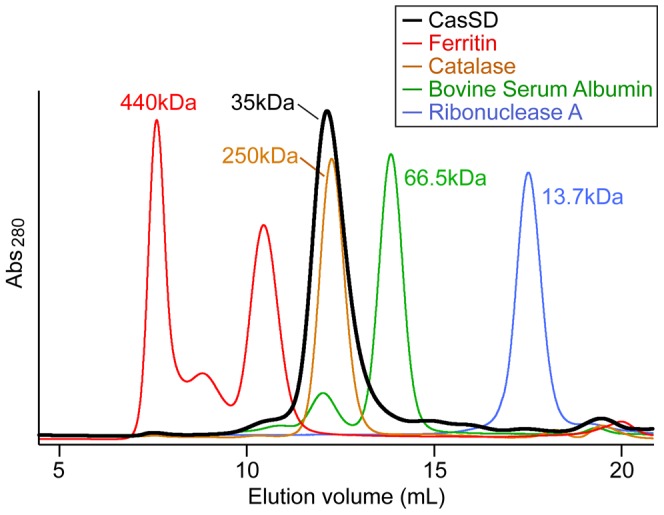
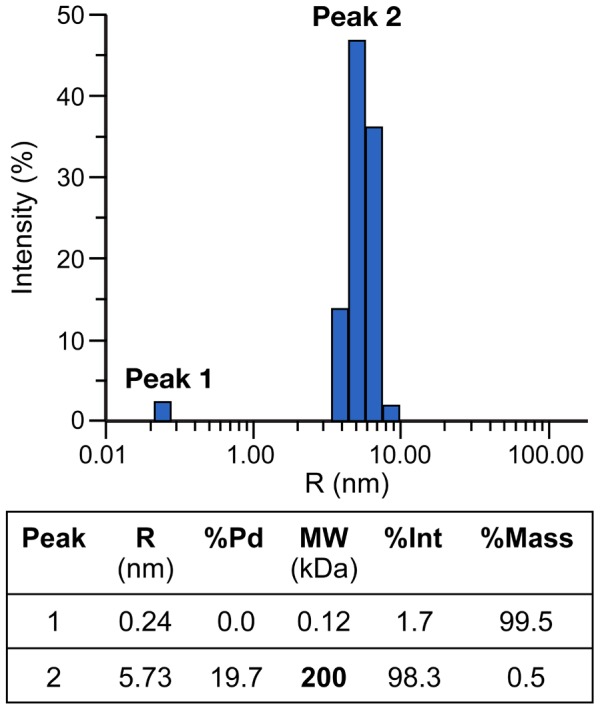
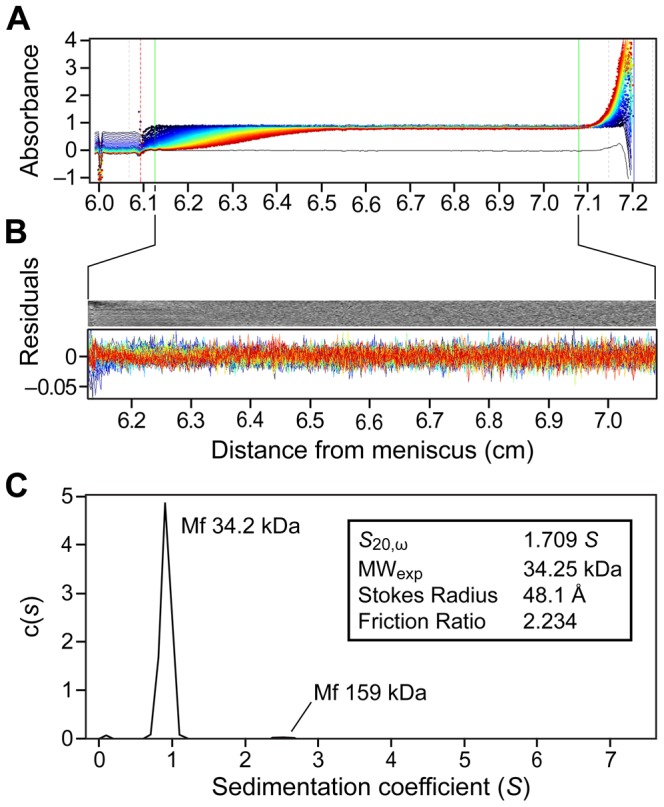
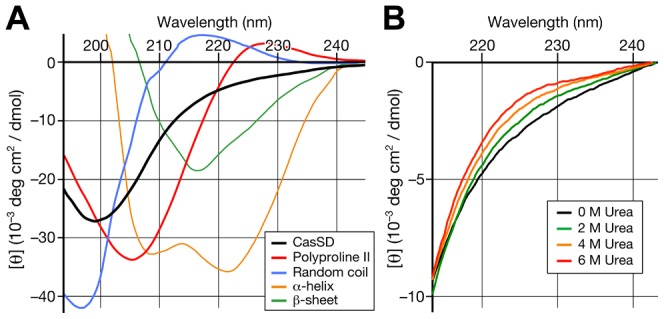
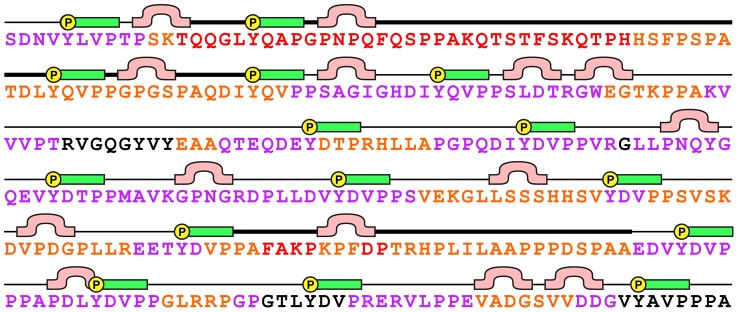
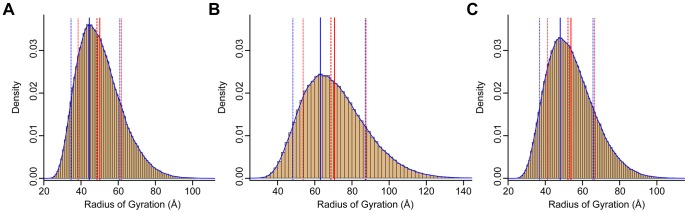
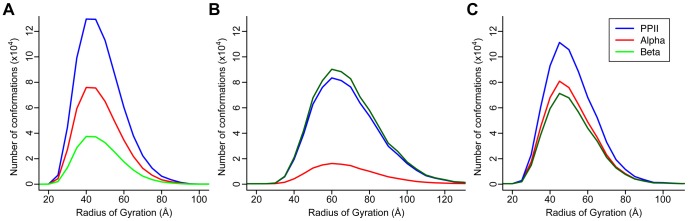
Mechanical stretch-induced tyrosine phosphorylation in the proline-rich 306-residue substrate domain (CasSD) of p130Cas (or BCAR1) has eluded an experimentally validated structural understanding. Cellular p130Cas tyrosine phosphorylation is shown to function in areas without internal actomyosin contractility, sensing force at the leading edge of cell migration. Circular dichroism shows CasSD is intrinsically disordered with dominant polyproline type II conformations. Strongly conserved in placental mammals, the proline-rich sequence exhibits a pseudo-repeat unit with variation hotspots 2-9 residues before substrate tyrosine residues. Atomic-force microscopy pulling experiments show CasSD requires minimal extension force and exhibits infrequent, random regions of weak stability. Proteolysis, light scattering and ultracentrifugation results show that a monomeric intrinsically disordered form persists for CasSD in solution with an expanded hydrodynamic radius. All-atom 3D conformer sampling with the TraDES package yields ensembles in agreement with experiment when coil-biased sampling is used, matching the experimental radius of gyration. Increasing β-sampling propensities increases the number of prolate conformers. Combining the results, we conclude that CasSD has no stable compact structure and is unlikely to efficiently autoinhibit phosphorylation. Taking into consideration the structural propensity of CasSD and the fact that it is known to bind to LIM domains, we propose a model of how CasSD and LIM domain family of transcription factor proteins may function together to regulate phosphorylation of CasSD and effect machanosensing.
在p130Cas(或BCAR1)富含脯氨酸的306个残基的底物结构域(CasSD)中,机械拉伸诱导的酪氨酸磷酸化一直缺乏经过实验验证的结构理解。细胞中的p130Cas酪氨酸磷酸化在没有内部肌动球蛋白收缩性的区域发挥作用,在细胞迁移的前沿感知力。圆二色性表明CasSD本质上是无序的,具有占主导地位的II型多聚脯氨酸构象。富含脯氨酸的序列在胎盘哺乳动物中高度保守,在底物酪氨酸残基前2 - 9个残基处表现出一个假重复单元和变异热点。原子力显微镜拉伸实验表明,CasSD需要最小的伸展力,并且表现出不常见的、随机的弱稳定性区域。蛋白水解、光散射和超速离心结果表明,CasSD在溶液中以单体形式存在,具有扩展的流体动力学半径,本质上是无序的。当使用偏向卷曲的采样时,使用TraDES软件包进行的全原子三维构象采样得到的集合与实验结果一致,与实验测得的回转半径相匹配。增加β采样倾向会增加长形构象的数量。综合这些结果,我们得出结论,CasSD没有稳定的紧密结构,不太可能有效地自动抑制磷酸化。考虑到CasSD的结构倾向以及它已知与LIM结构域结合这一事实,我们提出了一个模型,说明CasSD和转录因子蛋白的LIM结构域家族如何共同发挥作用来调节CasSD的磷酸化并实现机械传感。