Department of BioNano Technology Gachon University, Gyeonggi-do, South Korea.
Department of Neurology, Chung-Ang University College of Medicine, Seoul, South Korea.
Clin Interv Aging. 2014 Apr 1;9:535-51. doi: 10.2147/CIA.S51571. eCollection 2014.
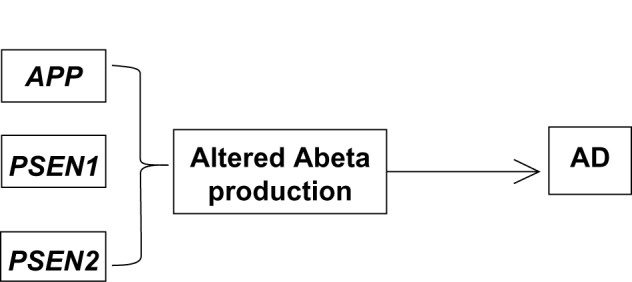
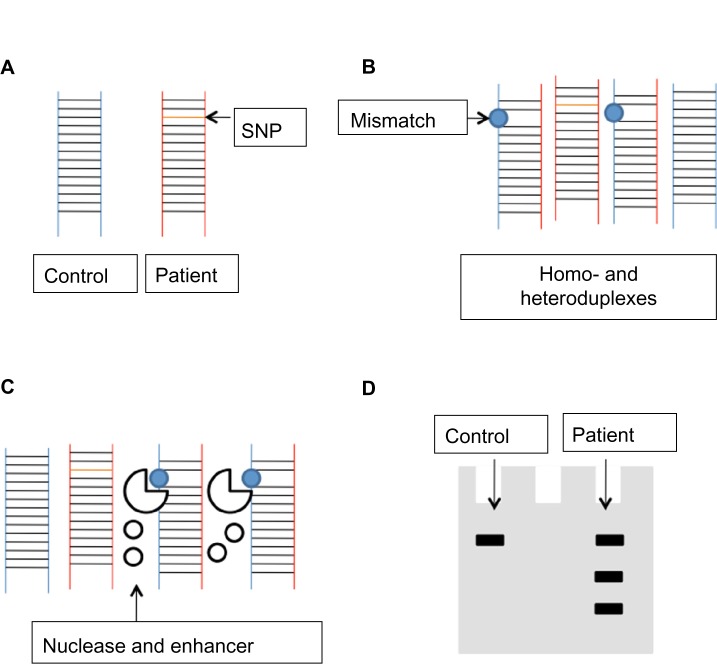
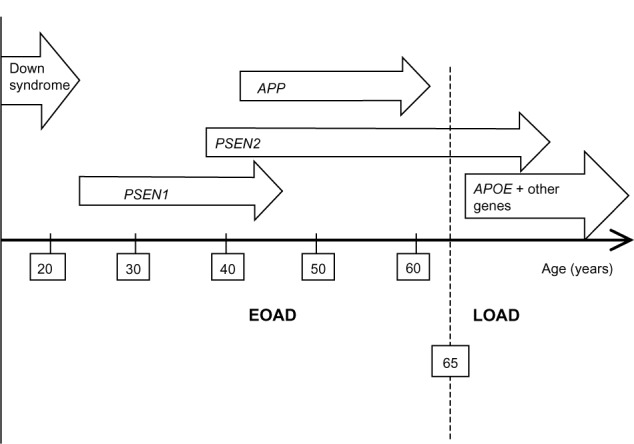
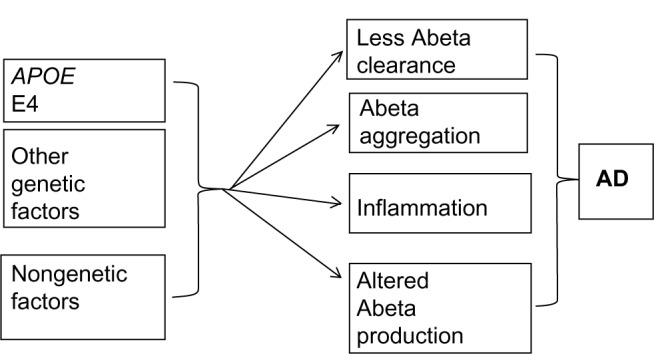
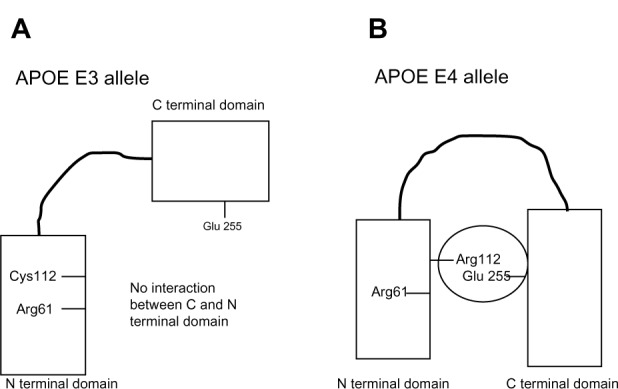
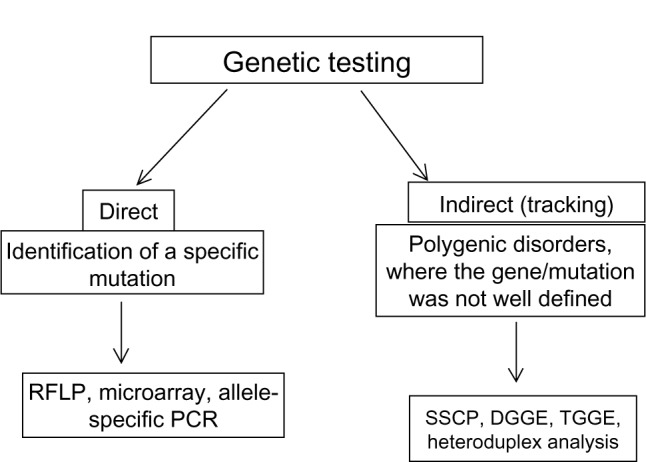
Alzheimer's disease (AD) is a complex and heterogeneous neurodegenerative disorder, classified as either early onset (under 65 years of age), or late onset (over 65 years of age). Three main genes are involved in early onset AD: amyloid precursor protein (APP), presenilin 1 (PSEN1), and presenilin 2 (PSEN2). The apolipoprotein E (APOE) E4 allele has been found to be a main risk factor for late-onset Alzheimer's disease. Additionally, genome-wide association studies (GWASs) have identified several genes that might be potential risk factors for AD, including clusterin (CLU), complement receptor 1 (CR1), phosphatidylinositol binding clathrin assembly protein (PICALM), and sortilin-related receptor (SORL1). Recent studies have discovered additional novel genes that might be involved in late-onset AD, such as triggering receptor expressed on myeloid cells 2 (TREM2) and cluster of differentiation 33 (CD33). Identification of new AD-related genes is important for better understanding of the pathomechanisms leading to neurodegeneration. Since the differential diagnoses of neurodegenerative disorders are difficult, especially in the early stages, genetic testing is essential for diagnostic processes. Next-generation sequencing studies have been successfully used for detecting mutations, monitoring the epigenetic changes, and analyzing transcriptomes. These studies may be a promising approach toward understanding the complete genetic mechanisms of diverse genetic disorders such as AD.
阿尔茨海默病(AD)是一种复杂且异质性的神经退行性疾病,可分为早发性(65 岁以下)或晚发性(65 岁以上)。三种主要基因与早发性 AD 有关:淀粉样前体蛋白(APP)、早老素 1(PSEN1)和早老素 2(PSEN2)。载脂蛋白 E(APOE)E4 等位基因已被发现是晚发性阿尔茨海默病的主要危险因素。此外,全基因组关联研究(GWAS)已经确定了几个可能是 AD 潜在风险因素的基因,包括载脂蛋白(CLU)、补体受体 1(CR1)、磷脂结合网格蛋白组装蛋白(PICALM)和分选相关受体(SORL1)。最近的研究发现了其他可能与晚发性 AD 有关的新基因,如髓样细胞表达的触发受体 2(TREM2)和分化群 33(CD33)。识别新的 AD 相关基因对于更好地了解导致神经退行性变的病理机制非常重要。由于神经退行性疾病的鉴别诊断很困难,尤其是在早期阶段,因此基因测试对于诊断过程至关重要。下一代测序研究已成功用于检测突变、监测表观遗传变化和分析转录组。这些研究可能是理解 AD 等多种遗传疾病完整遗传机制的有前途的方法。