Fort Patrice E, Losiewicz Mandy K, Pennathur Subramaniam, Jefferson Leonard S, Kimball Scot R, Abcouwer Steven F, Gardner Thomas W
Kellogg Eye Center, Departments of Ophthalmology and Visual Sciences, University of Michigan, Ann Arbor, MI
Kellogg Eye Center, Departments of Ophthalmology and Visual Sciences, University of Michigan, Ann Arbor, MI.
Diabetes. 2014 Sep;63(9):3077-90. doi: 10.2337/db14-0235. Epub 2014 Apr 16.
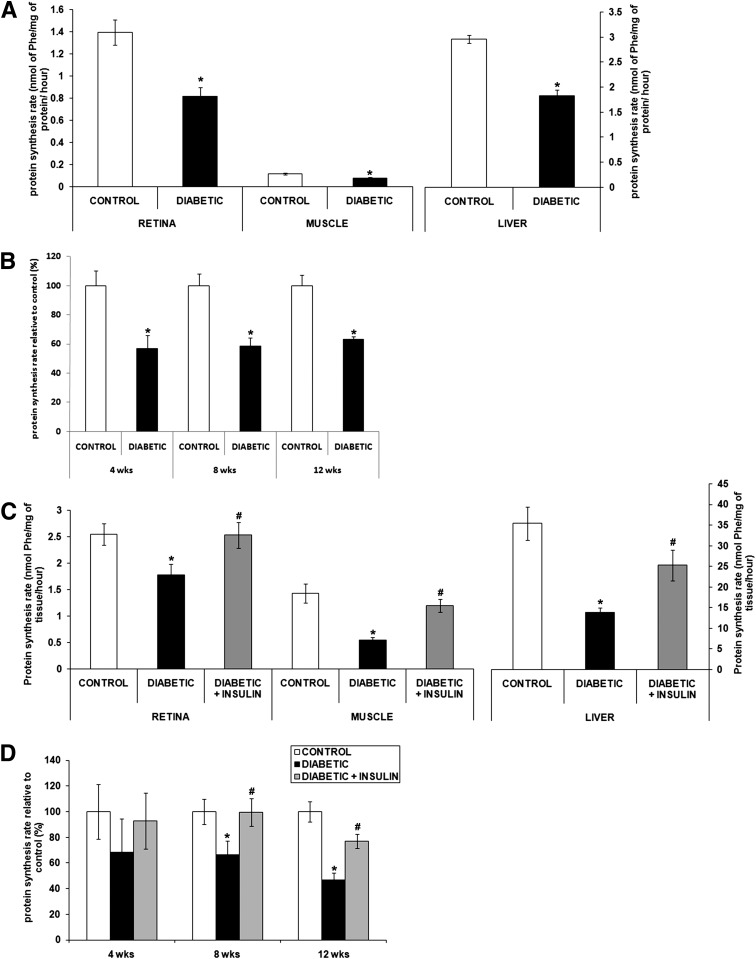
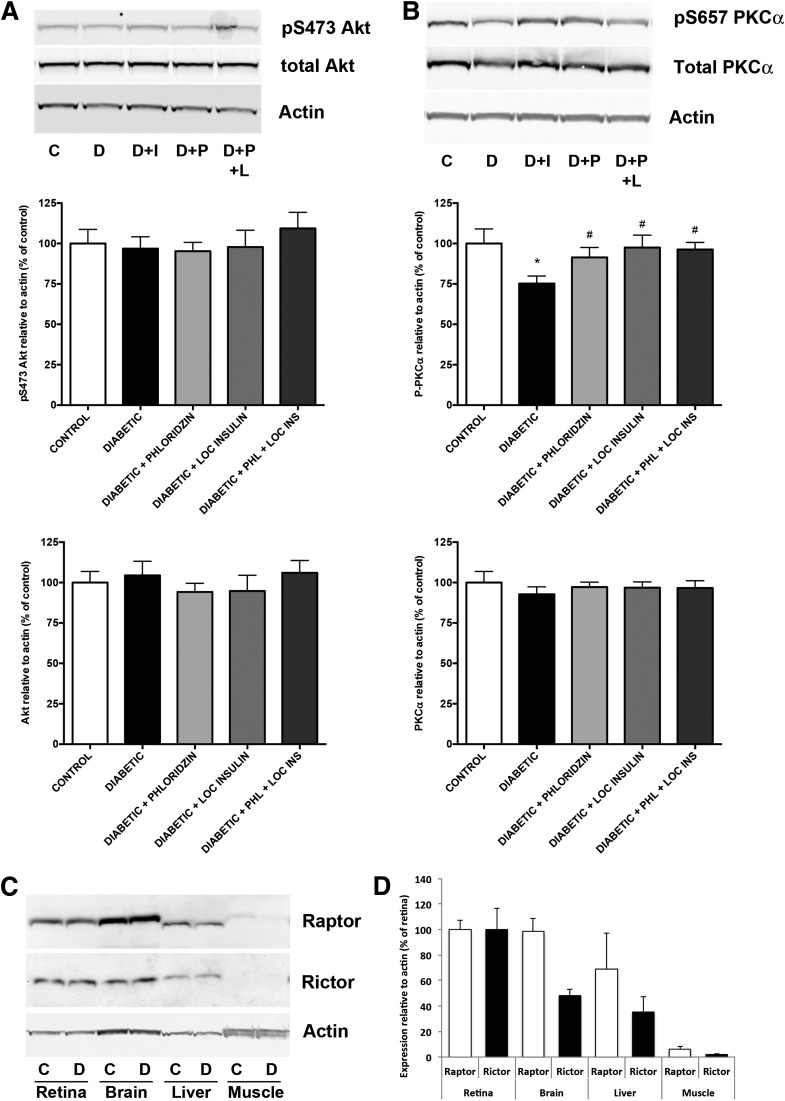
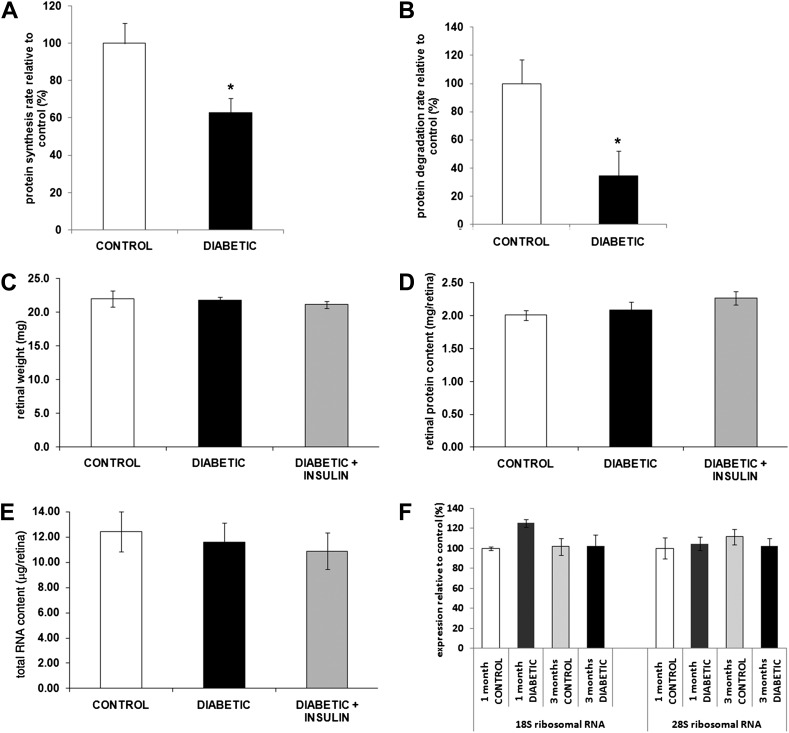
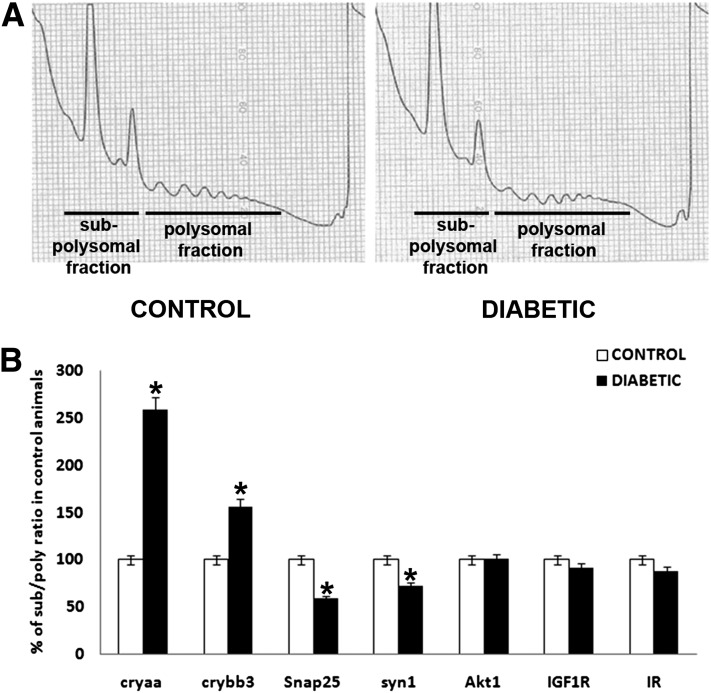
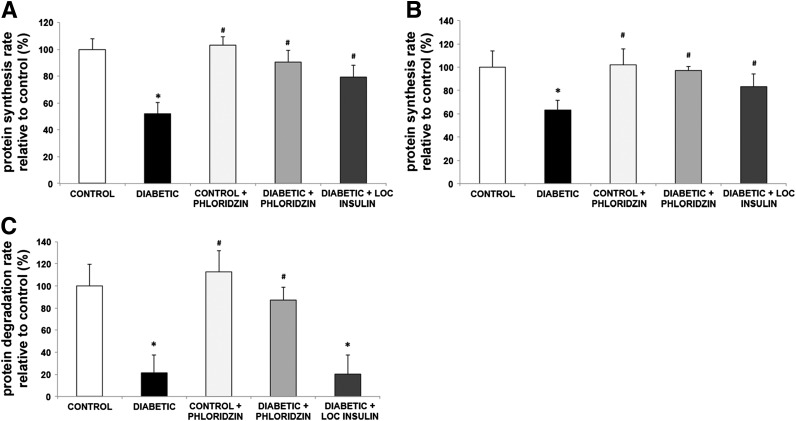
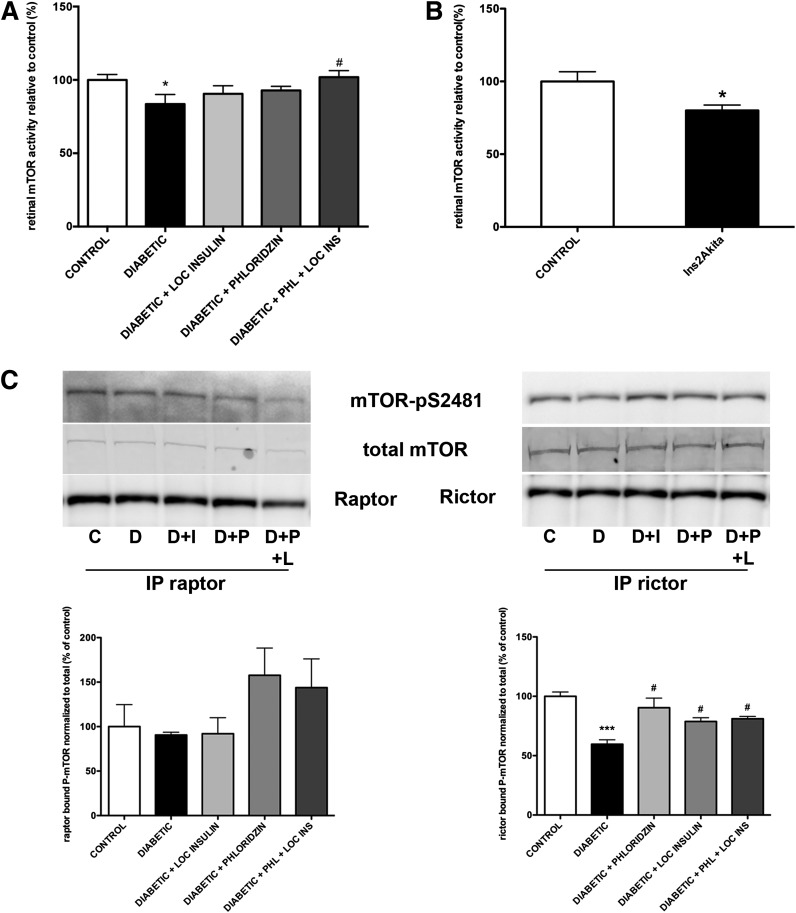
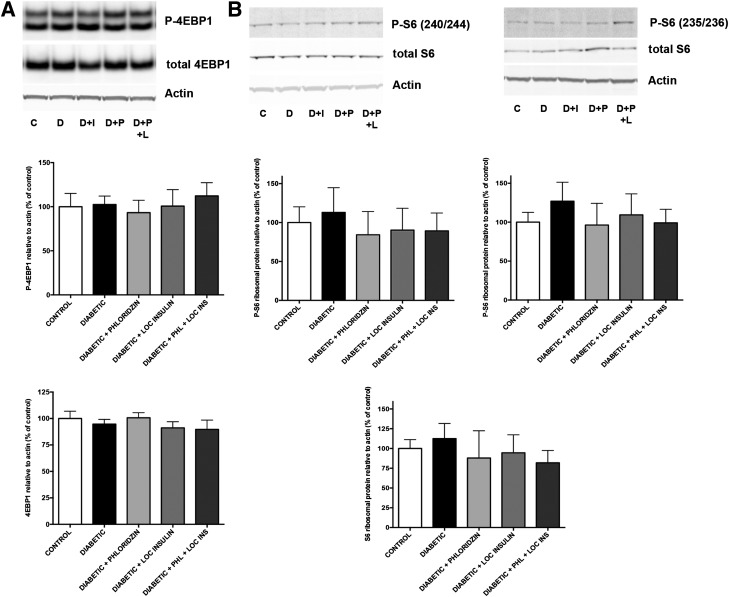
Poorly controlled diabetes has long been known as a catabolic disorder with profound loss of muscle and fat body mass resulting from a simultaneous reduction in protein synthesis and enhanced protein degradation. By contrast, retinal structure is largely maintained during diabetes despite reduced Akt activity and increased rate of cell death. Therefore, we hypothesized that retinal protein turnover is regulated differently than in other insulin-sensitive tissues, such as skeletal muscle. Ins2(Akita) diabetic mice and streptozotocin-induced diabetic rats exhibited marked reductions in retinal protein synthesis matched by a concomitant reduction in retinal protein degradation associated with preserved retinal mass and protein content. The reduction in protein synthesis depended on both hyperglycemia and insulin deficiency, but protein degradation was only reversed by normalization of hyperglycemia. The reduction in protein synthesis was associated with diminished protein translation efficiency but, surprisingly, not with reduced activity of the mTORC1/S6K1/4E-BP1 pathway. Instead, diabetes induced a specific reduction of mTORC2 complex activity. These findings reveal distinctive responses of diabetes-induced retinal protein turnover compared with muscle and liver that may provide a new means to ameliorate diabetic retinopathy.
长期以来,人们都知道糖尿病控制不佳是一种分解代谢紊乱疾病,由于蛋白质合成同时减少和蛋白质降解增强,导致肌肉和脂肪大量流失。相比之下,尽管糖尿病患者Akt活性降低且细胞死亡率增加,但视网膜结构在很大程度上得以维持。因此,我们推测视网膜蛋白质周转的调节方式与其他胰岛素敏感组织(如骨骼肌)不同。Ins2(Akita)糖尿病小鼠和链脲佐菌素诱导的糖尿病大鼠视网膜蛋白质合成显著减少,同时视网膜蛋白质降解也相应减少,视网膜质量和蛋白质含量得以保留。蛋白质合成的减少既依赖于高血糖,也依赖于胰岛素缺乏,但蛋白质降解仅通过高血糖正常化得以逆转。蛋白质合成的减少与蛋白质翻译效率降低有关,但令人惊讶的是,与mTORC1/S6K1/4E-BP1途径活性降低无关。相反,糖尿病导致mTORC2复合物活性特异性降低。这些发现揭示了糖尿病诱导的视网膜蛋白质周转与肌肉和肝脏相比有独特的反应,这可能为改善糖尿病视网膜病变提供新的方法。