Popov Sergej, Takemori Hiroshi, Tokudome Takeshi, Mao Yuanjie, Otani Kentaro, Mochizuki Naoki, Pires Nuno, Pinho Maria João, Franco-Cereceda Anders, Torielli Lucia, Ferrandi Mara, Hamsten Anders, Soares-da-Silva Patricio, Eriksson Per, Bertorello Alejandro M, Brion Laura
Membrane Signaling Networks, Department of Medicine, Karolinska Institutet, CMM, Karolinska University Hospital-Solna, Stockholm, Sweden.
Laboratory of Cell Signaling and Metabolism, National Institute for Biomedical Innovation, Osaka, Japan.
PLoS One. 2014 Apr 21;9(4):e95771. doi: 10.1371/journal.pone.0095771. eCollection 2014.
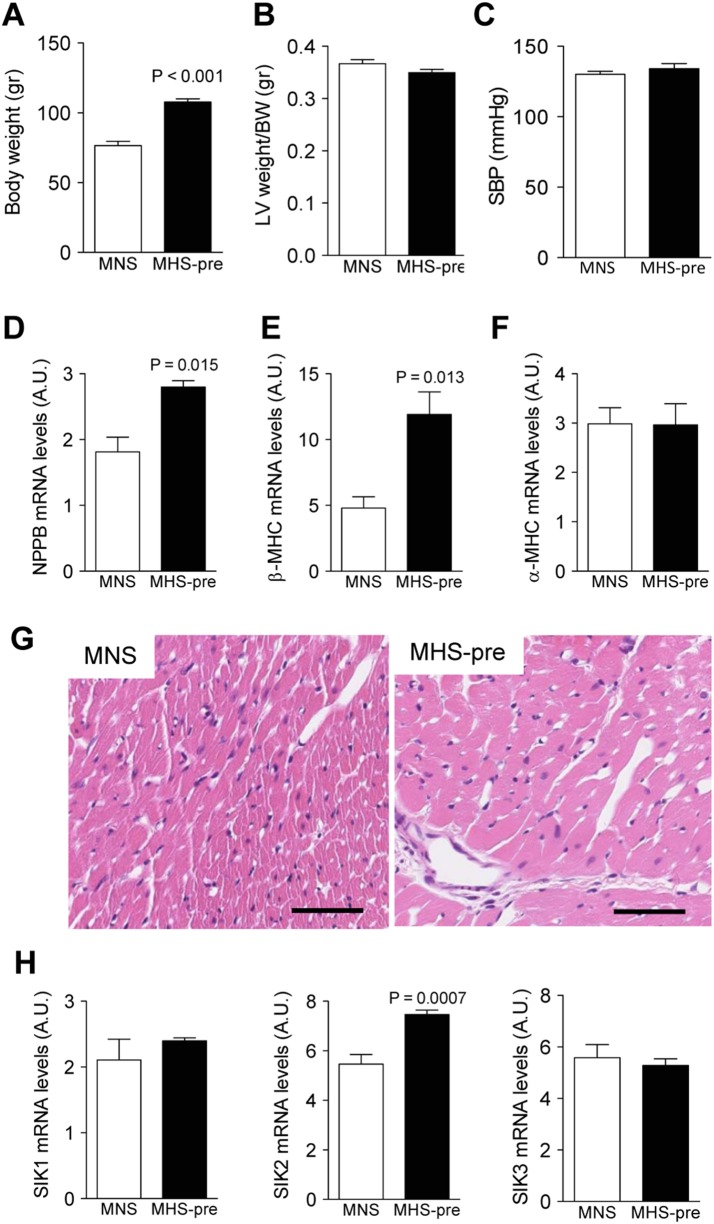
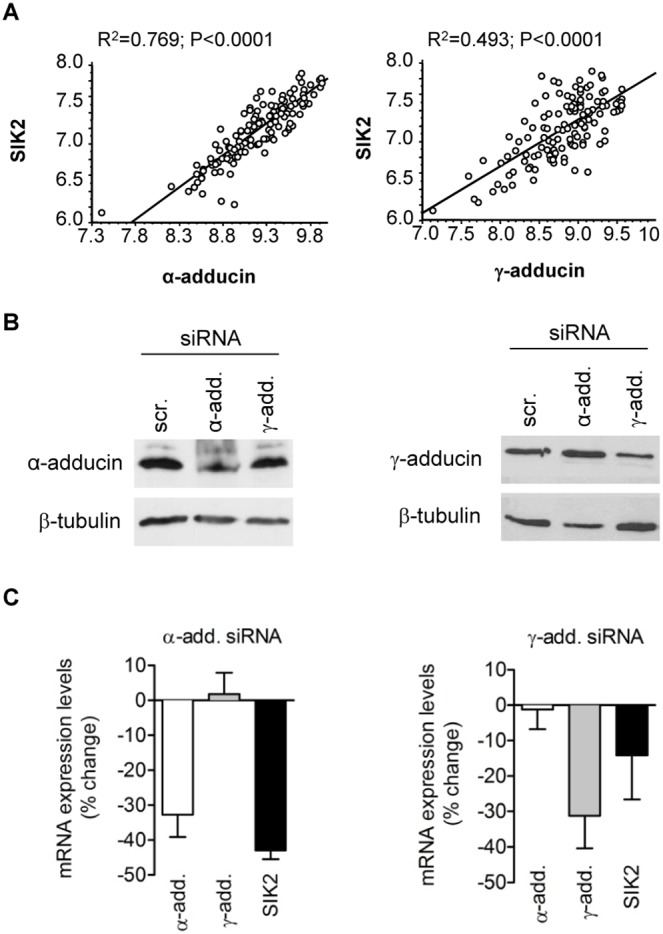
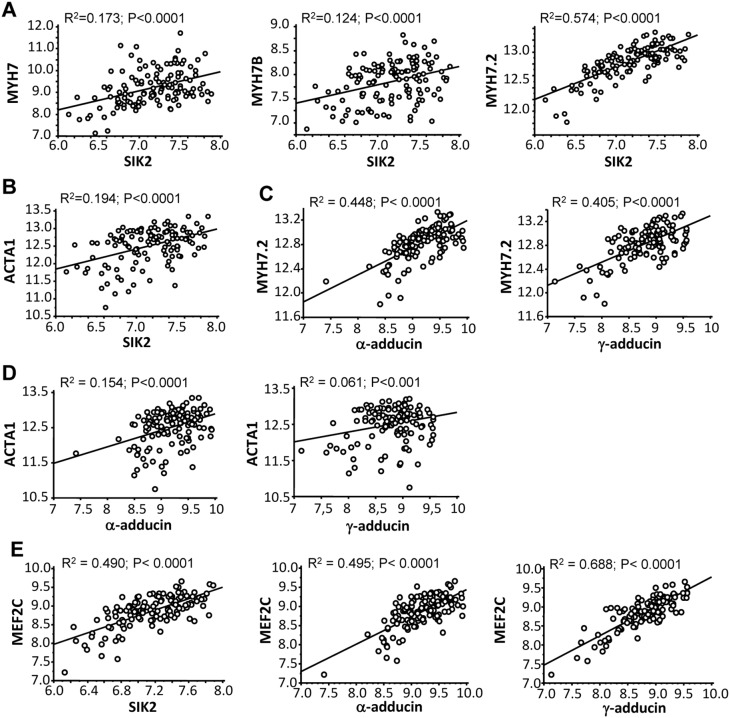
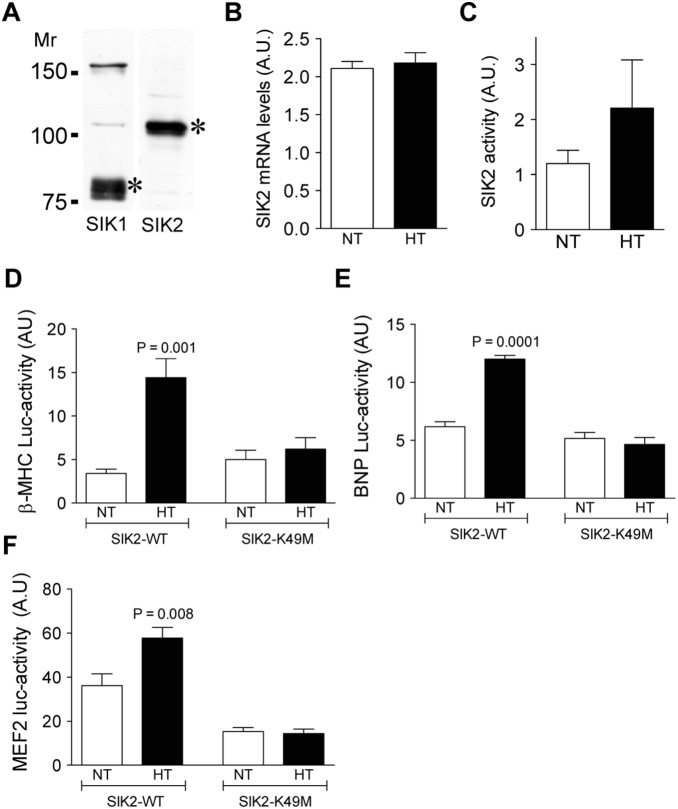
Cardiac left ventricle hypertrophy (LVH) constitutes a major risk factor for heart failure. Although LVH is most commonly caused by chronic elevation in arterial blood pressure, reduction of blood pressure to normal levels does not always result in regression of LVH, suggesting that additional factors contribute to the development of this pathology. We tested whether genetic preconditions associated with the imbalance in sodium homeostasis could trigger the development of LVH without concomitant increases in blood pressure. The results showed that the presence of a hypertensive variant of α-adducin gene in Milan rats (before they become hypertensive) resulted in elevated expression of genes associated with LVH, and of salt-inducible kinase 2 (SIK2) in the left ventricle (LV). Moreover, the mRNA expression levels of SIK2, α-adducin, and several markers of cardiac hypertrophy were positively correlated in tissue biopsies obtained from human hearts. In addition, we found in cardiac myocytes that α-adducin regulates the expression of SIK2, which in turn mediates the effects of adducin on hypertrophy markers gene activation. Furthermore, evidence that SIK2 is critical for the development of LVH in response to chronic high salt diet (HS) was obtained in mice with ablation of the sik2 gene. Increases in the expression of genes associated with LVH, as well as increases in LV wall thickness upon HS, occurred only in sik2+/+ but not in sik2-/- mice. Thus LVH triggered by HS or the presence of a genetic variant of α-adducin requires SIK2 and is independent of elevated blood pressure. Inhibitors of SIK2 may constitute part of a novel therapeutic regimen aimed at prevention/regression of LVH.
心脏左心室肥厚(LVH)是心力衰竭的主要危险因素。虽然LVH最常见的原因是动脉血压长期升高,但将血压降至正常水平并不总是能使LVH消退,这表明还有其他因素促成了这种病理状况的发展。我们测试了与钠稳态失衡相关的遗传先决条件是否能在不伴随血压升高的情况下引发LVH的发展。结果表明,米兰大鼠(在它们出现高血压之前)中α - 内收蛋白基因的高血压变体的存在导致与LVH相关的基因以及左心室(LV)中盐诱导激酶2(SIK2)的表达升高。此外,在取自人类心脏的组织活检中,SIK2、α - 内收蛋白和几种心脏肥大标志物的mRNA表达水平呈正相关。另外,我们在心肌细胞中发现α - 内收蛋白调节SIK2的表达,而SIK2反过来介导内收蛋白对肥大标志物基因激活的作用。此外,在敲除sik2基因的小鼠中获得了证据,证明SIK2对于慢性高盐饮食(HS)引起的LVH发展至关重要。与LVH相关的基因表达增加以及HS后LV壁厚度增加仅发生在sik2 +/+小鼠中,而在sik2 -/-小鼠中未发生。因此,由HS或α - 内收蛋白的遗传变体引发的LVH需要SIK2,且与血压升高无关。SIK2抑制剂可能构成旨在预防/消退LVH的新型治疗方案的一部分。