Klein John R
Department of Diagnostic and Biomedical Sciences, University of Texas Health Science Center at Houston , Houston, TX , USA.
Front Immunol. 2014 Apr 7;5:155. doi: 10.3389/fimmu.2014.00155. eCollection 2014.
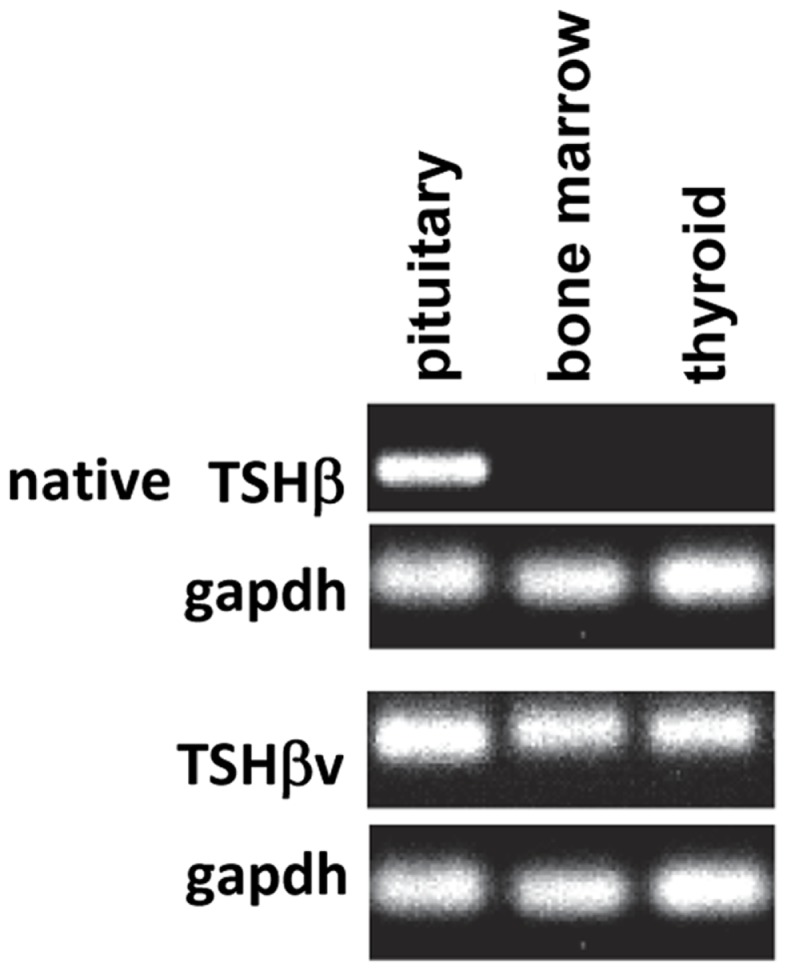
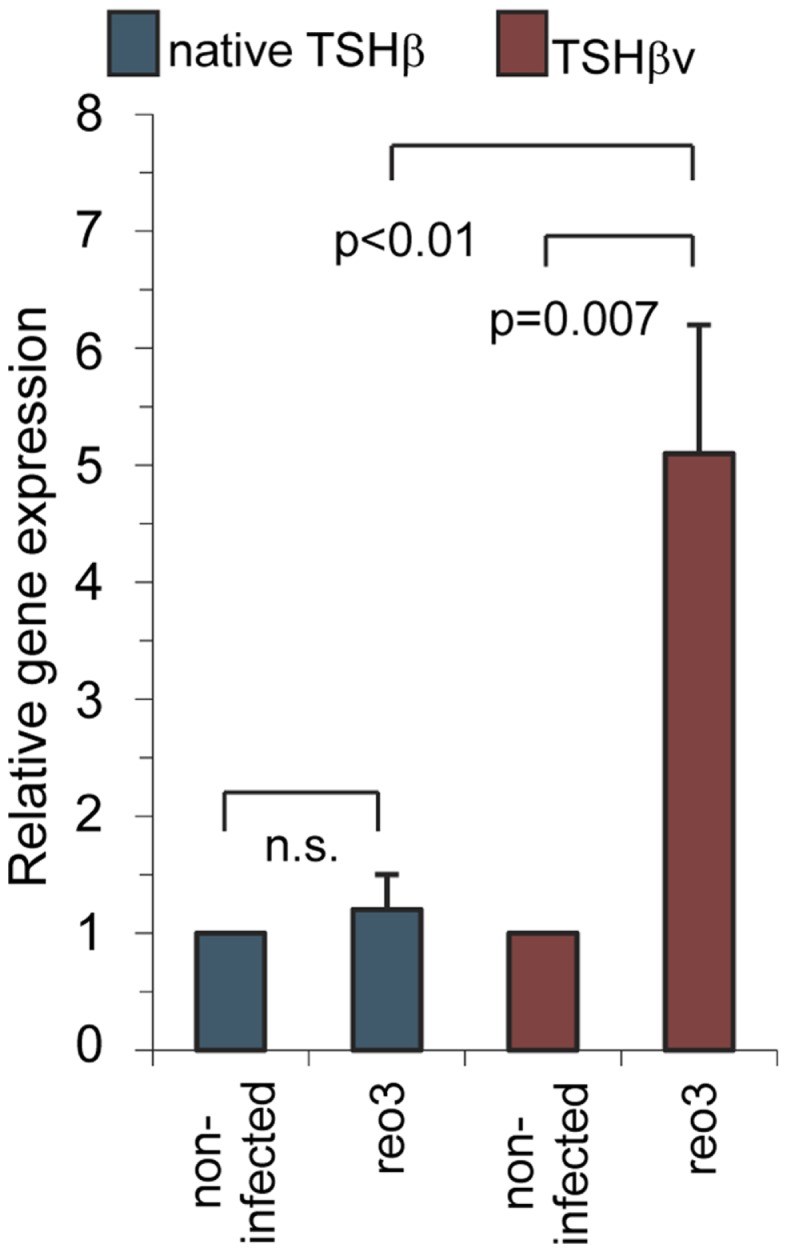
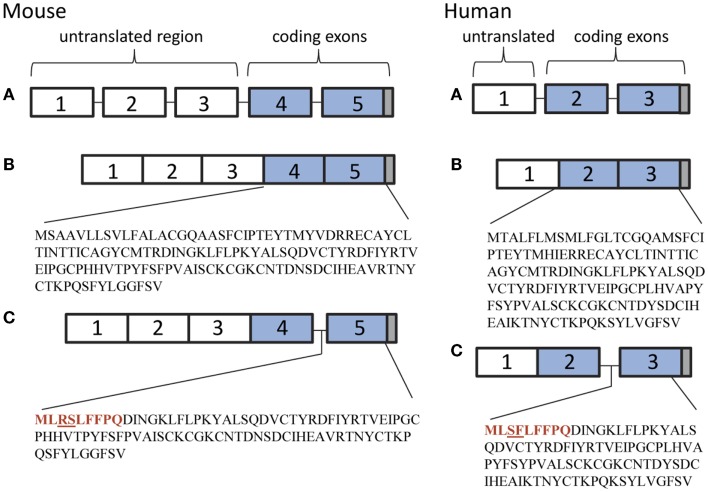
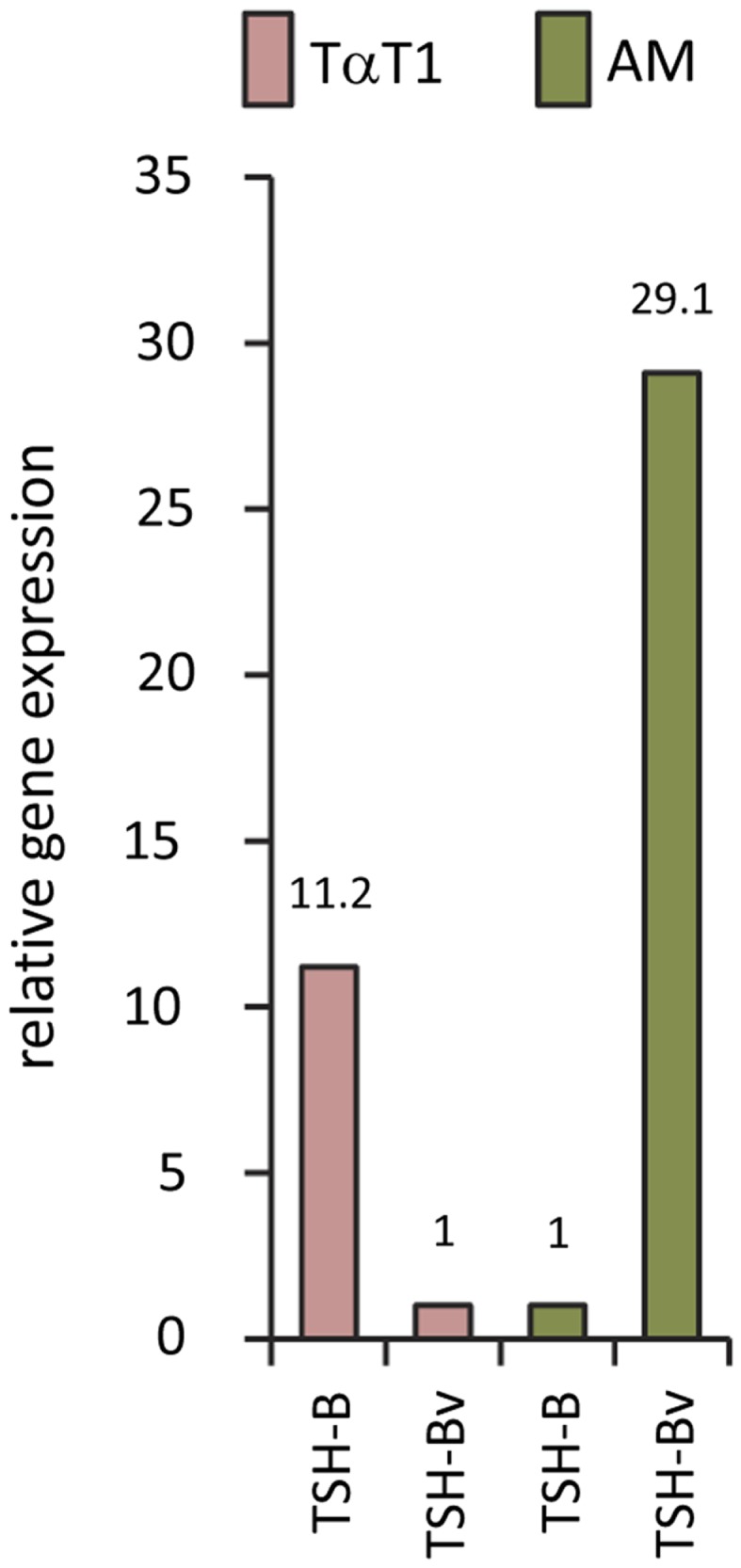
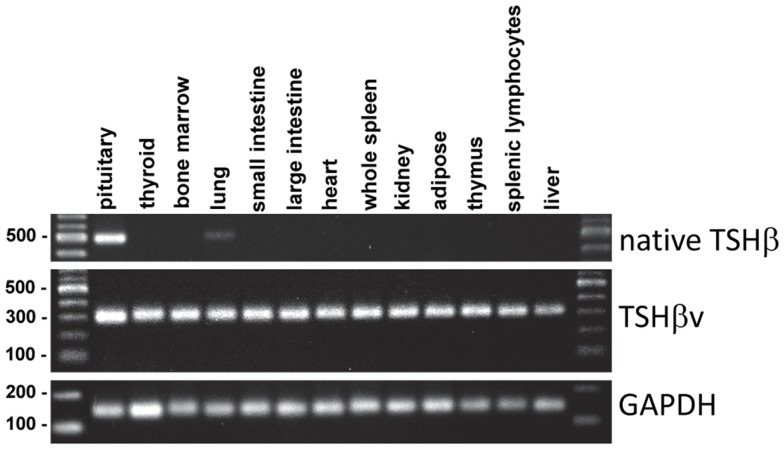
Thyroid stimulating hormone (TSH), a glycoprotein hormone composed of α and β chains, is produced by thyrotrope cells of the anterior pituitary. Within the conventional endocrine loop, pituitary-derived TSH binds to receptors in the thyroid, resulting in the release of the thyroid hormones thyroxine (T4) and triiodothyronine (T3). T4 and T3 in turn regulate nearly every aspect of mammalian physiology, including basal metabolism, growth and development, and mood and cognition. Although TSHβ has been known for years to be produced by cells of the immune system, the significance of that has remained largely unclear. Recently, a splice variant of TSHβ (TSHβv), which consists of a truncated but biologically functional portion of the native form of TSHβ, was shown to be produced by bone marrow cells and peripheral blood leukocytes, particularly cells of the myeloid/monocyte lineage. In contrast, full-length native TSHβ is minimally produced by cells of the immune system. The present article will describe the discovery of the TSHβv and will discuss its potential role in immunity and autoimmunity, inflammation, and bone remodeling.
促甲状腺激素(TSH)是一种由α链和β链组成的糖蛋白激素,由腺垂体的促甲状腺细胞产生。在传统的内分泌循环中,垂体来源的TSH与甲状腺中的受体结合,导致甲状腺激素甲状腺素(T4)和三碘甲状腺原氨酸(T3)的释放。T4和T3进而调节哺乳动物生理学的几乎每个方面,包括基础代谢、生长发育以及情绪和认知。尽管多年来已知TSHβ由免疫系统的细胞产生,但其意义在很大程度上仍不清楚。最近,TSHβ的一种剪接变体(TSHβv),它由天然形式的TSHβ的截短但具有生物学功能的部分组成,被证明由骨髓细胞和外周血白细胞产生,特别是髓系/单核细胞谱系的细胞。相比之下,全长天然TSHβ由免疫系统的细胞极少产生。本文将描述TSHβv的发现,并将讨论其在免疫和自身免疫、炎症以及骨重塑中的潜在作用。