Department of Advanced Materials and Structures, Public Research Center Henri Tudor Hautcharage, Luxembourg ; Laboratory of Polymeric and Composite Materials, UMONS Research Institute for Materials Science and Engineering, Center for Innovation and Research in Materials and Polymers, University of Mons Mons, Belgium.
Laboratory of Polymeric and Composite Materials, UMONS Research Institute for Materials Science and Engineering, Center for Innovation and Research in Materials and Polymers, University of Mons Mons, Belgium.
Front Chem. 2013 Dec 17;1:32. doi: 10.3389/fchem.2013.00032. eCollection 2013.
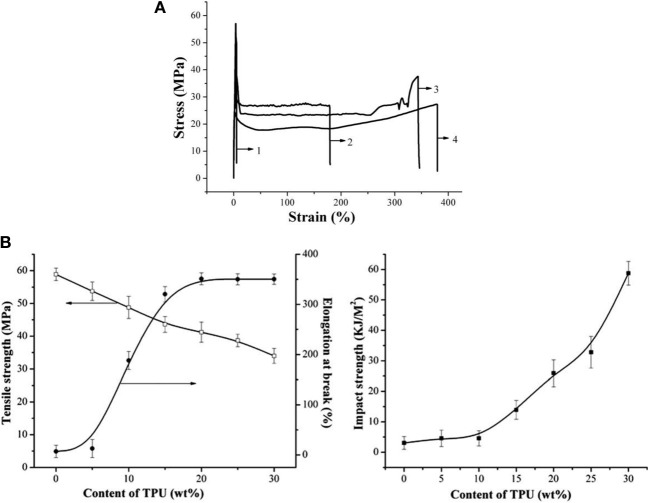
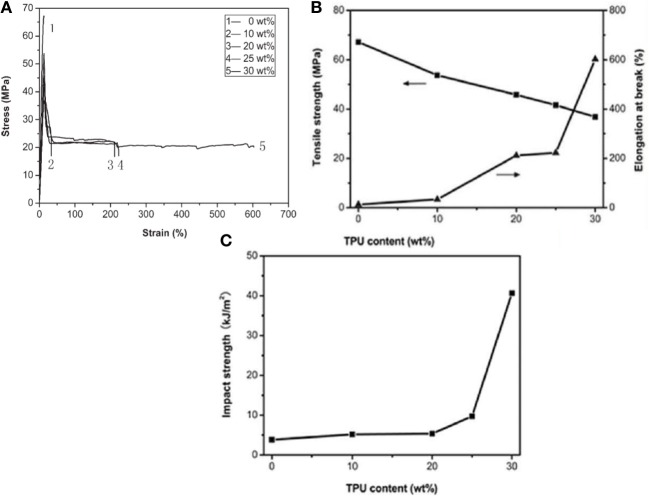
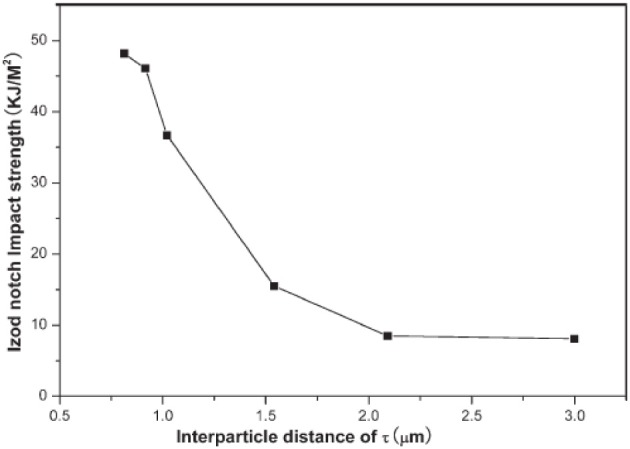
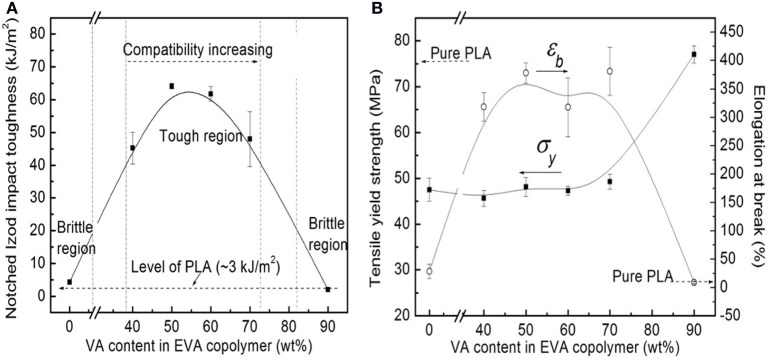
Due to its origin from renewable resources, its biodegradability, and recently, its industrial implementation at low costs, poly(lactide) (PLA) is considered as one of the most promising ecological, bio-sourced and biodegradable plastic materials to potentially and increasingly replace traditional petroleum derived polymers in many commodity and engineering applications. Beside its relatively high rigidity [high tensile strength and modulus compared with many common thermoplastics such as poly(ethylene terephthalate) (PET), high impact poly(styrene) (HIPS) and poly(propylene) (PP)], PLA suffers from an inherent brittleness, which can limit its applications especially where mechanical toughness such as plastic deformation at high impact rates or elongation is required. Therefore, the curve plotting stiffness vs. impact resistance and ductility must be shifted to higher values for PLA-based materials, while being preferably fully bio-based and biodegradable upon the application. This review aims to establish a state of the art focused on the recent progresses and preferably economically viable strategies developed in the literature for significantly improve the mechanical performances of PLA. A particular attention is given to plasticization as well as to impact resistance modification of PLA in the case of (reactive) blending PLA-based systems.
由于其可再生资源的起源、生物降解性,以及最近在低成本下的工业化实施,聚乳酸(PLA)被认为是最有前途的生态、生物来源和可生物降解塑料材料之一,有可能在许多商品和工程应用中逐渐取代传统的石油衍生聚合物。除了相对较高的刚性[与许多常见的热塑性塑料(如聚对苯二甲酸乙二醇酯(PET)、高抗冲聚苯乙烯(HIPS)和聚丙烯(PP)相比,具有较高的拉伸强度和模量]外,PLA 还存在固有脆性,这可能限制其应用,特别是在需要高冲击速率或伸长率的塑性变形等机械韧性的情况下。因此,必须将基于 PLA 的材料的刚度与抗冲击性和延展性的曲线绘制到更高的值,同时最好在应用时完全基于生物且可生物降解。本综述旨在建立一个最先进的状态,重点关注文献中最近取得的进展和更具经济可行性的策略,以显著提高 PLA 的机械性能。特别关注了增塑作用以及(反应性)共混 PLA 基体系中 PLA 的抗冲击性改性。