Lourenço Bruna Mendes, Costa Kauê Machado, da Silva Filho Manoel
Institute of Biological Sciences, Federal University of Pará, Belém, Pará, Brazil; João de Barros Barreto University Hospital, Federal University of Pará, Belém, Pará, Brazil.
Institute of Biological Sciences, Federal University of Pará, Belém, Pará, Brazil.
PLoS One. 2014 May 5;9(5):e96769. doi: 10.1371/journal.pone.0096769. eCollection 2014.
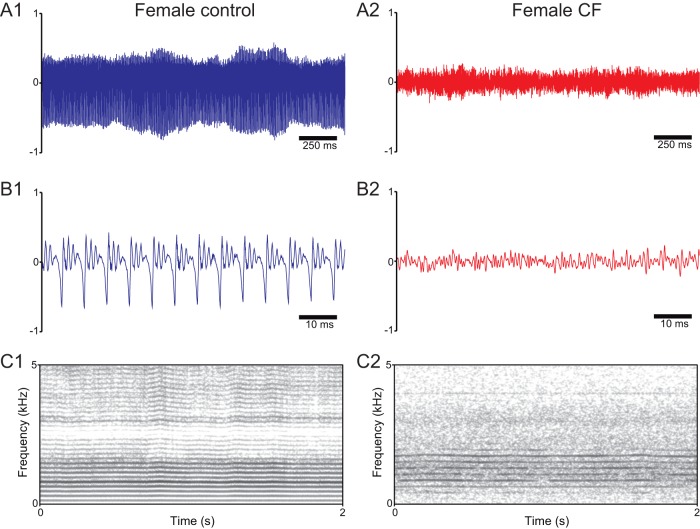
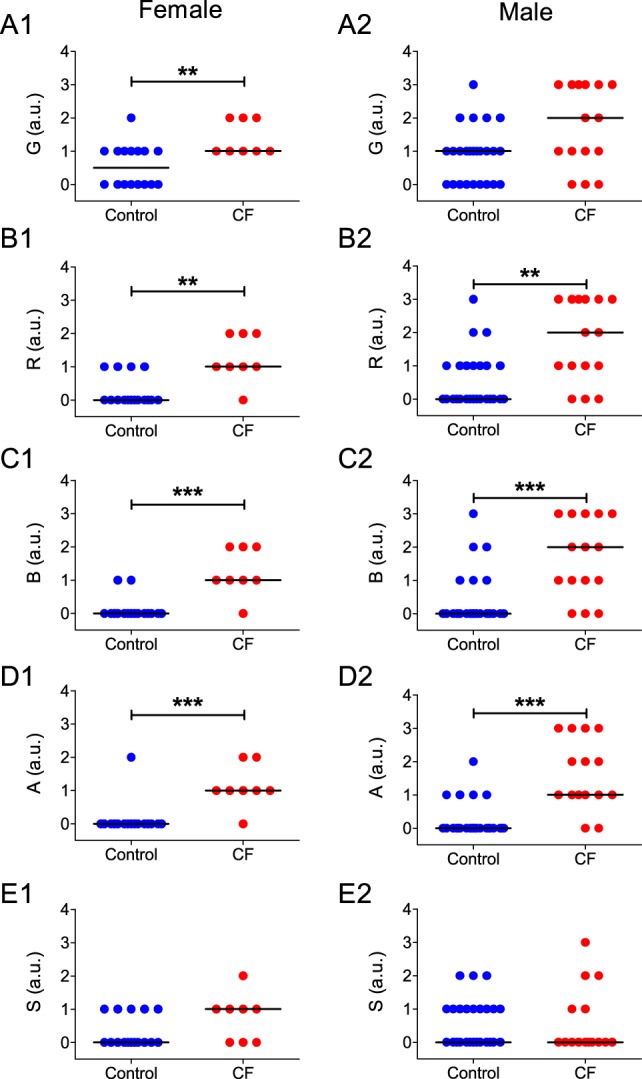
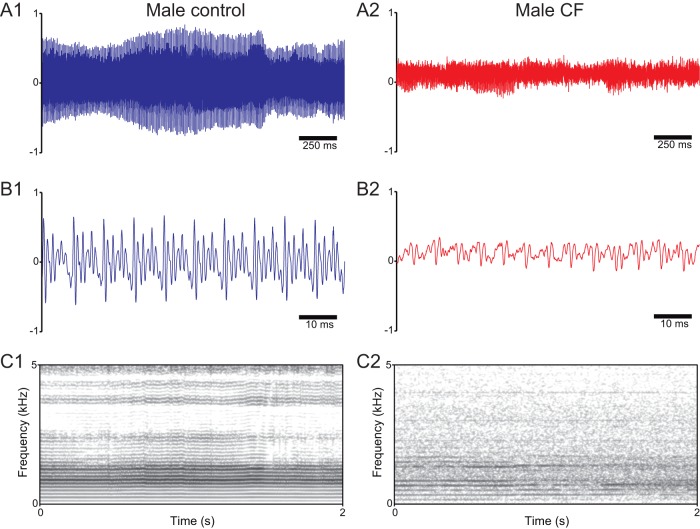
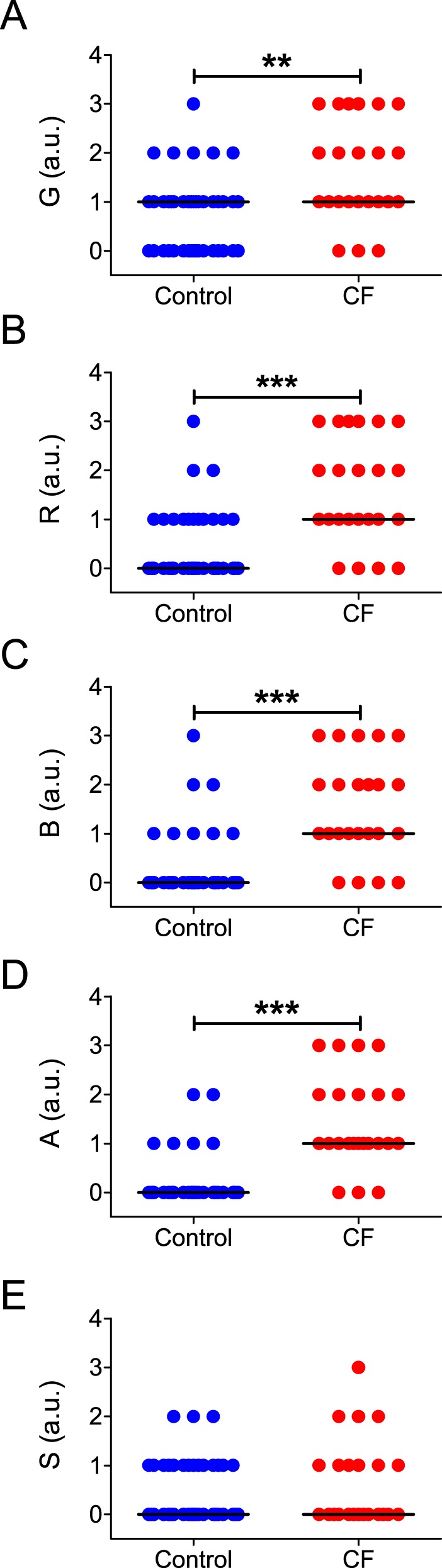
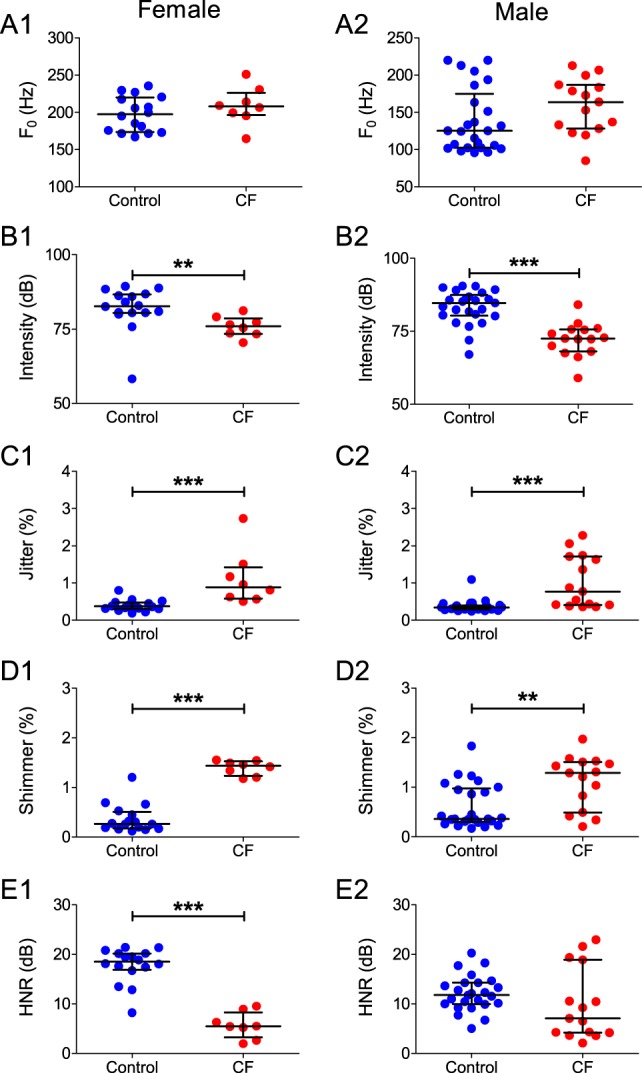
Cystic fibrosis is a common autosomal recessive disorder with drastic respiratory symptoms, including shortness of breath and chronic cough. While most of cystic fibrosis treatment is dedicated to mitigating the effects of respiratory dysfunction, the potential effects of this disease on vocal parameters have not been systematically studied. We hypothesized that cystic fibrosis patients, given their characteristic respiratory disorders, would also present dysphonic symptoms. Given that voice disorders can severely impair quality of life, the identification of a potential cystic fibrosis-related dysphonia could be of great value for the clinical evaluation and treatment of this disease. We tested our hypothesis by measuring vocal parameters, using both objective physical measures and the GRBAS subjective evaluation method, in male and female cystic fibrosis patients undergoing conventional treatment and compared them to age and sex matched controls. We found that cystic fibrosis patients had a significantly lower vocal intensity and harmonic to noise ratio, as well as increased levels of jitter and shimmer. In addition, cystic fibrosis patients also showed higher scores of roughness, breathiness and asthenia, as well as a significantly altered general grade of dysphonia. When we segregated the results according to sex, we observed that, as a group, only female cystic fibrosis patients had significantly lower values of harmonic to noise ratio and an abnormal general grade of dysphonia in relation to matched controls, suggesting that cystic fibrosis exerts a more pronounced effect on vocal parameters of women in relation to men. Overall, the dysphonic characteristics of CF patients can be explained by dysfunctions in vocal fold movement and partial upper airway obstruction, potentially caused by the accumulation of mucus and chronic cough characteristic of CF symptomatology. Our results show that CF patients exhibit significant dysphonia and suggest they may potentially benefit from voice therapy as a parallel treatment strategy.
囊性纤维化是一种常见的常染色体隐性疾病,具有严重的呼吸道症状,包括呼吸急促和慢性咳嗽。虽然大多数囊性纤维化治疗致力于减轻呼吸功能障碍的影响,但该疾病对嗓音参数的潜在影响尚未得到系统研究。我们假设,鉴于囊性纤维化患者具有特征性的呼吸障碍,他们也会出现发声障碍症状。鉴于嗓音障碍会严重损害生活质量,识别潜在的与囊性纤维化相关的发声障碍对于该疾病的临床评估和治疗可能具有重要价值。我们通过使用客观物理测量方法和GRBAS主观评估方法测量接受常规治疗的男性和女性囊性纤维化患者的嗓音参数来检验我们的假设,并将他们与年龄和性别匹配的对照组进行比较。我们发现,囊性纤维化患者的嗓音强度和声噪比显著降低,同时抖动和闪烁水平增加。此外,囊性纤维化患者在粗糙、气息和虚弱方面的得分也更高,并且发声障碍的总体等级有显著改变。当我们按性别对结果进行分类时,我们观察到,作为一个群体,只有女性囊性纤维化患者与匹配的对照组相比,声噪比显著降低且发声障碍总体等级异常,这表明囊性纤维化对女性嗓音参数的影响相对于男性更为明显。总体而言,囊性纤维化患者的发声障碍特征可以通过声带运动功能障碍和部分上呼吸道阻塞来解释,这可能是由囊性纤维化症状所特有的黏液积聚和慢性咳嗽引起的。我们的结果表明,囊性纤维化患者表现出明显的发声障碍,并表明他们可能潜在地受益于作为并行治疗策略的嗓音治疗。