Ian Wark Research Institute, University of South Australia, Mawson Lakes Campus, SA 5095, Australia.
1] Department of Chemical and Biomolecular Engineering, University of Melbourne, Parkville VIC 3010, Australia [2] School of Chemistry, University of Melbourne, Parkville, VIC 3010, Australia.
Sci Rep. 2014 May 6;4:4849. doi: 10.1038/srep04849.
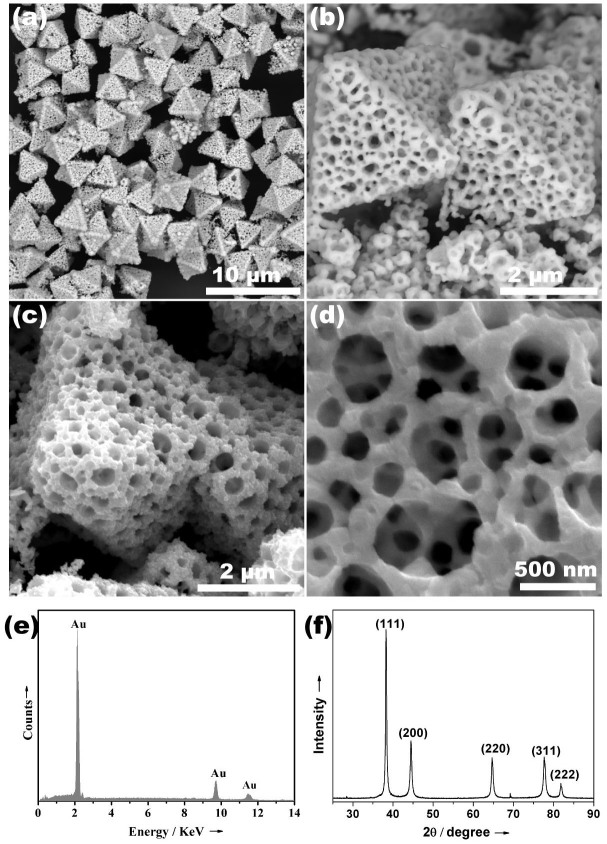
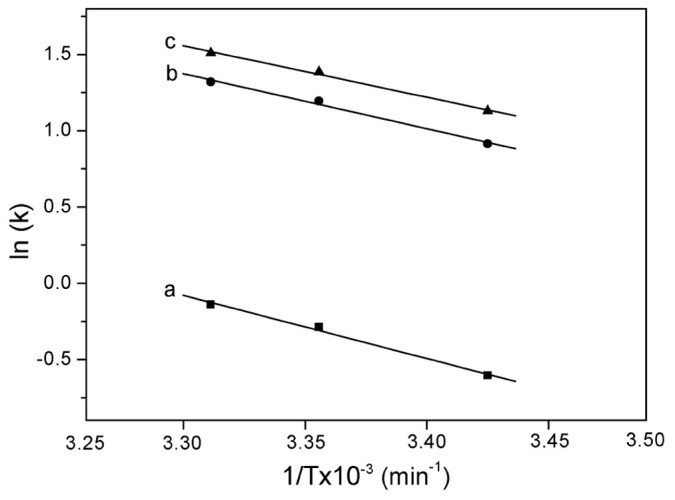
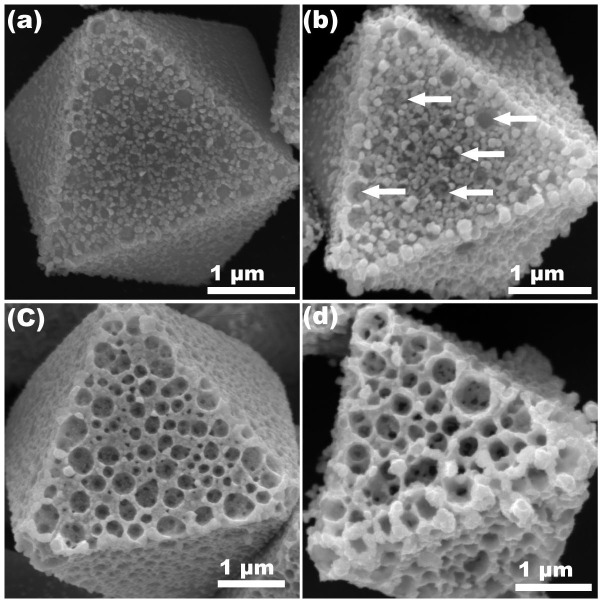
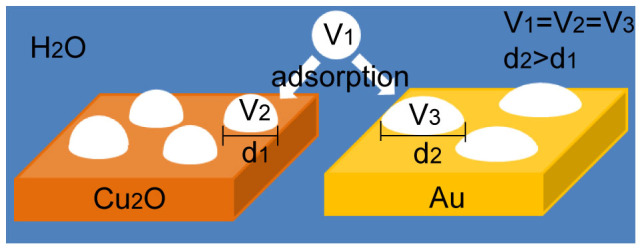
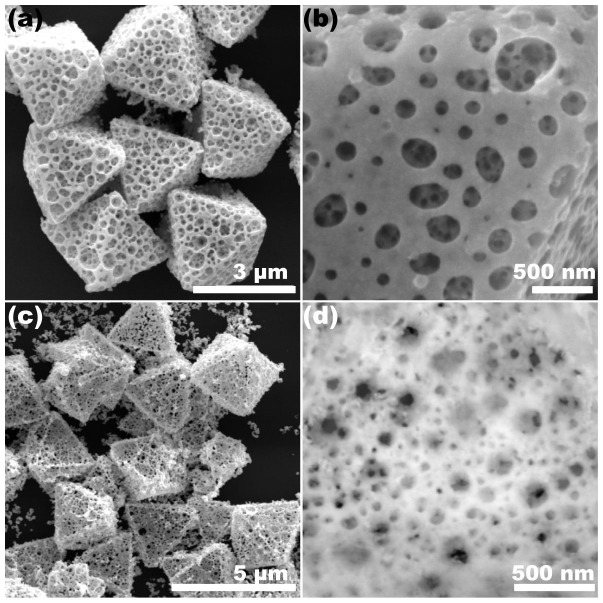
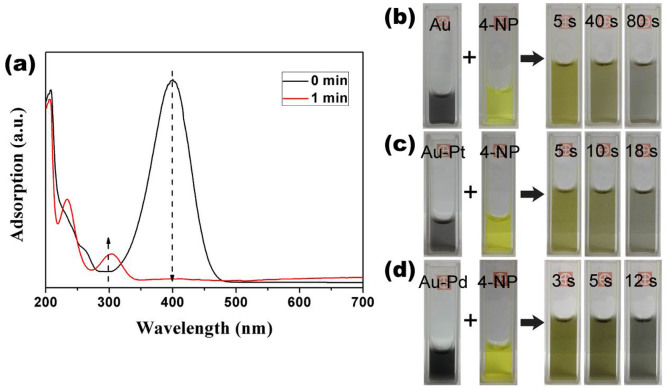
Interfacial nanodroplets were grafted to the surfaces of self-sacrificed template particles in a galvanic reaction system to assist the construction of 3D Au porous structures. The interfacial nanodroplets were formed via direct adsorption of surfactant-free emulsions onto the particle surfaces. The interfacial nanodroplets discretely distributed at the template particle surfaces and served as soft templates to guide the formation of porous Au structures. The self-variation of footprint sizes of interfacial nanodroplets during Au growth gave rise to a hierarchical pore size distribution of the obtained Au porous particles. This strategy could be easily extended to synthesize bimetal porous particles such as Au-Pt and Au-Pd. The obtained porous Au, Au-Pt, and Au-Pd particles showed excellent catalytic activity in catalytic reduction of 4-nitrophenol.
界面纳米液滴在电化学反应体系中接枝到自牺牲模板粒子的表面,以辅助 3D Au 多孔结构的构建。界面纳米液滴通过无表面活性剂乳液直接吸附到粒子表面形成。界面纳米液滴离散分布在模板粒子表面,作为软模板引导多孔 Au 结构的形成。Au 生长过程中界面纳米液滴的足迹尺寸的自变化导致所得到的 Au 多孔粒子的分级孔径分布。该策略可以很容易地扩展到合成双金属多孔粒子,如 Au-Pt 和 Au-Pd。所得到的多孔 Au、Au-Pt 和 Au-Pd 粒子在催化还原 4-硝基苯酚中表现出优异的催化活性。