Fekete Robert
Department of Neurology, New York Medical College, Valhalla, N.Y., USA.
Case Rep Neurol. 2014 Mar 22;6(1):83-7. doi: 10.1159/000362115. eCollection 2014 Jan.
Xeroderma pigmentosum (XP) is a rare autosomal recessive disorder of DNA repair, with a prevalence of 1 in 1 million. It may also be a cause of neurological symptoms including sensorineural hearing loss, peripheral neuropathy, ataxia, and chorea. Severe neurological symptoms including mental retardation, short stature, and hypogonadism invoke De Sanctis-Cacchione syndrome (DCS).
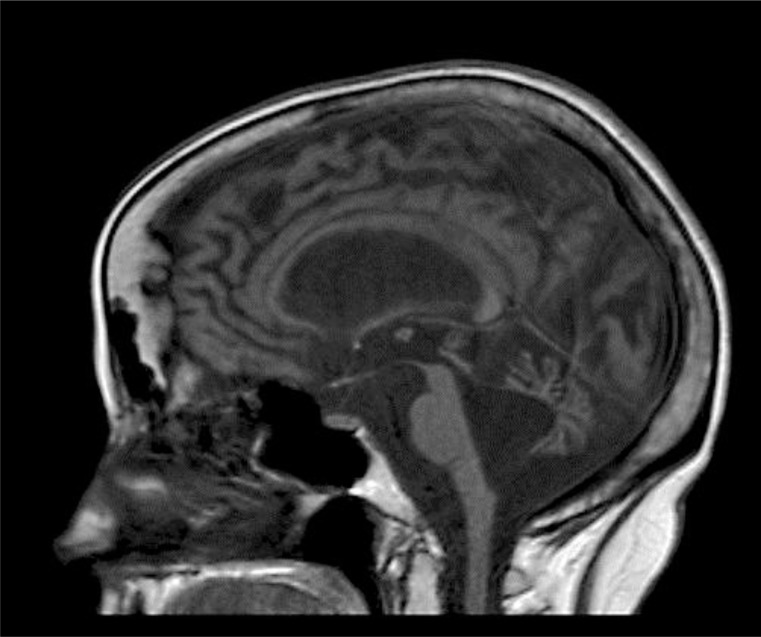
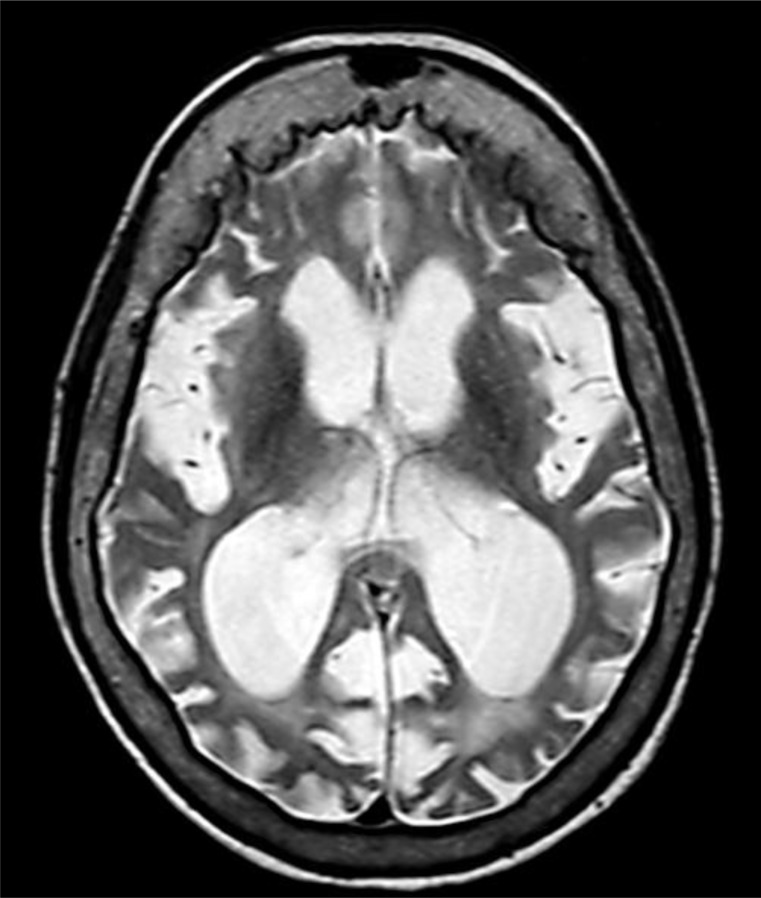
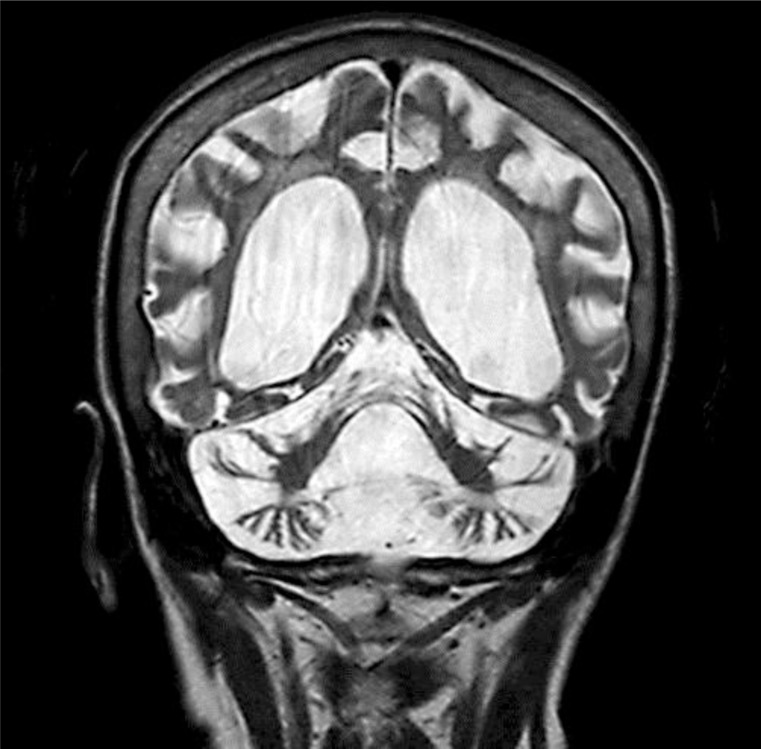
The patient was a 55-year-old woman with a history of mental retardation who developed chorea at age 32 and ataxia at age 37. She had numerous facial scars from 10 prior basal cell carcinoma excisions as well as diminished deep tendon reflexes, bilateral hearing loss, dysphagia, and skin freckling. Brain MRI revealed severe cortical, cerebellar, and brainstem atrophy. Supportive treatment and prevention of further damage from UV light is the mainstay of treatment in XP and DCS.
XP and related disorders should be considered in the setting of neurological disorder and multiple cutaneous cancers.
着色性干皮病(XP)是一种罕见的常染色体隐性DNA修复障碍疾病,发病率为百万分之一。它也可能是包括感音神经性听力损失、周围神经病变、共济失调和舞蹈症在内的神经症状的病因。包括智力发育迟缓、身材矮小和性腺功能减退在内的严重神经症状引发了德桑蒂斯 - 卡基奥内综合征(DCS)。
该患者为一名55岁女性,有智力发育迟缓病史,32岁时出现舞蹈症,37岁时出现共济失调。她因之前10次基底细胞癌切除术留下了许多面部疤痕,同时伴有深部腱反射减弱、双侧听力损失、吞咽困难和皮肤雀斑。脑部磁共振成像(MRI)显示严重的皮质、小脑和脑干萎缩。支持性治疗以及预防紫外线造成进一步损伤是XP和DCS治疗的主要方法。
在出现神经疾病和多发性皮肤癌的情况下,应考虑XP及相关疾病。