Department of Pathology and Microbiology, College of Medicine, University of Nebraska Medical Center, 986495 Nebraska Medical Center, Omaha, NE 68198-6495, USA.
Pharmaceuticals (Basel). 2014 May 13;7(5):545-94. doi: 10.3390/ph7050545.
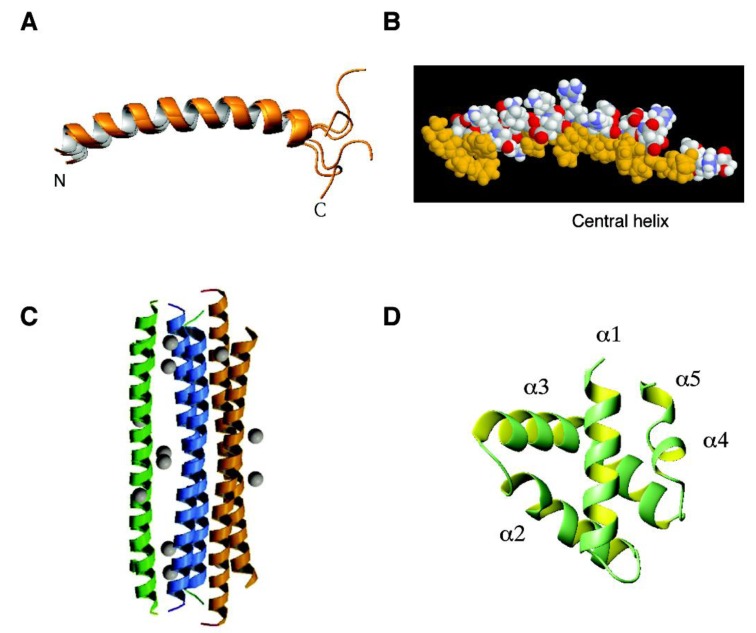
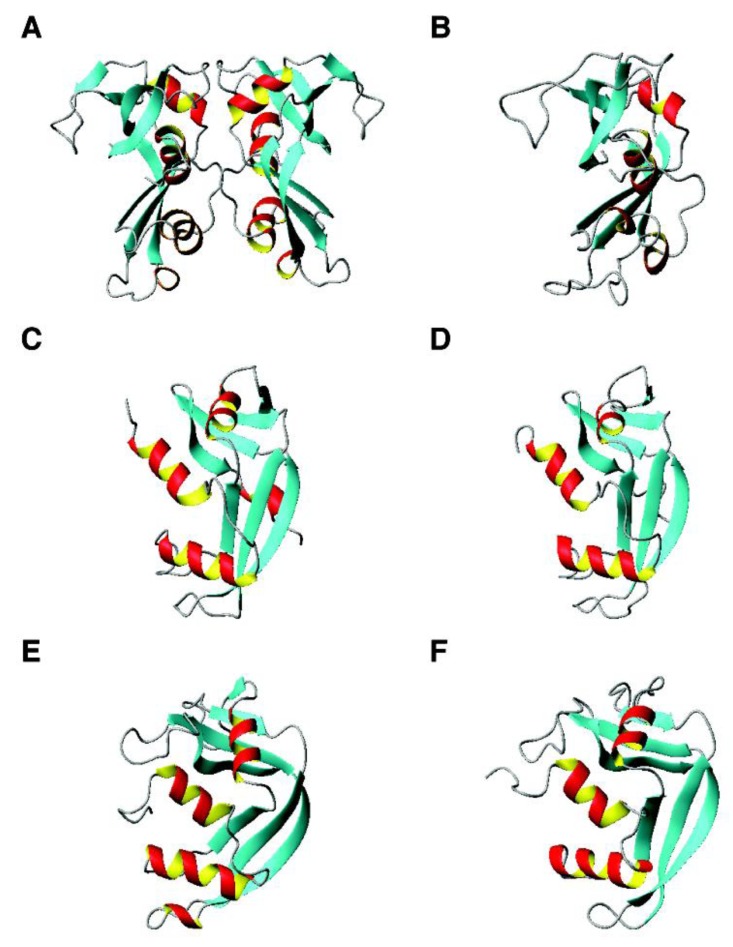
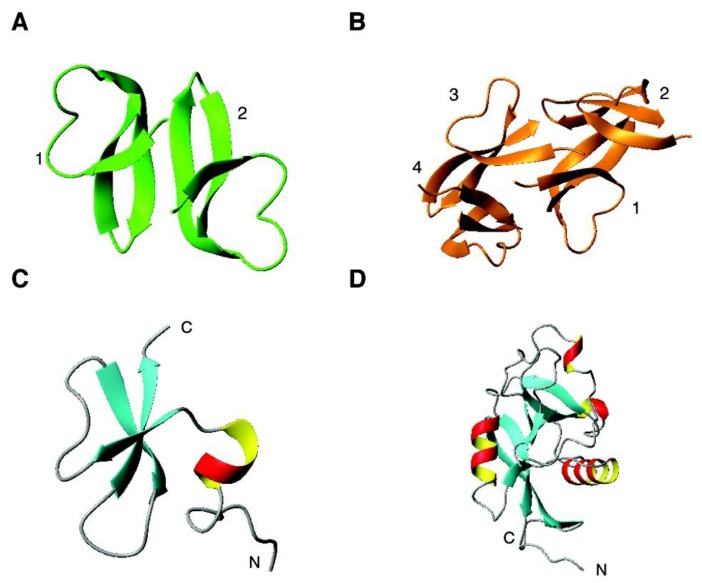
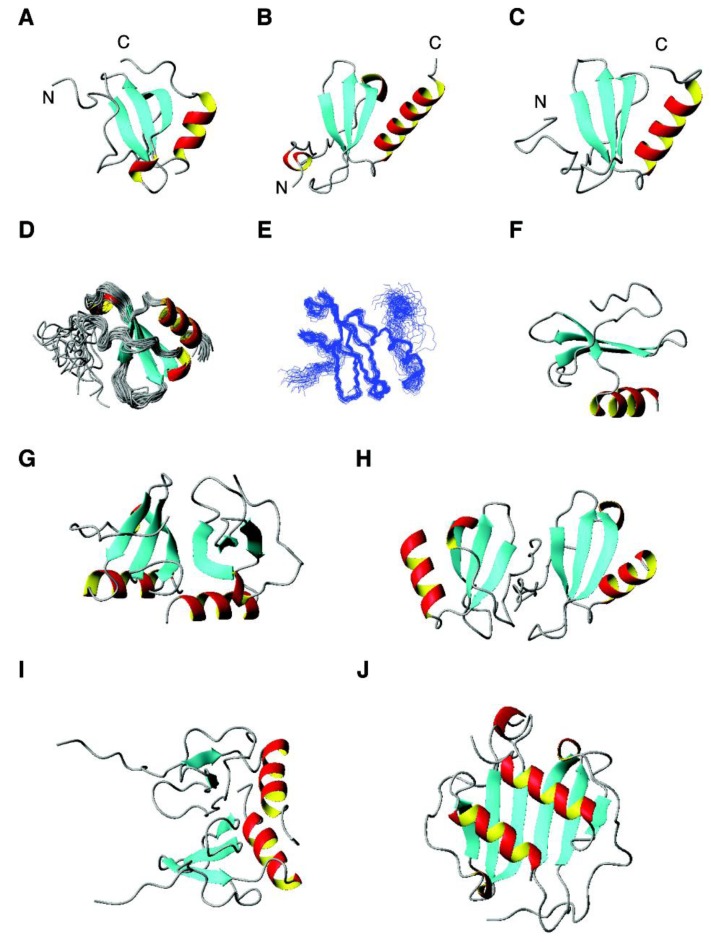
As the key components of innate immunity, human host defense antimicrobial peptides and proteins (AMPs) play a critical role in warding off invading microbial pathogens. In addition, AMPs can possess other biological functions such as apoptosis, wound healing, and immune modulation. This article provides an overview on the identification, activity, 3D structure, and mechanism of action of human AMPs selected from the antimicrobial peptide database. Over 100 such peptides have been identified from a variety of tissues and epithelial surfaces, including skin, eyes, ears, mouths, gut, immune, nervous and urinary systems. These peptides vary from 10 to 150 amino acids with a net charge between -3 and +20 and a hydrophobic content below 60%. The sequence diversity enables human AMPs to adopt various 3D structures and to attack pathogens by different mechanisms. While α-defensin HD-6 can self-assemble on the bacterial surface into nanonets to entangle bacteria, both HNP-1 and β-defensin hBD-3 are able to block cell wall biosynthesis by binding to lipid II. Lysozyme is well-characterized to cleave bacterial cell wall polysaccharides but can also kill bacteria by a non-catalytic mechanism. The two hydrophobic domains in the long amphipathic α-helix of human cathelicidin LL-37 lays the basis for binding and disrupting the curved anionic bacterial membrane surfaces by forming pores or via the carpet model. Furthermore, dermcidin may serve as ion channel by forming a long helix-bundle structure. In addition, the C-type lectin RegIIIα can initially recognize bacterial peptidoglycans followed by pore formation in the membrane. Finally, histatin 5 and GAPDH(2-32) can enter microbial cells to exert their effects. It appears that granulysin enters cells and kills intracellular pathogens with the aid of pore-forming perforin. This arsenal of human defense proteins not only keeps us healthy but also inspires the development of a new generation of personalized medicine to combat drug-resistant superbugs, fungi, viruses, parasites, or cancer. Alternatively, multiple factors (e.g., albumin, arginine, butyrate, calcium, cyclic AMP, isoleucine, short-chain fatty acids, UV B light, vitamin D, and zinc) are able to induce the expression of antimicrobial peptides, opening new avenues to the development of anti-infectious drugs.
作为先天免疫系统的关键组成部分,人类宿主防御抗菌肽和蛋白质(AMPs)在抵御入侵的微生物病原体方面发挥着至关重要的作用。此外,AMPs 还具有其他生物学功能,如细胞凋亡、伤口愈合和免疫调节。本文概述了从抗菌肽数据库中选择的人类 AMPs 的鉴定、活性、3D 结构和作用机制。从各种组织和上皮表面(包括皮肤、眼睛、耳朵、口腔、肠道、免疫、神经和泌尿系统)中已经鉴定出超过 100 种此类肽。这些肽的长度在 10 到 150 个氨基酸之间,净电荷在-3 到+20 之间,疏水性含量低于 60%。序列多样性使人类 AMPs 能够采用各种 3D 结构,并通过不同的机制攻击病原体。虽然α-防御素 HD-6 可以在细菌表面自组装成纳米网来缠绕细菌,但 HNP-1 和β-防御素 hBD-3 都能够通过与脂质 II 结合来阻止细胞壁生物合成。溶菌酶的作用机制是众所周知的,它可以切割细菌细胞壁多糖,但也可以通过非催化机制杀死细菌。人类 cathelicidin LL-37 中长的两亲性α-螺旋中的两个疏水结构域为结合和破坏带负电荷的弯曲细菌膜表面奠定了基础,其方式是形成孔或通过地毯模型。此外,dermcidin 可能通过形成长螺旋束结构作为离子通道。此外,C 型凝集素 RegIIIα 可以首先识别细菌肽聚糖,然后在膜中形成孔。最后,组氨酸 5 和 GAPDH(2-32)可以进入微生物细胞发挥作用。似乎颗粒酶在穿孔蛋白的帮助下进入细胞并杀死细胞内病原体。人类防御蛋白的这种武器库不仅使我们保持健康,还激发了新一代个性化药物的开发,以对抗耐药性超级细菌、真菌、病毒、寄生虫或癌症。或者,多种因素(例如白蛋白、精氨酸、丁酸盐、钙、环 AMP、异亮氨酸、短链脂肪酸、UVB 光、维生素 D 和锌)能够诱导抗菌肽的表达,为抗感染药物的开发开辟了新的途径。