Hamilton D Lee, Findlay John A, Montagut Gemma, Meakin Paul J, Bestow Dawn, Jalicy Susan M, Ashford Michael L J
Division of Cardiovascular and Diabetes Medicine, Medical Research Institute, Ninewells Hospital & Medical School, University of Dundee, Dundee, DD1 9SY, Scotland, UK.
Diabetologia. 2014 Aug;57(8):1684-92. doi: 10.1007/s00125-014-3269-x. Epub 2014 May 22.
AIMS/HYPOTHESIS: Impaired glucose uptake in skeletal muscle is an important contributor to glucose intolerance in type 2 diabetes. The aspartate protease, beta-site APP-cleaving enzyme 1 (BACE1), a critical regulator of amyloid precursor protein (APP) processing, modulates in vivo glucose disposal and insulin sensitivity in mice. Insulin-independent pathways to stimulate glucose uptake and GLUT4 translocation may offer alternative therapeutic avenues for the treatment of diabetes. We therefore addressed whether BACE1 activity, via APP processing, in skeletal muscle modifies glucose uptake and oxidation independently of insulin.
Skeletal muscle cell lines were used to investigate the effects of BACE1 and α-secretase inhibition and BACE1 and APP overexpression on glucose uptake, GLUT4 cell surface translocation, glucose oxidation and cellular respiration.
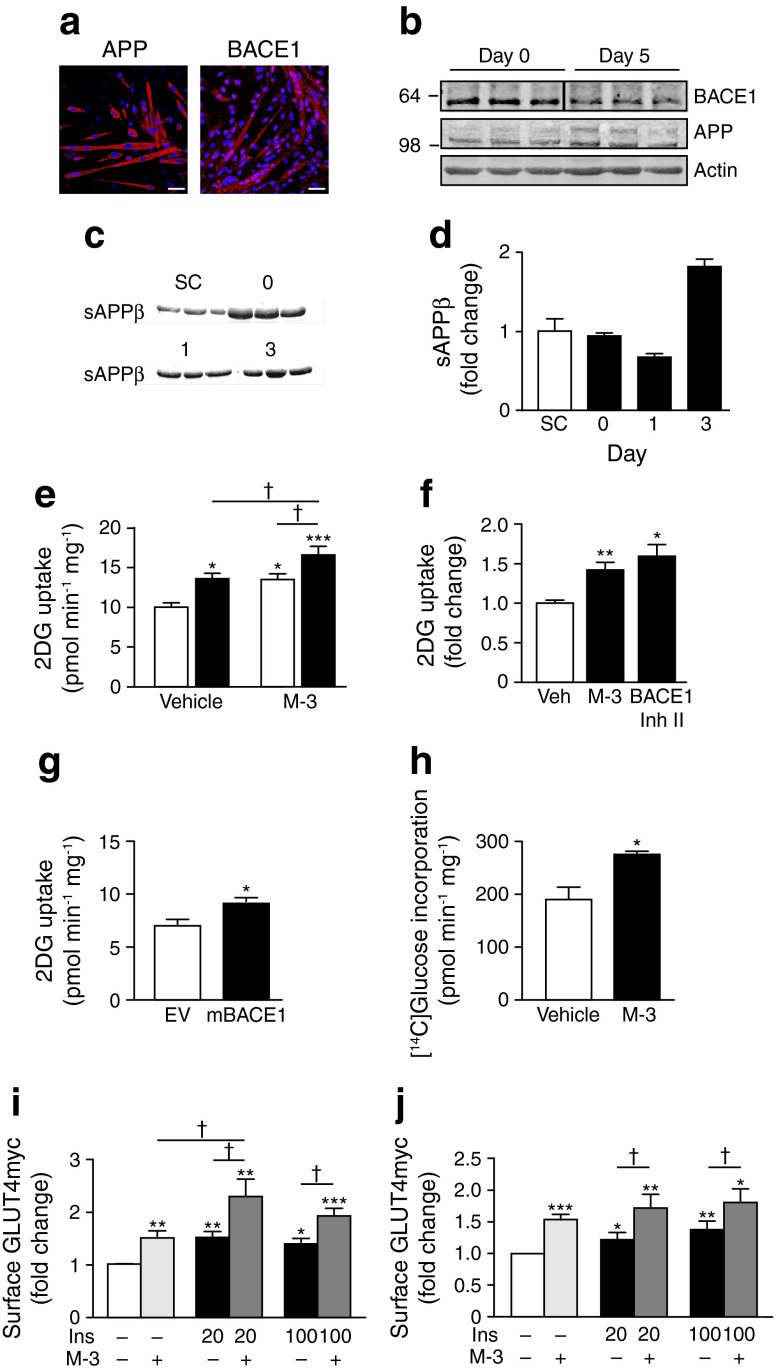
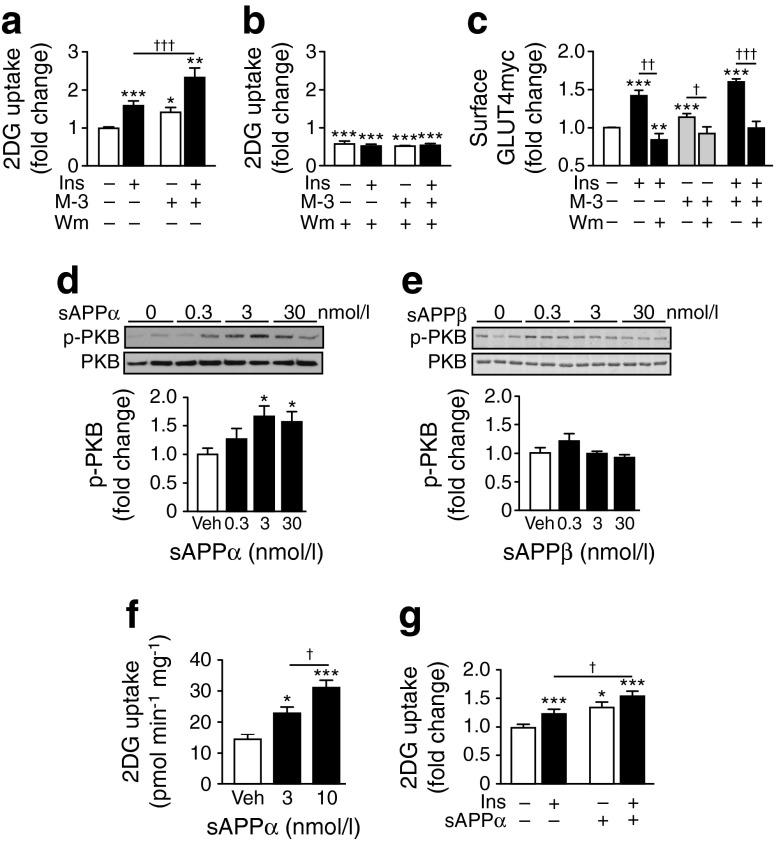
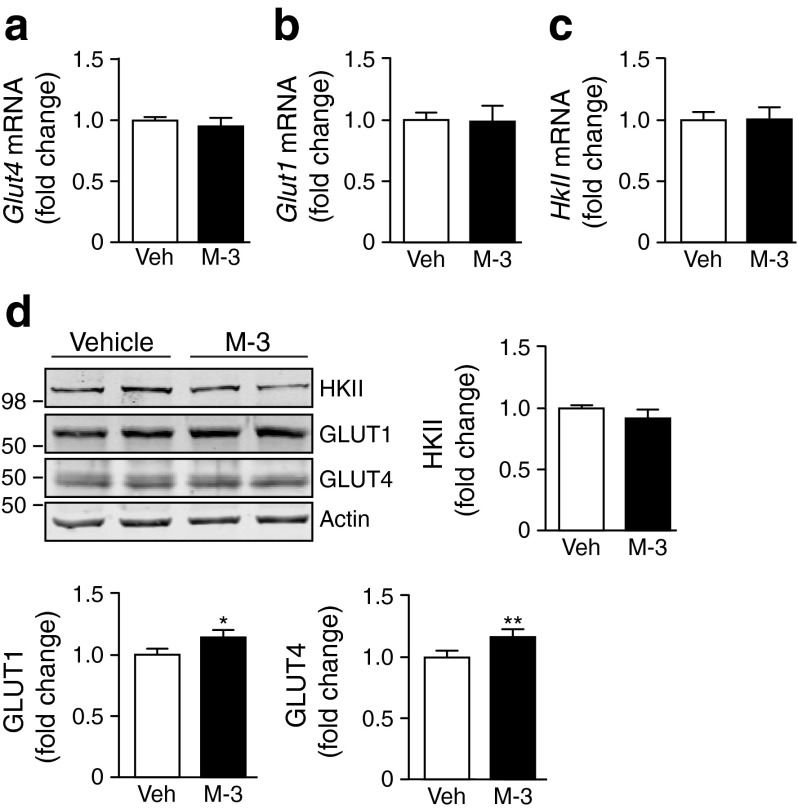
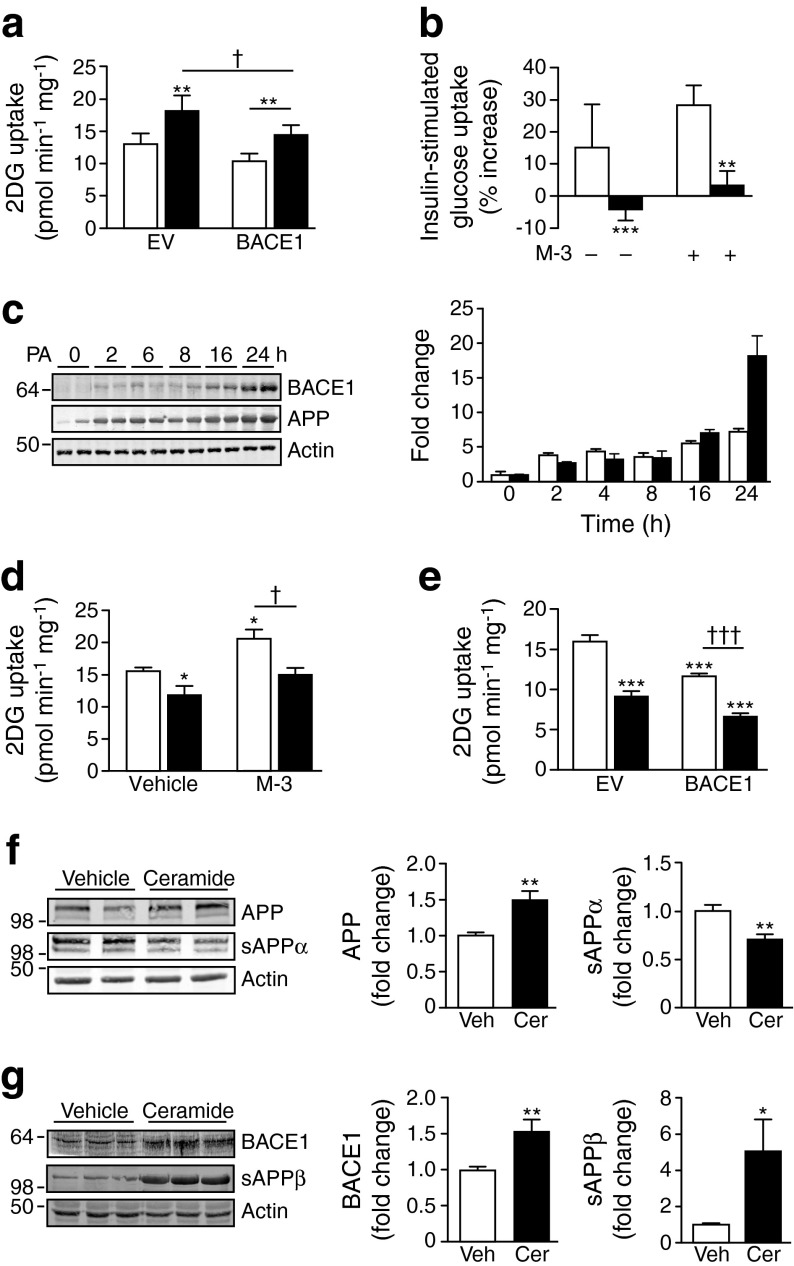
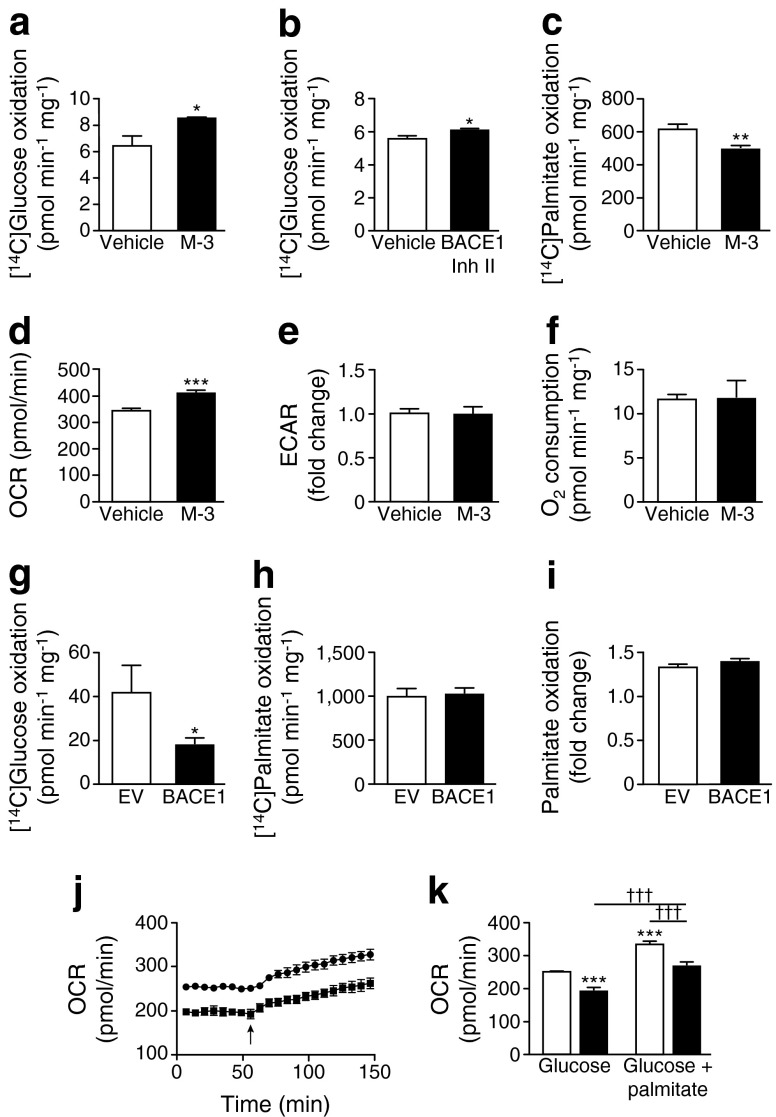
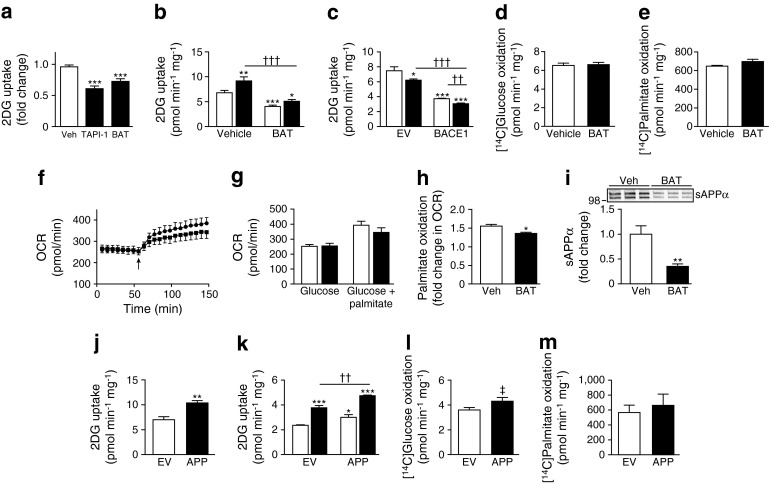
In the absence of insulin, reduction of BACE1 activity increased glucose uptake and oxidation, GLUT4myc cell surface translocation, and basal rate of oxygen consumption. In contrast, overexpressing BACE1 in C2C12 myotubes decreased glucose uptake, glucose oxidation and oxygen consumption rate. APP overexpression increased and α-secretase inhibition decreased glucose uptake in C2C12 myotubes. The increase in glucose uptake elicited by BACE1 inhibition is dependent on phosphoinositide 3-kinase (PI3K) and mimicked by soluble APPα (sAPPα).
CONCLUSIONS/INTERPRETATION: Inhibition of muscle BACE1 activity increases insulin-independent, PI3K-dependent glucose uptake and cell surface translocation of GLUT4. As APP overexpression raises basal glucose uptake, and direct application of sAPPα increases PI3K-protein kinase B signalling and glucose uptake in myotubes, we suggest that α-secretase-dependent shedding of sAPPα regulates insulin-independent glucose uptake in skeletal muscle.
目的/假设:骨骼肌中葡萄糖摄取受损是2型糖尿病患者葡萄糖不耐受的重要原因。天冬氨酸蛋白酶β-位点淀粉样前体蛋白裂解酶1(BACE1)是淀粉样前体蛋白(APP)加工的关键调节因子,可调节小鼠体内的葡萄糖代谢及胰岛素敏感性。刺激葡萄糖摄取和葡萄糖转运蛋白4(GLUT4)转位的非胰岛素依赖性途径可能为糖尿病治疗提供新的治疗途径。因此,我们研究了骨骼肌中BACE1活性通过APP加工是否能独立于胰岛素改变葡萄糖摄取和氧化。
利用骨骼肌细胞系研究BACE1和α-分泌酶抑制以及BACE1和APP过表达对葡萄糖摄取、GLUT4细胞表面转位、葡萄糖氧化和细胞呼吸的影响。
在无胰岛素情况下,降低BACE1活性可增加葡萄糖摄取和氧化、GLUT4myc细胞表面转位以及基础耗氧率。相反,在C2C12肌管中过表达BACE1可降低葡萄糖摄取、葡萄糖氧化和耗氧率。APP过表达可增加C2C12肌管中的葡萄糖摄取,而抑制α-分泌酶则降低葡萄糖摄取。BACE1抑制引起的葡萄糖摄取增加依赖于磷酸肌醇3激酶(PI3K),且可被可溶性APPα(sAPPα)模拟。
结论/解读:抑制肌肉BACE1活性可增加非胰岛素依赖性、PI3K依赖性葡萄糖摄取以及GLUT4的细胞表面转位。由于APP过表达可提高基础葡萄糖摄取,而直接应用sAPPα可增加PI3K-蛋白激酶B信号传导和肌管中的葡萄糖摄取,我们认为sAPPα的α-分泌酶依赖性裂解可调节骨骼肌中非胰岛素依赖性葡萄糖摄取。