Department of Medicine, Division of Hematology/Oncology, University of North Carolina, Chapel Hill, NC, USA.
Clin Interv Aging. 2014 May 6;9:753-62. doi: 10.2147/CIA.S39558. eCollection 2014.
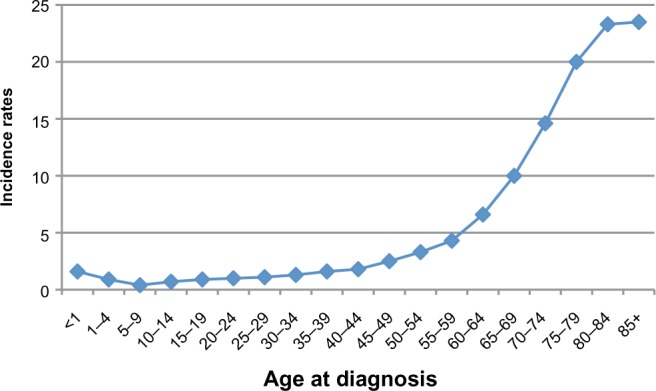
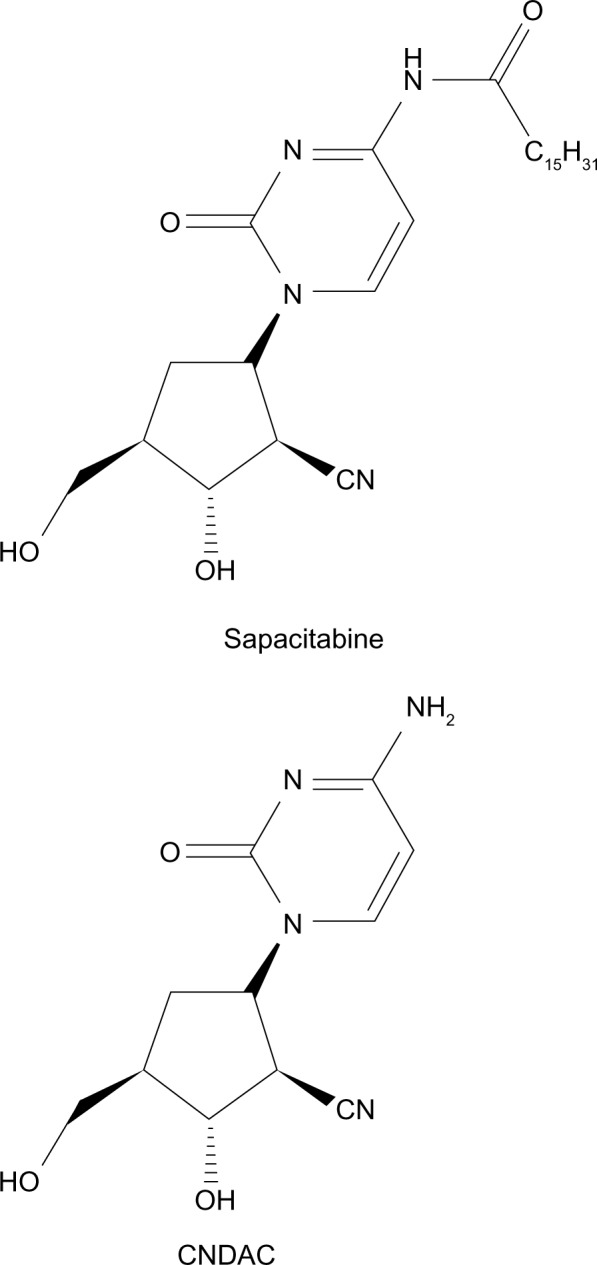
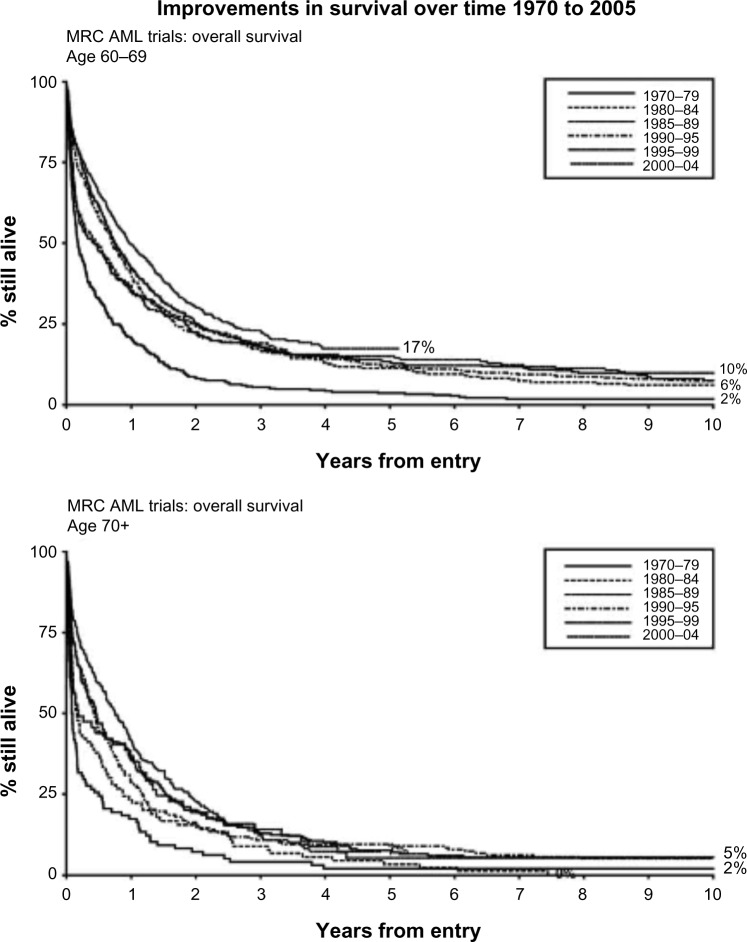
Acute myeloid leukemia (AML) is a hematopoietic stem cell disorder that affects approximately 14,000 persons each year in the US. AML occurs at all ages but the incidence increases with age with the median age at diagnosis being 67 years. Advances in the treatment of AML over the past decades have led to improved survival, albeit mostly in younger patients. The prognosis of older patients with this disease over the same time span has not changed much and remains dismal. This review focuses on the epidemiology and characteristics of AML in elderly patients, the rationale for treating elderly AML patients, and the currently available and potential future treatment options such as sapacitabine. Elderly AML patients treated with intensive chemotherapy have a higher mortality rate, and a lower rate of complete remission and overall survival when compared to the younger population. This is due to both the different biology of the disease and the number of patient-specific factors. However, elderly AML patients treated with aggressive chemotherapy can achieve durable remissions, which offer prolonged survival and improved quality of life. Recent data also indicates that elderly AML patients deemed unfit for intensive chemotherapy benefit from leukemia-specific attenuated dose chemotherapy compared to supportive care alone. This has led to renewed interest to look for anti-leukemic therapies designed specifically for older patients. Sapacitabine, a novel oral nucleoside analog, promises good efficacy, favorable toxicity profile, and ease of administration; all of which makes it very appealing. Results from pre-clinical and clinical studies have been very encouraging and sapacitabine is currently being evaluated in a Phase III study, of which the results are eagerly awaited.
急性髓细胞白血病(AML)是一种造血干细胞疾病,在美国每年约有 14000 人受到影响。AML 发生在各个年龄段,但发病率随着年龄的增长而增加,中位诊断年龄为 67 岁。过去几十年中 AML 的治疗进展导致了生存率的提高,尽管主要是在年轻患者中。在同一时期,患有这种疾病的老年患者的预后并没有太大变化,仍然很糟糕。本综述重点介绍了老年 AML 患者的流行病学和特征、治疗老年 AML 患者的理由,以及目前可用的和潜在的未来治疗选择,如 sapacitabine。与年轻人群相比,接受强化化疗的老年 AML 患者死亡率更高,完全缓解率和总生存率更低。这是由于疾病的生物学和患者特定因素的数量不同。然而,接受积极化疗治疗的老年 AML 患者可以实现持久缓解,从而提供更长的生存时间和改善的生活质量。最近的数据还表明,与单独支持治疗相比,不适合强化化疗的老年 AML 患者从针对白血病的减毒剂量化疗中获益。这导致人们重新关注寻找专为老年患者设计的抗白血病疗法。Sapacitabine 是一种新型口服核苷类似物,具有良好的疗效、有利的毒性特征和易于管理;所有这些都使其非常有吸引力。临床前和临床研究的结果非常令人鼓舞,sapacitabine 目前正在一项 III 期研究中进行评估,人们急切地等待着研究结果。