Zhou Y T, Xue Y B, Chen D, Wang Y J, Zhang B, Ma X L
Shenyang National Laboratory for Materials Science, Institute of Metal Research, Chinese Academy of Sciences, Wenhua Road 72, 110016 Shenyang, China.
Sci Rep. 2014 May 30;4:5118. doi: 10.1038/srep05118.
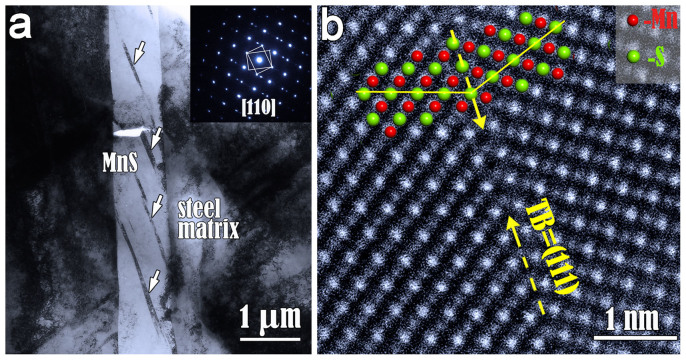
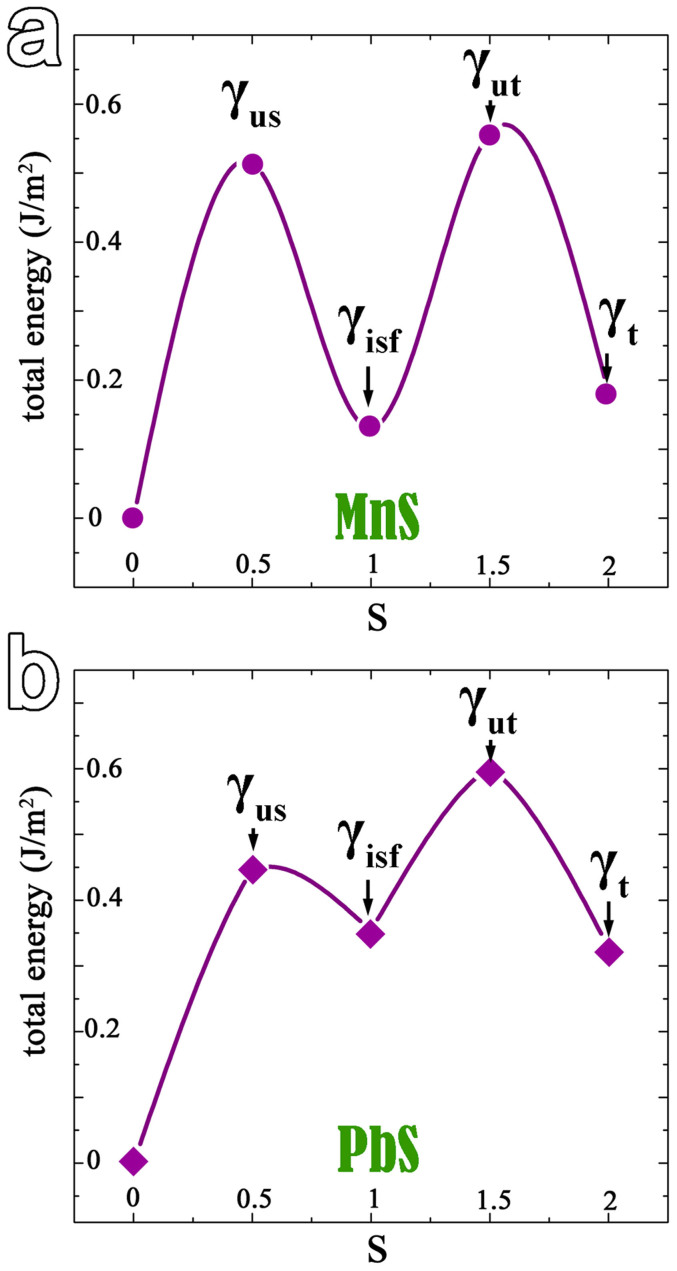
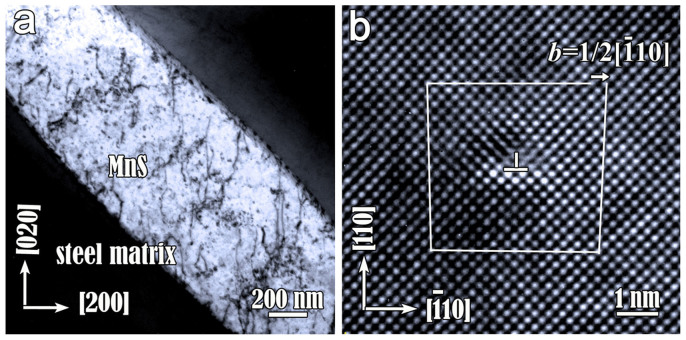
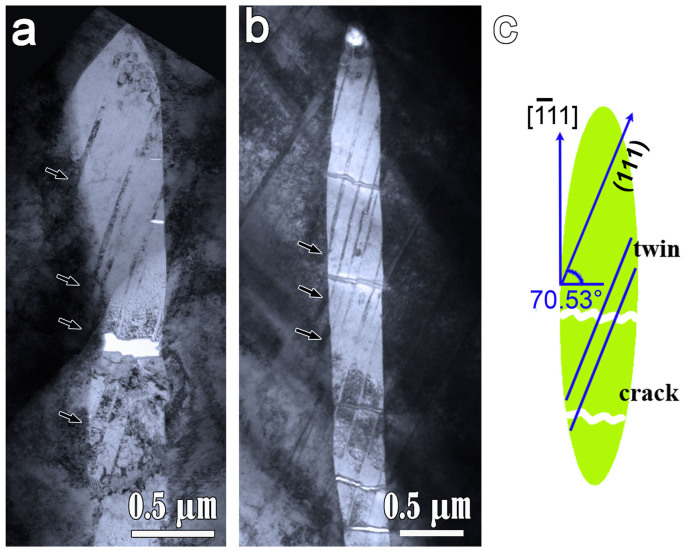
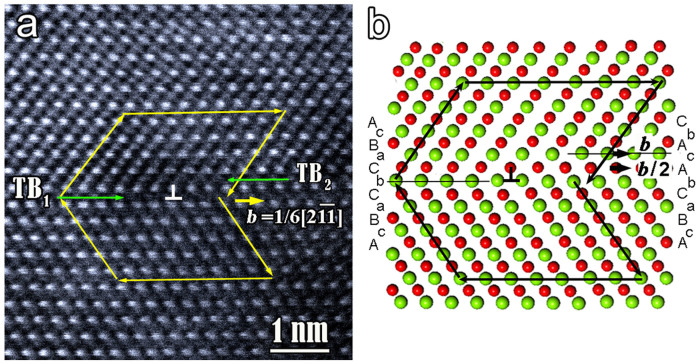
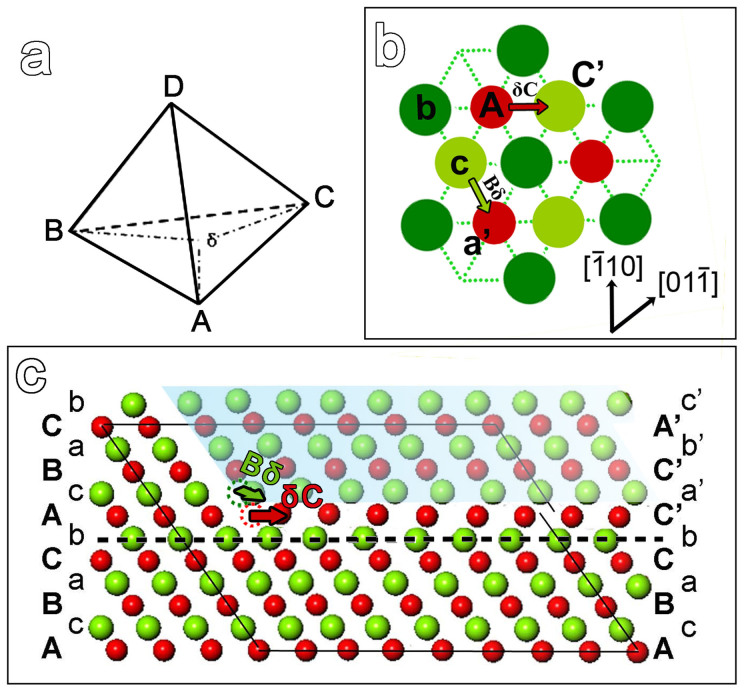
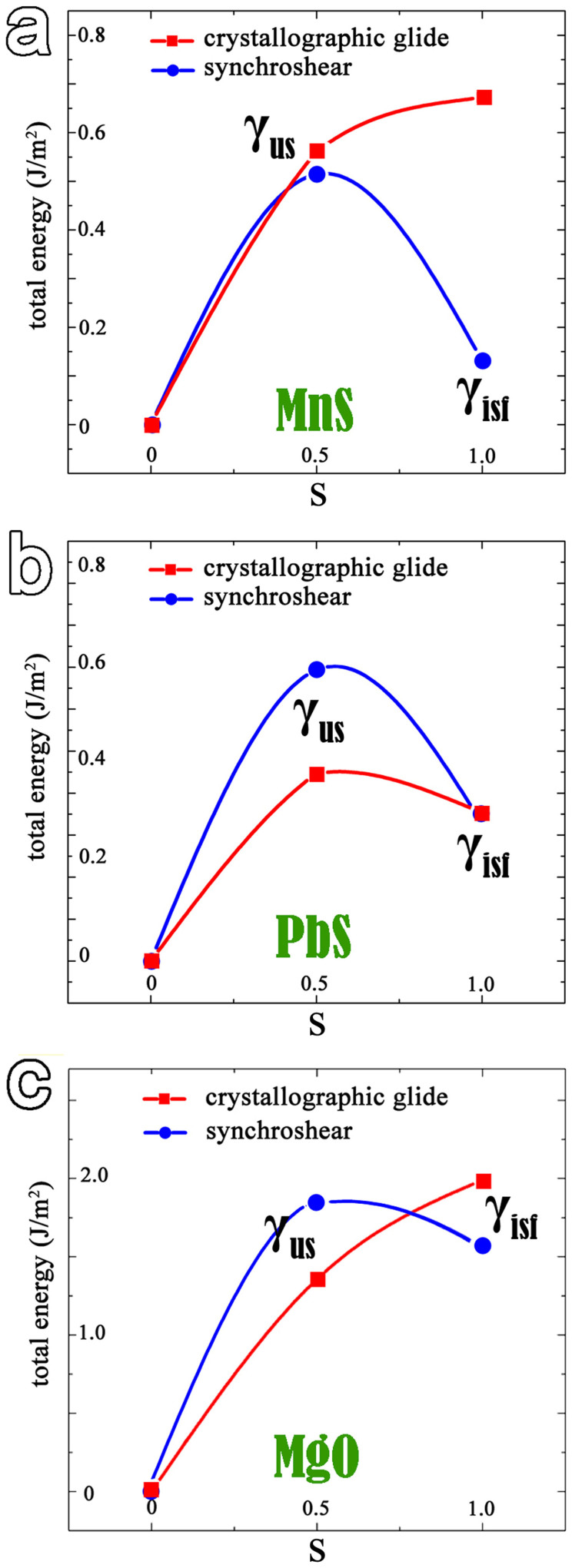
Deformation twinning was thought as impossible in ionic compounds with rock-salt structure due to the charge effect on {111} planes. Here we report the presence and formation mechanism of deformation {111} twins in the rock-salt manganese sulphide (MnS) inclusions embedded in a hot-rolled stainless steel. Based on the atomic-scale mapping under aberration-corrected scanning transmission electron microscopy, a dislocation-based mechanism involved two synchronized shear on adjacent atomic layers is proposed to describe the dislocation glide and consequently twinning formation. First-principles calculations of the energy barriers for twinning formation in MnS and comparing with that of PbS and MgO indicate the distinct dislocation glide scheme and deformation behaviors for the rock-salt compounds with different ionicities. This study may improve our understanding of the deformation mechanisms of rock-salt crystals and other ionic compounds.
由于电荷对{111}面的影响,变形孪晶被认为在具有岩盐结构的离子化合物中是不可能的。在此,我们报道了热轧不锈钢中嵌入的岩盐硫化锰(MnS)包裹体中变形{111}孪晶的存在及其形成机制。基于像差校正扫描透射电子显微镜下的原子尺度映射,提出了一种基于位错的机制,该机制涉及相邻原子层上的两个同步剪切,以描述位错滑移以及孪晶的形成。对MnS中孪晶形成的能垒进行第一性原理计算,并与PbS和MgO的能垒进行比较,结果表明具有不同离子性的岩盐化合物具有不同的位错滑移模式和变形行为。这项研究可能会增进我们对岩盐晶体和其他离子化合物变形机制的理解。