Singh Y, Port J, Schwarz M, Braeuning A
Institute of Experimental and Clinical Pharmacology and Toxicology, Department of Toxicology, University of Tuebingen, Wilhelmstrasse 56, 72074 Tuebingen, Germany.
Br J Cancer. 2014 Jul 8;111(1):132-8. doi: 10.1038/bjc.2014.275. Epub 2014 May 29.
Aberrant activation of Wnt/β-catenin has been implicated in various cancer-related processes, for example, proliferation or tumour cell survival. However, the exact mechanism by which β-catenin provides liver tumour cells with a selective advantage is still unclear. This study was aimed to analyse growth behaviour and survival of β-catenin-driven mouse liver tumours after β-catenin ablation.
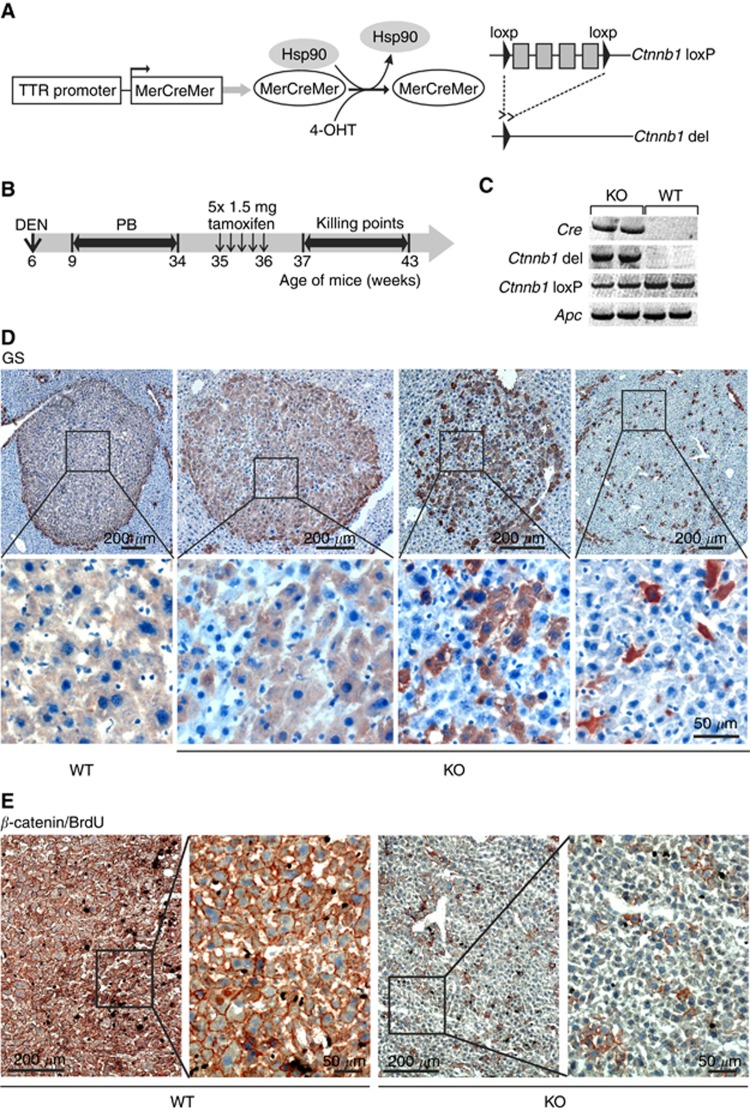
Transgenic mice with a controllable hepatocyte-specific knockout of Ctnnb1 (encoding β-catenin) were generated and liver tumours were induced by means of a N-nitrosodiethylamine/phenobarbital tumour initiation/promotion protocol, which leads to the outgrowth of hepatocellular tumours with activated β-catenin. Cre recombinase was activated and the effects of the knockout in the tumours were studied.
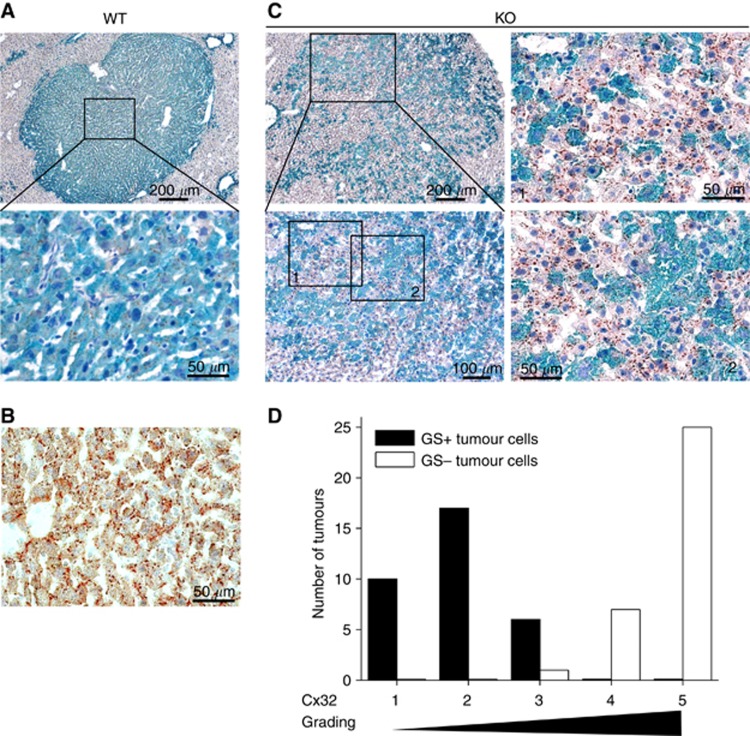
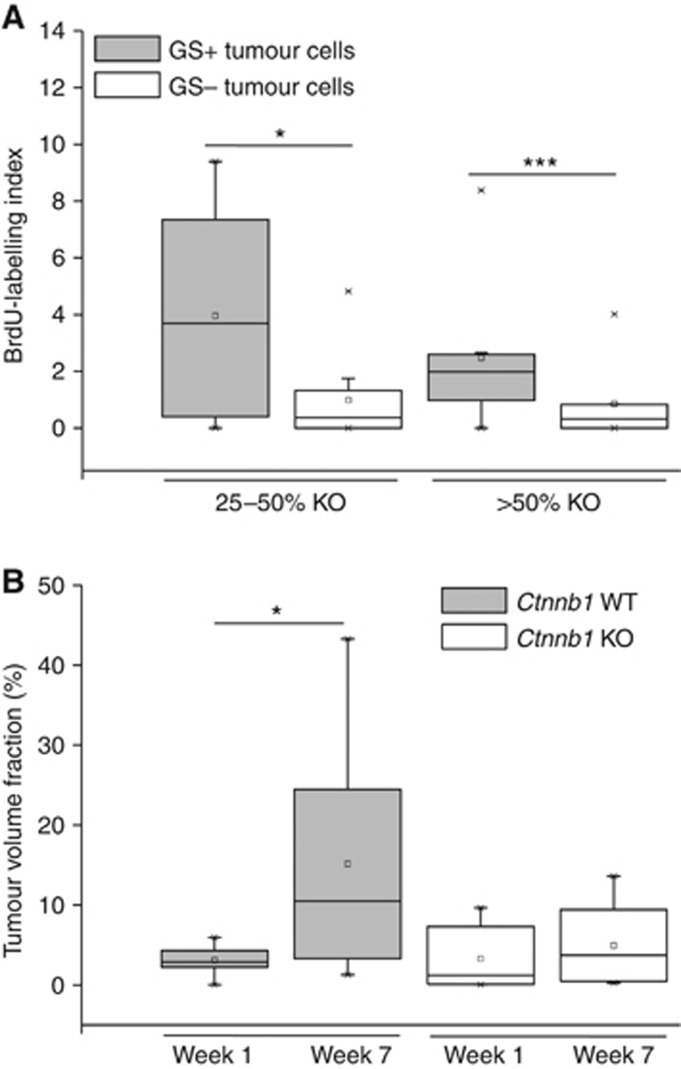
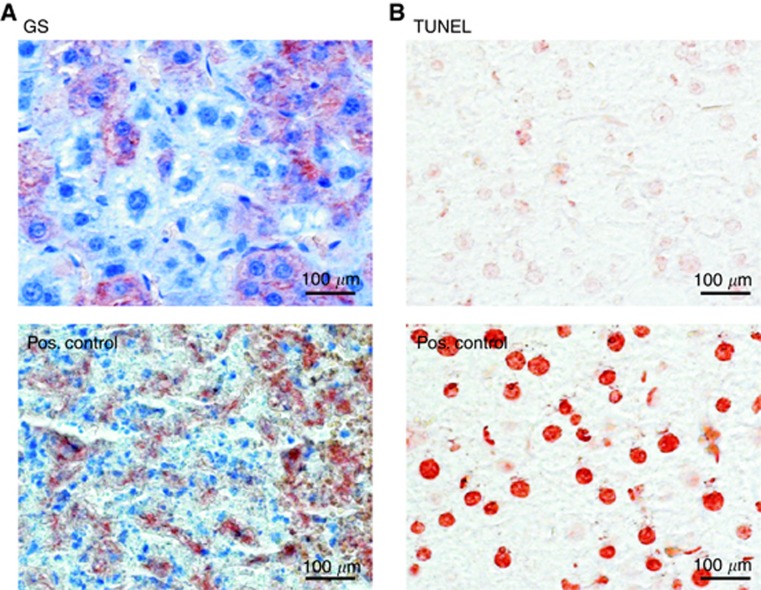
Activation of Cre recombinase led to the knockout of Ctnnb1 in a fraction of tumour cells, thus resulting in the formation of two different tumour cell subpopulations, with or without β-catenin. Comparative analysis of the two subpopulations revealed that cell proliferation was significantly decreased in Ctnnb1-deleted hepatoma cells, compared with the corresponding non-deleted cell population, whereas no increased rate of apoptosis after knockout of Ctnnb1 was observed.
β-catenin-dependent signalling is an important regulator of hepatoma cell growth in mice, but not a crucial factor in the regulation of tumour survival.
Wnt/β-连环蛋白的异常激活与多种癌症相关过程有关,例如增殖或肿瘤细胞存活。然而,β-连环蛋白赋予肝肿瘤细胞选择性优势的确切机制仍不清楚。本研究旨在分析β-连环蛋白缺失后β-连环蛋白驱动的小鼠肝肿瘤的生长行为和存活情况。
构建了具有可控性肝细胞特异性敲除Ctnnb1(编码β-连环蛋白)的转基因小鼠,并通过N-亚硝基二乙胺/苯巴比妥肿瘤启动/促进方案诱导肝肿瘤,该方案可导致β-连环蛋白激活的肝细胞肿瘤生长。激活Cre重组酶并研究肿瘤中敲除的效果。
Cre重组酶的激活导致一部分肿瘤细胞中的Ctnnb1被敲除,从而形成了两个不同的肿瘤细胞亚群,即有或没有β-连环蛋白的亚群。对这两个亚群的比较分析显示,与相应的未敲除细胞群体相比,Ctnnb1缺失的肝癌细胞中的细胞增殖显著降低,而在敲除Ctnnb1后未观察到凋亡率增加。
β-连环蛋白依赖性信号传导是小鼠肝癌细胞生长的重要调节因子,但不是肿瘤存活调节的关键因素。