• 文献检索
  • 文档翻译
  • 深度研究
  • 学术资讯
  • Suppr Zotero 插件Zotero 插件
  • 邀请有礼
  • 套餐&价格
  • 历史记录
应用&插件
Suppr Zotero 插件Zotero 插件浏览器插件Mac 客户端Windows 客户端微信小程序
定价
高级版会员购买积分包购买API积分包
服务
文献检索文档翻译深度研究API 文档MCP 服务
关于我们
关于 Suppr公司介绍联系我们用户协议隐私条款
关注我们

Suppr 超能文献

核心技术专利:CN118964589B侵权必究
粤ICP备2023148730 号-1Suppr @ 2026

文献检索

告别复杂PubMed语法,用中文像聊天一样搜索,搜遍4000万医学文献。AI智能推荐,让科研检索更轻松。

立即免费搜索

文件翻译

保留排版,准确专业,支持PDF/Word/PPT等文件格式,支持 12+语言互译。

免费翻译文档

深度研究

AI帮你快速写综述,25分钟生成高质量综述,智能提取关键信息,辅助科研写作。

立即免费体验

墨西哥坎佩切浅滩马达加斯加礁鱼类清单。

Checklist of fishes from madagascar reef, campeche bank, méxico.

作者信息

Zarco Perello Salvador, Moreno Mendoza Rigoberto, Simões Nuno

机构信息

CSIRO Ecosystem Sciences, Townsville, Australia ; Unidad Multidisciplinaria de Docencia e Investigación Sisal, Facultad de Ciencias, Universidad Nacional Autónoma de México, Sisal, Mexico.

Departamento de Biología Marina, Universidad Autónoma de Yucatán, Merida, Mexico.

出版信息

Biodivers Data J. 2014 May 8(2):e1100. doi: 10.3897/BDJ.2.e1100. eCollection 2014.

DOI:10.3897/BDJ.2.e1100
PMID:24891834
原文链接:https://pmc.ncbi.nlm.nih.gov/articles/PMC4040402/
Abstract

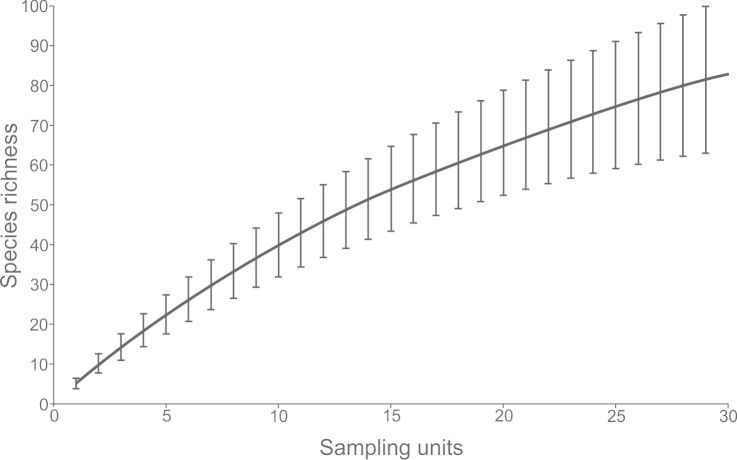
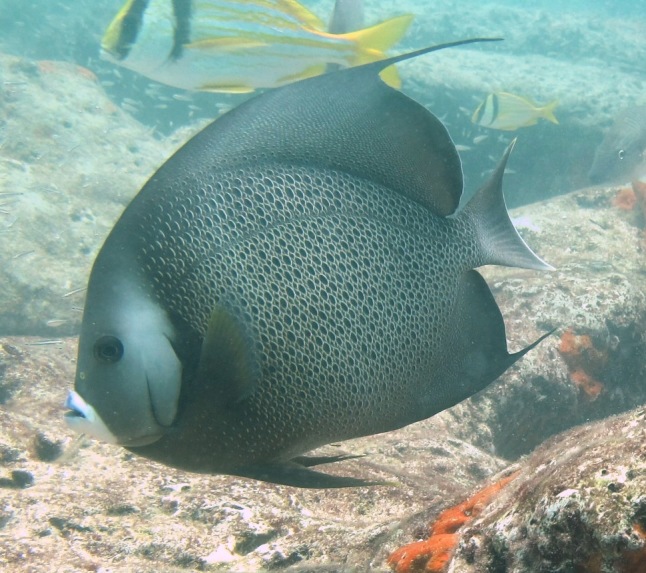
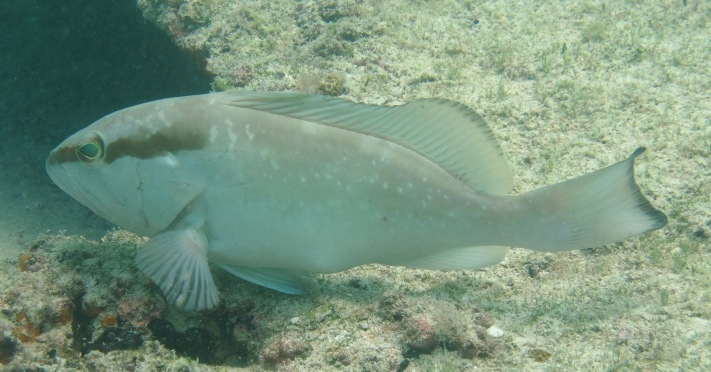
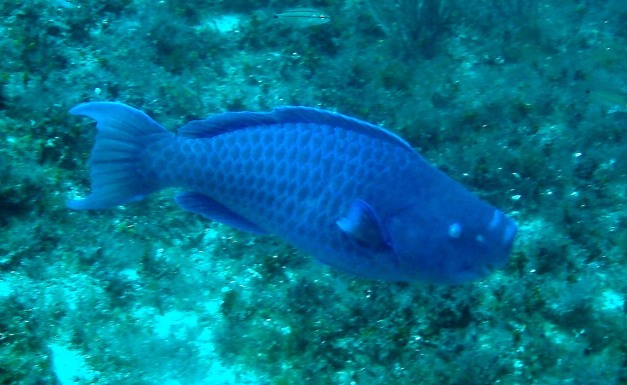
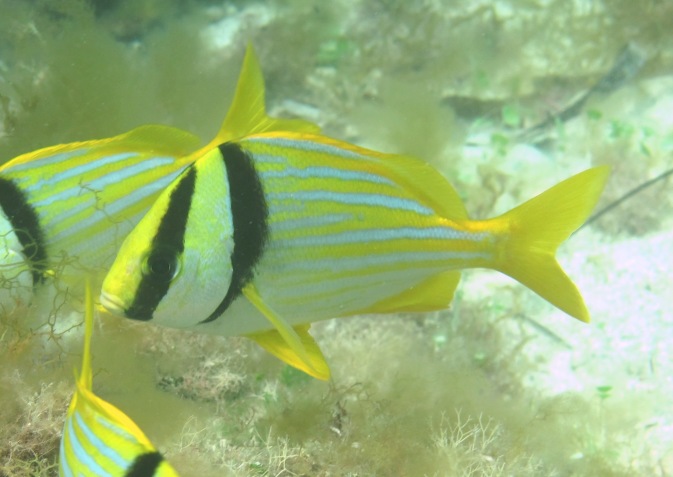
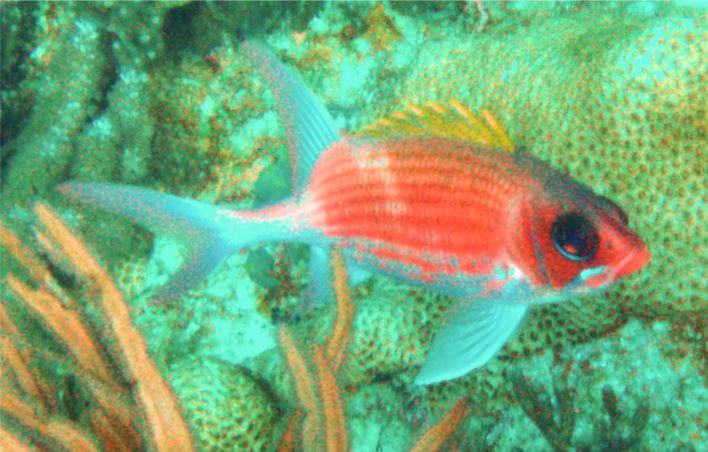
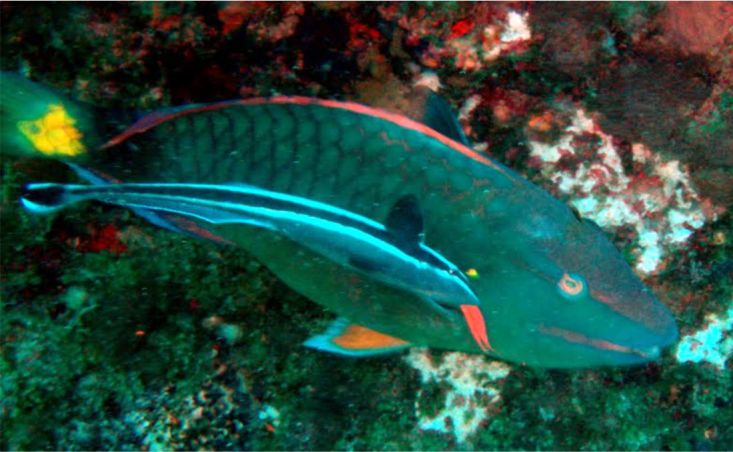
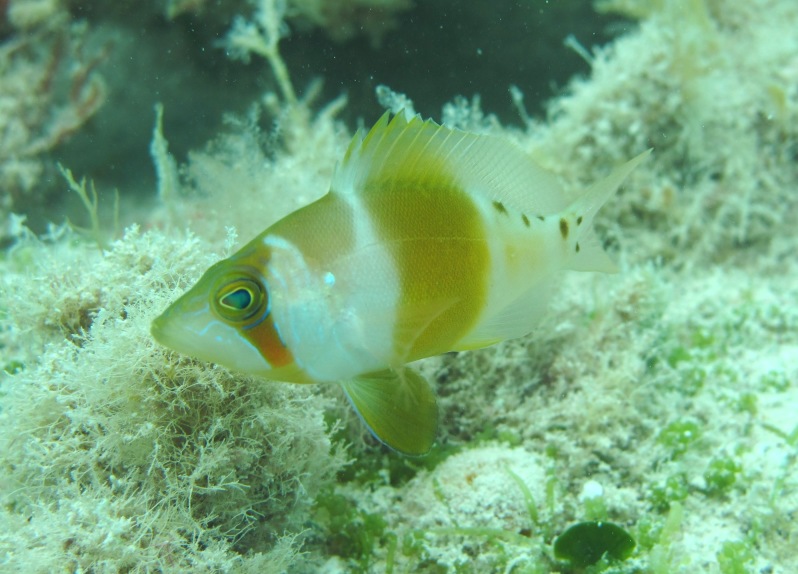
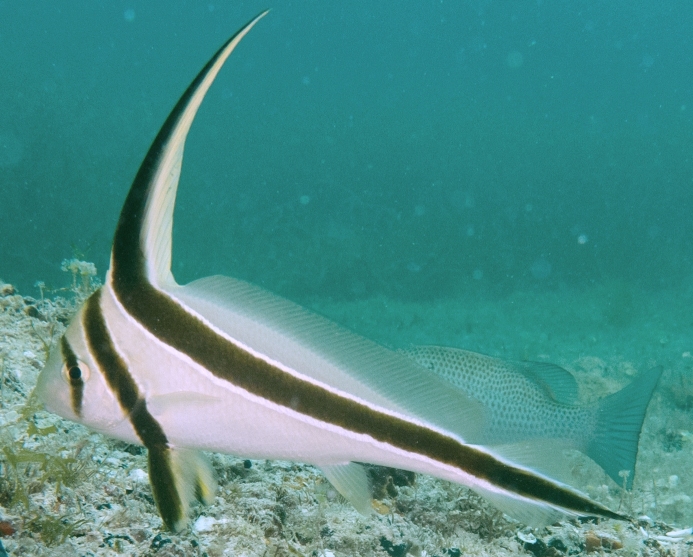
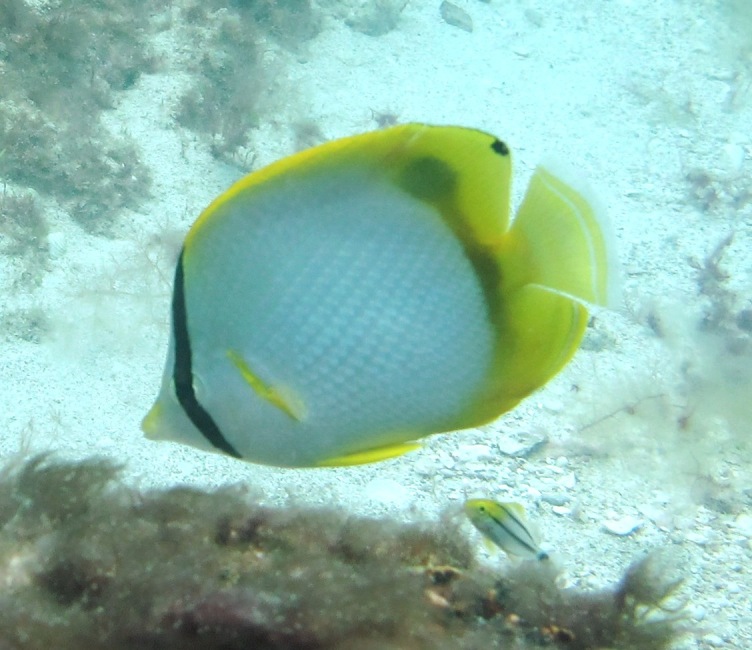
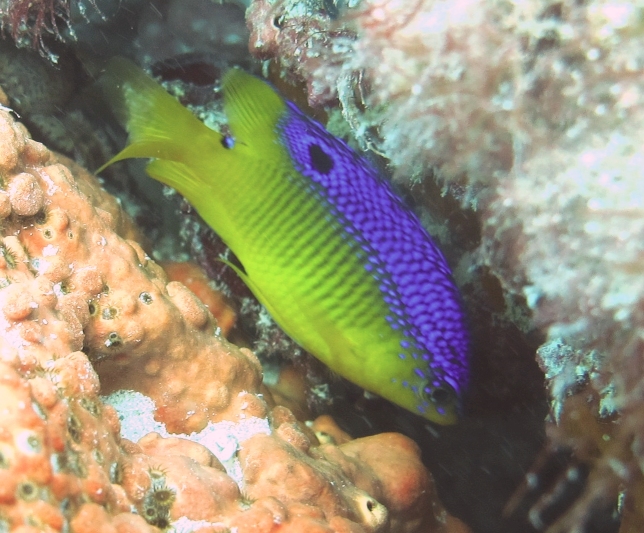
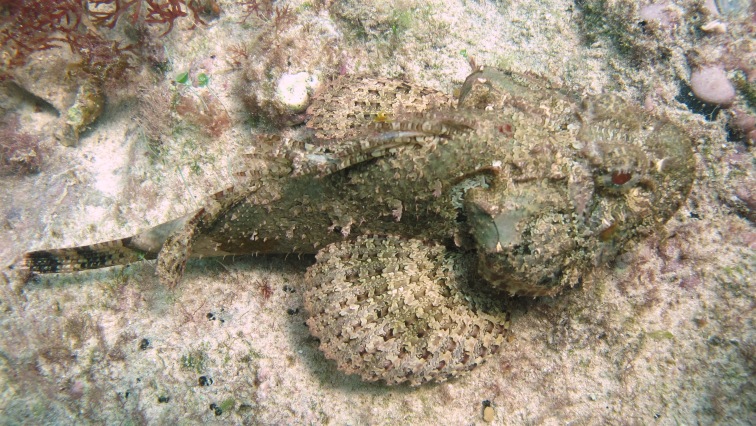
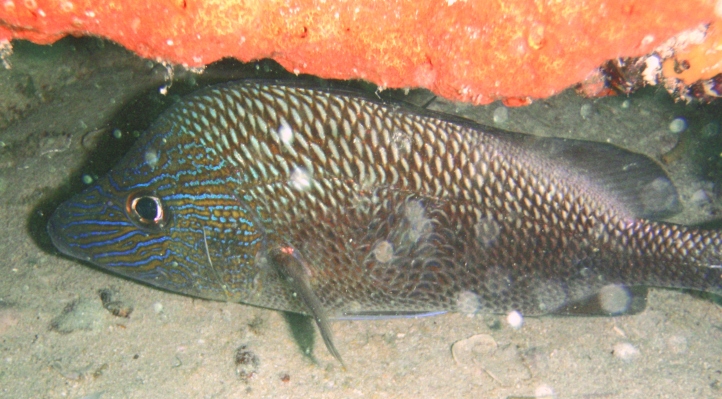
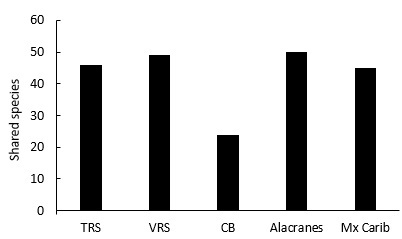
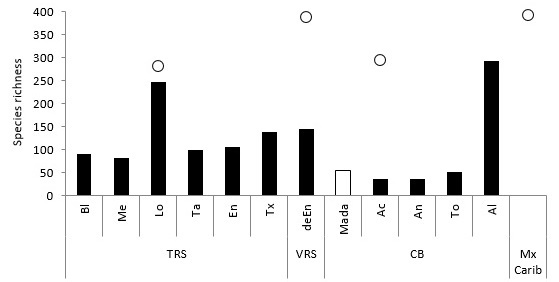
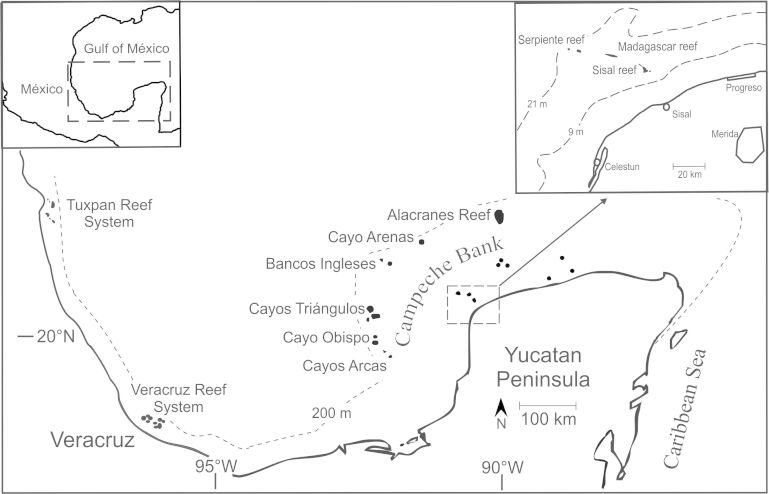
This study presents the first list of fish species from Madagascar Reef, Campeche Bank, Gulf of México. Field surveys and literature review identified 54 species belonging to 8 orders, 30 families and 43 genera, comprising both conspicuous and cryptic fishes. Species richness was lower at this reef site compared to reefs in the Mexican Caribbean, Veracruz or Tuxpan, but was similar to other reefs in the same region. Species composition was a mixture of species present in all the reef systems of the Mexican Atlantic. Hypoplectrusecosur was recorded here for the first time in the Gulf of Mexico, Mycteropercamicrolepis, Equetuslanceolatus and Chaetodipterusfaber were new records for the reefs of the Campeche Bank, Elacatinusxanthiprora was recorded for the second time in Mexico and expanded its known distribution westwards from Alacranes Reef and Sanopusreticulatus, endemic of the Yucatan state, was recorded here for the first time on a reef.

摘要

本研究列出了墨西哥湾坎佩切浅滩马达加斯加礁的首批鱼类物种清单。通过实地调查和文献综述,共识别出54种鱼类,分属于8目、30科和43属,既有显眼的鱼类,也有不易发现的鱼类。与墨西哥加勒比地区、韦拉克鲁斯或图克斯潘的珊瑚礁相比,该珊瑚礁地点的物种丰富度较低,但与同一地区的其他珊瑚礁相似。物种组成是墨西哥大西洋所有珊瑚礁系统中现有物种的混合。Hypoplectrus ecosur首次在墨西哥湾被记录到,Mycteroperca microlepis、Equetus lanceolatus和Chaetodipterus faber是坎佩切浅滩珊瑚礁的新记录,Elacatinus xanthiprora在墨西哥第二次被记录到,其已知分布范围从阿拉克兰斯礁向西扩展,尤卡坦州特有的Sanopus reticulatus首次在该珊瑚礁被记录到。
https://cdn.ncbi.nlm.nih.gov/pmc/blobs/b788/4040402/34bfd4b7a75a/biodiversity_data_journal-2-e1100-g008.jpg
https://cdn.ncbi.nlm.nih.gov/pmc/blobs/b788/4040402/502de017ad8e/biodiversity_data_journal-2-e1100-g001.jpg
https://cdn.ncbi.nlm.nih.gov/pmc/blobs/b788/4040402/16498236826b/biodiversity_data_journal-2-e1100-g002.jpg
https://cdn.ncbi.nlm.nih.gov/pmc/blobs/b788/4040402/ea63927caa15/biodiversity_data_journal-2-e1100-g003_a.jpg
https://cdn.ncbi.nlm.nih.gov/pmc/blobs/b788/4040402/3c469ff2c67e/biodiversity_data_journal-2-e1100-g003_b.jpg
https://cdn.ncbi.nlm.nih.gov/pmc/blobs/b788/4040402/d9bcf01c4d44/biodiversity_data_journal-2-e1100-g003_c.jpg
https://cdn.ncbi.nlm.nih.gov/pmc/blobs/b788/4040402/96d8aaed2369/biodiversity_data_journal-2-e1100-g003_d.jpg
https://cdn.ncbi.nlm.nih.gov/pmc/blobs/b788/4040402/084d5ac62b29/biodiversity_data_journal-2-e1100-g003_e.jpg
https://cdn.ncbi.nlm.nih.gov/pmc/blobs/b788/4040402/12e28d738992/biodiversity_data_journal-2-e1100-g003_f.jpg
https://cdn.ncbi.nlm.nih.gov/pmc/blobs/b788/4040402/24755ed228e7/biodiversity_data_journal-2-e1100-g004_a.jpg
https://cdn.ncbi.nlm.nih.gov/pmc/blobs/b788/4040402/29e45e329cb2/biodiversity_data_journal-2-e1100-g004_b.jpg
https://cdn.ncbi.nlm.nih.gov/pmc/blobs/b788/4040402/ac5aaeb092bf/biodiversity_data_journal-2-e1100-g004_c.jpg
https://cdn.ncbi.nlm.nih.gov/pmc/blobs/b788/4040402/843979499022/biodiversity_data_journal-2-e1100-g004_d.jpg
https://cdn.ncbi.nlm.nih.gov/pmc/blobs/b788/4040402/4e03476cef10/biodiversity_data_journal-2-e1100-g004_e.jpg
https://cdn.ncbi.nlm.nih.gov/pmc/blobs/b788/4040402/ecc6e0748529/biodiversity_data_journal-2-e1100-g004_f.jpg
https://cdn.ncbi.nlm.nih.gov/pmc/blobs/b788/4040402/0bc5648c2c2a/biodiversity_data_journal-2-e1100-g005_a.jpg
https://cdn.ncbi.nlm.nih.gov/pmc/blobs/b788/4040402/c99cc854753b/biodiversity_data_journal-2-e1100-g005_b.jpg
https://cdn.ncbi.nlm.nih.gov/pmc/blobs/b788/4040402/a359fe473564/biodiversity_data_journal-2-e1100-g005_c.jpg
https://cdn.ncbi.nlm.nih.gov/pmc/blobs/b788/4040402/ea3ff3ac1890/biodiversity_data_journal-2-e1100-g005_d.jpg
https://cdn.ncbi.nlm.nih.gov/pmc/blobs/b788/4040402/c4bd3e94da62/biodiversity_data_journal-2-e1100-g005_e.jpg
https://cdn.ncbi.nlm.nih.gov/pmc/blobs/b788/4040402/5e00f36d963d/biodiversity_data_journal-2-e1100-g005_f.jpg
https://cdn.ncbi.nlm.nih.gov/pmc/blobs/b788/4040402/83501ff2b139/biodiversity_data_journal-2-e1100-g006.jpg
https://cdn.ncbi.nlm.nih.gov/pmc/blobs/b788/4040402/8f5d38444324/biodiversity_data_journal-2-e1100-g007.jpg
https://cdn.ncbi.nlm.nih.gov/pmc/blobs/b788/4040402/34bfd4b7a75a/biodiversity_data_journal-2-e1100-g008.jpg
https://cdn.ncbi.nlm.nih.gov/pmc/blobs/b788/4040402/502de017ad8e/biodiversity_data_journal-2-e1100-g001.jpg
https://cdn.ncbi.nlm.nih.gov/pmc/blobs/b788/4040402/16498236826b/biodiversity_data_journal-2-e1100-g002.jpg
https://cdn.ncbi.nlm.nih.gov/pmc/blobs/b788/4040402/ea63927caa15/biodiversity_data_journal-2-e1100-g003_a.jpg
https://cdn.ncbi.nlm.nih.gov/pmc/blobs/b788/4040402/3c469ff2c67e/biodiversity_data_journal-2-e1100-g003_b.jpg
https://cdn.ncbi.nlm.nih.gov/pmc/blobs/b788/4040402/d9bcf01c4d44/biodiversity_data_journal-2-e1100-g003_c.jpg
https://cdn.ncbi.nlm.nih.gov/pmc/blobs/b788/4040402/96d8aaed2369/biodiversity_data_journal-2-e1100-g003_d.jpg
https://cdn.ncbi.nlm.nih.gov/pmc/blobs/b788/4040402/084d5ac62b29/biodiversity_data_journal-2-e1100-g003_e.jpg
https://cdn.ncbi.nlm.nih.gov/pmc/blobs/b788/4040402/12e28d738992/biodiversity_data_journal-2-e1100-g003_f.jpg
https://cdn.ncbi.nlm.nih.gov/pmc/blobs/b788/4040402/24755ed228e7/biodiversity_data_journal-2-e1100-g004_a.jpg
https://cdn.ncbi.nlm.nih.gov/pmc/blobs/b788/4040402/29e45e329cb2/biodiversity_data_journal-2-e1100-g004_b.jpg
https://cdn.ncbi.nlm.nih.gov/pmc/blobs/b788/4040402/ac5aaeb092bf/biodiversity_data_journal-2-e1100-g004_c.jpg
https://cdn.ncbi.nlm.nih.gov/pmc/blobs/b788/4040402/843979499022/biodiversity_data_journal-2-e1100-g004_d.jpg
https://cdn.ncbi.nlm.nih.gov/pmc/blobs/b788/4040402/4e03476cef10/biodiversity_data_journal-2-e1100-g004_e.jpg
https://cdn.ncbi.nlm.nih.gov/pmc/blobs/b788/4040402/ecc6e0748529/biodiversity_data_journal-2-e1100-g004_f.jpg
https://cdn.ncbi.nlm.nih.gov/pmc/blobs/b788/4040402/0bc5648c2c2a/biodiversity_data_journal-2-e1100-g005_a.jpg
https://cdn.ncbi.nlm.nih.gov/pmc/blobs/b788/4040402/c99cc854753b/biodiversity_data_journal-2-e1100-g005_b.jpg
https://cdn.ncbi.nlm.nih.gov/pmc/blobs/b788/4040402/a359fe473564/biodiversity_data_journal-2-e1100-g005_c.jpg
https://cdn.ncbi.nlm.nih.gov/pmc/blobs/b788/4040402/ea3ff3ac1890/biodiversity_data_journal-2-e1100-g005_d.jpg
https://cdn.ncbi.nlm.nih.gov/pmc/blobs/b788/4040402/c4bd3e94da62/biodiversity_data_journal-2-e1100-g005_e.jpg
https://cdn.ncbi.nlm.nih.gov/pmc/blobs/b788/4040402/5e00f36d963d/biodiversity_data_journal-2-e1100-g005_f.jpg
https://cdn.ncbi.nlm.nih.gov/pmc/blobs/b788/4040402/83501ff2b139/biodiversity_data_journal-2-e1100-g006.jpg
https://cdn.ncbi.nlm.nih.gov/pmc/blobs/b788/4040402/8f5d38444324/biodiversity_data_journal-2-e1100-g007.jpg
https://cdn.ncbi.nlm.nih.gov/pmc/blobs/b788/4040402/34bfd4b7a75a/biodiversity_data_journal-2-e1100-g008.jpg

相似文献

1
Checklist of fishes from madagascar reef, campeche bank, méxico.墨西哥坎佩切浅滩马达加斯加礁鱼类清单。
Biodivers Data J. 2014 May 8(2):e1100. doi: 10.3897/BDJ.2.e1100. eCollection 2014.
2
Reef-associated fishes from the offshore reefs of western Campeche Bank, Mexico, with a discussion of mangroves and seagrass beds as nursery habitats.来自墨西哥坎佩切银行西部近海珊瑚礁的珊瑚礁相关鱼类,并讨论了红树林和海草床作为育苗栖息地的情况。
Zookeys. 2019 May 9;843:71-115. doi: 10.3897/zookeys.843.33873. eCollection 2019.
3
The fishes of Cayo Arcas (Campeche Bank, Gulf of Mexico): an updated checklist.卡约阿尔卡斯岛(墨西哥湾坎佩切浅滩)的鱼类:一份最新清单。
Zookeys. 2016 Dec 13(640):139-155. doi: 10.3897/zookeys.640.10862. eCollection 2016.
4
A dataset on the species composition of amphipods (Crustacea) in a Mexican marine national park: Alacranes Reef, Yucatan.墨西哥海洋国家公园(尤卡坦州阿拉克兰斯礁)中十足目动物(甲壳纲)物种组成的数据集。
Biodivers Data J. 2018 Jan 25(6):e22622. doi: 10.3897/BDJ.6.e22622. eCollection 2018.
5
Hydroids (Cnidaria, Hydrozoa) from Mauritanian Coral Mounds.来自毛里塔尼亚珊瑚丘的水螅虫纲动物(刺胞动物门,水螅虫纲)。
Zootaxa. 2020 Nov 16;4878(3):zootaxa.4878.3.2. doi: 10.11646/zootaxa.4878.3.2.
6
Sea anemones (Cnidaria, Anthozoa, Actiniaria) from coral reefs in the southern Gulf of Mexico.来自墨西哥湾南部珊瑚礁的海葵(刺胞动物门,珊瑚纲,海葵目)。
Zookeys. 2013 Oct 8(341):77-106. doi: 10.3897/zookeys.341.5816. eCollection 2013.
7
Chitons (Mollusca, Polyplacophora) from Alacranes Reef, Yucatan, Mexico.来自墨西哥尤卡坦半岛阿拉克兰斯礁的石鳖(软体动物门,多板纲)
Zookeys. 2017 Apr 3(665):1-36. doi: 10.3897/zookeys.665.10476. eCollection 2017.
8
[Fishes of the Cabo Pulmo reef, Gulf of California, Mexico: systematic list and aspects of abundance and biogeography].[墨西哥加利福尼亚湾卡沃普尔莫礁的鱼类:系统名录及丰度和生物地理学方面]
Rev Biol Trop. 2000 Jun-Sep;48(2-3):413-24.
9
Spawning aggregations of three protogynous groupers in the southern Gulf of Mexico.在墨西哥湾南部,三种雌雄同体石斑鱼的产卵聚集现象。
J Fish Biol. 2015 Jan;86(1):162-85. doi: 10.1111/jfb.12555.
10
Checklist and analysis of completeness of the reef fish fauna of the Revillagigedo Archipelago, Mexico.墨西哥雷维利亚希赫多群岛珊瑚礁鱼类区系完整性清单及分析
Zootaxa. 2016 Aug 15;4150(4):436-66. doi: 10.11646/zootaxa.4150.4.4.

引用本文的文献

1
Reef-associated fishes from the offshore reefs of western Campeche Bank, Mexico, with a discussion of mangroves and seagrass beds as nursery habitats.来自墨西哥坎佩切银行西部近海珊瑚礁的珊瑚礁相关鱼类,并讨论了红树林和海草床作为育苗栖息地的情况。
Zookeys. 2019 May 9;843:71-115. doi: 10.3897/zookeys.843.33873. eCollection 2019.
2
Ordinary kriging vs inverse distance weighting: spatial interpolation of the sessile community of Madagascar reef, Gulf of Mexico.普通克里金法与反距离加权法:墨西哥湾马达加斯加礁固着生物群落的空间插值
PeerJ. 2017 Nov 30;5:e4078. doi: 10.7717/peerj.4078. eCollection 2017.
3
The fishes of Cayo Arcas (Campeche Bank, Gulf of Mexico): an updated checklist.

本文引用的文献

1
Sea anemones (Cnidaria, Anthozoa, Actiniaria) from coral reefs in the southern Gulf of Mexico.来自墨西哥湾南部珊瑚礁的海葵(刺胞动物门,珊瑚纲,海葵目)。
Zookeys. 2013 Oct 8(341):77-106. doi: 10.3897/zookeys.341.5816. eCollection 2013.
2
Sleeping functional group drives coral-reef recovery.睡眠功能群推动珊瑚礁恢复。
Curr Biol. 2006 Dec 19;16(24):2434-9. doi: 10.1016/j.cub.2006.10.030.
卡约阿尔卡斯岛(墨西哥湾坎佩切浅滩)的鱼类:一份最新清单。
Zookeys. 2016 Dec 13(640):139-155. doi: 10.3897/zookeys.640.10862. eCollection 2016.