Mohammedi Kamel, Abi Khalil Charbel, Olivier Sophie, Benabad Imane, Roussel Ronan, Marre Michel
Assistance Publique Hôpitaux de Paris Bichat Hospital, Department of Diabetology, Endocrinology and Nutrition 46 rue Henri Huchard75877, Paris Cedex 18 France.
Endocrinol Diabetes Metab Case Rep. 2014;2014:140026. doi: 10.1530/EDM-14-0026. Epub 2014 May 1.
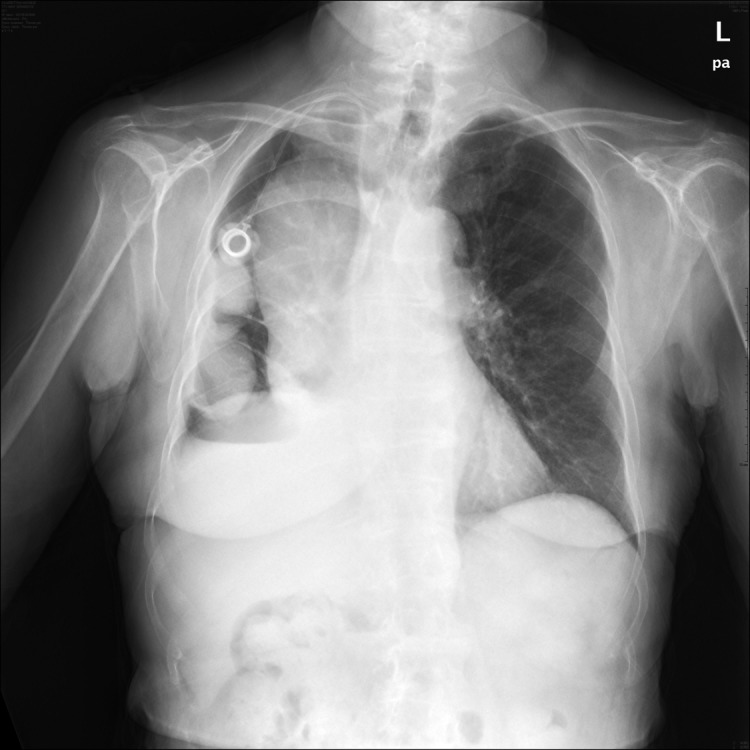
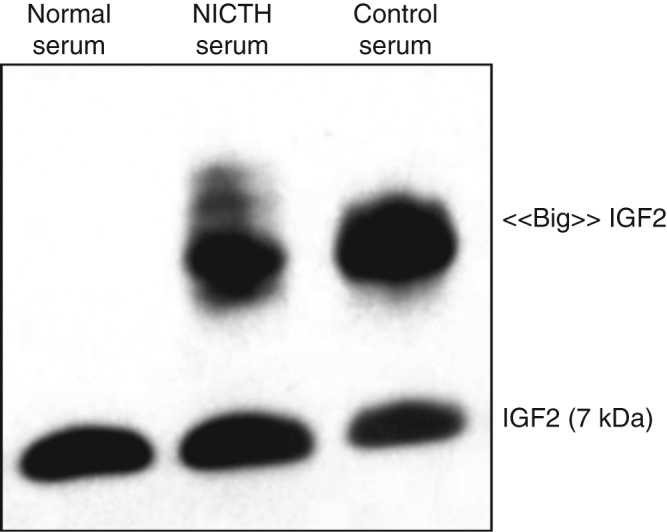
Hypoglycemia is a common medical emergency. It is the most frequent complication induced by anti-diabetic treatment. However, it can be observed in other conditions unrelated to diabetes such as insulinoma, autoimmune disorders, and neoplasia. Herein, we report the case of a rare cause of severe and recurrent hypoglycemia in a 77-year-old woman with a malignant solitary fibrous tumor (MSFT). A 77-year-old woman was admitted to the emergency department for loss of consciousness induced by severe hypoglycemia. Her standard laboratory findings were unremarkable. HbA1c, albumin, renal, liver, thyroid, and adrenal function tests were normal. Cerebral CT scan was also normal. At the time of confirmed hypoglycemia, the serum level of insulin and C-peptide was low. On the basis of the past medical history and the absence of other comment etiologies, a paraneoplastic cause was suspected. Thus, the diagnosis of a non-islet cell tumor-induced hypoglycemia (NICTH) was established by the presence of incompletely processed precursors of IGF2 (big IGF2) in plasma electrophoresis. However, the IGF1 level was low. Therapy with corticosteroids improved hypoglycemia and clinical symptoms. NICTH is a rare cause of hypoglycemia. It should be considered in patients with mesenchymal or malignant epithelial tumors suffering from recurrent episodes of hypoglycemia. The diagnosis will be established in the case of low serum insulin concentrations and elevated levels of big IGF2. Treatment with corticosteroids, GH, or both can improve hypoglycemic symptoms and restore plasma glucose to normal levels.
NICTH is a very rare condition that should be considered in patients known to have mesenchymal or malignant epithelial tumors and suffering from recurrent episodes of hypoglycemia.The diagnosis of an NICTH is established on the basis of the hypoinsulinemic hypoglycemia, the MSFT history, and the presence of paraneoplastic secretion of IGF1 or an immature form of IGF2.Treatment with corticosteroids, GH, or both can improve hypoglycemic symptoms and restore plasma glucose to normal levels in NICTH.
低血糖是一种常见的医疗急症。它是抗糖尿病治疗引起的最常见并发症。然而,在与糖尿病无关的其他情况下也可观察到,如胰岛素瘤、自身免疫性疾病和肿瘤形成。在此,我们报告一例77岁患有恶性孤立性纤维瘤(MSFT)的女性严重复发性低血糖的罕见病因。一名77岁女性因严重低血糖导致意识丧失被收入急诊科。她的标准实验室检查结果无异常。糖化血红蛋白、白蛋白、肾、肝、甲状腺和肾上腺功能检查均正常。脑部CT扫描也正常。在确诊低血糖时,胰岛素和C肽的血清水平较低。根据既往病史以及不存在其他明显病因,怀疑是副肿瘤性病因。因此,通过血浆电泳中存在未完全加工的IGF2前体(大IGF2)确诊为非胰岛细胞瘤所致低血糖(NICTH)。然而,IGF1水平较低。皮质类固醇治疗改善了低血糖和临床症状。NICTH是低血糖的罕见病因。对于患有间质性或恶性上皮性肿瘤且反复发生低血糖的患者应考虑此病。血清胰岛素浓度低且大IGF2水平升高时可确诊。使用皮质类固醇、生长激素或两者联合治疗可改善低血糖症状并使血糖恢复正常水平。
NICTH是一种非常罕见的疾病,对于已知患有间质性或恶性上皮性肿瘤且反复发生低血糖的患者应考虑此病。NICTH的诊断基于低胰岛素性低血糖、MSFT病史以及IGF1或未成熟形式的IGF2的副肿瘤性分泌。使用皮质类固醇、生长激素或两者联合治疗可改善NICTH患者的低血糖症状并使血糖恢复正常水平。