Al Mohammed I, Abaalkhail Faisal A, Bahili Hamad Al, Abdo Almoutaz Hashim, Elsiesy Hussein A, Al Mohammed S, El Sheikh Yasser M, Hegab Bassem S, Kamel Yasser M, AlGoufi Talal T, Hasssan Hazem H, Burdelski Martin M, Al Mohammad A, Abdelfattah Mohamed R, Attallah Khaled M, Mahmood Talat Z, Saleh Yahya Z, Eldeen Firas Zahr, Broering Dieter C
Prof. Mohammed Al Sebayel, Department of Liver and Small Bowel Transplantation and Hepatobiliary Surgery,, King Faisal Specialist Hospital and Research Centre, T: +966114424818, F: +966114424817,
Ann Saudi Med. 2014 Mar-Apr;34(2):103-6. doi: 10.5144/0256-4947.2014.103.
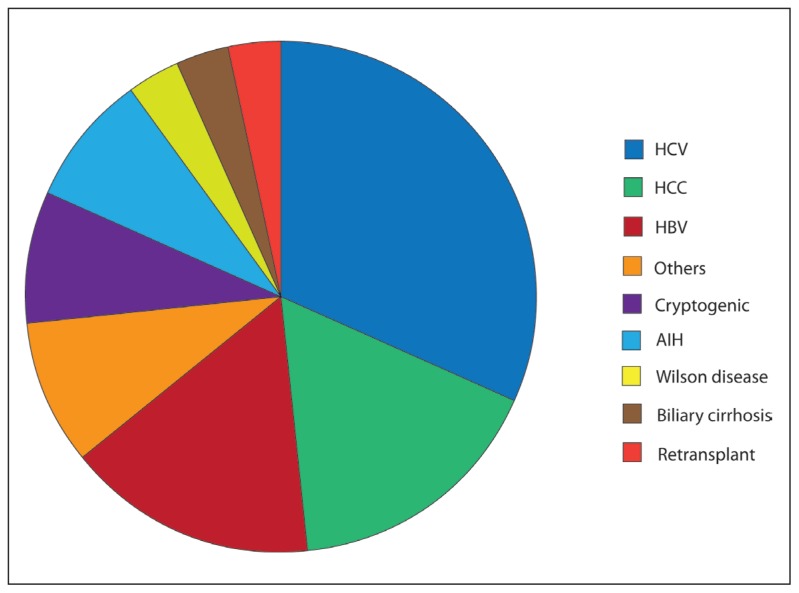
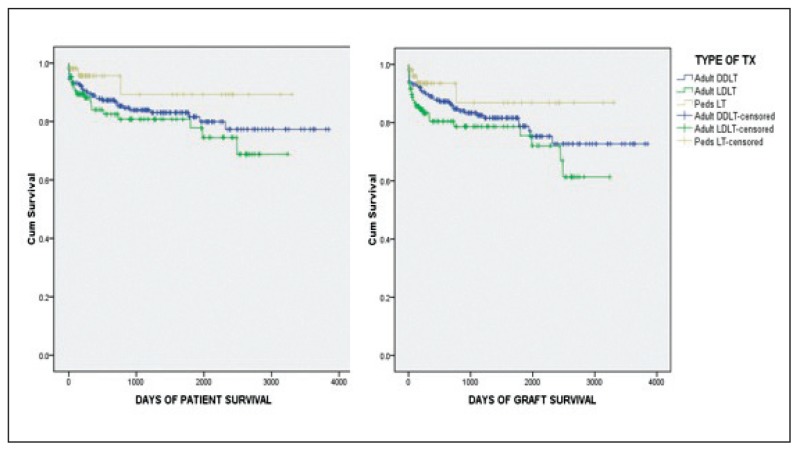
The liver transplantation program at KFSHRC has been active since 2001. More than 450 liver transplants have been performed so far. The program evolved from adult cadaveric transplant to living donor and recently to pediatric and split techniques. The 1-year survival of patients for both pediatric and adult exceeded 90% and the 5-year survival of patients is more than 80%. Associated with this success are challenges that include: organ shortage, quality of organ harvested, inability to meet the growing national need, increased demand of resource to meet the need of the program, and lack of a collaborative national strategy in organ donation and transplantation.
自2001年以来,沙特国王法赫德专科医院和研究中心的肝移植项目一直在积极开展。到目前为止,已经进行了450多例肝移植手术。该项目从成人尸体移植发展到活体供体移植,最近又发展到儿科和劈离技术。儿科和成人患者的1年生存率均超过90%,5年生存率超过80%。与这一成功相伴的是一些挑战,包括:器官短缺、获取器官的质量、无法满足国家日益增长的需求、满足该项目需求的资源需求增加,以及缺乏器官捐赠和移植方面的全国性合作战略。