Shichiri Mototada
Health Research Institute, National Institute of Advanced Industrial Science and Technology (AIST), 1-8-31 Midorigaoka, Ikeda, Osaka 563-8577, Japan.
J Clin Biochem Nutr. 2014 May;54(3):151-60. doi: 10.3164/jcbn.14-10. Epub 2014 Apr 9.
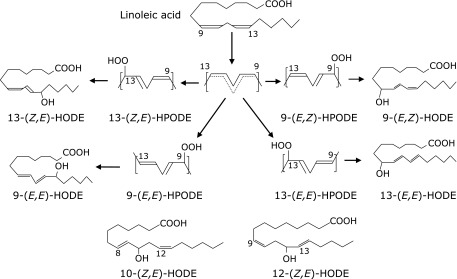
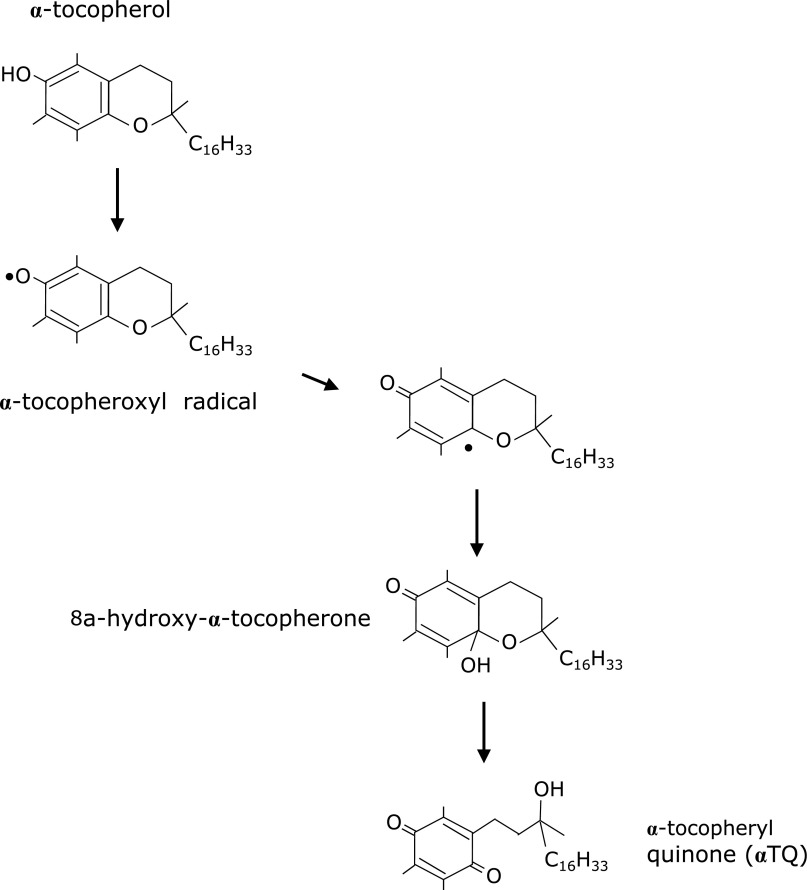
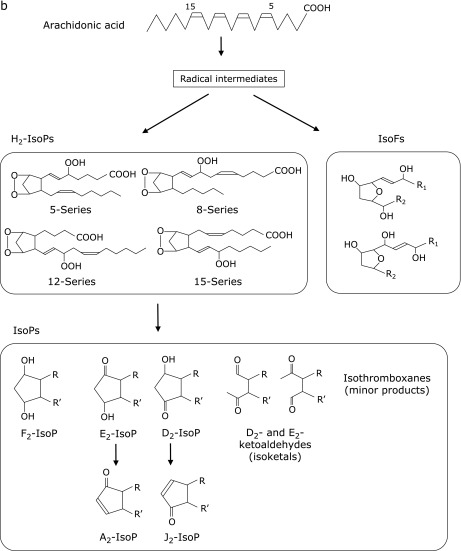
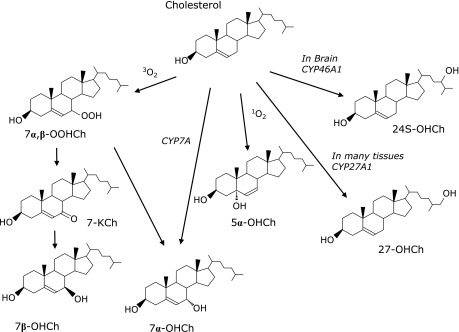
There has been much evidence demonstrating the involvement of oxidative stress in the pathology of neurological disorders. Moreover, the vulnerability of the central nervous system to reactive oxygen species mediated injury is well established since neurons consume large amounts of oxygen, the brain has many areas containing high iron content, and neuronal mitochondria generate large amounts of hydrogen peroxide. Furthermore, neuronal membranes are rich in polyunsaturated fatty acids, which are particularly susceptible to oxidative stress. Recently, the biological roles of products produced by lipid peroxidation have received much attention, not only for their pathological mechanisms associated with neurological disorders, but also for their practical clinical applications as biomarkers. Here, we discuss the production mechanisms of reactive oxygen species in some neurological disorders, including Alzheimer's disease, Down syndrome, Parkinson's disease, and stroke. We also describe lipid peroxidation biomarkers for evaluating oxidative stress.
有大量证据表明氧化应激参与了神经疾病的病理过程。此外,中枢神经系统易受活性氧介导的损伤这一点已得到充分证实,因为神经元消耗大量氧气,大脑中有许多高铁含量区域,且神经元线粒体产生大量过氧化氢。此外,神经元膜富含多不饱和脂肪酸,这些脂肪酸特别容易受到氧化应激的影响。最近,脂质过氧化产物的生物学作用受到了广泛关注,这不仅是因为它们与神经疾病相关的病理机制,还因为它们作为生物标志物的实际临床应用。在这里,我们讨论了一些神经疾病中活性氧的产生机制,包括阿尔茨海默病、唐氏综合征、帕金森病和中风。我们还描述了用于评估氧化应激的脂质过氧化生物标志物。