Nguyen Thuy-Vi V, Shen Lin, Vander Griend Lilith, Quach Lisa N, Belichenko Nadia P, Saw Nay, Yang Tao, Shamloo Mehrdad, Wyss-Coray Tony, Massa Stephen M, Longo Frank M
Department of Neurology and Neurological Sciences, Stanford University, Palo Alto, CA, USA.
Department of Neurosurgery, Stanford University, Palo Alto, CA, USA.
J Alzheimers Dis. 2014;42(2):459-83. doi: 10.3233/JAD-140036.
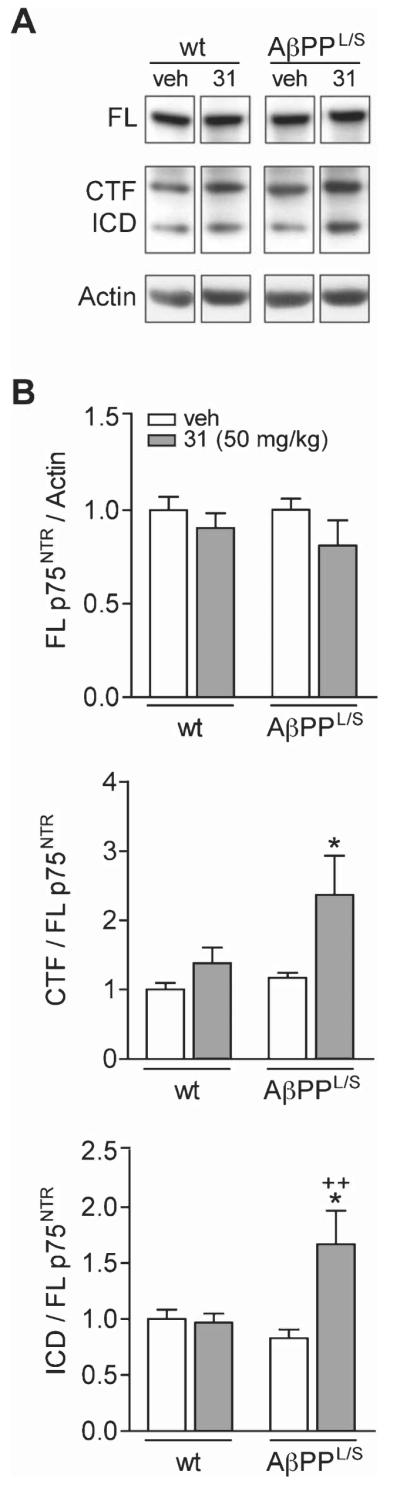
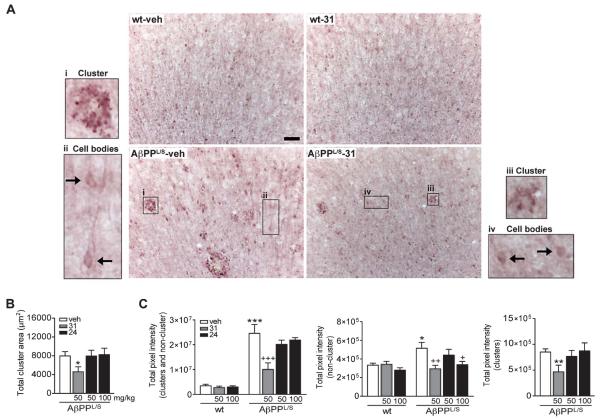
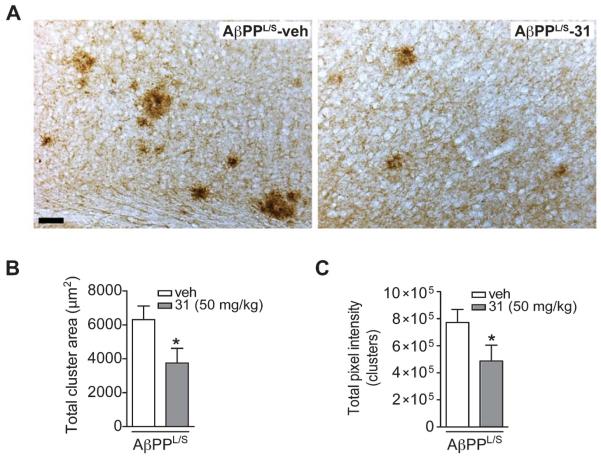
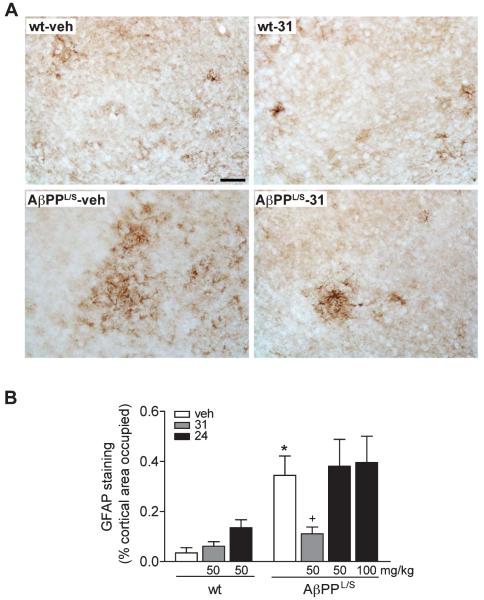
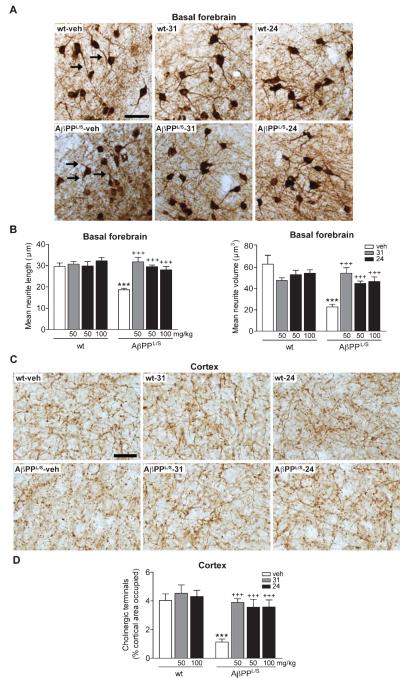
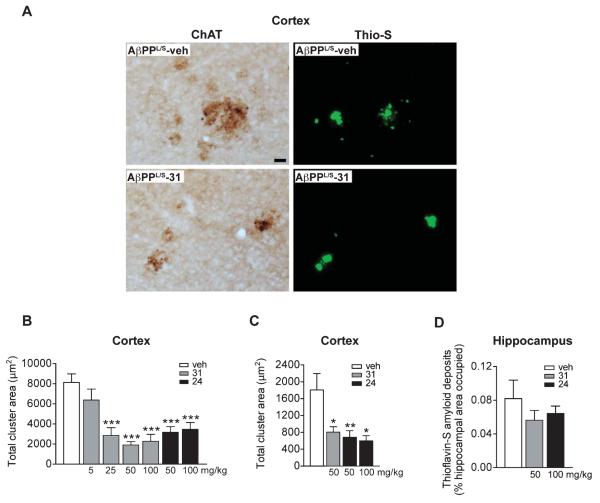
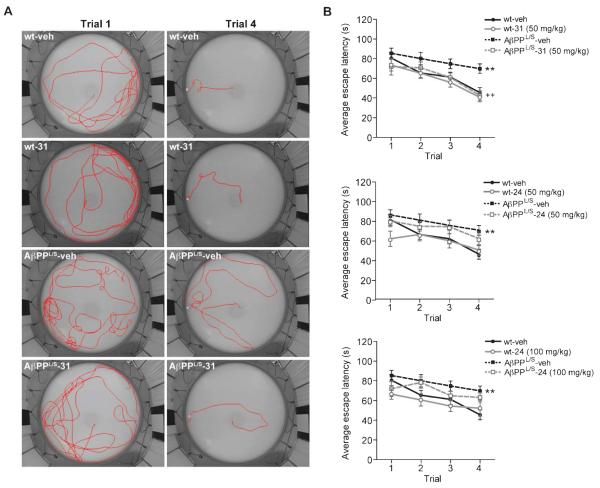
The p75 neurotrophin receptor (p75NTR) is involved in degenerative mechanisms related to Alzheimer's disease (AD). In addition, p75NTR levels are increased in AD and the receptor is expressed by neurons that are particularly vulnerable in the disease. Therefore, modulating p75NTR function may be a significant disease-modifying treatment approach. Prior studies indicated that the non-peptide, small molecule p75NTR ligands LM11A-31, and chemically unrelated LM11A-24, could block amyloid-β-induced deleterious signaling and neurodegeneration in vitro, and LM11A-31 was found to mitigate neuritic degeneration and behavioral deficits in a mouse model of AD. In this study, we determined whether these in vivo findings represent class effects of p75NTR ligands by examining LM11A-24 effects. In addition, the range of compound effects was further examined by evaluating tau pathology and neuroinflammation. Following oral administration, both ligands reached brain concentrations known to provide neuroprotection in vitro. Compound induction of p75NTR cleavage provided evidence for CNS target engagement. LM11A-31 and LM11A-24 reduced excessive phosphorylation of tau, and LM11A-31 also inhibited its aberrant folding. Both ligands decreased activation of microglia, while LM11A-31 attenuated reactive astrocytes. Along with decreased inflammatory responses, both ligands reduced cholinergic neurite degeneration. In addition to the amelioration of neuropathology in AD model mice, LM11A-31, but not LM11A-24, prevented impairments in water maze performance, while both ligands prevented deficits in fear conditioning. These findings support a role for p75NTR ligands in preventing fundamental tau-related pathologic mechanisms in AD, and further validate the development of these small molecules as a new class of therapeutic compounds.
p75神经营养因子受体(p75NTR)参与了与阿尔茨海默病(AD)相关的退行性机制。此外,AD患者体内p75NTR水平升高,且该受体在AD中特别易损的神经元中表达。因此,调节p75NTR功能可能是一种重要的疾病修饰治疗方法。先前的研究表明,非肽小分子p75NTR配体LM11A - 31以及化学结构不相关的LM11A - 24,在体外可阻断淀粉样β蛋白诱导的有害信号传导和神经退行性变,并且发现LM11A - 31可减轻AD小鼠模型中的神经突退变和行为缺陷。在本研究中,我们通过检测LM11A - 24的作用来确定这些体内研究结果是否代表p75NTR配体的类效应。此外,通过评估tau病理和神经炎症进一步研究了化合物效应的范围。口服给药后,两种配体均达到了已知在体外具有神经保护作用的脑内浓度。化合物诱导p75NTR裂解为中枢神经系统靶点参与提供了证据。LM11A - 31和LM11A - 24减少了tau的过度磷酸化,并且LM11A - 31还抑制了其异常折叠。两种配体均降低了小胶质细胞的激活,而LM11A - 31减弱了反应性星形胶质细胞。除了减轻AD模型小鼠的神经病理学改变外,LM11A - 31而非LM11A - 24可预防水迷宫实验中的行为障碍,而两种配体均可预防恐惧条件反射缺陷。这些发现支持p75NTR配体在预防AD中与tau相关的基本病理机制方面发挥作用,并进一步验证了将这些小分子开发为一类新型治疗化合物的可行性。