Liljavirta Jenni, Niku Mikael, Pessa-Morikawa Tiina, Ekman Anna, Iivanainen Antti
Department of Veterinary Biosciences, University of Helsinki, Helsinki, Finland.
PLoS One. 2014 Jun 13;9(6):e99808. doi: 10.1371/journal.pone.0099808. eCollection 2014.
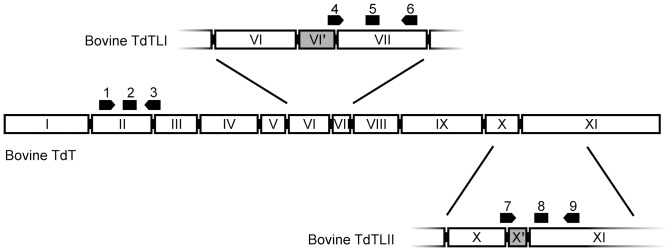
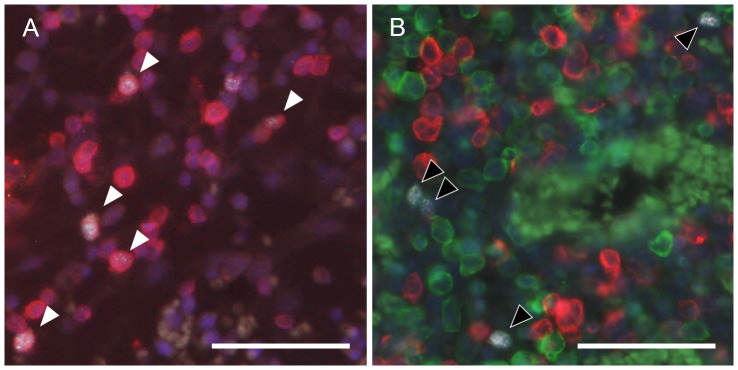
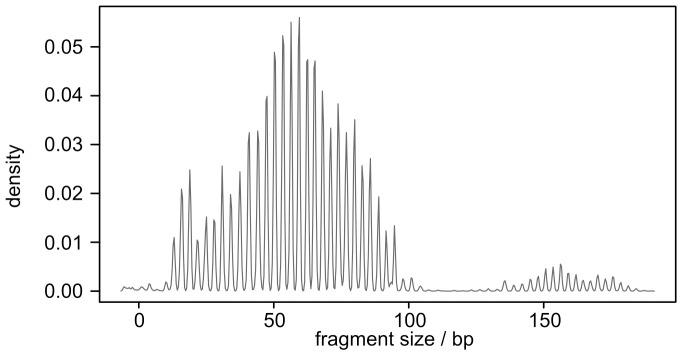
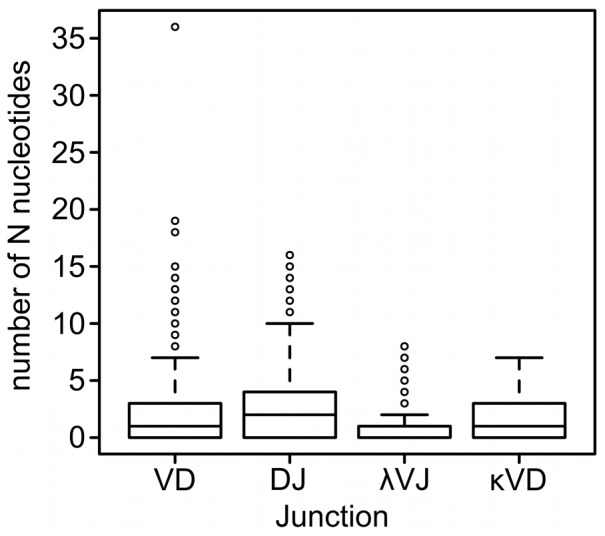
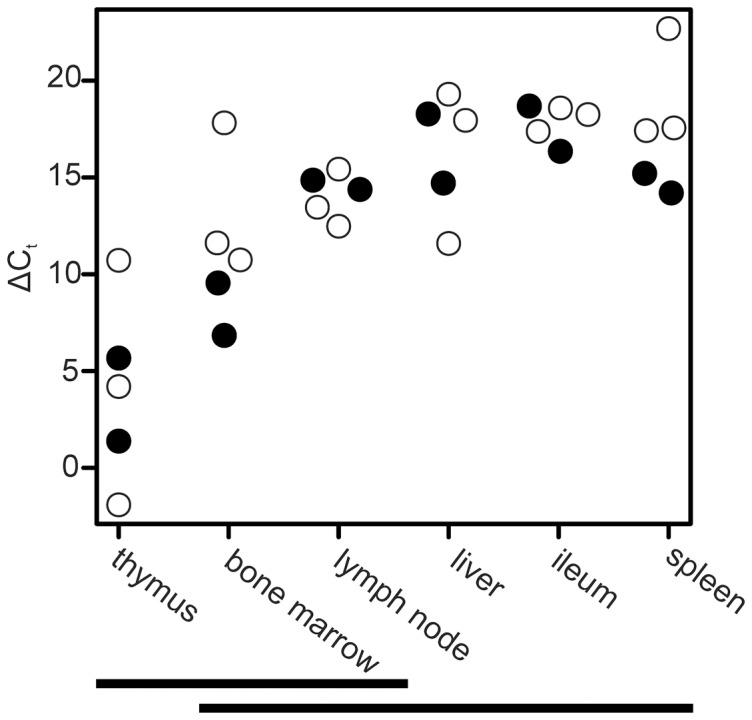
Cattle have a limited range of immunoglobulin genes which are further diversified by antigen independent somatic hypermutation in fetuses. Junctional diversity generated during somatic recombination contributes to antibody diversity but its relative significance has not been comprehensively studied. We have investigated the importance of terminal deoxynucleotidyl transferase (TdT) -mediated junctional diversity to the bovine immunoglobulin repertoire. We also searched for new bovine heavy chain diversity (IGHD) genes as the information of the germline sequences is essential to define the junctional boundaries between gene segments. New heavy chain variable genes (IGHV) were explored to address the gene usage in the fetal recombinations. Our bioinformatics search revealed five new IGHD genes, which included the longest IGHD reported so far, 154 bp. By genomic sequencing we found 26 new IGHV sequences that represent potentially new IGHV genes or allelic variants. Sequence analysis of immunoglobulin heavy chain cDNA libraries of fetal bone marrow, ileum and spleen showed 0 to 36 nontemplated N-nucleotide additions between variable, diversity and joining genes. A maximum of 8 N nucleotides were also identified in the light chains. The junctional base profile was biased towards A and T nucleotide additions (64% in heavy chain VD, 52% in heavy chain DJ and 61% in light chain VJ junctions) in contrast to the high G/C content which is usually observed in mice. Sequence analysis also revealed extensive exonuclease activity, providing additional diversity. B-lymphocyte specific TdT expression was detected in bovine fetal bone marrow by reverse transcription-qPCR and immunofluorescence. These results suggest that TdT-mediated junctional diversity and exonuclease activity contribute significantly to the size of the cattle preimmune antibody repertoire already in the fetal period.
牛的免疫球蛋白基因种类有限,这些基因在胎儿期通过与抗原无关的体细胞超突变进一步多样化。体细胞重排过程中产生的连接多样性有助于抗体多样性,但其相对重要性尚未得到全面研究。我们研究了末端脱氧核苷酸转移酶(TdT)介导的连接多样性对牛免疫球蛋白库的重要性。我们还寻找新的牛重链多样性(IGHD)基因,因为种系序列信息对于定义基因片段之间的连接边界至关重要。探索了新的重链可变基因(IGHV)以研究胎儿重排中的基因使用情况。我们的生物信息学搜索发现了五个新的IGHD基因,其中包括迄今为止报道的最长的IGHD基因,长度为154 bp。通过基因组测序,我们发现了26个新的IGHV序列,它们代表潜在的新IGHV基因或等位基因变体。对胎儿骨髓、回肠和脾脏的免疫球蛋白重链cDNA文库进行序列分析,结果显示在可变基因、多样性基因和连接基因之间有0至36个非模板化的N核苷酸添加。轻链中也最多鉴定出8个N核苷酸。与通常在小鼠中观察到的高G/C含量相反,连接碱基谱偏向于添加A和T核苷酸(重链VD中为64%,重链DJ中为52%,轻链VJ连接中为61%)。序列分析还揭示了广泛的核酸外切酶活性,提供了额外的多样性。通过逆转录定量PCR和免疫荧光在牛胎儿骨髓中检测到B淋巴细胞特异性TdT表达。这些结果表明,TdT介导的连接多样性和核酸外切酶活性在胎儿期就对牛的免疫前抗体库大小有显著贡献。