Animal Physiology and Behavior Group, Department for Neuroscience, School for Medicine and Health Sciences, Center of Excellence "Hearing4all," Carl von Ossietzky University Oldenburg Oldenburg, Germany.
Special Lab Non-invasive Brain Imaging, Leibniz Institute for Neurobiology Magdeburg, Germany.
Front Neurosci. 2014 Jun 6;8:119. doi: 10.3389/fnins.2014.00119. eCollection 2014.
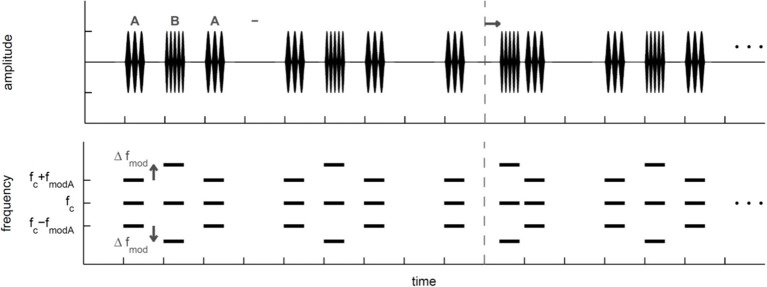
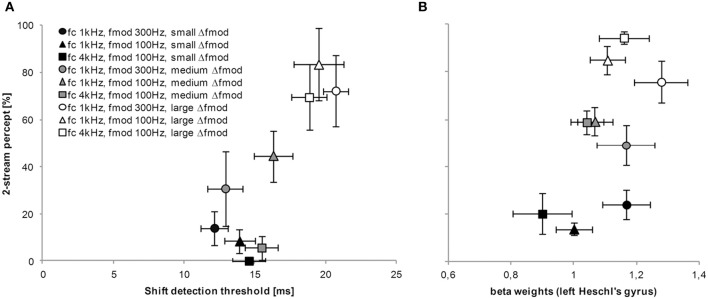
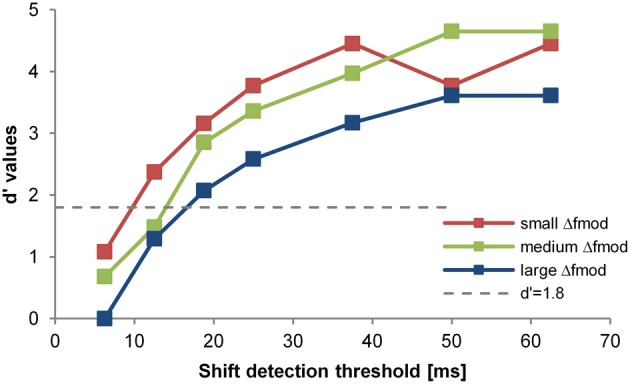
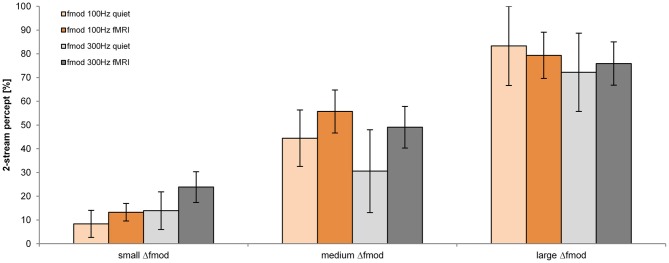
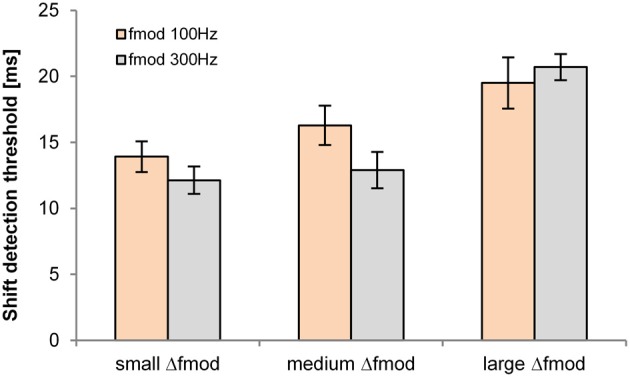
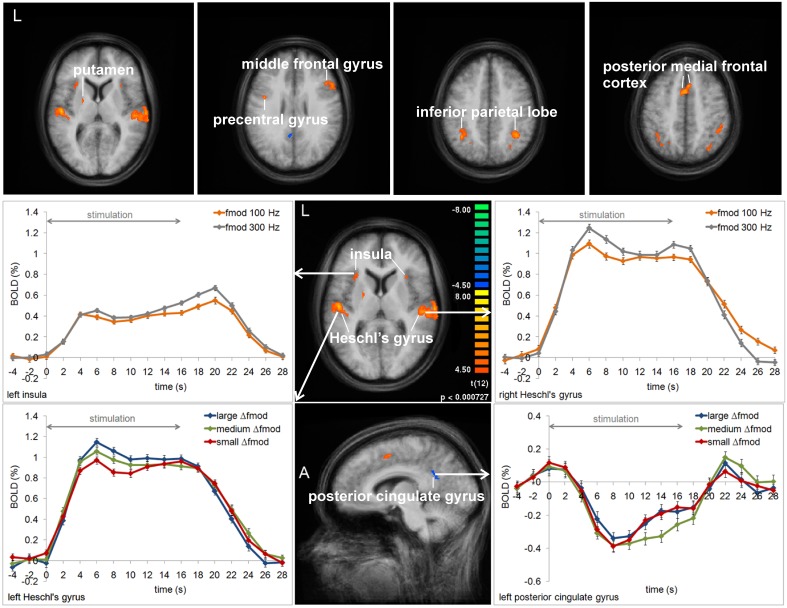
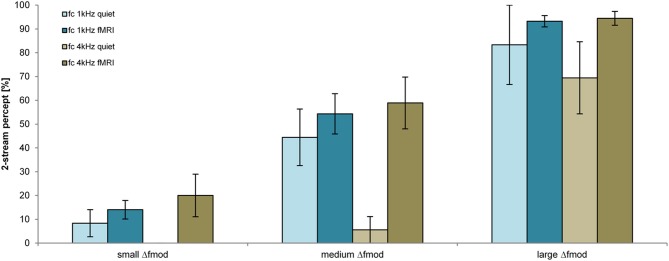
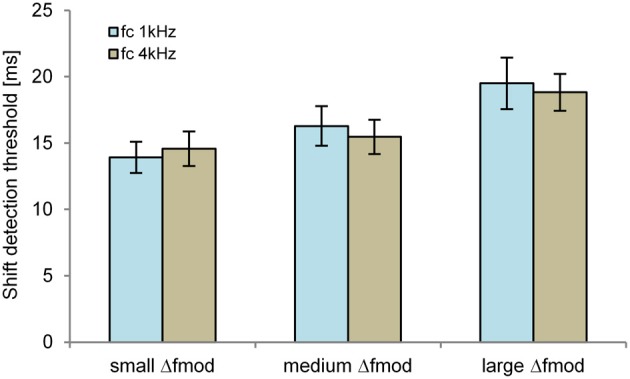
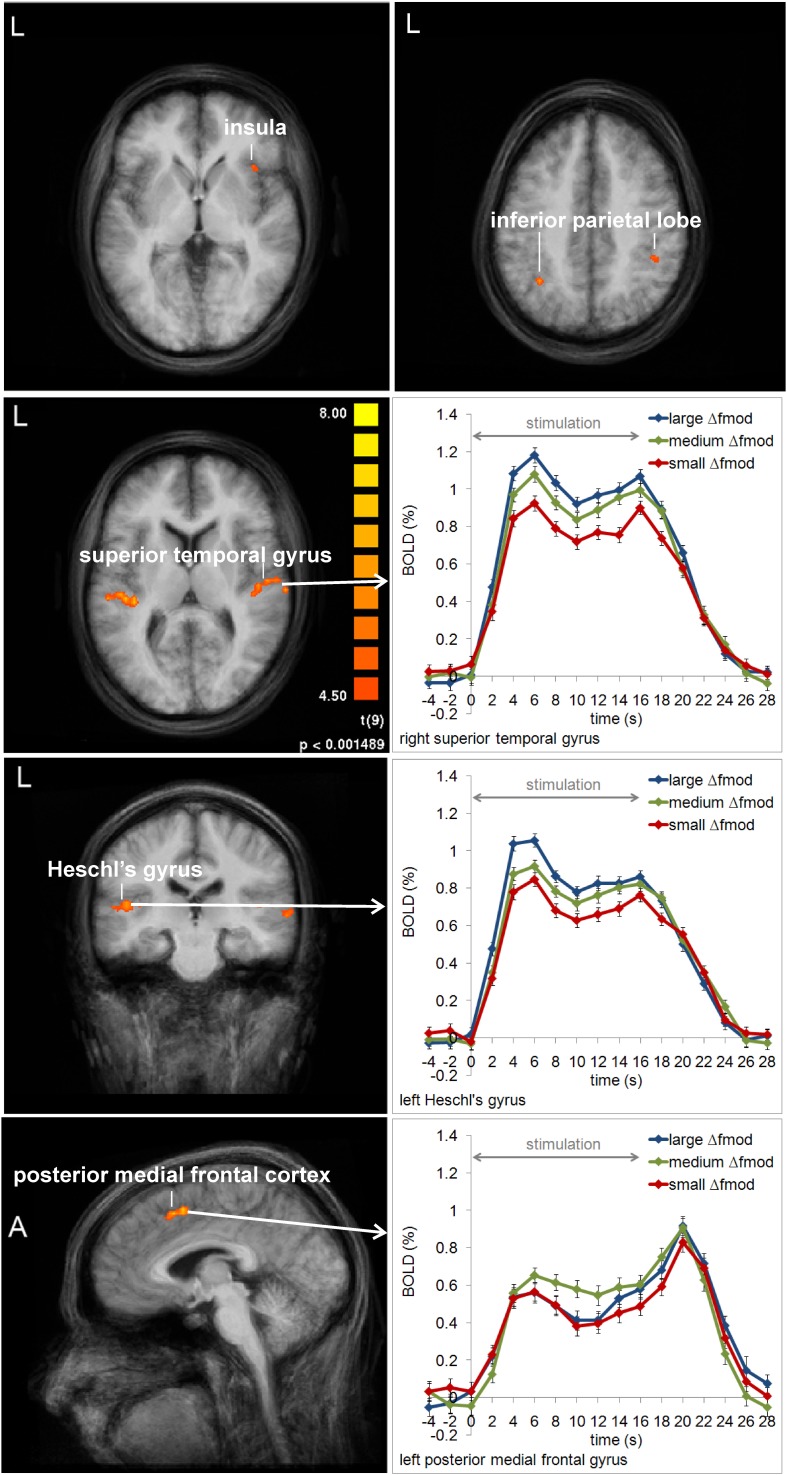
Auditory stream segregation refers to a segregated percept of signal streams with different acoustic features. Different approaches have been pursued in studies of stream segregation. In psychoacoustics, stream segregation has mostly been investigated with a subjective task asking the subjects to report their percept. Few studies have applied an objective task in which stream segregation is evaluated indirectly by determining thresholds for a percept that depends on whether auditory streams are segregated or not. Furthermore, both perceptual measures and physiological measures of brain activity have been employed but only little is known about their relation. How the results from different tasks and measures are related is evaluated in the present study using examples relying on the ABA- stimulation paradigm that apply the same stimuli. We presented A and B signals that were sinusoidally amplitude modulated (SAM) tones providing purely temporal, spectral or both types of cues to evaluate perceptual stream segregation and its physiological correlate. Which types of cues are most prominent was determined by the choice of carrier and modulation frequencies (f mod) of the signals. In the subjective task subjects reported their percept and in the objective task we measured their sensitivity for detecting time-shifts of B signals in an ABA- sequence. As a further measure of processes underlying stream segregation we employed functional magnetic resonance imaging (fMRI). SAM tone parameters were chosen to evoke an integrated (1-stream), a segregated (2-stream), or an ambiguous percept by adjusting the f mod difference between A and B tones (Δf mod). The results of both psychoacoustical tasks are significantly correlated. BOLD responses in fMRI depend on Δf mod between A and B SAM tones. The effect of Δf mod, however, differs between auditory cortex and frontal regions suggesting differences in representation related to the degree of perceptual ambiguity of the sequences.
听觉流分离是指对具有不同声学特征的信号流进行分离的感知。在流分离的研究中,已经采用了不同的方法。在心理声学中,流分离主要通过要求受试者报告其感知的主观任务进行研究。很少有研究应用客观任务,通过确定依赖于听觉流是否分离的感知阈值来间接评估流分离。此外,已经采用了感知测量和大脑活动的生理测量,但对它们之间的关系知之甚少。本研究使用依赖于应用相同刺激的 ABA-刺激范式的示例,评估了不同任务和测量结果之间的关系。我们呈现了 A 和 B 信号,它们是正弦幅度调制(SAM)音调,提供了纯粹的时间、频谱或这两种类型的线索,以评估感知流分离及其生理相关性。信号的载波和调制频率(f mod)的选择决定了哪种类型的线索更为突出。在主观任务中,受试者报告他们的感知,在客观任务中,我们测量他们在 ABA-序列中检测 B 信号时移的敏感性。作为流分离的基础过程的进一步测量,我们采用了功能磁共振成像(fMRI)。通过调整 A 和 B 音调之间的 f mod 差异(Δf mod),选择 SAM 音调参数来引起整合(1 流)、分离(2 流)或模糊感知。两个心理声学任务的结果均显著相关。fMRI 中的 BOLD 反应取决于 A 和 B SAM 音调之间的Δf mod。然而,Δf mod 的影响在听觉皮层和额区之间存在差异,这表明与序列感知模糊程度相关的表示存在差异。