Molnár Ferdinand
Faculty of Health Sciences, School of Pharmacy, Institute of Biopharmacy, University of Eastern Finland Kuopio, Finland.
Front Physiol. 2014 Jun 6;5:191. doi: 10.3389/fphys.2014.00191. eCollection 2014.
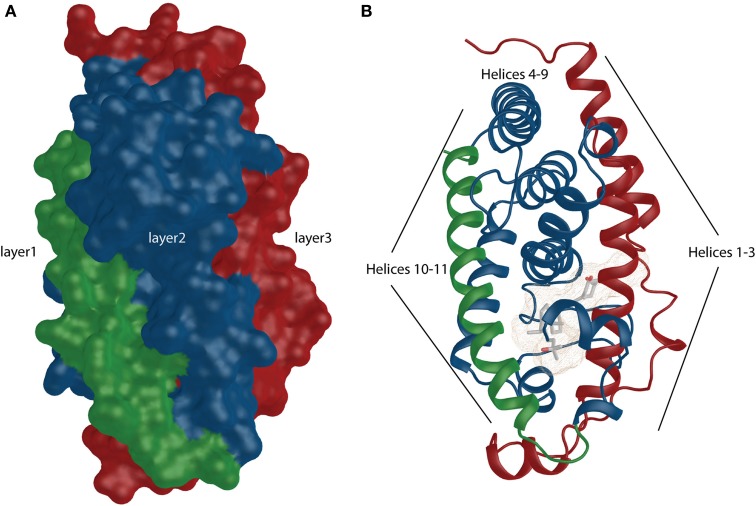
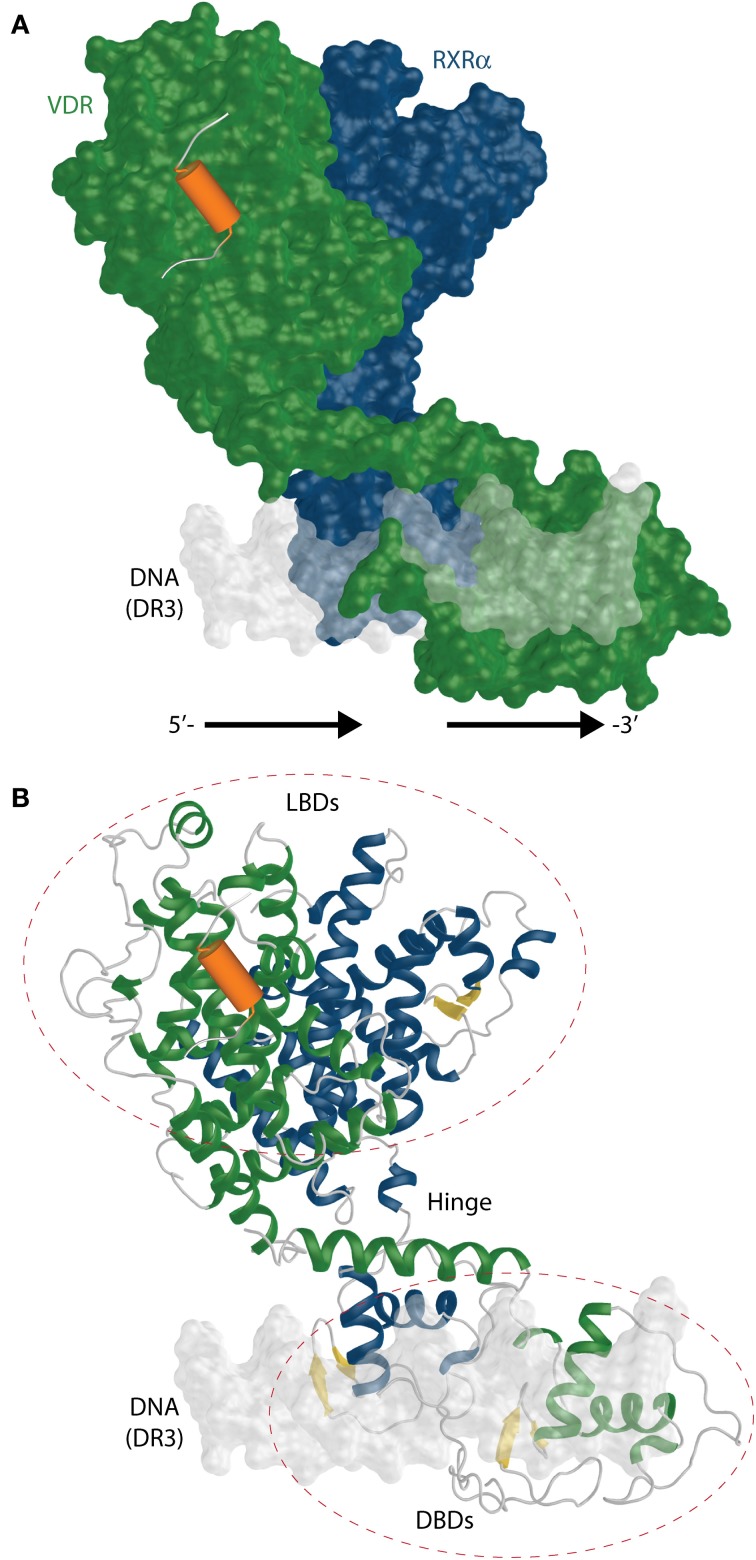
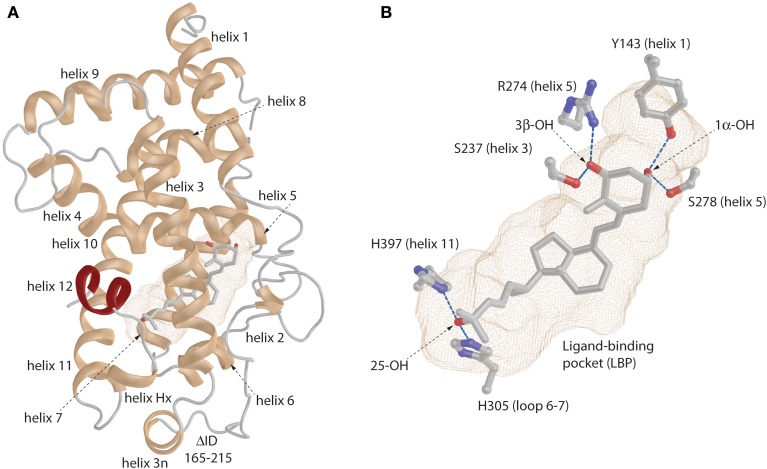
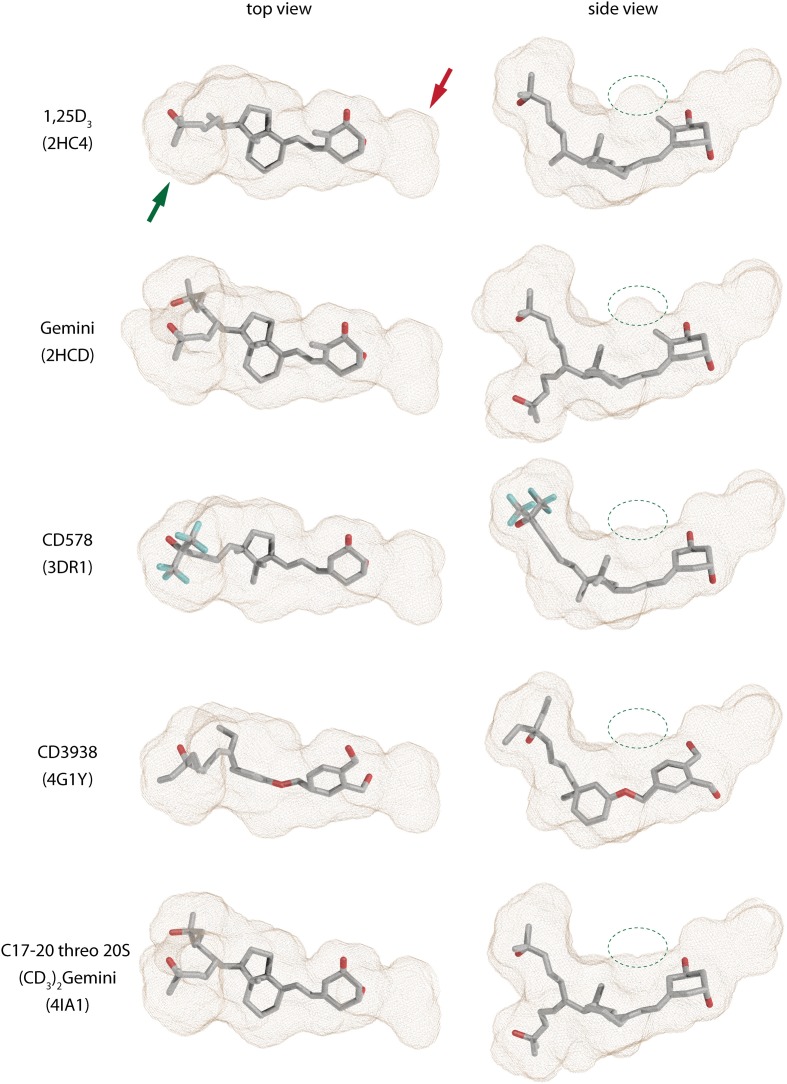
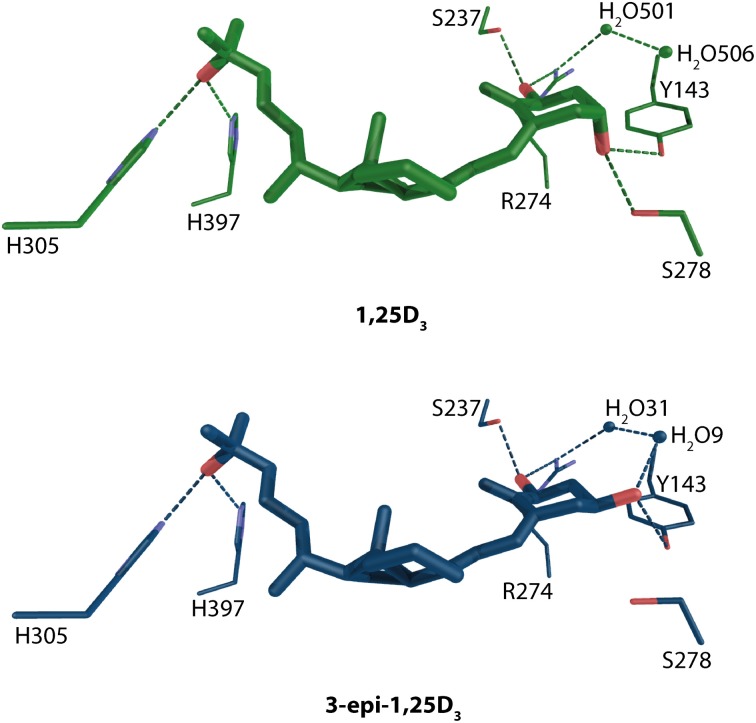
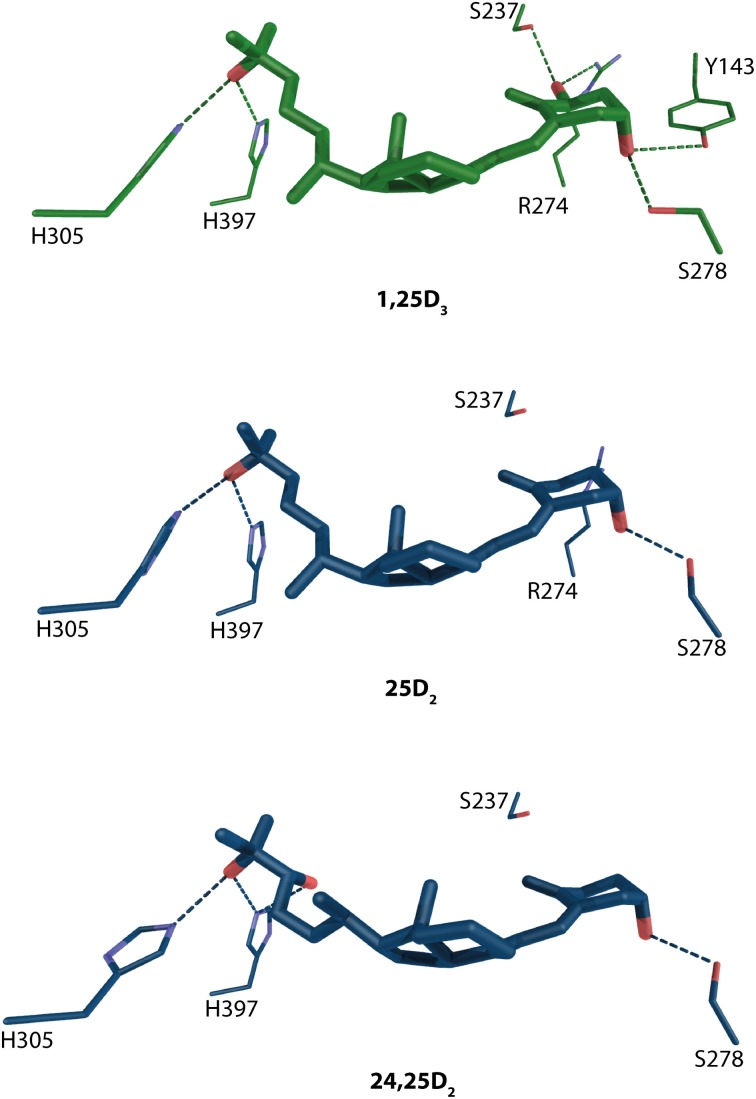
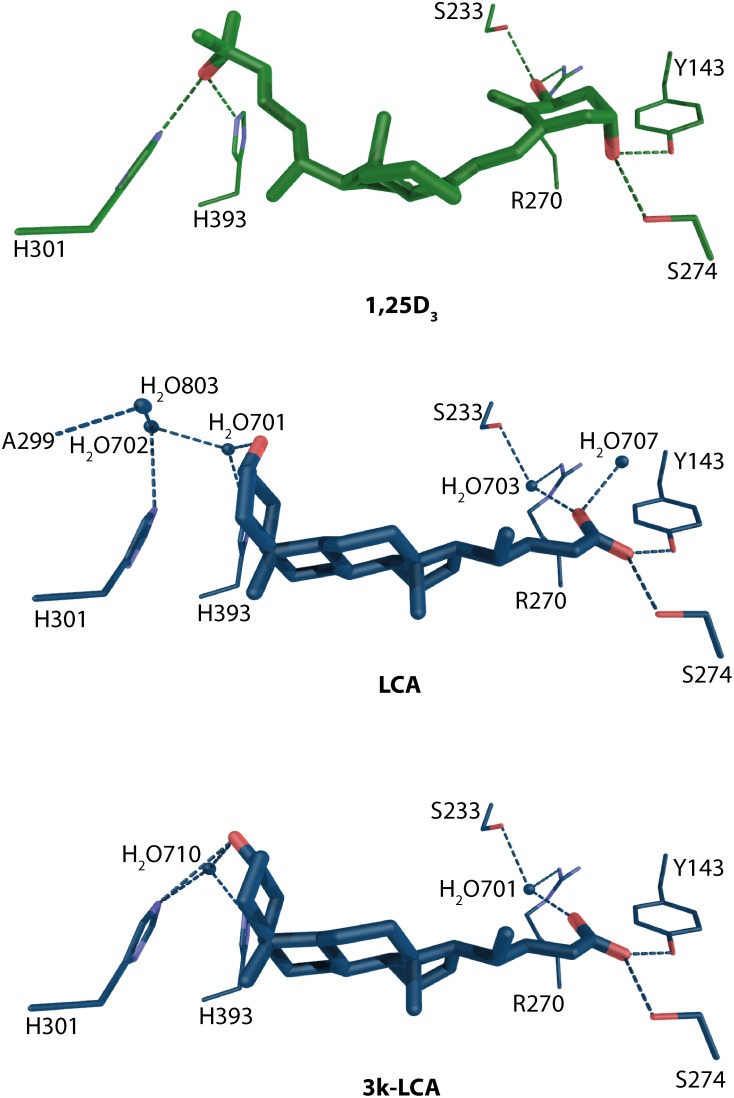
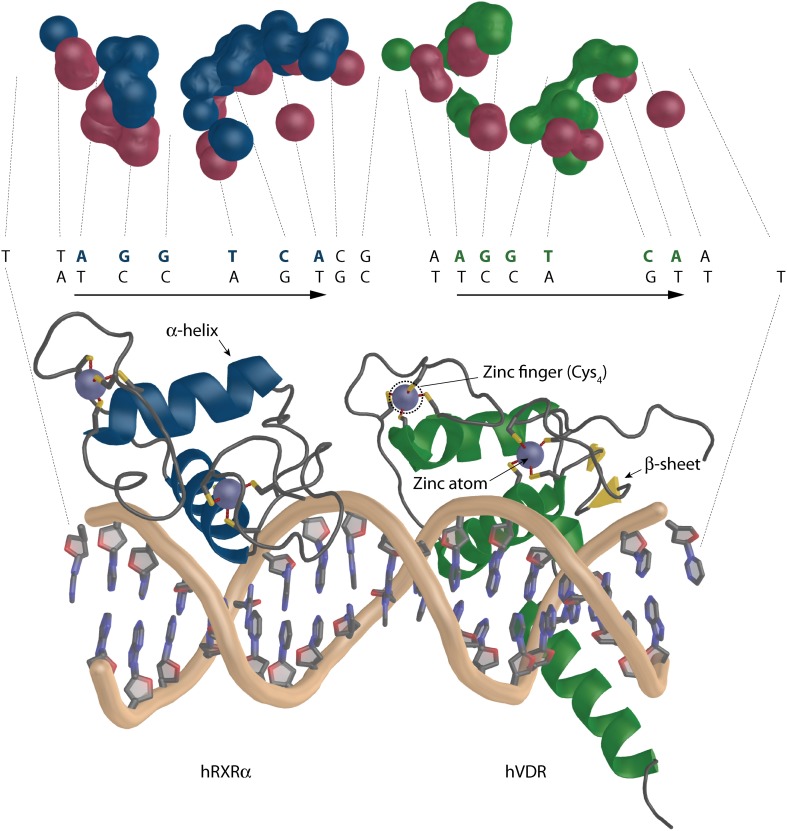
Crystal structures represent the static picture in the life of a molecule giving a sneak preview what it might be in reality. Hence, it is very hard to extrapolate from these photos toward dynamic processes such as transcriptional regulation. Mechanistically VDR may be considered as molecular machine able to perform ligand-, DNA- and protein recognition, and interaction in a multi-task manner. Taking this into account the functional net effect will be the combination of all these processes. The long awaited answer to explain the differences in physiological effects for various ligands was one of the biggest disappointment that crystal structures provided since no substantial distinction could be made for the conformation of the active VDR-ligand complexes. This may have come from the limitation on the complexity of the available ligand-VDR structures. The recent studies with full length VDR-RXRα showed somewhat more comprehensive perspective for the 3D organization and possible function of the VDR-RXRα-cofactor complex. In addition to in vitro approaches, also computational tools had been introduced with the aim to get understanding on the mechanic and dynamic properties of the VDR complexes with some success. Using these methods and based on measurable descriptors such as pocket size and positions of side chains it is possible to note subtle differences between the structures. The meaning of these differences has not been fully understood yet but the possibility of a "butterfly effect" may have more extreme consequences in terms of VDR signaling. In this review, the three functional aspects (ligand-, DNA- and protein recognition, and binding) will be discussed with respect to available data as well as possible implication and questions that may be important to address in the future.
晶体结构呈现出分子生命中的静态图景,让人得以初步窥探其实际可能的样子。因此,很难从这些图像推断诸如转录调控等动态过程。从机制上讲,维生素D受体(VDR)可被视为一种分子机器,能够以多任务方式进行配体、DNA和蛋白质的识别及相互作用。考虑到这一点,功能净效应将是所有这些过程的组合。对于各种配体生理效应差异的解释,一直是人们期待已久的答案,而晶体结构给出的答案却是最大的失望之一,因为活性VDR-配体复合物的构象并无实质性区别。这可能源于可用的配体-VDR结构复杂性的限制。最近对全长VDR-RXRα的研究,为VDR-RXRα-辅因子复合物的三维组织和可能功能提供了更为全面的视角。除了体外方法,还引入了计算工具,旨在了解VDR复合物的机制和动态特性,并取得了一定成功。利用这些方法,并基于诸如口袋大小和侧链位置等可测量的描述符,可以注意到结构之间的细微差异。这些差异的意义尚未完全理解,但就VDR信号传导而言,“蝴蝶效应”的可能性可能会产生更极端的后果。在本综述中,将根据现有数据以及未来可能需要解决的重要潜在影响和问题,讨论三个功能方面(配体、DNA和蛋白质的识别及结合)。