Zhang Han, Egger Rachel L, Kelliher Timothy, Morrow Darren, Fernandes John, Nan Guo-Ling, Walbot Virginia
Department of Biology, Stanford University, Stanford, California 94305-5020.
Department of Biology, Stanford University, Stanford, California 94305-5020
G3 (Bethesda). 2014 Jun 17;4(6):993-1010. doi: 10.1534/g3.113.009738.
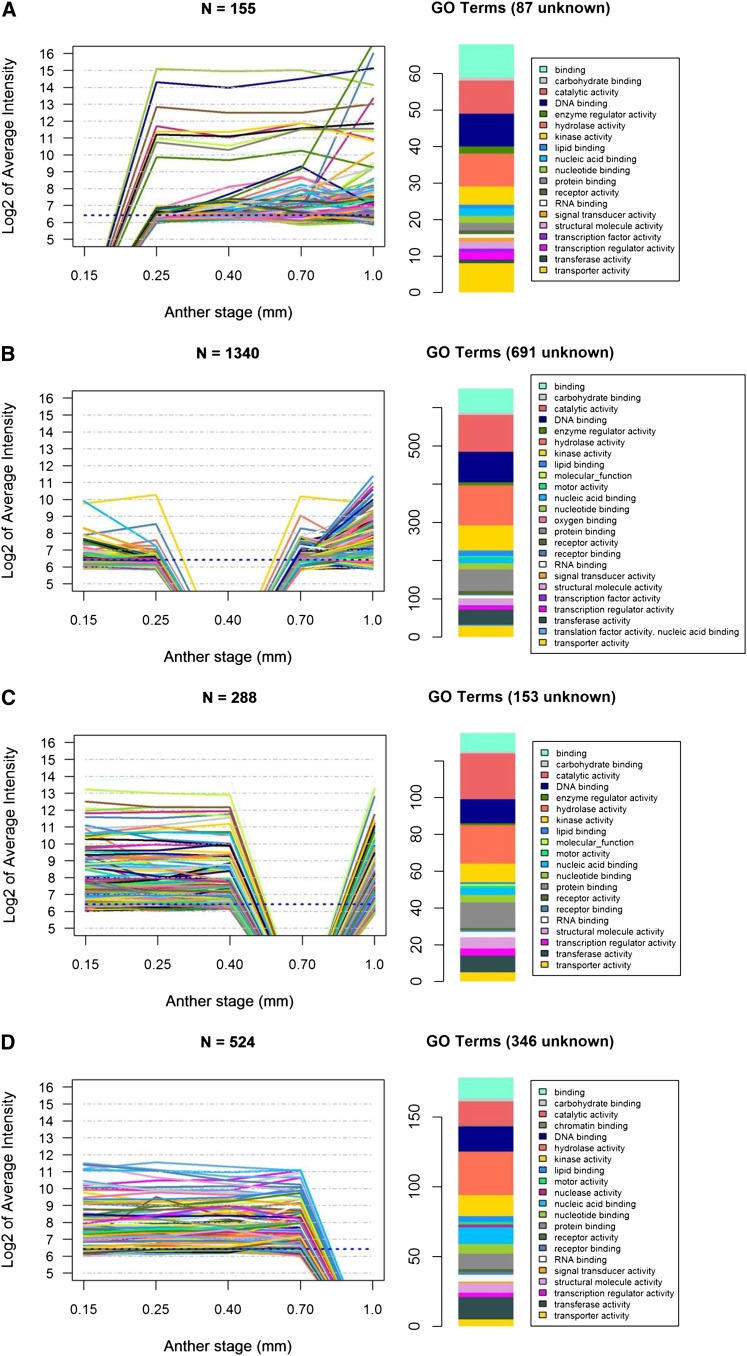
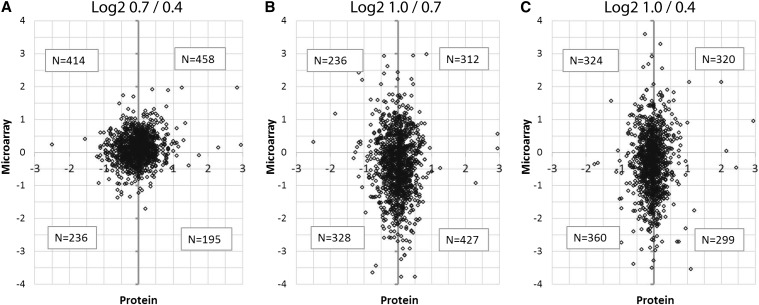
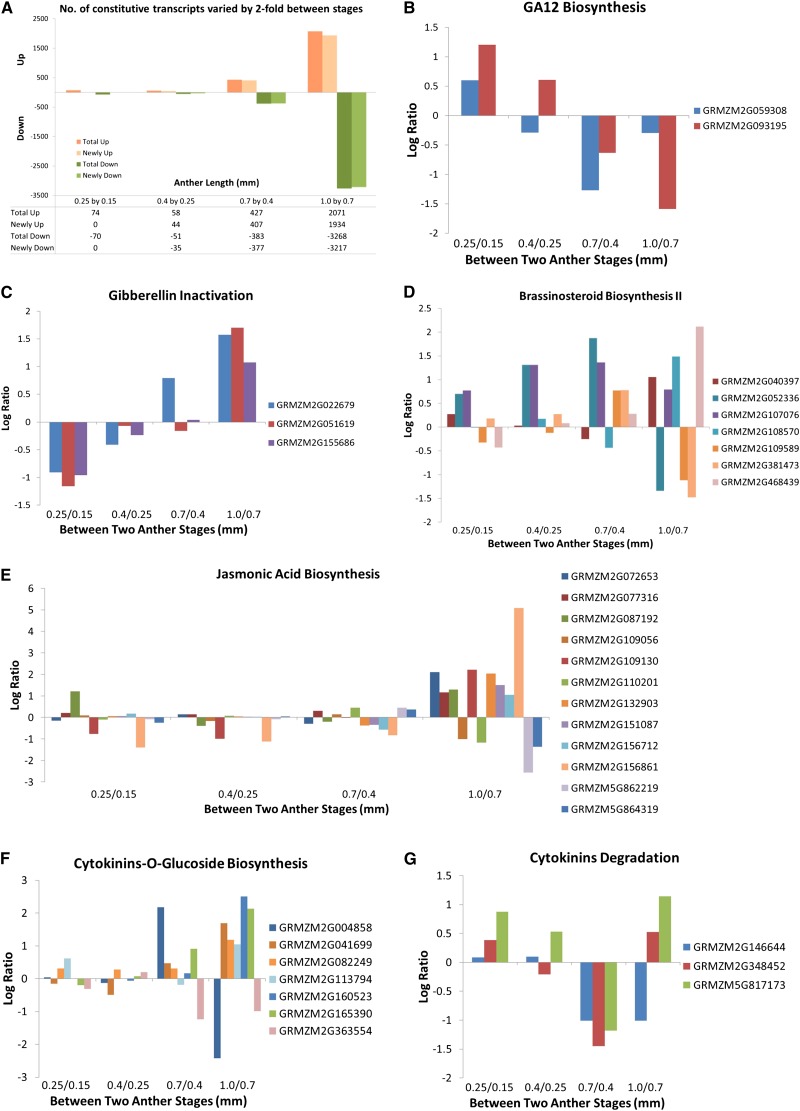
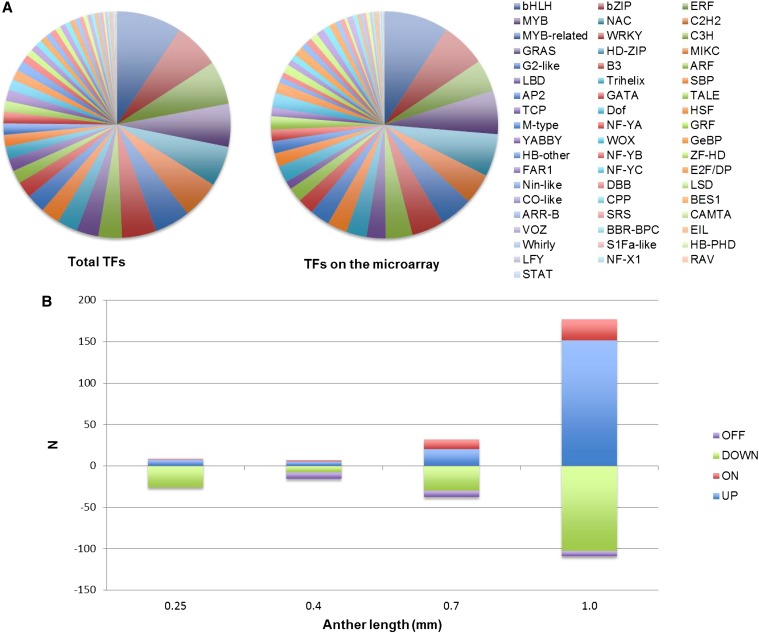
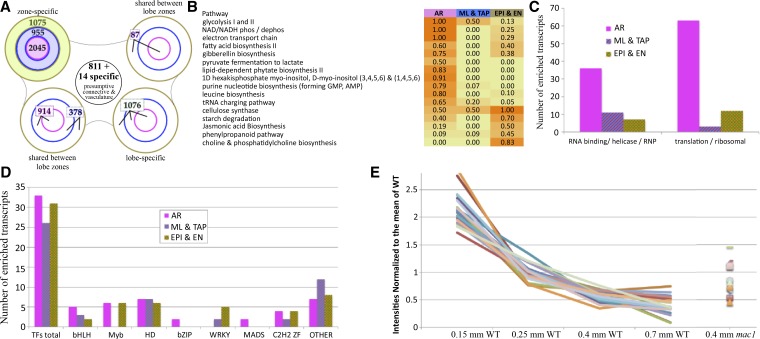
Plants lack a germ line; consequently, during reproduction adult somatic cells within flowers must switch from mitotic proliferation to meiosis. In maize (Zea mays L.) anthers, hypoxic conditions in the developing tassel trigger pre-meiotic competence in the column of pluripotent progenitor cells in the center of anther lobes, and within 24 hr these newly specified germinal cells have patterned their surrounding neighbors to differentiate as the first somatic niche cells. Transcriptomes were analyzed by microarray hybridization in carefully staged whole anthers during initial specification events, after the separation of germinal and somatic lineages, during the subsequent rapid mitotic proliferation phase, and during final pre-meiotic germinal and somatic cell differentiation. Maize anthers exhibit a highly complex transcriptome constituting nearly three-quarters of annotated maize genes, and expression patterns are dynamic. Laser microdissection was applied to begin assigning transcripts to tissue and cell types and for comparison to transcriptomes of mutants defective in cell fate specification. Whole anther proteomes were analyzed at three developmental stages by mass spectrometric peptide sequencing using size-fractionated proteins to evaluate the timing of protein accumulation relative to transcript abundance. New insights include early and sustained expression of meiosis-associated genes (77.5% of well-annotated meiosis genes are constitutively active in 0.15 mm anthers), an extremely large change in transcript abundances and types a few days before meiosis (including a class of 1340 transcripts absent specifically at 0.4 mm), and the relative disparity between transcript abundance and protein abundance at any one developmental stage (based on 1303 protein-to-transcript comparisons).
植物没有种系;因此,在繁殖过程中,花内的成年体细胞必须从有丝分裂增殖转变为减数分裂。在玉米(Zea mays L.)花药中,发育中的雄穗中的缺氧条件触发花药裂片中心多能祖细胞柱中的减数分裂前能力,并且在24小时内,这些新确定的生殖细胞已使其周围的邻居形成模式,分化为第一批体细胞龛细胞。在初始确定事件期间、生殖和体细胞谱系分离后、随后的快速有丝分裂增殖阶段以及最终减数分裂前生殖和体细胞分化期间,通过微阵列杂交对精心分期的整个花药进行转录组分析。玉米花药表现出高度复杂的转录组,构成了近四分之三的注释玉米基因,并且表达模式是动态的。应用激光显微切割开始将转录本分配到组织和细胞类型,并与细胞命运指定缺陷的突变体的转录组进行比较。通过使用大小分级的蛋白质进行质谱肽测序,在三个发育阶段分析整个花药蛋白质组,以评估蛋白质积累相对于转录本丰度的时间。新的见解包括减数分裂相关基因的早期和持续表达(77.5%注释良好的减数分裂基因在0.15毫米花药中持续活跃)、减数分裂前几天转录本丰度和类型的极大变化(包括一类在0.4毫米时特异性缺失的1340个转录本),以及任何一个发育阶段转录本丰度和蛋白质丰度之间的相对差异(基于1303个蛋白质与转录本的比较)。